
The resurgence in popularity can be traced back to the launch of the Swatch x Omega MoonSwatch collection in March 2022, which combined the iconic design of Omega’s Speedmaster with Swatch’s playful style. This collaboration not only attracted a new audience but also reignited interest in the Swatch brand as a whole, as highlighted in our recent article. The buzz surrounding these releases has led to increased foot traffic in stores and a surge in online sales.
Social media platforms have played a crucial role in amplifying the hype around Swatch watches. Influencers and collectors are sharing their finds and experiences, leading to a sense of urgency among potential buyers. The hashtag #Swatch has gained traction, further driving interest and creating a community around the brand.
As the market for collectible watches continues to evolve, Swatch’s ability to tap into current trends and consumer desires positions it as a significant player in the industry, particularly in light of the growing trend of watch collecting, which we explored in another piece. The combination of nostalgia, innovative designs, and strategic marketing has not only revived the brand but also established it as a desirable item for both casual wearers and serious collectors alike.
The Historical Significance of Swatch in the Watch Industry
Swatch, founded in the early 1980s, emerged as a response to the quartz crisis that threatened traditional Swiss watchmaking. This period saw a significant decline in the sales of mechanical watches due to the rise of inexpensive quartz timepieces, primarily from Asian manufacturers. In an effort to revitalize the Swiss watch industry, Nicolas G. Hayek, the CEO of the Swatch Group, introduced a line of colorful, affordable watches that appealed to a younger demographic, effectively reinvigorating the market.
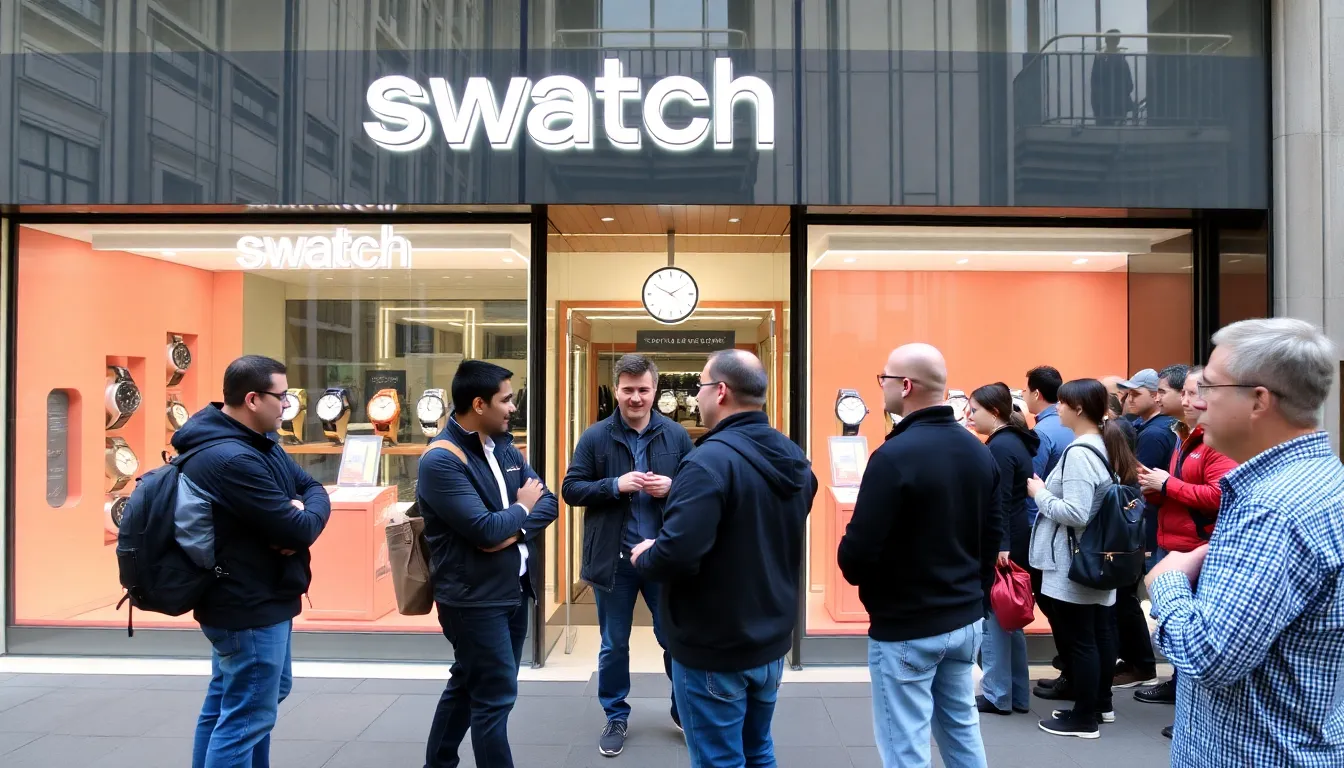
The introduction of Swatch watches marked a turning point in the industry. By combining innovative design with cost-effective production methods, Swatch not only saved many Swiss watchmakers from bankruptcy but also established a new trend in watch fashion. The brand’s playful designs and marketing strategies turned watches into fashion accessories rather than mere timekeeping devices, leading to a cultural shift in how watches were perceived.
The Economic Impact of Swatch
Economically, Swatch played a crucial role in stabilizing and boosting the Swiss watch industry. By the late 1980s, Swatch had captured a significant share of the global market, leading to increased employment and investment in Swiss watch manufacturing. The brand’s success encouraged other companies to innovate and diversify their offerings, fostering a competitive environment that ultimately benefitted consumers.
Over the years, Swatch has continued to evolve, introducing limited-edition models and collaborations with renowned artists and designers, which aligns with trends we discussed in a recent article. This strategy has not only maintained consumer interest but also created a thriving secondary market for collectors.
As the watch industry continues to adapt to modern trends, Swatch remains a pivotal player, bridging the gap between affordability and luxury, and illustrating the complex relationship between consumer culture and economic factors in the watch market.
Key Factors Driving Interest in Swatch Watches
The resurgence of interest in Swatch watches can be attributed to a combination of consumer nostalgia, the brand’s innovative designs, and the growing trend of watch collecting. As a Swiss company with a rich history in the watchmaking industry, Swatch has successfully tapped into both the vintage market and the modern consumer’s desire for unique timepieces.
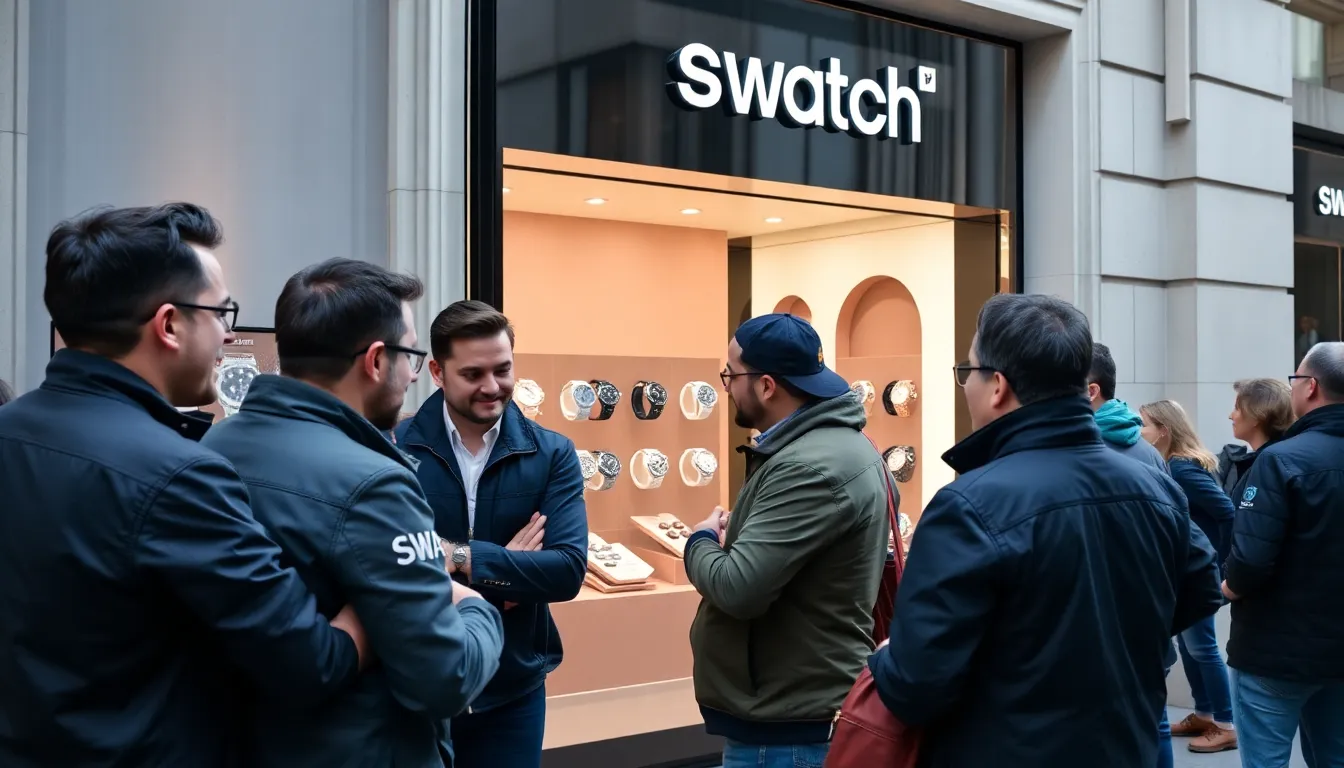
Key stakeholders in this phenomenon include consumers, collectors, retailers, and the Swatch Group itself. Each of these groups has distinct interests that drive their engagement with the brand. For consumers, the appeal lies in the affordability and stylishness of Swatch watches, while collectors often view them as investment pieces that can appreciate in value over time.
Retailers benefit from the popularity of Swatch by attracting customers seeking trendy accessories, while the Swatch Group aims to maintain its market position and capitalize on current trends. This dynamic creates a competitive landscape where various interests may conflict, particularly between casual buyers and serious collectors.
- Nostalgia vs. Innovation: The balance between appealing to long-time fans of the brand and attracting a new, younger audience.
- Investment vs. Affordability: The tension between collectors who view watches as investment pieces and consumers who prioritize budget-friendly options.
- Market Saturation: The risk of overproduction leading to diminished value for collectors, which could deter investment interest.
- Brand Reputation: Maintaining the integrity and desirability of the Swatch brand amidst rising competition in the watch market.
Legal and economic issues also play a role in the Swatch watch market. Intellectual property rights are crucial as the brand seeks to protect its designs from imitation. Additionally, fluctuations in the global economy can impact consumer spending habits, which may affect sales and overall brand performance.
Who Benefits from the New Swatch Trend?
The resurgence of interest in Swatch watches is impacting various groups, particularly collectors, fashion enthusiasts, and the luxury goods market. Collectors are finding new opportunities to acquire limited-edition models, often selling them for prices exceeding £1,000. This trend not only revitalizes interest in vintage pieces but also positions Swatch as a desirable brand among younger consumers.
Fashion retailers and online marketplaces are also benefiting from this trend. As demand for Swatch watches increases, these platforms are seeing a rise in sales and engagement. This can lead to a ripple effect, encouraging businesses to stock more accessories that align with the Swatch aesthetic, ultimately enhancing their product offerings.
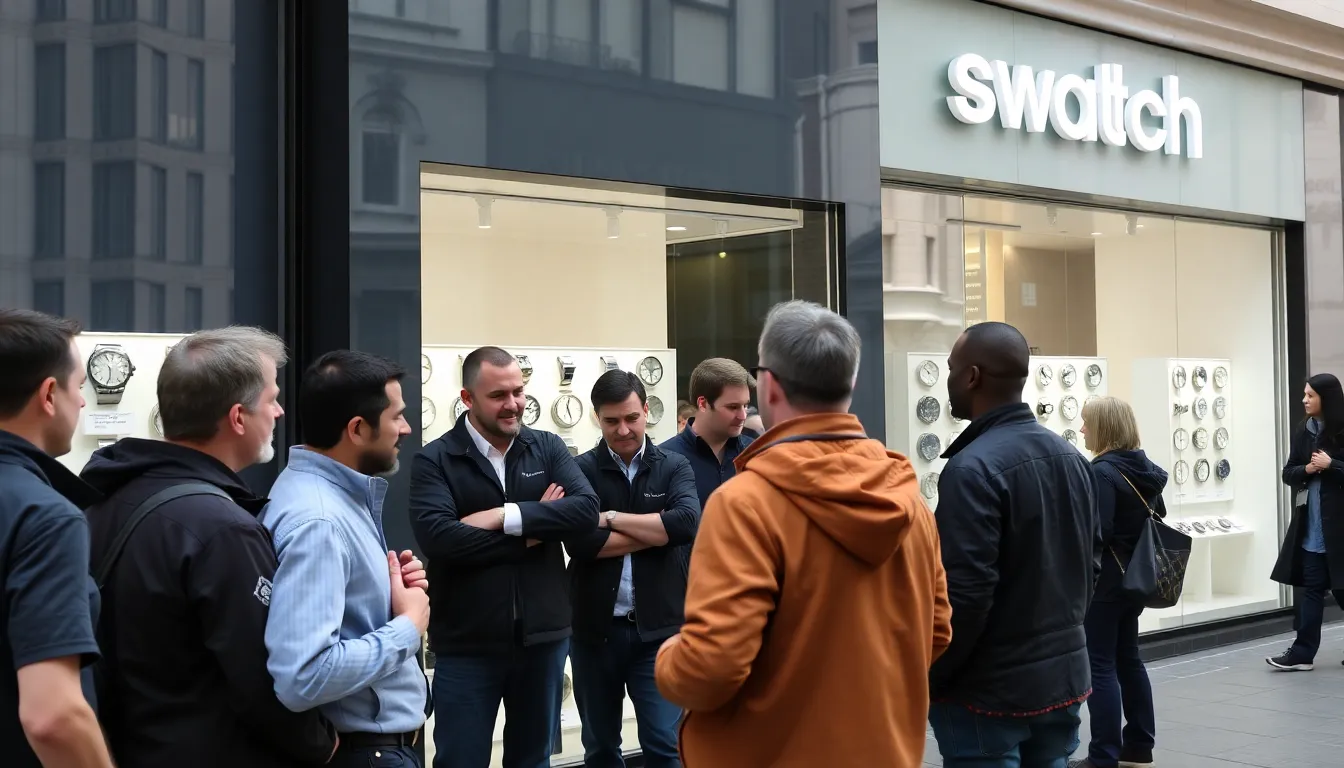
- Short-term impacts: Increased sales for retailers and a surge in online listings for Swatch watches.
- Mid-term impacts: Potential collaborations between Swatch and fashion designers, leading to exclusive collections.
- Risks: Market saturation if too many watches are produced, potentially devaluing the brand.
- Opportunities: Growth in the second-hand market, providing a platform for resellers and collectors alike.
Regions with a strong fashion culture, such as major cities in Europe and North America, are particularly affected. These areas often serve as hubs for trendsetting, and the Swatch phenomenon can influence local fashion scenes. As consumers flock to these cities for unique pieces, local businesses may see increased foot traffic and sales.
In terms of policy, the rise of Swatch watches may prompt discussions around intellectual property and counterfeiting, especially as the brand gains popularity. This could lead to stricter regulations to protect the brand’s image and the interests of legitimate sellers, ultimately shaping the future landscape of the watch industry.
A: The growing trend is driven by limited editions and unique designs, which create a sense of exclusivity. Additionally, collectors view these watches as investment opportunities due to their potential to appreciate in value. A: Swatch is known for its innovative designs and affordable pricing, making stylish watches accessible to a wider audience. The brand also has a rich history of collaboration with artists, enhancing its cultural appeal. A: Yes, many collectors believe that certain Swatch models can appreciate significantly in value, especially limited editions. However, like any investment, it carries risks and requires knowledge of market trends. A: Look for limited edition releases, unique designs, and collaborations with renowned artists. Researching past sales and collector communities can also provide insights into value. A: New Swatch watches can be purchased from official Swatch stores, authorized retailers, and online marketplaces. It’s important to ensure the authenticity of the watch when buying online.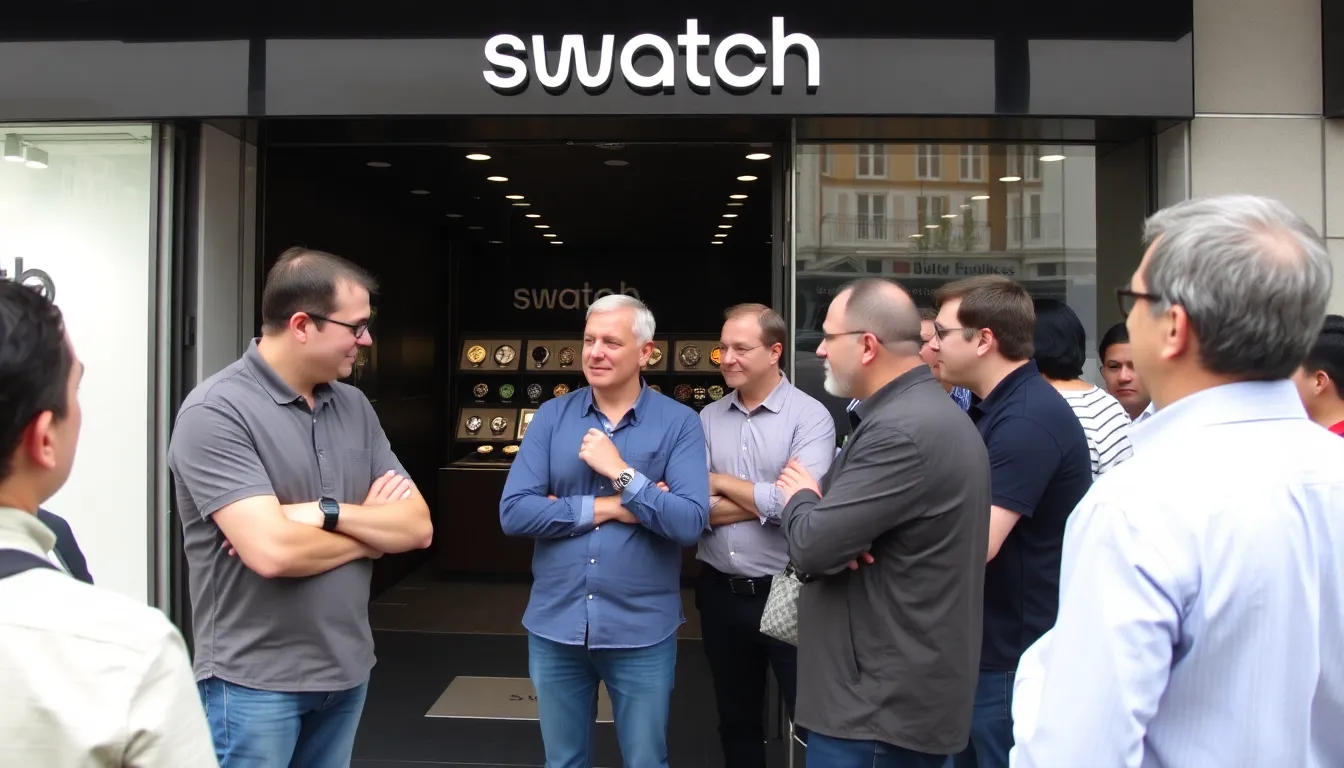
Frequently Asked Questions About Swatch Watches
Future Outlook for Swatch and Its Collectors
The recent surge in demand for Swatch watches highlights a growing trend among collectors and enthusiasts who view these timepieces not just as functional accessories but as investment opportunities. The resale market for certain models, particularly those with unique designs or limited editions, has seen prices exceed £1,000, indicating a shift in consumer perception and value attribution. This trend reflects broader themes in the collectibles market, where nostalgia and rarity drive interest and investment potential.
As the Swatch brand continues to innovate and release new designs, it is likely to attract a wider audience, including younger consumers who appreciate the blend of style and affordability. Keeping an eye on upcoming releases and market reactions will be crucial for both collectors and potential buyers looking to navigate this evolving landscape.
- Monitor Limited Editions: Limited releases are likely to appreciate in value, making them prime targets for collectors.
- Watch for Market Trends: Keep an eye on resale platforms to gauge which models are gaining traction and driving up prices.
- Engagement with Younger Audiences: Swatch’s ability to connect with younger consumers may influence future designs and market dynamics.
- Investment Potential: Consider the implications of purchasing Swatch watches as investment pieces, given the rising resale values.
- Brand Collaborations: Future collaborations with artists or brands may further enhance desirability and value.