
One of the key highlights was the participation of the Ukrainian band Kalush Orchestra, who won the contest in 2022. Their presence served as a poignant reminder of the ongoing conflict in Ukraine and the resilience of its people. This year’s event not only celebrated musical talent but also provided a platform for raising awareness about social issues, making it particularly relevant in today’s geopolitical climate.
The grand final featured a mix of established artists and emerging talents, with Sweden’s Loreen ultimately taking the top prize for the second time in her career. The voting process, which combines both jury and public votes, added an element of suspense, making the outcome even more thrilling for fans. This blend of competition and entertainment continues to solidify Eurovision’s status as one of the most-watched music events globally.
As the event concluded, discussions erupted regarding the future of Eurovision, including potential changes to voting systems and the inclusion of more diverse genres. The contest remains a significant cultural phenomenon, influencing music trends and fostering international collaboration among artists. With its ability to unite nations through creativity, Eurovision continues to hold a vital place in the cultural landscape of Europe.
Understanding the history and evolution of Eurovision
The Eurovision Song Contest, established in 1956, has become one of the longest-running television shows in the world. Initially conceived as a way to unite European nations through music in the aftermath of World War II, the contest has grown to become a platform for cultural exchange and expression. The inaugural event featured just seven countries, but over the decades, it has expanded to include participants from over 40 nations, showcasing a diverse array of musical styles and performances.
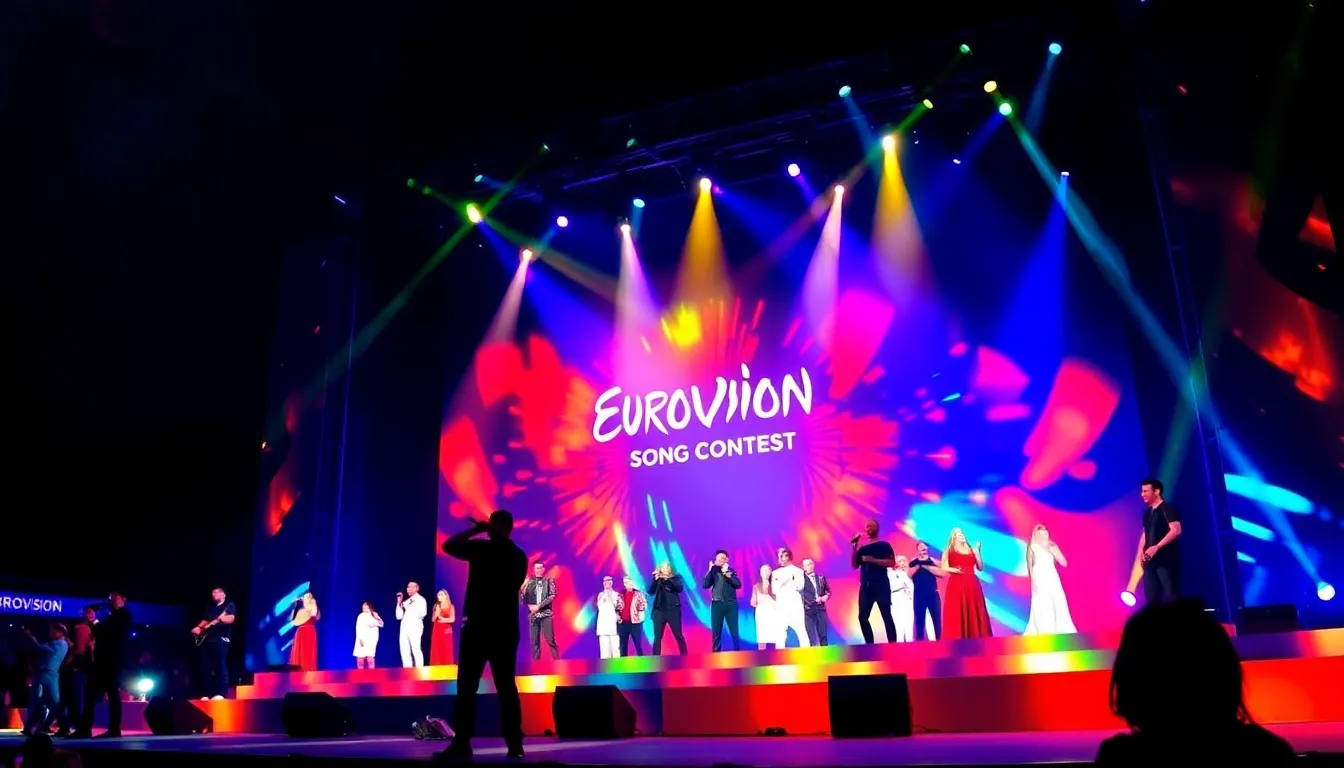
Throughout its history, Eurovision has been influenced by various political and social dynamics. During the Cold War, for example, the contest served as a subtle battleground for East-West relations, with countries using their performances to showcase national pride and cultural identity. The fall of the Iron Curtain in the late 20th century saw an influx of former Eastern Bloc countries joining the competition, further diversifying the contest’s musical landscape.
The economic impact of Eurovision cannot be understated. Host cities often experience a significant boost in tourism and local business revenue during the event. Countries invest heavily in their entries, with some even viewing it as a means of soft power, using the contest to enhance their international image. Notably, the success of certain entries has led to increased interest in the artists and their home countries, contributing to the global music market.
Key milestones in Eurovision’s journey
Several key milestones have shaped the trajectory of the Eurovision Song Contest. The introduction of voting systems, such as the jury and public voting, has transformed how winners are determined, making the contest more engaging for audiences. The introduction of semi-finals in 2004 allowed more countries to participate, increasing competition and variety. Additionally, the rise of social media has changed how fans interact with the contest, allowing for real-time engagement and fostering a global community of Eurovision enthusiasts.
Key performances and their impact on the competition
The Eurovision Song Contest has always been a platform for diverse musical expressions, and this year was no exception. With the theme ‘Lights, camera, Bangaranga’, the competition showcased a variety of performances that not only entertained but also sparked discussions among stakeholders. Key actors include participating countries, artists, the European Broadcasting Union (EBU), and the audience, each with their own interests and stakes in the event.
Countries participating in Eurovision often aim to promote their cultural identity and boost tourism through their performances. For instance, a standout act from a smaller nation can lead to increased visibility and interest in that country, potentially resulting in economic benefits. However, this can create a conflict of interest, as countries may prioritize flashy performances over authentic cultural representation, leading to debates about the integrity of the contest.
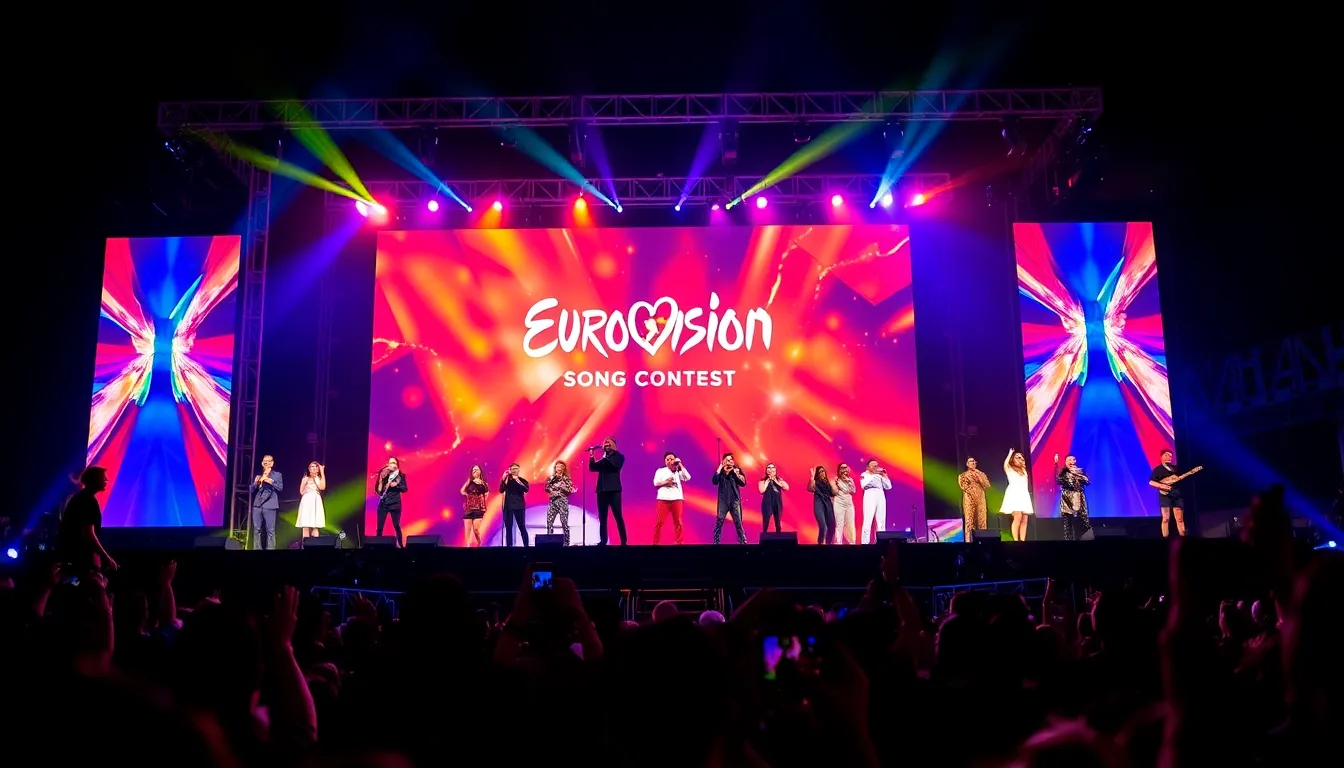
Artists, on the other hand, are driven by the desire for recognition and career advancement. A successful performance can catapult an artist to international fame, but it also raises questions about the pressures they face to conform to trends or expectations set by the industry. This dynamic can lead to trade-offs between artistic integrity and commercial viability, impacting the overall quality and authenticity of the performances.
The EBU, as the organizing body, has its own interests in maintaining the contest’s reputation and ensuring a fair competition. Legal issues may arise regarding copyright, as many performances incorporate elements from various genres and styles. Additionally, economic concerns, such as sponsorship and funding, play a significant role in shaping the contest, as the EBU must balance financial sustainability with the artistic aspirations of the participants.
- Countries leverage Eurovision for cultural promotion and tourism.
- Artists face pressures that may compromise their artistic integrity.
- The EBU navigates legal and economic challenges to maintain the contest’s integrity.
- Conflicts arise between commercial interests and authentic representation.
- Stakeholders must balance visibility with the risk of overshadowing cultural narratives.
How Eurovision influences music trends and cultural exchange
The Eurovision Song Contest, a vibrant celebration of music and culture, affects a wide range of groups and industries. From artists and music producers to broadcasters and tourism sectors, the impact of Eurovision is felt across Europe and beyond. Countries participating in the contest often see a surge in national pride and cultural expression, which can influence local music trends and industry dynamics.
In the short term, businesses in the entertainment and hospitality sectors may experience increased activity as fans flock to viewing parties and events. Restaurants, bars, and hotels in host cities often see an uptick in patrons looking to engage in the communal experience of watching the contest. Additionally, artists who perform well may gain immediate recognition, leading to increased streaming, sales, and concert bookings.
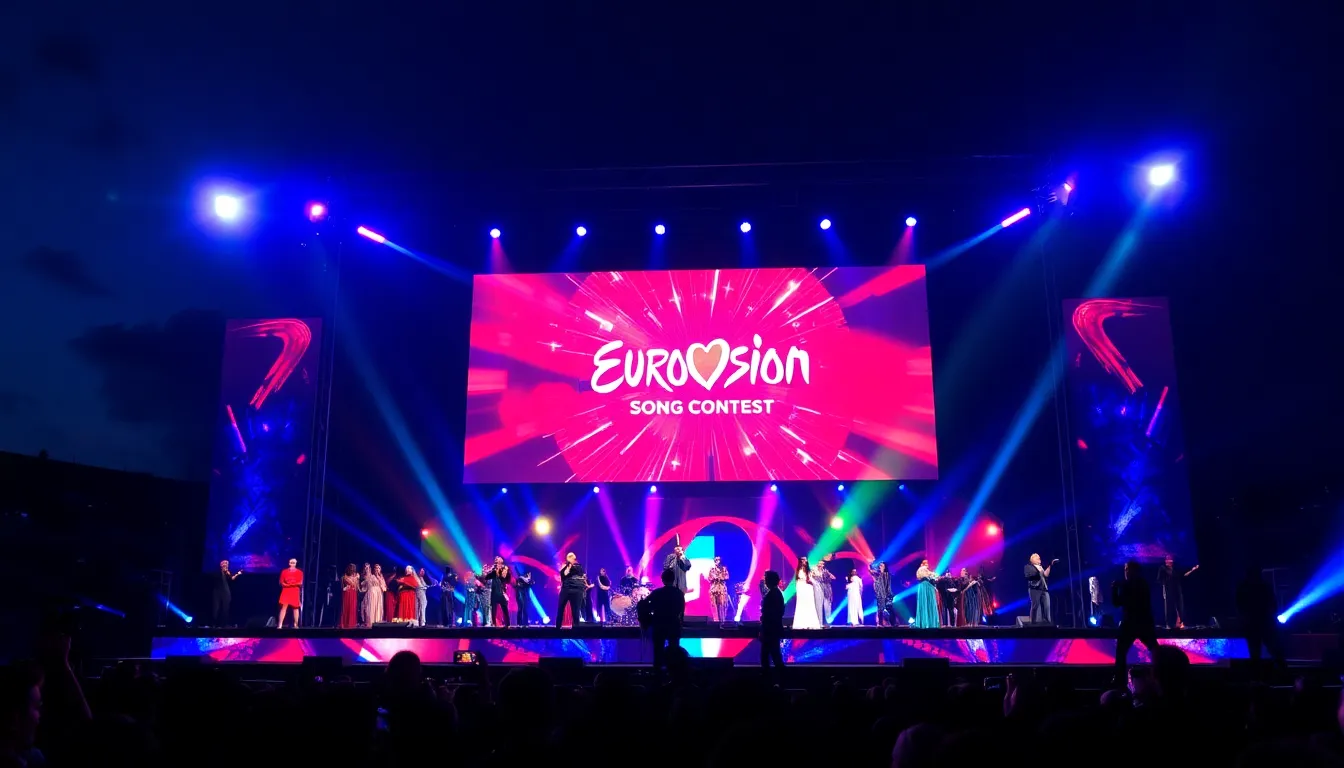
In the mid-term, the influence of Eurovision can lead to shifts in music policy and funding. Governments may recognize the potential of music as a cultural export and invest more in local artists or music education programs. The contest also fosters cultural exchange, encouraging collaborations between artists from different countries, which can lead to innovative musical styles and genres.
- Opportunities: Increased visibility for emerging artists, potential for cross-border collaborations.
- Risks: Over-commercialization of music, potential cultural appropriation concerns.
- Impact on tourism: Boost in visitors to host cities, economic benefits for local businesses.
Ultimately, while Eurovision presents certain risks, particularly concerning cultural sensitivity and commercialization, it also offers significant opportunities for growth and connection within the music industry and beyond. The contest serves as a platform for diverse voices, fostering a rich tapestry of cultural exchange that resonates far beyond the event itself.
A: Eurovision is an annual international song competition held among the member countries of the European Broadcasting Union, showcasing diverse musical talents. A: Winners are chosen through a combination of jury votes and public votes from participating countries, making it a unique voting system. A: Eurovision typically takes place in May, with the grand final being the highlight of the event. A: Participation is limited to countries that are members of the European Broadcasting Union, which includes several non-European countries. A: Past contests have featured iconic performances, including ABBA’s ‘Waterloo’ and Celine Dion’s ‘Ne Partez Pas Sans Moi’, which have left a lasting impact.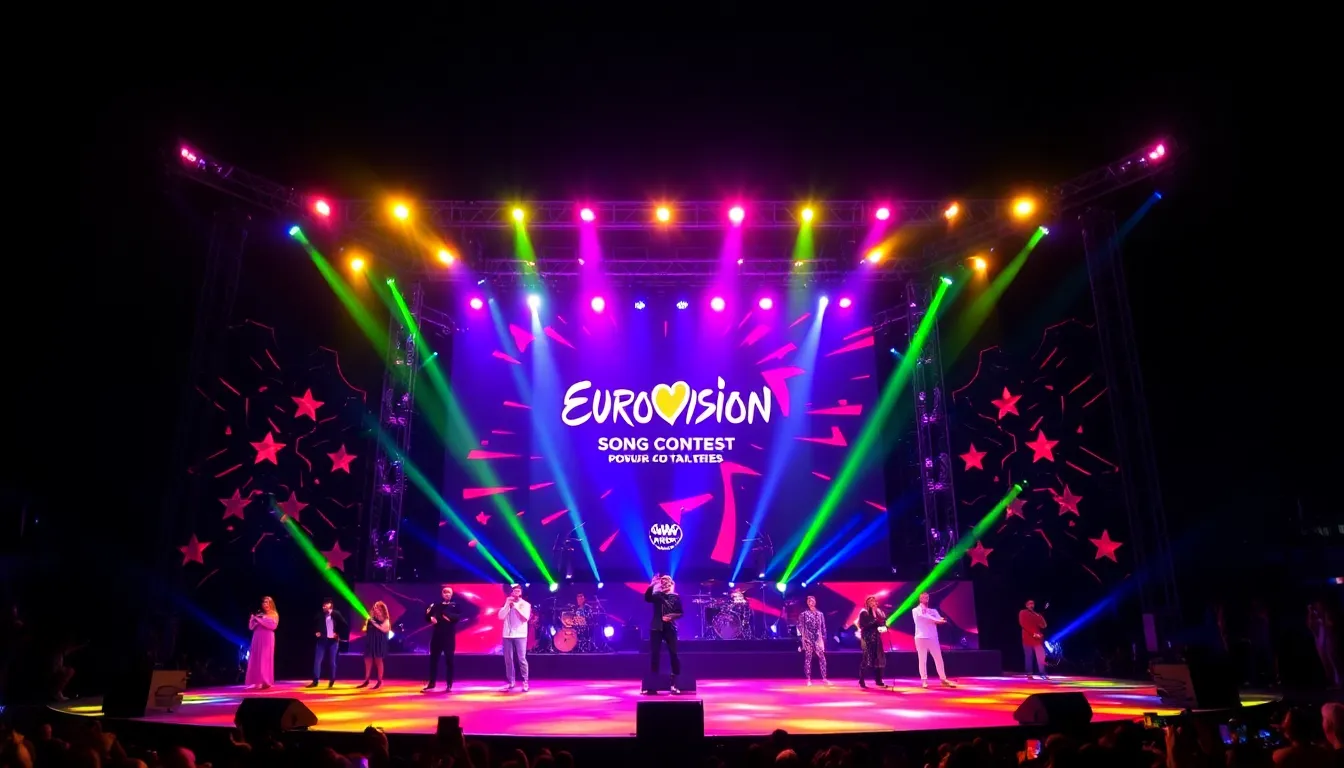
Frequently asked questions about Eurovision
Looking ahead: What to expect from future Eurovision events
The recent Eurovision event showcased not only the diversity of musical talent across Europe but also highlighted the evolving nature of audience engagement and production quality. As the competition continues to grow in popularity, it will be essential for organizers to adapt to changing viewer preferences while maintaining the essence of the festival.
Future editions of Eurovision may see an increased emphasis on digital platforms and interactive experiences, allowing fans to engage more deeply with the performances. Additionally, the blending of traditional and modern musical styles will likely shape the competition, reflecting broader cultural trends across the continent.
- Increased digital engagement: Expect more interactive features that allow viewers to participate in real-time voting and commentary.
- Diverse musical influences: The integration of various genres will continue to expand, appealing to a broader audience.
- Focus on sustainability: Future events may prioritize eco-friendly practices in production and logistics.
- Enhanced production quality: Look for innovative staging and technology that elevate the overall viewing experience.
- Cultural representation: Continued efforts to include underrepresented voices and styles will enrich the competition.