
The bodies were discovered on October 25, 2023, after days of searching in challenging underwater conditions. Rescuers faced numerous obstacles, including strong currents and limited visibility, which hindered their efforts to locate the missing explorers. The recovery operation was intensified following the receipt of new information about their last known whereabouts, echoing previous concerns raised in adventure tourism discussions.
This incident has raised concerns about safety measures for tourists engaging in cave exploration and diving activities in the Maldives. Authorities are now reviewing existing protocols to ensure the safety of visitors, particularly in remote and potentially hazardous areas. The tragic loss of the two individuals has sparked a broader conversation about the risks associated with adventure tourism.
The families of the victims have expressed their grief and called for enhanced safety regulations to prevent similar tragedies in the future. As the community mourns the loss, discussions are underway regarding the need for better support systems for tourists and improved training for guides in the region.
Understanding the circumstances leading to the disappearance of the Italians
The disappearance of the two Italian nationals in the Maldives has raised significant concerns about safety and environmental awareness in the region. Historically, the Maldives has been a popular destination for tourists, particularly those interested in diving and exploring its unique marine ecosystems. However, the increasing number of visitors has also brought challenges related to environmental sustainability and the management of natural resources.
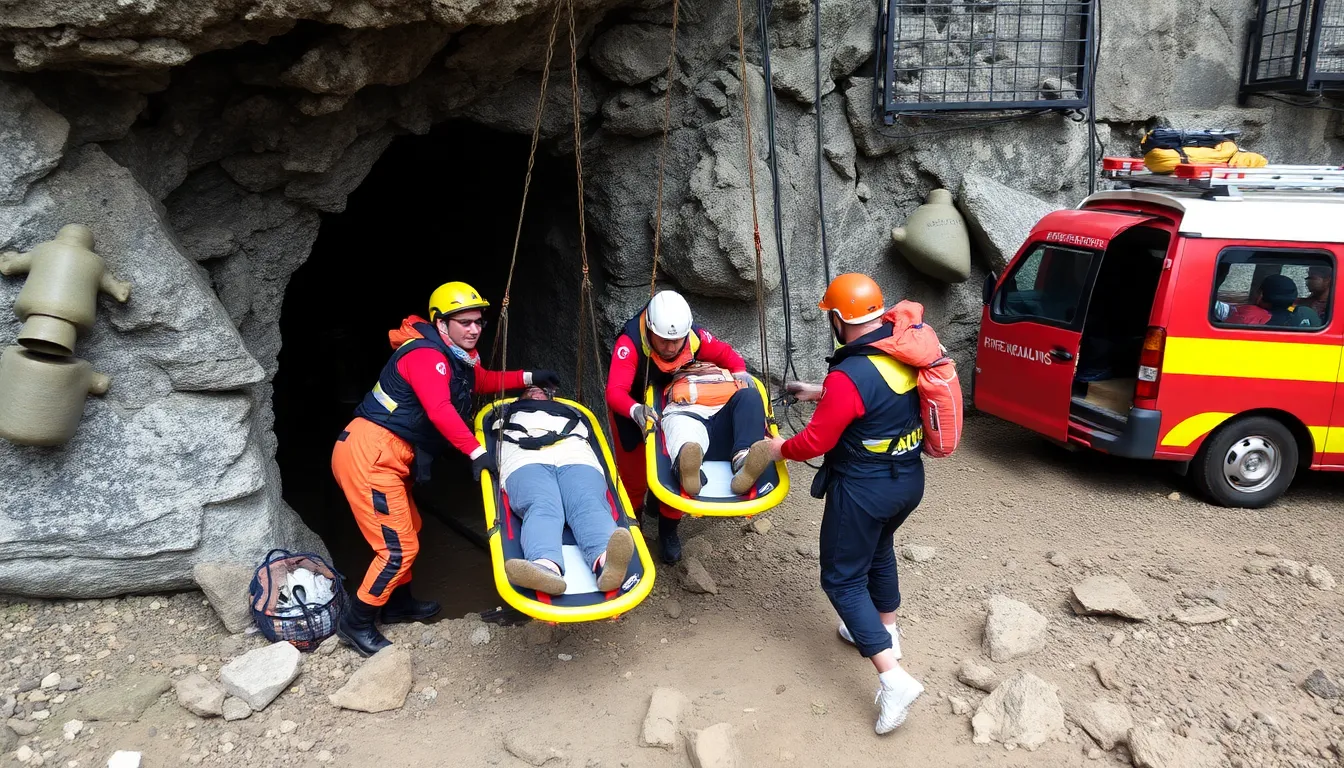
The incident involving the missing Italians has highlighted the potential dangers associated with exploring the less accessible areas of the archipelago, particularly caves and underwater environments that may not be adequately monitored or regulated. For example, recent findings on safety regulations in similar tourism scenarios could provide valuable insights.
The search and recovery efforts
The search for the two missing Italians began shortly after they were reported missing during a diving expedition. Local authorities, alongside international assistance, mobilized resources to conduct extensive search operations in the area. These efforts were complicated by the challenging underwater conditions often found in the Maldives, which can pose risks even for experienced divers. The eventual recovery of their bodies has raised questions about the safety protocols in place for adventure tourism in the region.
This tragic event serves as a reminder of the importance of adhering to safety regulations and guidelines while engaging in adventure activities, similar to the discussions surrounding safety measures in other sectors. It also underscores the need for better training and support for both tourists and local operators to ensure that such incidents are minimized in the future.
Exploring the implications for safety regulations in adventure tourism
The tragic recovery of the final two bodies of the missing Italian tourists from a cave in the Maldives has raised significant concerns regarding safety regulations in adventure tourism. This incident not only highlights the risks associated with cave exploration but also brings to the forefront the responsibilities of various stakeholders involved in adventure tourism, including tour operators, local governments, and regulatory bodies.
Key actors in this scenario include the Maldivian government, which is tasked with ensuring the safety of both locals and tourists, and the tour operators who provide adventure services. Tour operators have a vested interest in maintaining a reputation for safety and reliability, as their business relies heavily on tourist confidence. Conversely, the local government faces pressure to balance tourism revenue with public safety and environmental concerns.
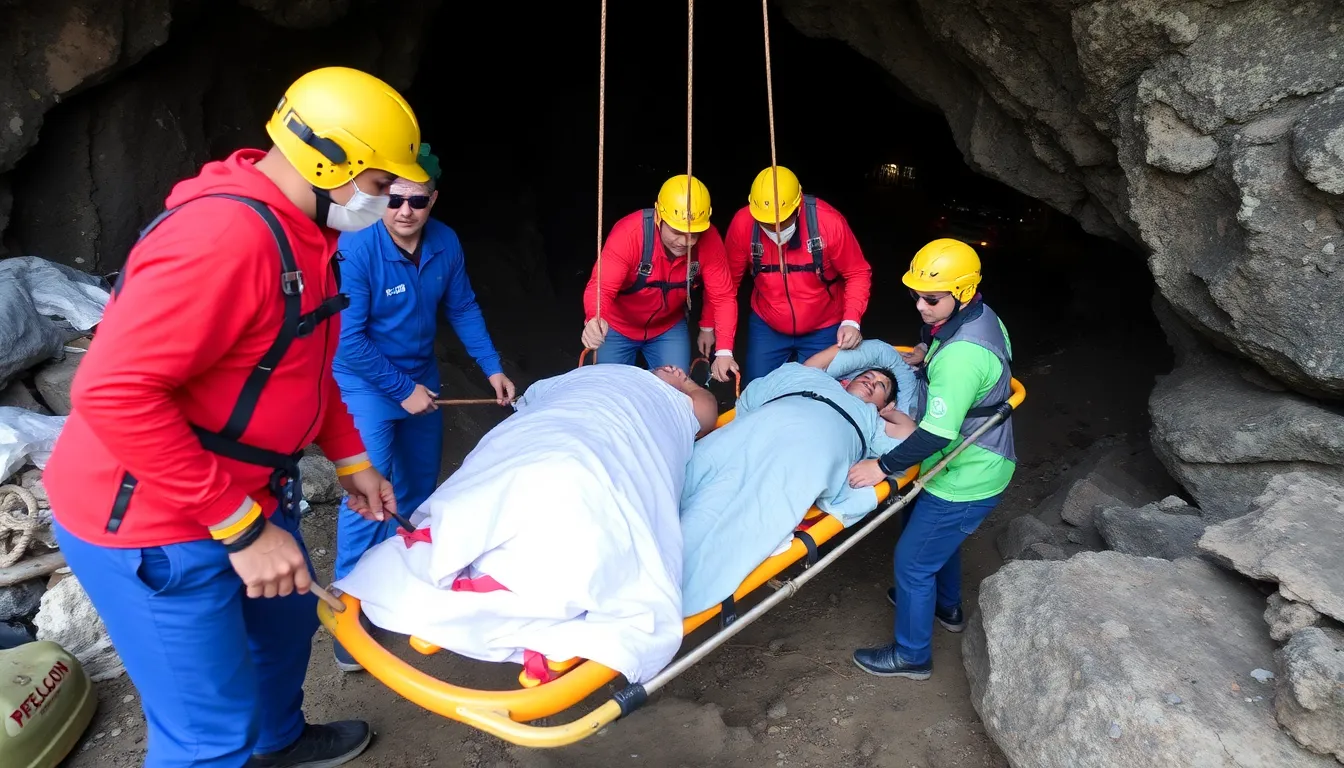
Moreover, the families of the victims represent a critical stakeholder group, as they seek accountability and justice while grappling with their loss. Their interests may lead to calls for stricter regulations and oversight in the adventure tourism sector, which could result in significant changes to how such activities are conducted in the future.
- Regulatory Framework: The need for a comprehensive regulatory framework governing adventure tourism activities is paramount to prevent future tragedies.
- Safety Standards: Implementation of standardized safety protocols and training for tour operators can help mitigate risks.
- Insurance and Liability: Clarity on insurance coverage and liability for accidents may protect both tourists and operators.
- Community Engagement: Involving local communities in tourism planning can enhance safety and promote sustainable practices.
- Public Awareness: Increasing public awareness about the risks associated with adventure tourism is essential for informed decision-making.
This incident serves as a stark reminder of the potential dangers inherent in adventure tourism and the critical need for all stakeholders to collaborate in enhancing safety measures. As the investigation unfolds, it is likely that discussions surrounding regulatory reform and industry standards will gain momentum, influencing the future landscape of adventure tourism in the Maldives and beyond.
The emotional and social impact on the families and the local community
The tragic recovery of the final two bodies of the missing Italians has left a profound emotional scar on their families and the local community in the Maldives. Families are grappling with loss, mourning the absence of their loved ones, while the local community is shaken by the incident, raising concerns about safety and tourism in the region.
This incident primarily affects the tourism industry, which is a vital component of the Maldivian economy. Tourists may feel hesitant to visit the area, fearing safety risks associated with outdoor activities such as cave exploration. The local businesses that depend on tourism, including hotels, restaurants, and tour operators, may experience a decline in revenue as visitor numbers drop.
In the short term, the emotional toll on families and the community is significant, leading to increased stress and anxiety. The media attention surrounding the incident may also lead to a negative perception of the Maldives as a safe travel destination. In the mid-term, there may be a push for stricter regulations regarding adventure tourism to prevent similar tragedies, impacting how businesses operate within the sector.
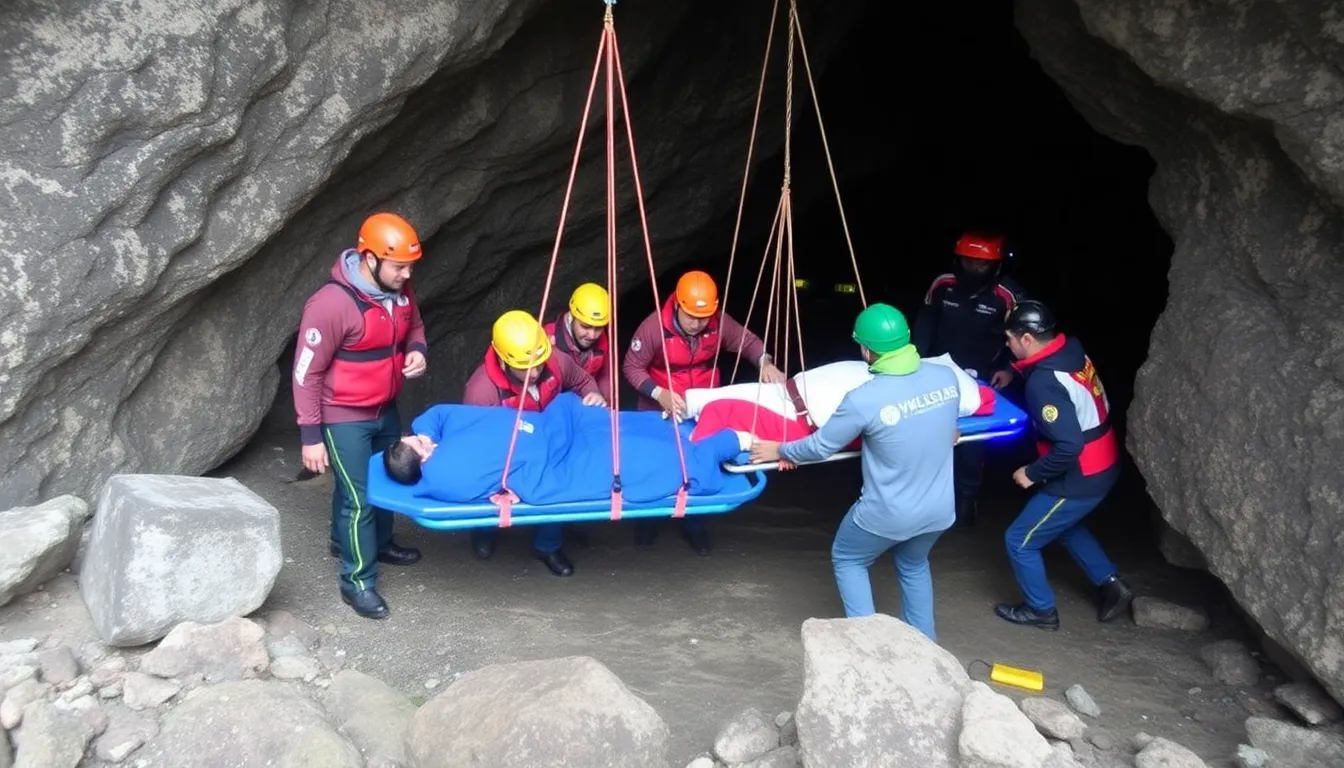
- Short-term impacts: Increased anxiety and fear among tourists and locals.
- Mid-term impacts: Potential policy changes affecting tourism regulations.
- Economic risks: Decreased tourism revenue affecting local businesses.
- Opportunities: Enhanced safety measures could improve long-term tourism sustainability.
While the immediate aftermath is filled with grief and uncertainty, there may also be opportunities for the tourism sector to adapt and innovate. By focusing on safety and creating awareness, the Maldives can work towards restoring its image and ensuring the well-being of both visitors and residents.
A: The two Italians went missing while exploring a cave in the Maldives, prompting a search operation that lasted several days. A: The bodies were located by search teams using specialized equipment to navigate the cave’s challenging conditions. A: Safety measures typically include guided tours, equipment checks, and warnings about potential dangers, but adherence can vary. A: The local community has expressed deep sorrow over the tragedy and is calling for improved safety regulations for tourists. A: Enhancing safety protocols, increasing awareness among tourists, and improving rescue operations are critical steps moving forward.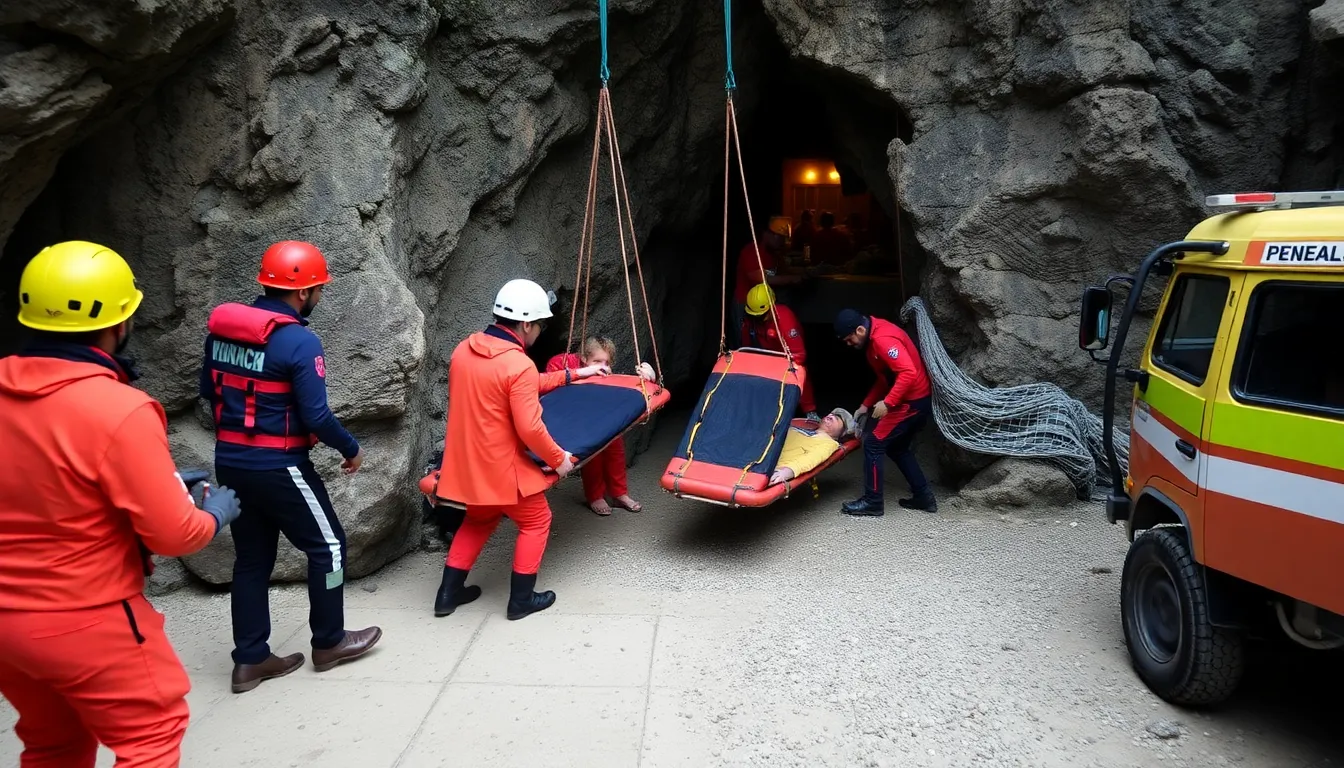
Frequently asked questions about the incident
Key takeaways and future considerations for safety in tourism
The tragic recovery of the final two bodies of the missing Italians in the Maldives highlights the urgent need for enhanced safety measures in adventure tourism. As popular destinations increasingly attract thrill-seekers, it is crucial for both operators and regulatory bodies to prioritize safety protocols and risk assessments to prevent such incidents in the future.
In light of this incident, stakeholders in the tourism industry must reflect on their practices and consider implementing more stringent guidelines. This event serves as a reminder of the inherent risks associated with outdoor activities and the importance of preparedness and safety education for both tourists and guides.
- Enhanced safety regulations: Expect calls for stricter regulations governing adventure tourism to ensure that all operators adhere to high safety standards.
- Training and certification: Increased emphasis on training and certification for guides may become a standard requirement to enhance visitor safety.
- Emergency response protocols: Destinations may develop better emergency response protocols to ensure swift action in case of accidents.
- Public awareness campaigns: Initiatives to educate tourists on safety practices and risks associated with specific activities could be implemented.
- Impact on tourism perception: The incident may lead to a shift in how potential visitors perceive the safety of adventure tourism in the Maldives and similar destinations.