
In October 2023, a clinical trial demonstrated the test’s effectiveness, showing a 30% increase in early detection rates compared to traditional methods. The test utilizes advanced biomarkers and genetic profiling, allowing for a more personalized approach to cancer screening. This shift towards precision medicine emphasizes the importance of tailored healthcare solutions for women, as highlighted in related research.
Leading health organizations are now advocating for the integration of this test into routine screenings for women, particularly those with a family history of cancer. The initiative is supported by various stakeholders, including oncologists, researchers, and women’s health advocates, who emphasize the necessity of prioritizing women’s health issues in medical research and policy.
As more women become aware of this new testing option, there is a growing conversation about the need for accessible healthcare resources. The introduction of this test not only empowers women to take charge of their health but also highlights the broader societal commitment to addressing gender disparities in medical care.
Understanding the historical neglect of women’s health issues
For centuries, women’s health issues have been overshadowed by a medical system that largely prioritized male health. This bias can be traced back to the early days of medicine when women were often excluded from clinical trials and research studies. As a result, many health conditions that predominantly affect women were poorly understood, leading to misdiagnoses and inadequate treatment options.

In the late 20th century, the feminist movement began to shed light on the disparities in healthcare, advocating for more inclusive research and better representation of women’s health needs. Key milestones, such as the establishment of the Office of Research on Women’s Health in 1990 by the National Institutes of Health, marked significant progress. This office aimed to ensure that women’s health issues were prioritized in medical research and that the unique physiological and psychological needs of women were recognized, which aligns with the ongoing discussion in current health initiatives.
Despite these advancements, economic factors have continued to influence the availability and development of women’s health resources. Historically, funding for women’s health initiatives has been limited compared to other medical fields, often relegating women’s health to a secondary concern. This has resulted in a lack of innovation in diagnostic tools and treatments specifically tailored for women, perpetuating the cycle of neglect.
The impact of recent innovations
Recent breakthroughs, such as the development of new cancer tests specifically designed for women, signify a shift in the narrative surrounding women’s health. These innovations not only demonstrate the potential for improved health outcomes but also highlight the growing recognition of the importance of women’s health issues in the broader medical community. As society becomes more aware of these disparities, there is hope that continued advocacy and research, like those seen in advocacy efforts, will further bridge the gap in women’s health care.
Key stakeholders in women’s health and their roles
In the evolving landscape of women’s health, particularly concerning advancements such as the new cancer test, several key stakeholders play crucial roles. These include healthcare providers, pharmaceutical companies, government health agencies, non-profit organizations, and patients themselves. Each group has distinct interests that shape the conversation around women’s health and the implementation of innovative medical solutions.
Healthcare providers, including doctors and specialists, are primarily focused on improving patient outcomes. Their interest lies in adopting effective diagnostic tools that can lead to early detection and treatment of diseases like cancer. They advocate for patient education and access to new technologies that can enhance their ability to provide care.

Pharmaceutical companies are also significant players, as they develop and commercialize new tests and treatments. Their interests often involve balancing the need for innovation with the pressures of regulatory approval and market competition. They may face conflicts between profit margins and the accessibility of their products, which can impact healthcare costs for patients and providers alike.
Government health agencies, such as the Centers for Disease Control and Prevention (CDC) and the Food and Drug Administration (FDA), are tasked with ensuring public health and safety. They regulate new medical tests and treatments, aiming to protect patients while fostering innovation. However, their policies can sometimes create trade-offs between rapid access to new technologies and the thoroughness of safety evaluations.
- Conflicts may arise between pharmaceutical companies and government regulators regarding the speed of approval for new tests.
- Non-profit organizations often advocate for patient rights and access to affordable healthcare, which can sometimes clash with corporate interests.
- Patients are increasingly vocal about their health needs, pushing for more personalized and accessible healthcare solutions.
- Economic issues surrounding insurance coverage for new tests can lead to disparities in access among different populations.
- Legal challenges may emerge regarding patent rights and the availability of generic alternatives to new cancer tests.
The potential impact on women’s health outcomes
The introduction of a new cancer test specifically designed for women is set to create significant ripples across various groups and industries. Primarily, women of all ages, particularly those at higher risk for certain cancers, will benefit directly from this advancement. Healthcare providers, including hospitals and clinics, will also be affected as they adapt to integrate this new technology into their diagnostic procedures.
In the short term, the availability of this cancer test may lead to increased awareness and discussions surrounding women’s health issues, encouraging more women to seek preventive care. This heightened focus could shift public policy towards more funding for women’s health initiatives, ultimately promoting better healthcare practices. Additionally, early detection through this test could improve survival rates, drastically altering the landscape of cancer treatment.
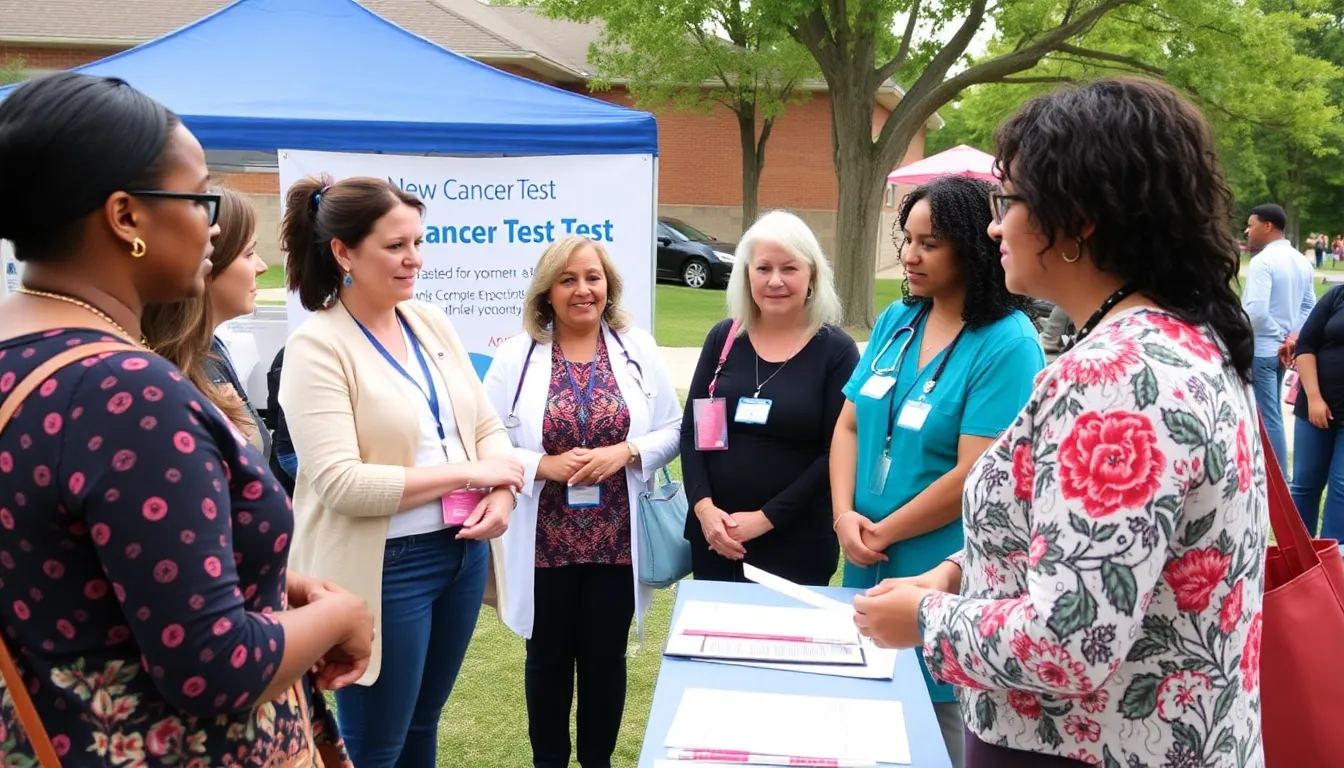
On the business front, companies involved in developing and distributing this test may experience a surge in demand, leading to job creation and potential growth in the biotech sector. Conversely, healthcare providers may face challenges in terms of training staff to administer and interpret the new tests, which could strain resources in the short term.
- Short-term impacts: Increased awareness and demand for women’s health services.
- Mid-term impacts: Potential shifts in healthcare policies and funding.
- Risks: Resource strain on healthcare providers during implementation.
- Opportunities: Growth in the biotech industry and job creation.
Moreover, regions with limited access to healthcare may face challenges in implementing this test, potentially widening the gap in health outcomes between urban and rural populations. However, telehealth solutions could mitigate some of these disparities, allowing broader access to this crucial service.
A: The new cancer test is a diagnostic tool designed to detect specific types of cancer in women at an early stage. It uses advanced technology to analyze biological markers, providing accurate results that can lead to timely treatment. A: This test is significant because it addresses the historical underfunding and lack of attention given to women’s health issues. By prioritizing women’s health, it aims to improve health outcomes and empower women to take charge of their health. A: Women of all ages can benefit from this cancer test, especially those with a family history of cancer or those who are at higher risk. Early detection can significantly improve treatment options and outcomes. A: Like any medical test, there may be some risks, such as false positives or negatives. However, the benefits of early detection generally outweigh these risks, and healthcare providers will guide patients through the process. A: Access to the cancer test can vary by location and healthcare provider. It is advisable to consult with a healthcare professional who can provide information on availability and insurance coverage.
Frequently asked questions about the new cancer test
Looking ahead at the future of women’s health initiatives
The introduction of a new cancer test specifically designed for women marks a significant step forward in prioritizing women’s health. This innovation not only enhances early detection but also underscores the importance of tailored healthcare solutions that address unique female health issues. As awareness grows, it is crucial to monitor how this advancement influences healthcare policies, funding, and public perception of women’s health.
Furthermore, the test’s success could pave the way for more research and development in women’s health, potentially leading to improved outcomes across various conditions. Stakeholders in healthcare must remain vigilant in ensuring that these advancements translate into accessible and equitable care for all women.
- Increased funding: Anticipate a rise in investments directed towards women’s health research and initiatives.
- Policy shifts: Watch for changes in healthcare policies that prioritize women’s health issues and preventive care.
- Public awareness: Expect heightened public discourse around women’s health, leading to greater advocacy and education efforts.
- Access to care: Monitor developments in healthcare access, ensuring that new tests and treatments are available to diverse populations.
- Future innovations: Look for the emergence of additional technologies and tests that focus on women’s unique health needs.