
In recent months, regions such as Southeast Asia and parts of the Americas have reported surges in mosquito populations, coinciding with unusually high temperatures. The Centers for Disease Control and Prevention (CDC) noted a 30% increase in reported dengue cases in the Americas in 2023 compared to the previous year, highlighting the urgent need for public health interventions, similar to those seen during the Ebola outbreak in Congo.
Additionally, extreme heat waves have been linked to an increase in heat-related illnesses and deaths. The National Oceanic and Atmospheric Administration (NOAA) reported that the summer of 2023 was one of the hottest on record, leading to over 1,500 heat-related deaths in the United States alone. Vulnerable populations, including the elderly and those with pre-existing health conditions, are particularly at risk.
Governments and health organizations are now tasked with implementing effective strategies to combat these intertwined threats. This includes public awareness campaigns about the risks of mosquito bites, as well as measures to mitigate heat exposure, such as cooling centers and access to hydration. The urgency of these actions is underscored by the potential for increased disease transmission and mortality rates if current trends continue.
Exploring the background of climate change and its effects
The relationship between climate change and public health has become increasingly evident in recent years, particularly as rising temperatures contribute to the proliferation of disease-carrying mosquitoes. Historically, the interplay between environmental factors and the spread of infectious diseases has been documented since the times of ancient civilizations, where outbreaks were often linked to seasonal changes and ecological shifts, akin to the surge in children’s mental health visits reported by research.
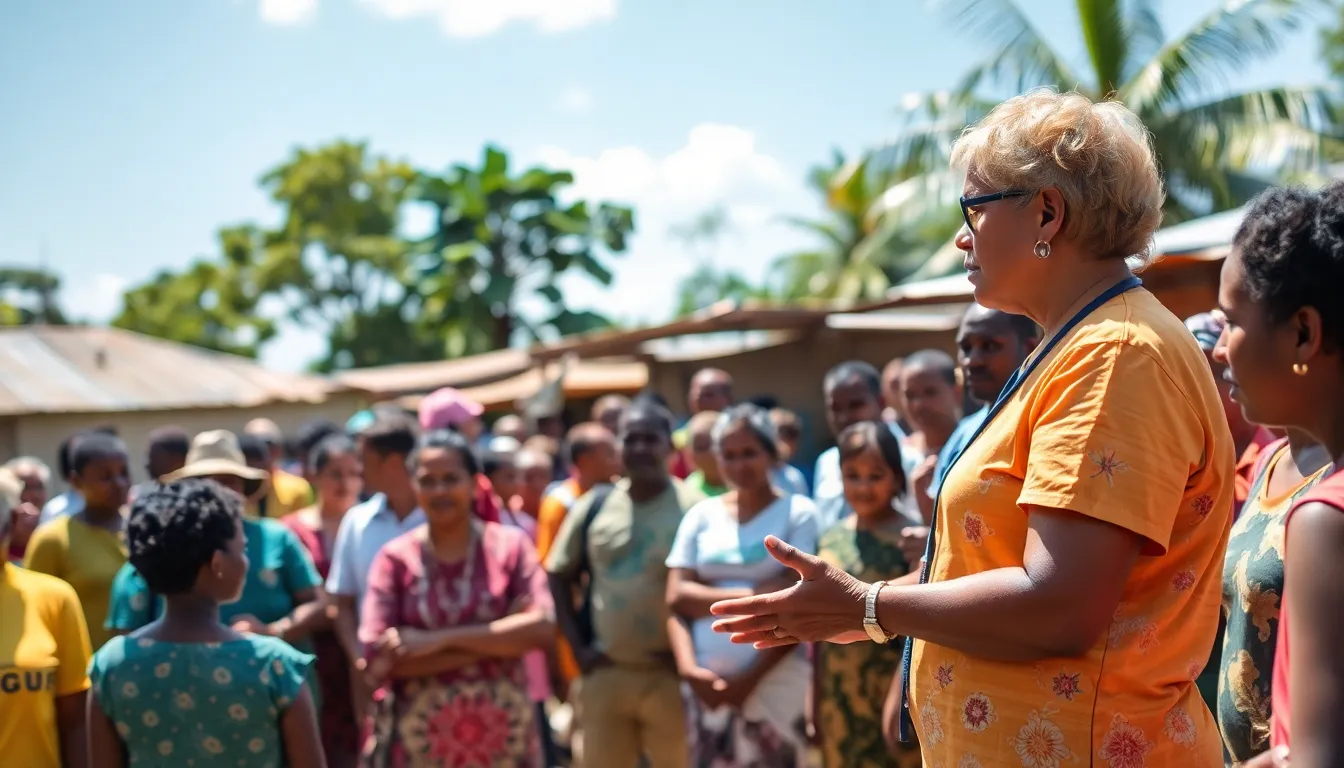
In the late 20th century, scientific consensus began to form around the idea that human activities, particularly the burning of fossil fuels, were significantly contributing to global warming. This realization prompted international discussions, culminating in milestones such as the Kyoto Protocol in 1997 and the Paris Agreement in 2015. These agreements aimed to mitigate climate change impacts, yet the persistent rise in global temperatures has continued to challenge these efforts, leading to an increase in heat-related deaths and the expansion of habitats suitable for mosquitoes.
The Economic Impact of Climate Change
The economic ramifications of climate change are profound, influencing health care costs and productivity. As temperatures rise, regions that were once temperate are becoming more hospitable to mosquitoes that carry diseases like malaria and dengue fever. The World Health Organization has estimated that climate change could lead to an additional 250,000 deaths per year between 2030 and 2050 due to heat exposure, malnutrition, and vector-borne diseases, reflecting the pressing concerns addressed in the power of storytelling in promoting sustainability.
Socially, the effects of climate change are disproportionately felt by vulnerable populations, particularly in developing countries where health infrastructure may be inadequate. As temperatures soar and disease-carrying vectors spread, the need for effective public health strategies becomes urgent. Historical precedents, such as the resurgence of malaria in Europe during warmer decades, serve as cautionary tales about the potential consequences of inaction on climate change.
In summary, the convergence of rising temperatures, increased mosquito populations, and heat-related health issues highlights the urgent need to address climate change as a public health crisis. Understanding the historical context and the milestones that have shaped our current response is essential for developing effective strategies to combat these looming threats.
Analyzing the stakeholders involved in public health and climate policy
Addressing the dual challenges of disease-carrying mosquitoes and heat-related deaths requires collaboration among various stakeholders, each with distinct interests and roles. Key actors include government agencies, public health organizations, environmental groups, and the private sector. Their involvement is crucial in formulating effective responses to rising temperatures and the associated health risks.
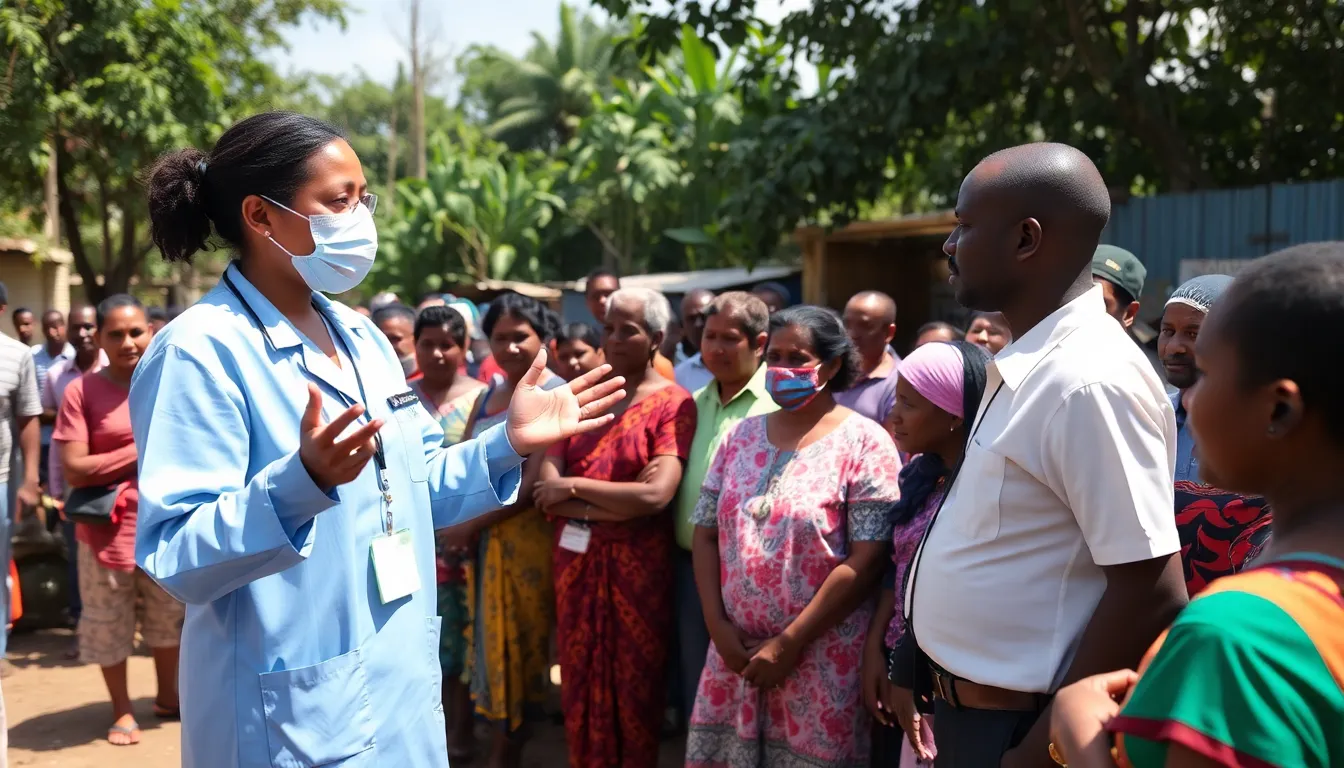
Government agencies, such as the Centers for Disease Control and Prevention (CDC) and local public health departments, are primarily focused on safeguarding public health. They aim to mitigate the spread of mosquito-borne diseases through surveillance, education, and vector control programs. However, limited funding and resource allocation can hinder their ability to respond effectively, leading to potential conflicts with community needs.
Environmental organizations advocate for policies that address climate change, recognizing its impact on public health. They emphasize the importance of sustainable practices and the reduction of greenhouse gas emissions to prevent further temperature increases. These groups often find themselves at odds with industries that prioritize short-term economic gains over long-term environmental health, creating a complex landscape of trade-offs.
The private sector, including pharmaceutical companies and technology firms, has a vested interest in developing solutions to combat mosquito-borne diseases and heat-related health issues. While innovation can lead to advancements in prevention and treatment, there are concerns about accessibility and affordability. The challenge lies in balancing profit motives with public health needs, particularly in low-income communities.
- Conflicting interests: The need for economic growth versus environmental sustainability.
- Resource allocation: Limited funding for public health initiatives amid rising temperatures.
- Technological innovation: The role of the private sector in developing affordable health solutions.
- Community engagement: Ensuring that local populations are informed and involved in health initiatives.
- Policy integration: The necessity for cohesive strategies that link climate action with public health outcomes.
Assessing the impact on vulnerable populations and healthcare systems
The rise in temperatures and the proliferation of disease-carrying mosquitoes pose significant risks to various groups, particularly vulnerable populations such as the elderly, children, and those with pre-existing health conditions. These individuals are more susceptible to heat-related illnesses and vector-borne diseases, increasing the strain on healthcare systems already stretched thin.
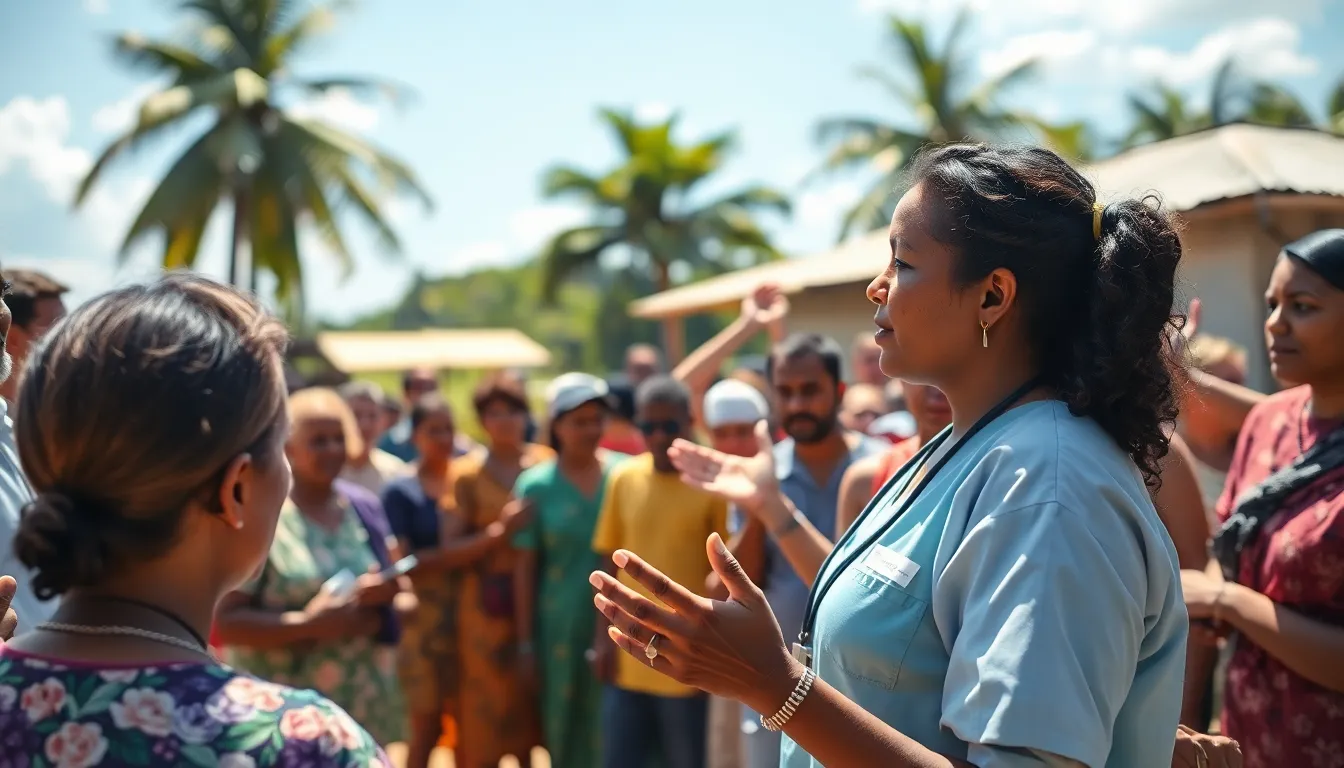
Regions with warmer climates or those experiencing unusual heat waves are particularly affected. Urban areas, where heat islands exacerbate temperature increases, may see a higher incidence of heat-related deaths. Additionally, rural communities could face challenges as mosquito populations expand, leading to outbreaks of diseases like West Nile virus and Zika.
- Short-term impacts: Increased hospital admissions due to heat strokes and mosquito-borne illnesses.
- Mid-term impacts: Strain on healthcare resources, leading to potential policy shifts in public health funding and infrastructure.
- Business impacts: Industries like agriculture may face crop losses due to pest infestations and changing weather patterns.
While the risks are substantial, there are also potential opportunities for businesses and policymakers. The demand for innovative pest control solutions and climate-resilient crops could lead to growth in the agricultural technology sector. Additionally, investments in public health initiatives and infrastructure improvements may enhance community resilience against these emerging threats.
Overall, the intersection of rising temperatures and mosquito-borne diseases underscores the need for proactive measures to protect vulnerable populations while also exploring avenues for economic growth and public health advancements.
A: Mosquitoes are known to transmit several diseases, including malaria, dengue fever, Zika virus, and West Nile virus. These diseases can have severe health impacts and can be exacerbated by rising temperatures. A: Extreme heat can lead to heat-related illnesses, such as heat exhaustion and heat stroke. Vulnerable populations, including the elderly and those with pre-existing health conditions, are at higher risk. A: Effective measures include community awareness programs, improving urban planning to reduce heat islands, and implementing mosquito control strategies. Public health policies must also adapt to changing climate conditions. A: Yes, regions with warmer climates and poor public health infrastructure are particularly vulnerable. Areas experiencing rapid urbanization may also see increased mosquito populations and heat-related health issues. A: Individuals can protect themselves by using insect repellent, wearing long sleeves and pants, and ensuring that their living environments are free of standing water where mosquitoes breed.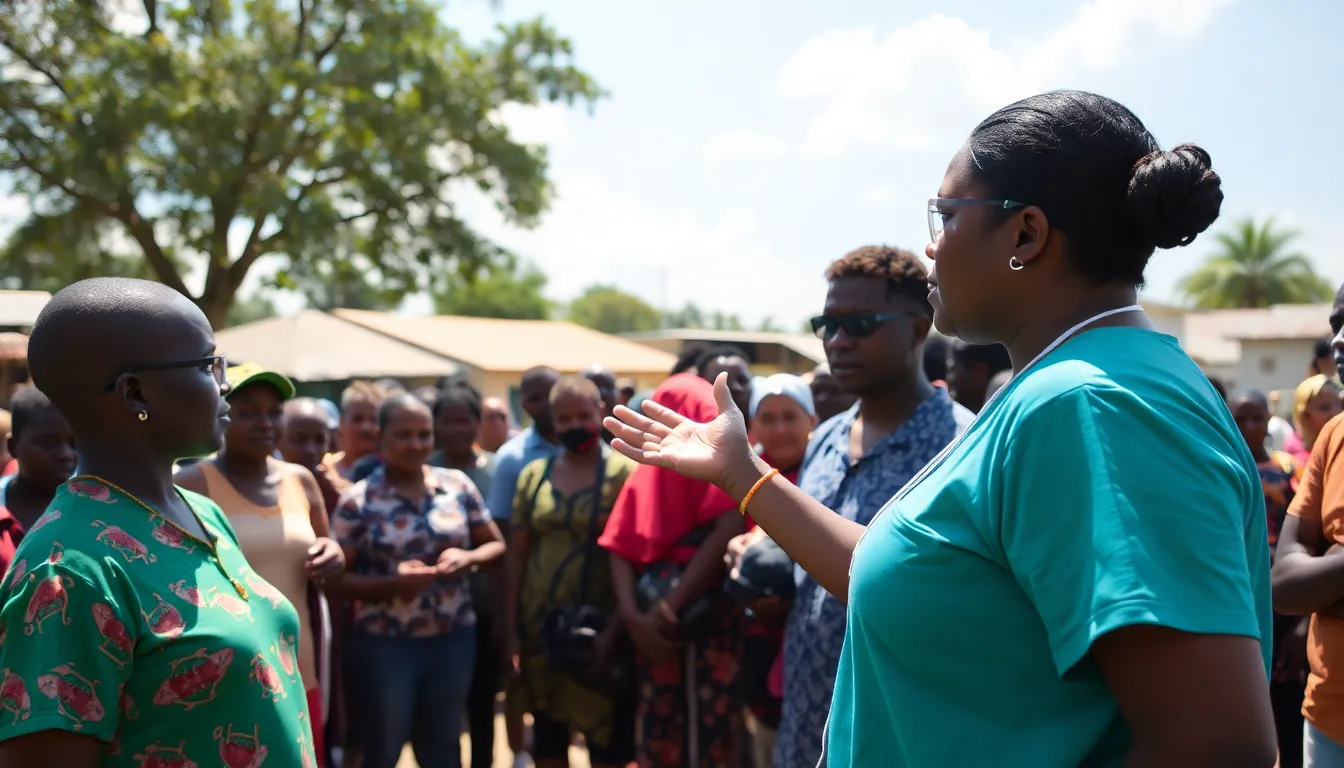
Frequently asked questions about mosquitoes and heat-related health risks
Key insights and future outlook on public health challenges
The intersection of rising temperatures and the proliferation of disease-carrying mosquitoes presents significant challenges for public health. As climate change continues to escalate, health systems must adapt to the dual threats of increased heat-related deaths and the spread of vector-borne diseases such as malaria and dengue fever. Understanding these trends will be crucial for developing effective strategies to mitigate risks and protect vulnerable populations.
Monitoring temperature fluctuations and mosquito populations will be essential in anticipating outbreaks and implementing timely interventions. Public awareness campaigns and community engagement will also play a vital role in enhancing preparedness and resilience against these emerging health threats.
- Increased Surveillance: Enhanced monitoring of mosquito populations and disease incidence will be critical in identifying hotspots and preventing outbreaks.
- Health Infrastructure Adaptation: Public health systems must prepare for the rising number of heat-related illnesses and invest in cooling centers and emergency response plans.
- Community Engagement: Educating communities about preventive measures against mosquito bites and heat stress can empower individuals to take proactive steps.
- Policy Development: Policymakers should prioritize climate-resilient health strategies that address both temperature extremes and vector-borne diseases.
- Research and Innovation: Continued investment in research for effective vaccines and treatments for mosquito-borne diseases is essential to safeguard public health.