
In the wake of the ceasefire, various factions within Iran, including the government and opposition groups, are assessing their positions. The Iranian government has expressed a willingness to engage in talks, while opposition leaders are cautiously optimistic about the prospects for lasting peace. The situation remains fluid, with both sides weighing their next moves in light of the new dynamics.
China’s role in facilitating the ceasefire has drawn attention, as it positions itself as a mediator in Middle Eastern conflicts. This involvement aligns with China’s broader strategy to expand its influence in the region, particularly through economic partnerships and energy agreements. The implications of this ceasefire extend beyond Iran, potentially reshaping alliances and power balances in the Middle East.
As the ceasefire holds, the international community is closely monitoring developments, with hopes that it may lead to a more stable environment. Analysts suggest that if the ceasefire proves durable, it could pave the way for future negotiations involving other regional players, including the United States and European nations. The coming weeks will be crucial in determining whether this moment of calm can translate into a more permanent peace framework.
Exploring the historical background of Iran’s conflicts
The complex tapestry of Iran’s geopolitical landscape is woven with threads of historical grievances, political maneuvering, and economic ambitions. Since the 1979 Islamic Revolution, Iran has positioned itself as a regional power, often clashing with Western interests and neighboring states. This has led to a series of conflicts and tensions, notably with Iraq, the United States, and more recently, various factions within the broader Middle Eastern context.
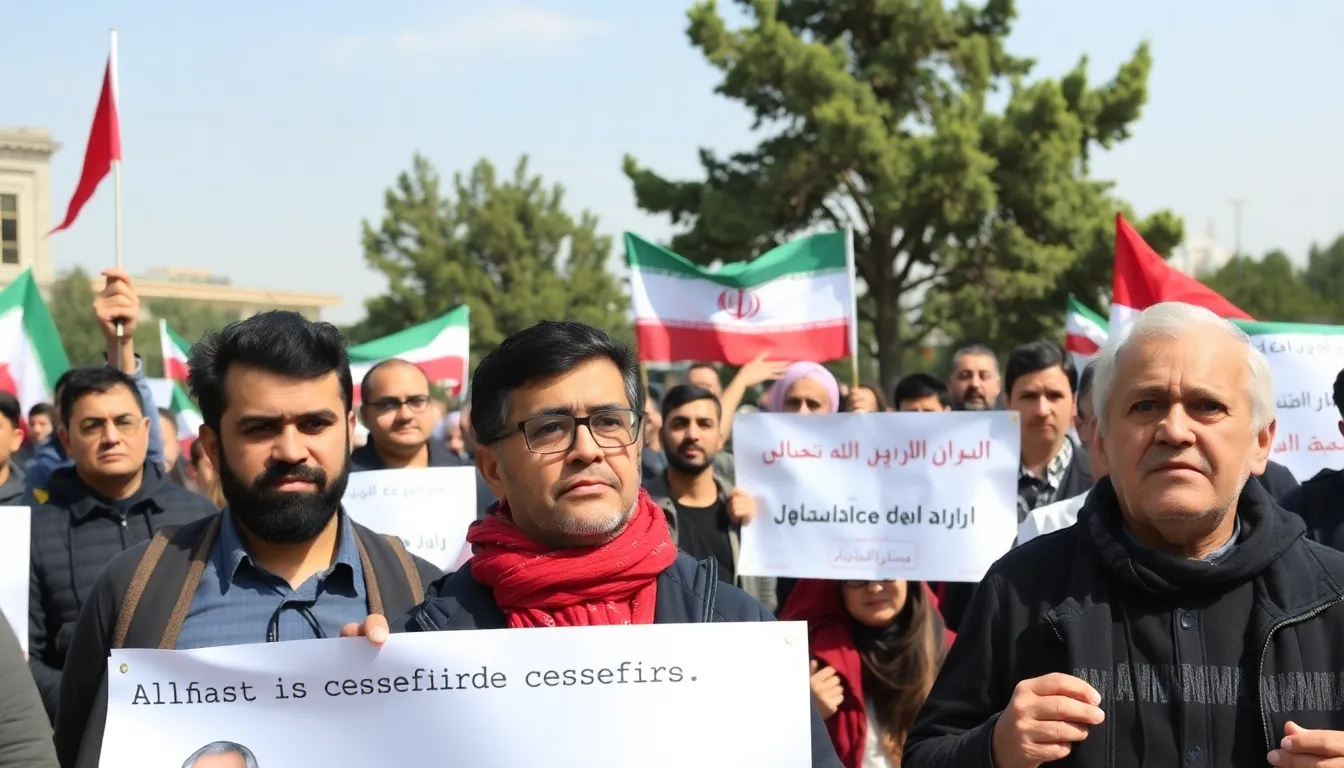
One significant milestone in Iran’s modern history is the Iran-Iraq War (1980-1988), which resulted in immense loss of life and resources, shaping Iran’s military and political strategies for decades. The war left deep scars and fostered a sense of vulnerability that has influenced Iran’s approach to foreign policy, leading to a pursuit of nuclear capabilities and alliances with non-state actors across the region.
Economic Factors and Sanctions
The imposition of international sanctions, particularly after the 2015 nuclear deal and its subsequent unraveling in 2018, has further complicated Iran’s economic landscape. These sanctions have crippled its economy, leading to widespread public discontent and calls for reform. However, this economic pressure has also prompted Iran to seek new partnerships, notably with China, which has emerged as a key ally willing to invest in Iranian infrastructure and energy sectors.
As tensions simmered, the recent ceasefire negotiations have opened a window for potential peace, but the ramifications extend beyond Iran’s borders. China’s increasing influence in the region, bolstered by its investments and diplomatic engagements, positions it as a potential mediator and benefactor. If the ceasefire holds, it may solidify China’s role as a significant player in Middle Eastern geopolitics, reshaping traditional alliances and power dynamics.
In this intricate setting, the question of who can claim victory extends beyond the immediate parties involved. It encompasses broader implications for regional stability, economic recovery, and the shifting balance of power, with China poised to emerge as a pivotal actor in the evolving narrative of Iran’s conflicts.
Analyzing the key stakeholders in the Iran ceasefire
The recent ceasefire in Iran marks a significant turning point, with multiple stakeholders vying for influence and potential gains. The primary actors include the Iranian government, regional powers, global superpowers, and various non-state actors. Each has distinct interests that shape their responses to the ceasefire.
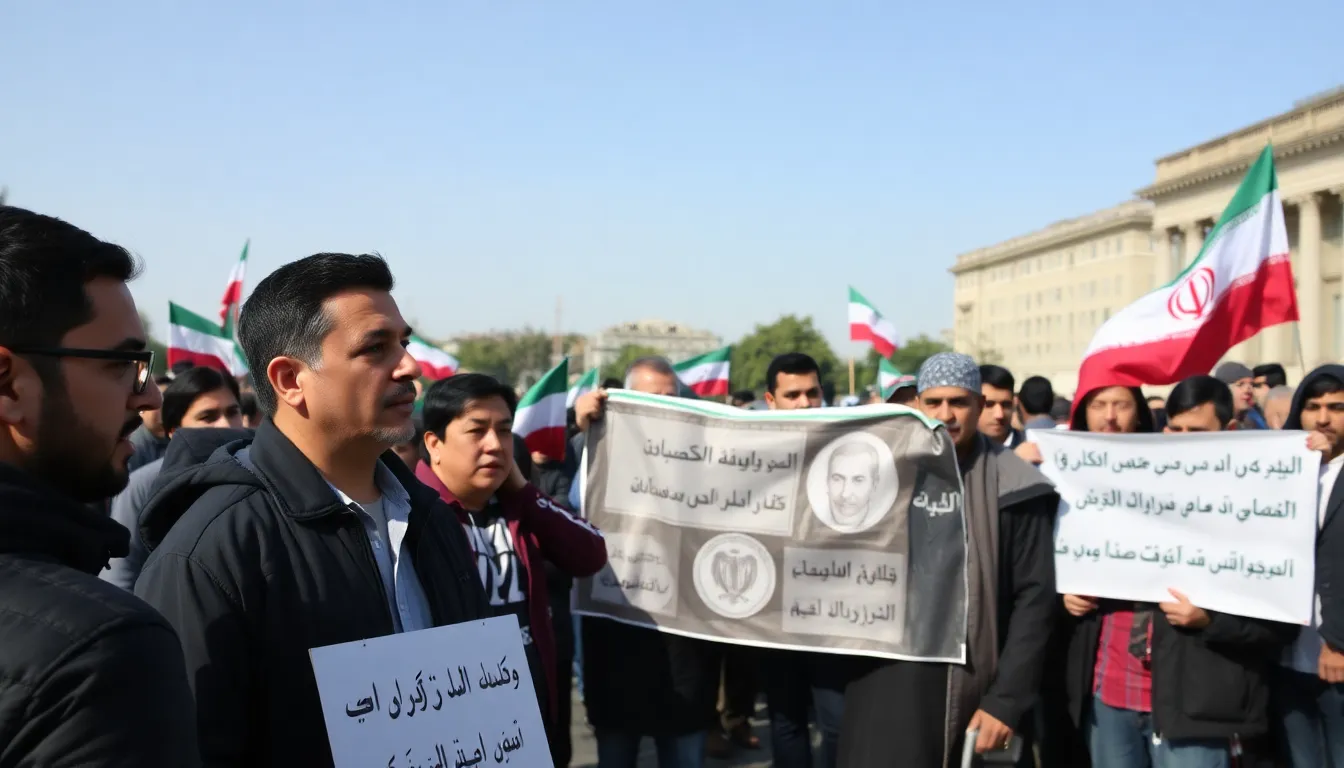
The Iranian government, led by President Ebrahim Raisi, seeks to stabilize its domestic situation and alleviate economic pressures exacerbated by sanctions. A successful ceasefire could bolster the regime’s legitimacy and open avenues for economic recovery through increased trade and investment.
China emerges as a crucial player, having positioned itself as a key ally to Iran. With its Belt and Road Initiative, China aims to deepen economic ties and secure energy resources. The ceasefire could enhance China’s influence in the region, allowing it to solidify its role as a mediator and economic partner.
- Regional Powers: Countries like Saudi Arabia and Israel are closely monitoring the ceasefire, concerned about Iran’s potential resurgence and its implications for regional security.
- U.S. Interests: The United States, while advocating for a strong stance against Iran, must balance its approach to avoid further destabilization in the Middle East.
- Non-State Actors: Various militia groups and factions within Iran will also play a role, as their interests may not align with the government’s objectives, potentially leading to internal conflicts.
Legal and economic ramifications are also significant. The ceasefire opens discussions on sanctions relief and potential trade agreements, which could redefine economic relationships in the region. However, any shifts must navigate the complex web of international law and geopolitical tensions, particularly concerning nuclear agreements and arms control.
Assessing the impact of the ceasefire on regional and global markets
The recent ceasefire in Iran has far-reaching implications for various groups and industries across the globe. Key stakeholders include neighboring countries in the Middle East, global oil markets, and major powers engaged in trade with Iran, particularly China. Each of these entities stands to gain or lose depending on the duration and stability of the ceasefire.
In the short term, local businesses in Iran may experience a resurgence as trade barriers begin to lower and foreign investments increase. The tourism sector, which has been significantly impacted by ongoing conflicts, could also see a boost as stability returns. Conversely, industries reliant on military contracts may face uncertainty as the demand for arms decreases.
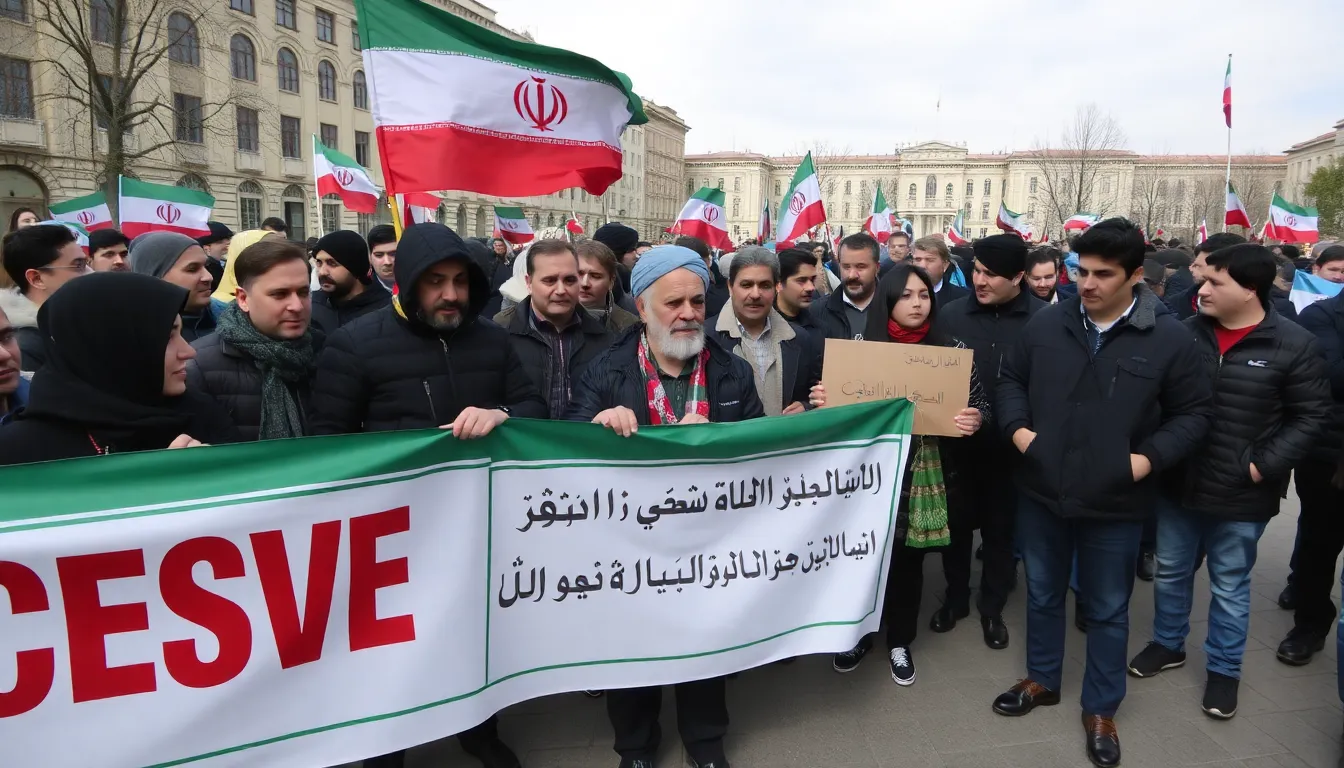
Mid-term impacts could reshape energy markets. Should the ceasefire hold, Iran’s oil exports may resume, leading to fluctuations in global oil prices. This could benefit countries that import Iranian oil, particularly in Asia, while potentially harming those reliant on higher-priced alternatives. Additionally, the geopolitical landscape may shift, with China emerging as a key player in facilitating trade and investment in the region.
- Short-term opportunities: Increased foreign investment in Iranian businesses.
- Mid-term risks: Potential destabilization if ceasefire fails.
- Energy market shifts: Fluctuations in global oil prices.
- Geopolitical changes: Strengthened China-Iran relations.
The implications of this ceasefire extend beyond immediate economic benefits. If stability persists, it may lead to a reevaluation of foreign policies in the region, prompting other nations to engage more constructively with Iran. However, the risks of renewed conflict remain, which could derail any positive momentum and lead to a return to isolation for Iran.
A: The Iran ceasefire is primarily driven by a desire for stability in the region, economic pressures, and international diplomatic efforts aimed at reducing tensions. A: China’s involvement is significant as it seeks to expand its influence in the Middle East, potentially benefiting from improved trade relations and energy partnerships. A: If the ceasefire fails, it could lead to renewed conflict, destabilization of the region, and negative impacts on global oil markets. A: Other key players include the United States, Russia, and various regional powers that have vested interests in the outcome of the ceasefire. A: A sustained ceasefire could lead to economic recovery for Iran, attracting foreign investment and improving trade opportunities.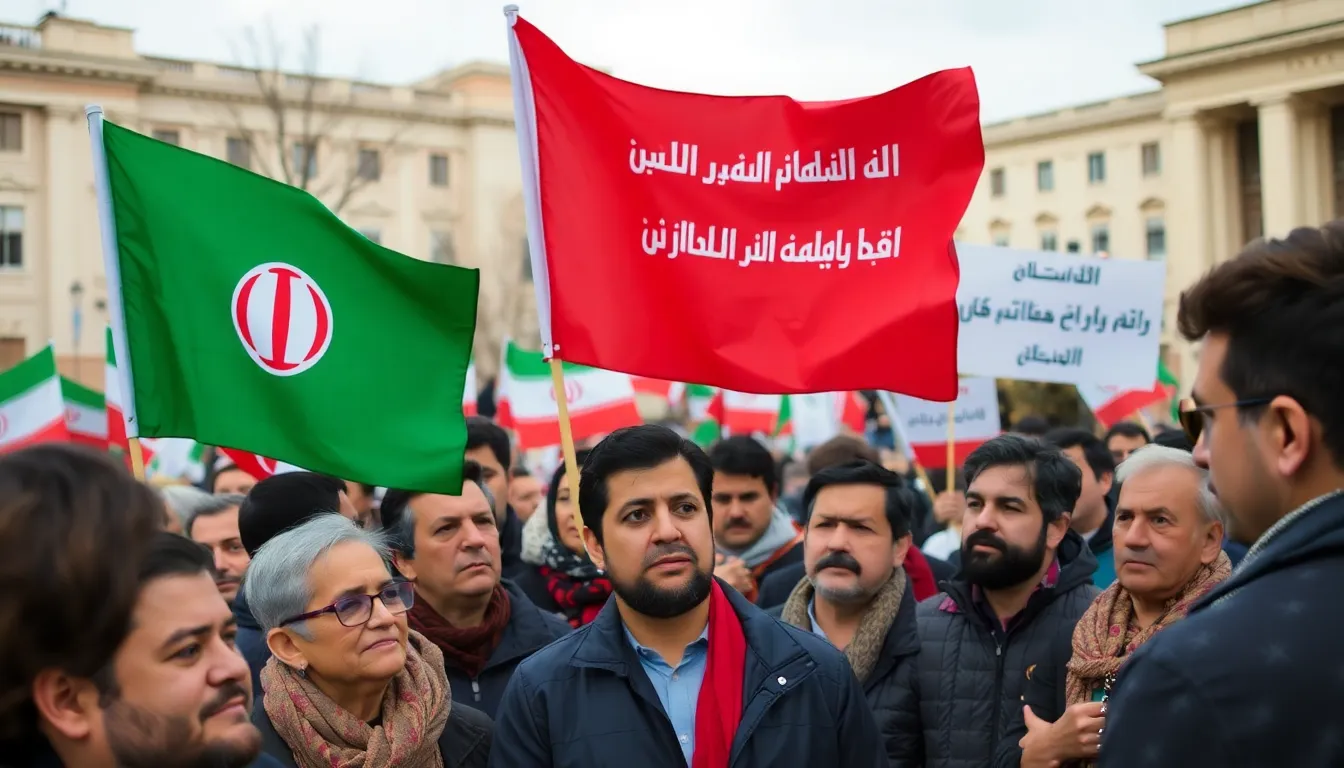
Frequently asked questions about the Iran ceasefire
Key insights and future outlook on the Iran ceasefire
The potential for a lasting ceasefire in Iran presents significant geopolitical shifts, particularly in relation to the roles of major powers like China and the United States. As the situation unfolds, the implications of this ceasefire extend beyond regional stability, impacting global energy markets and international diplomatic relations. China’s emerging influence in mediating the situation positions it as a key player, potentially reshaping alliances and economic partnerships in the Middle East.
Monitoring the developments surrounding the ceasefire will be crucial, as the responses from Western nations and regional actors will dictate the future landscape of diplomacy and trade. The interplay between Iran’s internal politics and external pressures will also be pivotal in determining whether this ceasefire can lead to a more comprehensive resolution of long-standing tensions.
- China’s Increased Influence: Watch for China’s growing role in Middle Eastern diplomacy, as it seeks to solidify its position as a mediator and economic partner.
- Impact on Global Energy Markets: The stability of Iranian oil exports could influence global oil prices and energy security, warranting close observation.
- Western Response: The reactions from the U.S. and its allies will be critical in shaping future negotiations and potential sanctions.
- Regional Dynamics: Pay attention to how neighboring countries respond to the ceasefire, as their actions could either support or undermine the peace process.
- Internal Iranian Politics: The interplay of domestic factions within Iran will be essential in determining the sustainability of the ceasefire and any subsequent agreements.