
The inquiry into Altman’s credibility is significant as it could impact the outcome of the case, which has drawn considerable attention from the tech industry and legal experts alike. For more context on the ongoing developments, see Elon Musk’s lawyer questions Sam Altman on trustworthiness.
As Musk’s legal team seeks to establish a narrative of mistrust, Altman has defended his record and the integrity of his work at OpenAI. The implications of this case extend beyond the immediate parties involved, potentially influencing public perception and regulatory scrutiny of AI companies and their leaders.
The court proceedings are expected to continue over the coming weeks, with both sides preparing to present further evidence and witness testimonies. Stakeholders in the technology sector are closely monitoring the developments, as the outcome may set important precedents for future legal disputes in the rapidly evolving field of artificial intelligence.
Understanding the background of the Musk-Altman legal confrontation
The legal confrontation between Elon Musk and Sam Altman has emerged against a backdrop of rapid advancements in artificial intelligence and the ethical dilemmas that accompany them. As the leaders of two of the most influential tech companiesMusk with Tesla and SpaceX, and Altman with OpenAIboth executives have been at the forefront of discussions about the future of AI, its potential, and its risks. This confrontation is not just a personal dispute; it reflects broader societal concerns about trust, accountability, and the role of technology in our lives.
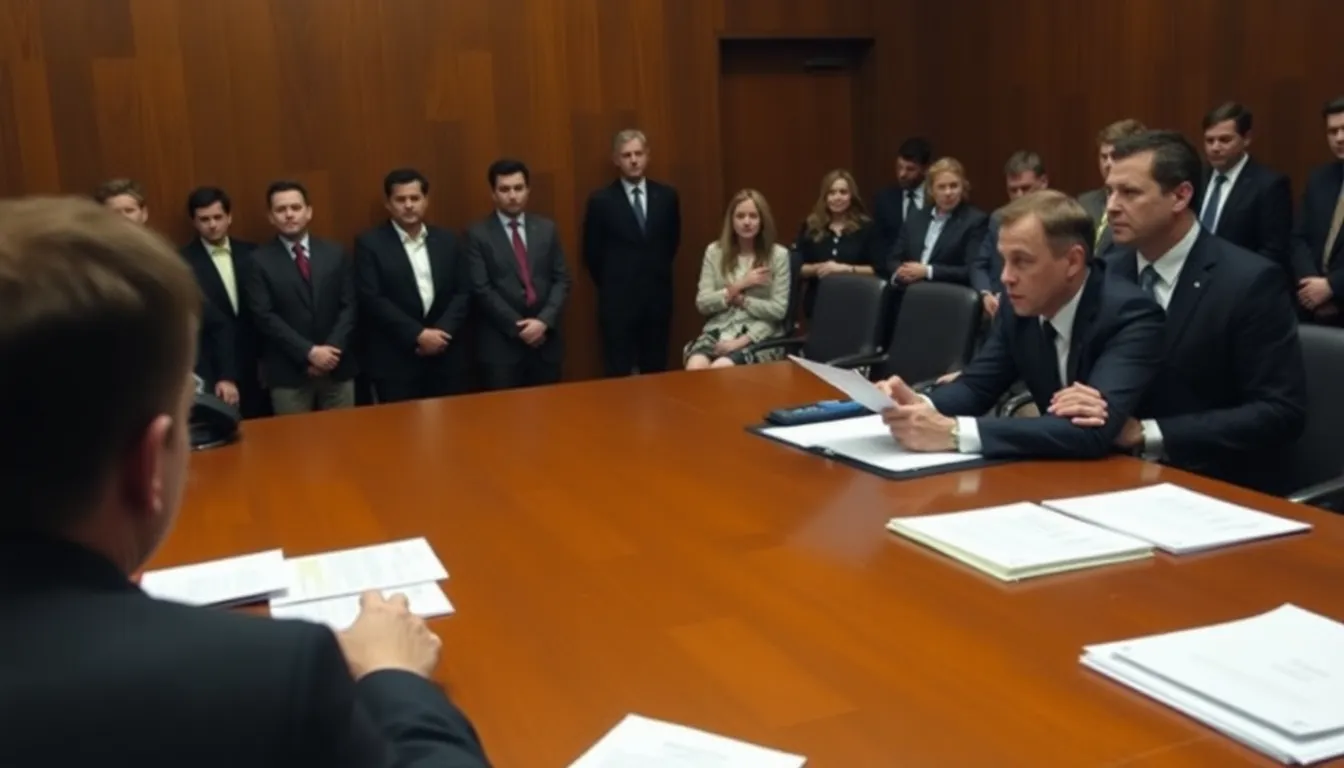
The roots of this legal battle can be traced back to the differing philosophies of Musk and Altman regarding AI development. Musk has often expressed caution, warning that unchecked AI could pose existential risks to humanity. In contrast, Altman has advocated for a more optimistic view, emphasizing the benefits of AI while also recognizing the need for responsible governance. Their divergent perspectives have fueled tensions, particularly as the technology has evolved and its implications have become more pronounced; as further evidenced in Elon Musk and Jensen Huang’s significant China trip.
Key milestones in the relationship between Musk and Altman include Musk’s decision to step down from OpenAI’s board in 2018, citing concerns about the organization’s direction. This move marked a significant shift, as Musk had initially been a major proponent of OpenAI’s mission to ensure that AI benefits all of humanity. The split has since been characterized by public statements and criticisms, culminating in the current legal proceedings where Musk’s legal team is questioning Altman’s credibility and trustworthiness.
The Broader Context of AI Regulation
This confrontation is set against a larger backdrop of increasing calls for regulation in the AI sector. As AI technologies become more integrated into everyday life, lawmakers and industry leaders are grappling with how to create frameworks that ensure safety and ethical use. The legal questioning of Altman reflects these tensions, as stakeholders seek to understand who can be trusted to lead in this rapidly evolving field. The outcome of this legal battle may have implications not only for the individuals involved but also for the future of AI governance and the tech industry as a whole.
Analyzing the implications of trust in technology leadership
The recent inquiry by Musk’s legal representative regarding Sam Altman’s trustworthiness highlights the growing scrutiny on leaders in the technology sector. As these individuals wield significant influence over innovations that impact society, the question of trust becomes crucial. This situation illustrates the complex interplay between personal integrity, corporate governance, and public perception.
Key actors in this scenario include Elon Musk, a prominent figure in the tech industry known for his ambitious ventures, and Sam Altman, CEO of OpenAI, a leading organization in artificial intelligence development. Their interests diverge, with Musk focusing on the ethical implications and potential risks of AI, while Altman emphasizes the benefits of AI advancements. This divergence can lead to conflicts, particularly when public safety and ethical considerations are at stake.

Several key issues arise from this situation:
- Accountability: Who is responsible when technology leads to unforeseen consequences?
- Transparency: How much information should tech leaders disclose about their operations and intentions?
- Public Trust: Can technology leaders maintain the public’s confidence amidst growing skepticism?
- Regulatory Oversight: What role should governments play in monitoring and regulating tech developments?
Furthermore, the legal implications of trust in leadership can be profound. If Altman is deemed untrustworthy, it could lead to legal challenges for OpenAI, impacting its operations and partnerships. Conversely, if Musk’s claims are seen as unfounded, it may damage his credibility and influence in the tech community. This scenario underscores the delicate balance between competition and collaboration in the rapidly evolving tech landscape, particularly as stakeholders and consumers are increasingly invested in ethical considerations.
Potential impacts on the tech industry and public perception
The ongoing legal scrutiny surrounding prominent tech figures like Sam Altman has far-reaching implications for various stakeholders in the industry. Investors, tech companies, and consumers are all affected by the unfolding narrative regarding trustworthiness and ethical leadership. As public figures in technology face increased scrutiny, the question of accountability becomes central to the industry’s future.
In the short term, the legal proceedings may create a ripple effect across the tech sector, leading to heightened caution among investors. Companies may experience a temporary dip in stock prices as uncertainty looms over their leadership integrity. Additionally, startups may find it challenging to secure funding as investors become more discerning about who they back, prioritizing trustworthy leaders.
Mid-term impacts could involve shifts in policy and regulation as lawmakers respond to the heightened awareness of ethical standards in technology. This could lead to stricter governance frameworks and compliance requirements for tech companies, particularly those involved in AI and data privacy. The potential for increased regulation may also stifle innovation if companies become overly cautious in their approach.
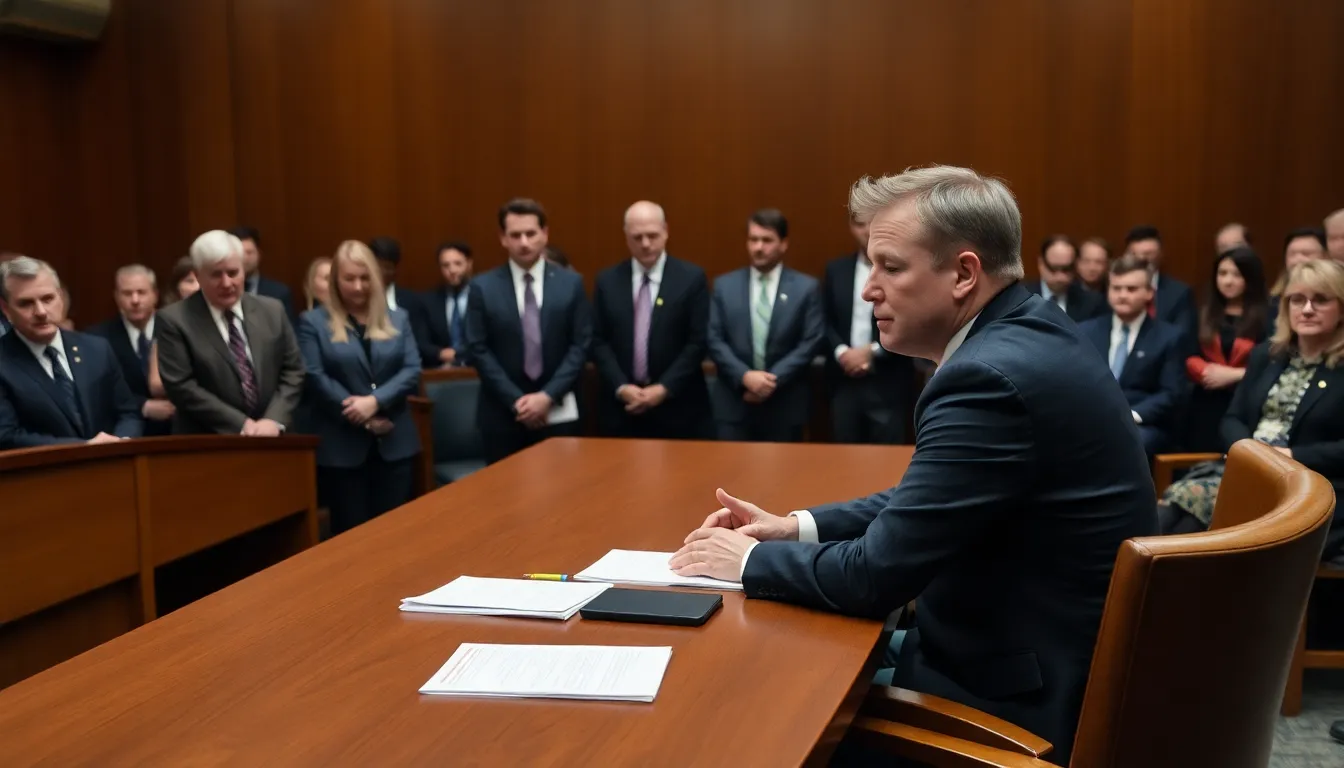
- Risks: Potential decline in investment due to perceived instability.
- Risks: Increased regulatory scrutiny that could hinder innovation.
- Opportunities: A chance for companies to enhance transparency and build consumer trust.
- Opportunities: Growth in sectors focused on ethical technology and responsible AI.
As the public grapples with these issues, consumer trust in technology companies may waver, leading to a demand for greater accountability. Companies that proactively address these concerns and demonstrate ethical practices may find themselves at a competitive advantage in attracting both consumers and investors. The outcome of this legal inquiry could fundamentally reshape the landscape of the tech industry, influencing how businesses operate and engage with the public.
A: The question arose during a legal dispute involving Elon Musk and Sam Altman, focusing on the credibility of tech leaders in high-stakes environments. A: This case could lead to increased scrutiny of tech executives and their decision-making processes, potentially impacting consumer trust. A: The case highlights the importance of accountability and transparency in tech leadership, which could influence future regulations. A: Depending on the case’s outcome, there could be reputational damage and possible legal ramifications for Altman. A: It underscores the growing intersection of technology and legal frameworks, emphasizing the need for ethical standards in the industry.
Frequently Asked Questions about the Musk-Altman case
Key takeaways and future implications of the court case
The ongoing court case, highlighted by Musk’s lawyer’s probing question regarding Sam Altman’s trustworthiness, serves as a critical juncture in the discourse surrounding leadership in tech. As the trial unfolds, it is likely to set precedents for how accountability and transparency are perceived in the rapidly evolving landscape of artificial intelligence and technology.
Stakeholders should closely monitor the implications of this case, particularly regarding the standards of trust and ethical responsibility that tech leaders are expected to uphold. The outcomes may influence not only corporate governance but also public perception of trust in technology and its leaders.
- Watch for potential shifts in corporate governance standards as a result of the trial’s findings.
- Consider how this case may impact public trust in AI and technology firms moving forward.
- Observe the reactions of investors and stakeholders, which could lead to changes in leadership dynamics within tech companies.
- Monitor discussions around ethical practices in technology that may arise from the court’s conclusions.
- Anticipate increased scrutiny of executive accountability in the tech industry as a broader trend following this case.