
One of the most significant events occurred in May 2022, when the Pentagon established the All-domain Anomaly Resolution Office (AARO) to streamline the investigation of UAPs. This initiative aims to enhance transparency and address national security concerns, as some of these phenomena have been observed near military installations and training exercises. The establishment of AARO reflects a growing recognition of the potential implications these sightings may have on airspace safety, which is a central theme in recent discussions about national security.
Additionally, the recent release of military footage showing flying objects exhibiting unusual flight patterns has sparked renewed public interest and speculation. Eyewitness accounts from Navy pilots describe objects that can maneuver in ways that defy known technology, such as rapid acceleration and sudden direction changes. These accounts raise questions about the nature of these phenomena and whether they could represent advanced technology from foreign adversaries or something entirely unknown.
The ongoing discourse surrounding UFOs has also prompted congressional hearings, with lawmakers seeking to understand the implications of these sightings. In July 2022, a hearing was held to discuss the government’s approach to UAPs, emphasizing the need for further research and data collection. This increased governmental focus indicates a shift towards a more serious and open dialogue about the existence and origin of these unidentified objects, similar to the conversation sparked by the recent release of a controversial Pentagon report.
Historical background of UFO investigations
The fascination with unidentified flying objects (UFOs) dates back to the early 20th century, becoming particularly pronounced after World War II. The term “flying saucer” entered popular culture in 1947 when a private pilot, Kenneth Arnold, reported seeing nine crescent-shaped objects near Mount Rainier in Washington. This incident sparked widespread interest and numerous sightings, leading to the establishment of government investigations.
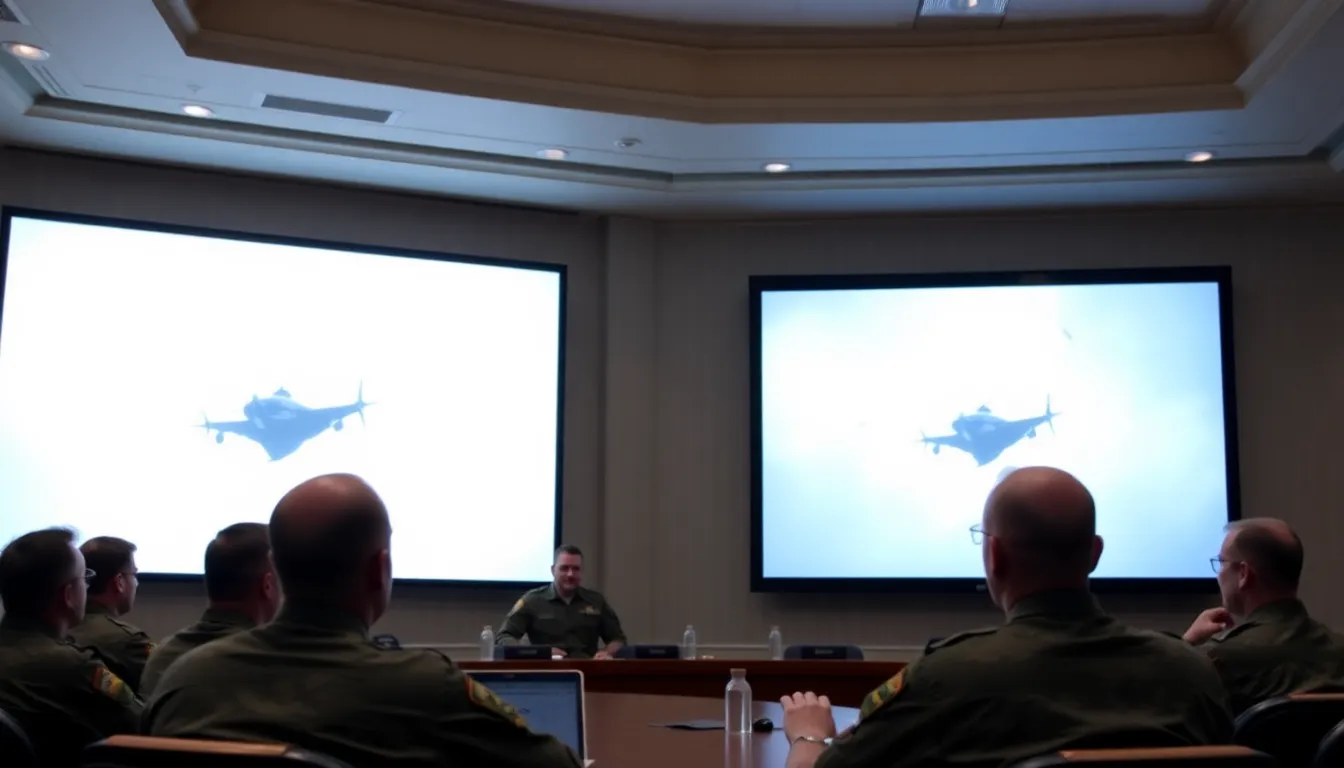
In 1948, the U.S. Air Force initiated Project Sign, the first formal investigation into UFO reports. This was followed by Project Grudge in 1949, which aimed to debunk sightings rather than investigate them thoroughly. The culmination of these efforts was Project Blue Book, launched in 1952, which documented over 12,000 sightings until its closure in 1969. While the official stance was that most sightings could be explained by natural phenomena or misidentifications, public intrigue continued to grow.
The Cold War and UFOs
The geopolitical climate of the Cold War significantly influenced UFO investigations. As tensions between the U.S. and the Soviet Union escalated, many Americans became convinced that UFOs could be advanced technology developed by enemy nations. This belief led to increased military scrutiny and a focus on national security, prompting the Pentagon to investigate sightings more seriously, reminiscent of the details found in investigations like Project Blue Book.
In recent decades, the conversation surrounding UFOs has shifted from mere speculation to serious inquiry. The release of previously classified documents by the Pentagon has reignited public interest and debate. These documents, revealing encounters between military personnel and unidentified aerial phenomena (UAP), suggest that the government has been monitoring these incidents more closely than previously acknowledged. This shift in transparency marks a significant milestone in the ongoing dialogue about UFOs and their implications for national security and scientific inquiry.
As society evolves, so does the interpretation of UFO phenomena. The intersection of technology, culture, and politics continues to shape the narrative surrounding UFOs, making it a complex and ever-relevant topic in contemporary discourse. The recent release of Pentagon documents not only sheds light on past investigations but also raises new questions about the future of UFO research and its potential implications for humanity.
Key stakeholders and their perspectives on UFOs
The recent release of UFO documents by the Pentagon has ignited a myriad of interests among various stakeholders, each with their own perspectives and motivations. These stakeholders include government agencies, military personnel, scientists, and the general public, all of whom engage with the phenomenon of unidentified flying objects in different ways.
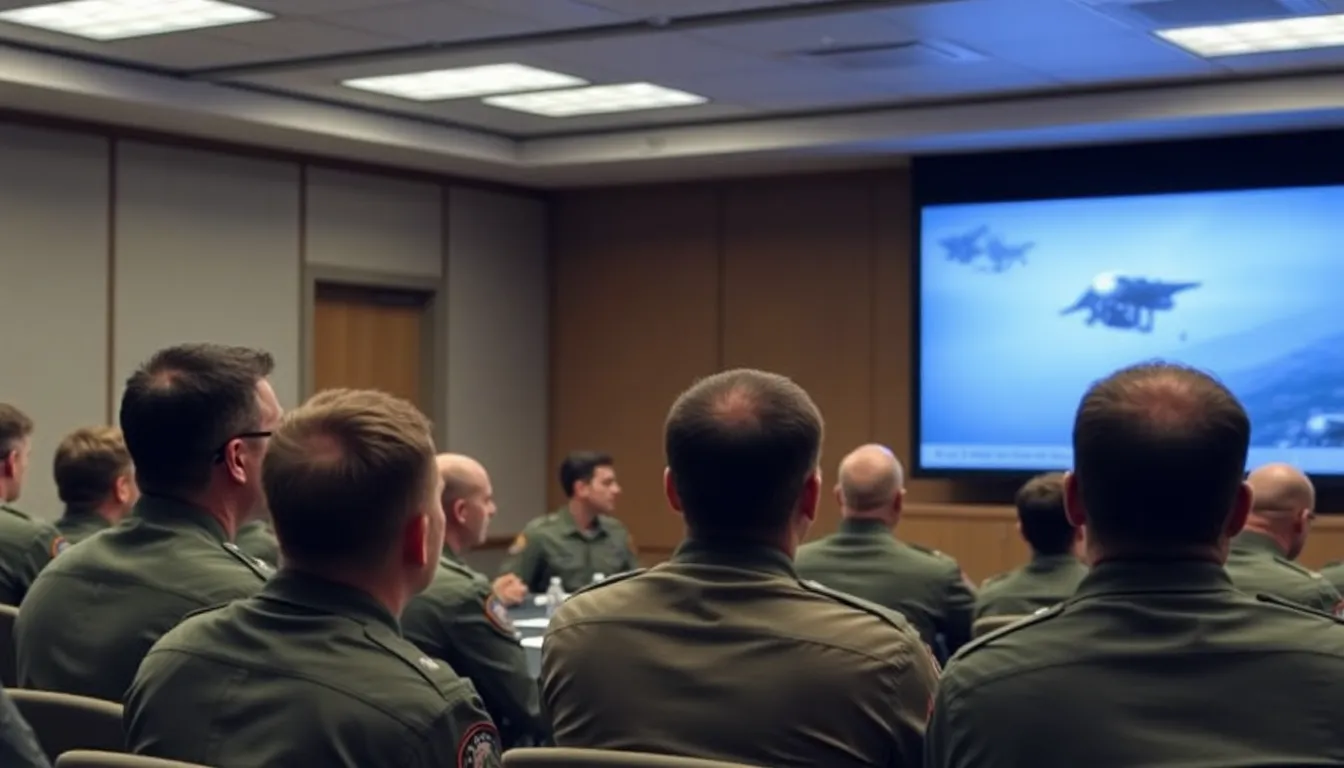
Government agencies, particularly the Pentagon and other defense organizations, are primarily concerned with national security. They seek to understand the nature of these unidentified aerial phenomena (UAP) to assess potential threats. Their interest lies in gathering data to ensure that these objects do not pose risks to airspace security or public safety.
On the other hand, scientists and researchers are driven by a quest for knowledge and understanding. They aim to investigate the scientific implications of UAP sightings and the potential for new technologies. This group often emphasizes the importance of rigorous data analysis and peer-reviewed research to separate credible evidence from sensational claims.
- Conflicts of Interest: The military’s focus on national security may conflict with the scientific community’s aim for open inquiry and transparency.
- Public Curiosity: The general public is fascinated by UFOs, leading to a demand for more information and transparency from government sources.
- Economic Implications: The defense industry may see economic opportunities in developing technologies related to UAP detection and analysis.
Legal issues also emerge as a significant factor in the discussion around UFOs. The classification of information regarding UAPs can hinder transparency, creating a barrier between the government and the public. Moreover, there are ethical considerations regarding the right to access information that could impact public perception and policy.
In summary, the interplay between these stakeholders highlights a complex landscape of interests and concerns surrounding UFOs. Understanding these dynamics is essential for grasping the broader implications of the Pentagon’s recent disclosures.
Implications for national security and public perception
The recent release of UFO documents by the Pentagon has significant implications for various groups, industries, and regions. National security agencies, defense contractors, and the general public are all affected by the information disclosed. As these documents shed light on unidentified aerial phenomena, they raise questions about airspace security and the potential for foreign adversaries to exploit these occurrences.
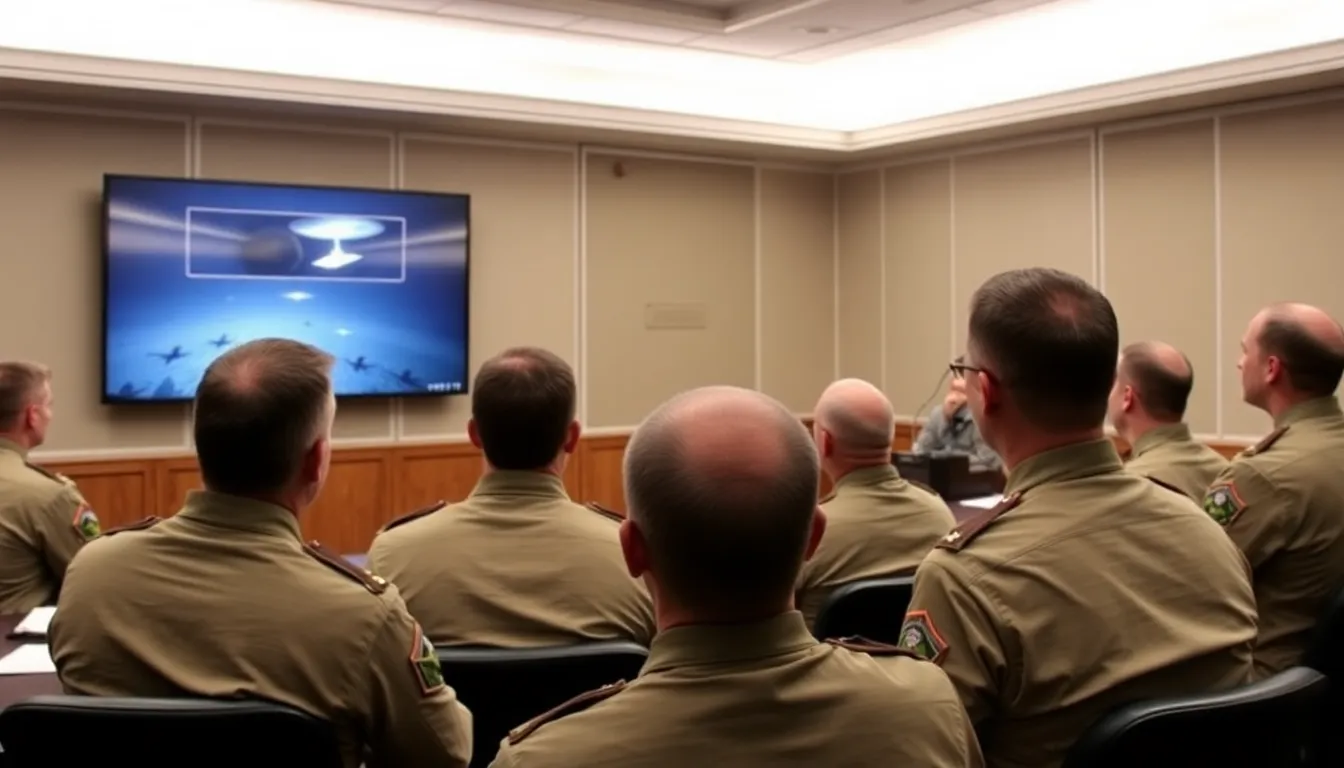
In the short term, the public’s perception of UFOs and government transparency may shift dramatically. Increased media coverage and public interest could lead to a surge in demand for information about unidentified flying objects. This may prompt government agencies to adopt more open policies regarding the sharing of information, as citizens seek clarity and assurance about safety in the skies.
Industries such as aerospace and defense may also feel immediate impacts. Companies involved in aviation technology and surveillance may find new opportunities to develop advanced detection systems or countermeasures. As a result, there could be a push for innovation and investment in technologies that enhance airspace monitoring and security.
- Short-term impacts: Increased public interest in UFO phenomena, potential policy changes regarding information transparency.
- Mid-term impacts: Growth in aerospace technology sectors, heightened national security measures.
- Risks: Heightened anxiety among the public regarding air safety, potential misallocation of defense resources.
- Opportunities: New business ventures in aerospace innovation, collaboration between government and private sectors.
Regions with military bases or significant aerospace industries may experience both economic boosts and increased scrutiny. Local economies could benefit from new contracts and research initiatives, while communities may also face challenges related to heightened security measures and public concern over unidentified aerial phenomena.
A: The documents highlight numerous sightings of unidentified aerial phenomena, often described as hovering objects and flashing lights, which remain unexplained. A: The government categorizes UFO sightings based on their potential threat level, with some incidents investigated more thoroughly than others. A: The release of these documents has sparked increased interest and curiosity among the public, leading to a broader discussion about the existence of extraterrestrial life. A: Yes, various government agencies continue to investigate reported sightings, and there are calls for more transparency regarding these investigations. A: Future research may involve more collaboration between government and scientific communities, potentially leading to new discoveries about aerial phenomena.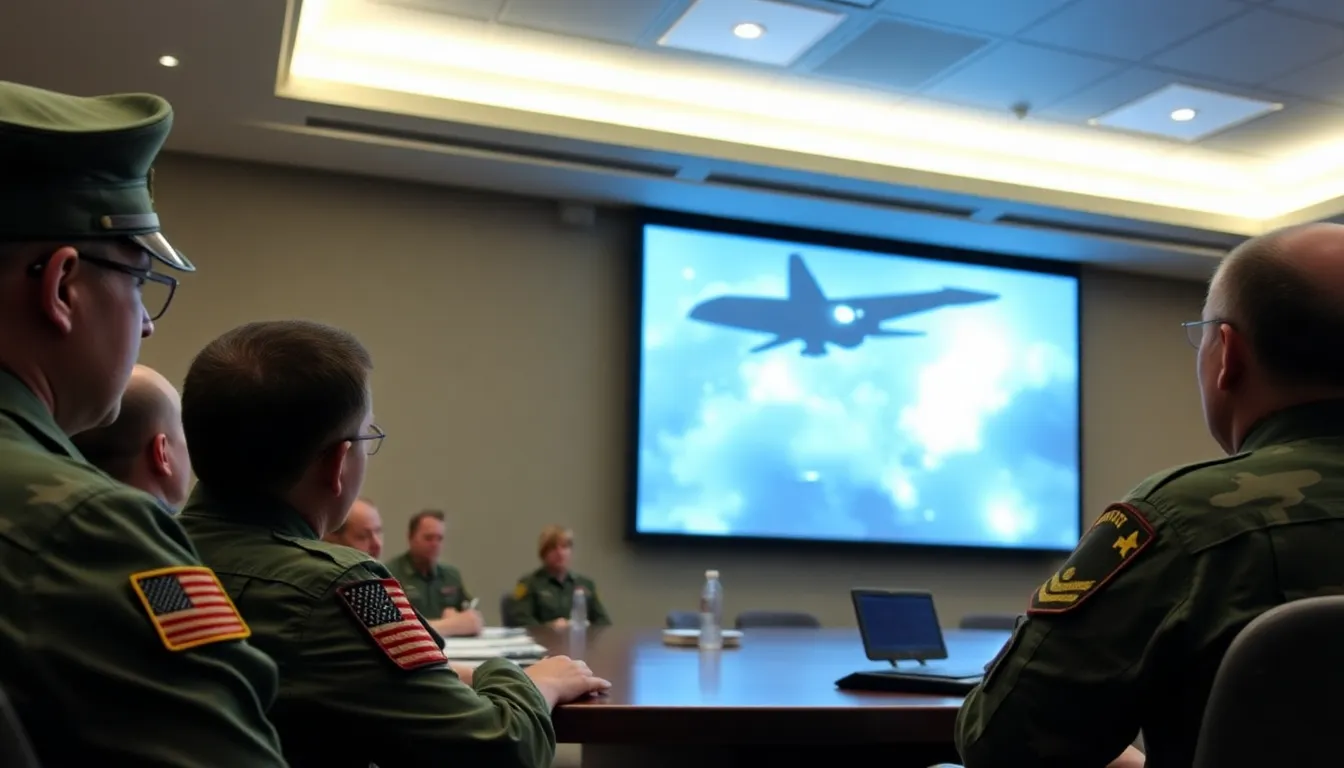
Frequently asked questions about UFOs and Pentagon documents
Key takeaways and future outlook on UFO research
The recent release of UFO documents by the Pentagon has shed light on phenomena that have long captivated public interest and speculation. These findings not only validate the existence of unidentified aerial phenomena but also prompt a deeper inquiry into their nature and implications for national security and scientific exploration. As we move forward, the intersection of technology, defense, and the potential for extraterrestrial life will continue to shape our understanding of these mysterious sightings.
Future research will likely focus on the technological advancements that can enhance detection and analysis of these phenomena, as well as the need for collaborative efforts among governments, scientists, and researchers worldwide. The implications of these findings extend beyond mere curiosity; they challenge our perceptions and could redefine our place in the universe.
- Increased funding for research: Expect a push for more resources directed towards studying UFO phenomena, which may lead to advancements in aerospace technology.
- Interagency collaboration: Future investigations may involve multiple governmental agencies working together to analyze sightings and data more comprehensively.
- Public engagement: As transparency increases, public interest and engagement in UFO research are likely to rise, prompting discussions on societal implications.
- Technological innovation: The need for improved detection methods could spur innovation in radar and sensor technology, with applications beyond UFO research.
- Global perspective: The international community may begin to collaborate more closely on UFO investigations, recognizing that these phenomena are not confined to national borders.