
The delegation highlights the growing concern among American business leaders regarding the impact of geopolitical tensions on trade and investment opportunities in China. As the world’s second-largest economy, China remains a critical market for many U.S. companies, and these CEOs are seeking to foster dialogue and collaboration. For a deeper understanding of global trade dynamics, consider exploring Understanding the Global Story.
During the trip, discussions are expected to focus on key topics such as semiconductor manufacturing, renewable energy, and artificial intelligence. The presence of influential figures like Musk and Huang signals the importance of these sectors in shaping future economic relations and technological advancements.
This visit comes at a time when both countries are navigating complex challenges, including tariffs, supply chain disruptions, and regulatory hurdles. By engaging directly with Chinese officials, the CEOs hope to pave the way for more stable and productive interactions between the U.S. and China.
The outcome of this diplomatic mission could have far-reaching implications for global markets and the tech industry, as both nations strive to balance competition with cooperation in an increasingly interconnected world.
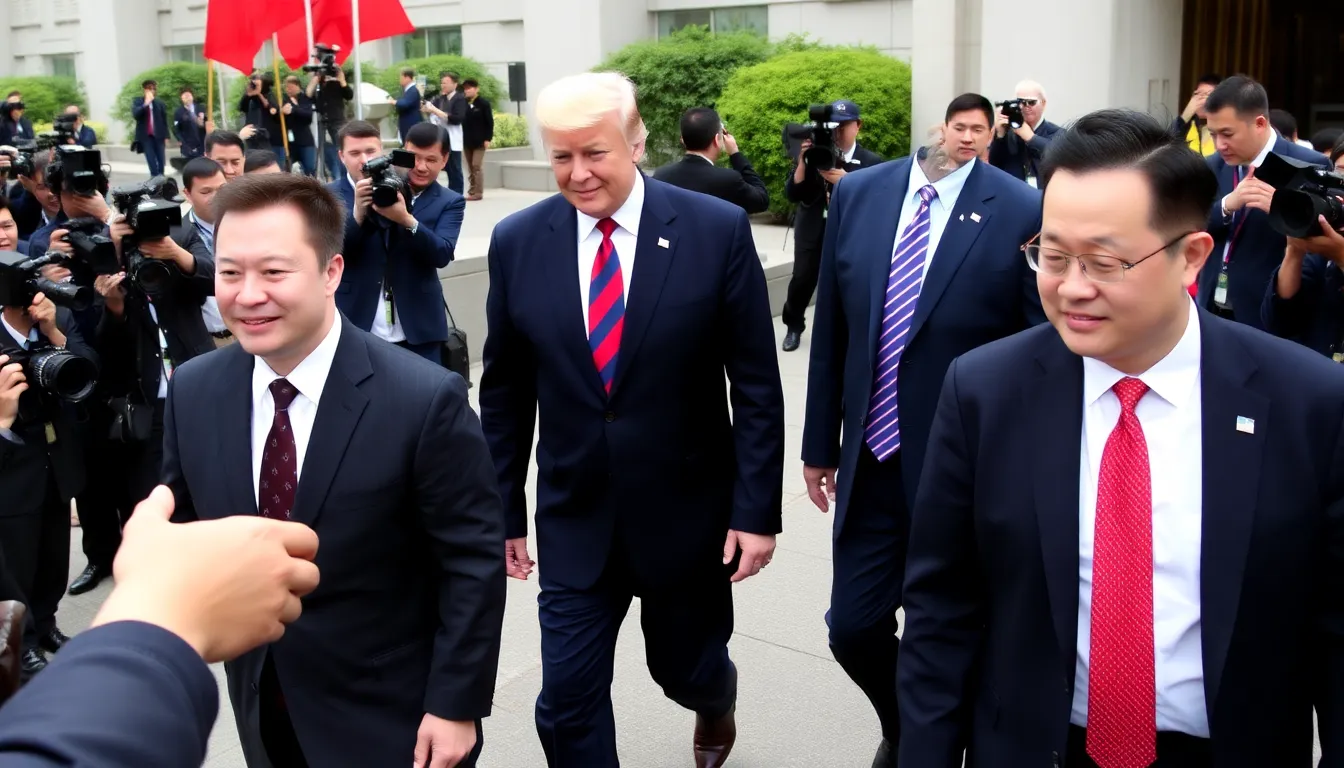
Understanding the backdrop of US-China relations
The relationship between the United States and China has been characterized by a complex interplay of cooperation and competition. Historically, the two nations have navigated a landscape of economic interdependence while simultaneously facing significant political and ideological differences. The normalization of relations in the 1970s marked a pivotal moment, leading to increased trade and diplomatic engagement, which laid the groundwork for the economic boom that followed in both countries. This era set the stage for events discussed in Trump Celebrates Victory After Capturing Maduro and Its Impact on Venezuelans.
In recent years, however, tensions have escalated due to various factors, including trade imbalances, intellectual property disputes, and geopolitical rivalries. The trade war initiated in 2018 under the Trump administration highlighted these conflicts, resulting in tariffs and retaliatory measures that strained economic ties. As both nations sought to assert their dominance on the global stage, the implications of these actions reverberated through international markets, affecting businesses and consumers alike.
Key milestones in US-China relations
Several key milestones have shaped the current landscape of US-China relations. The accession of China to the World Trade Organization (WTO) in 2001 was a significant turning point, as it integrated China into the global economy and provided American companies with new opportunities. However, this integration also fueled concerns over unfair trade practices and the theft of intellectual property, leading to a growing sentiment among US policymakers that a more confrontational approach was necessary. To further delve into the implications of current events, read about the VAR highlights Arsenal’s pivotal moment in the title race.
Additionally, the COVID-19 pandemic further strained relations, as both countries engaged in a blame game regarding the virus’s origins and handling. This period marked a shift in public opinion, with increasing skepticism towards China among the American populace. As the geopolitical landscape continues to evolve, high-profile business leaders like Elon Musk and Jensen Huang joining Trump on a trip to China signals a potential recalibration of corporate engagement in the face of political tensions.
Understanding these historical and contemporary dynamics is essential to grasp the significance of such trips and the potential implications for both US and Chinese economies. The interplay between corporate interests and national policy will likely play a crucial role in shaping the future of US-China relations.
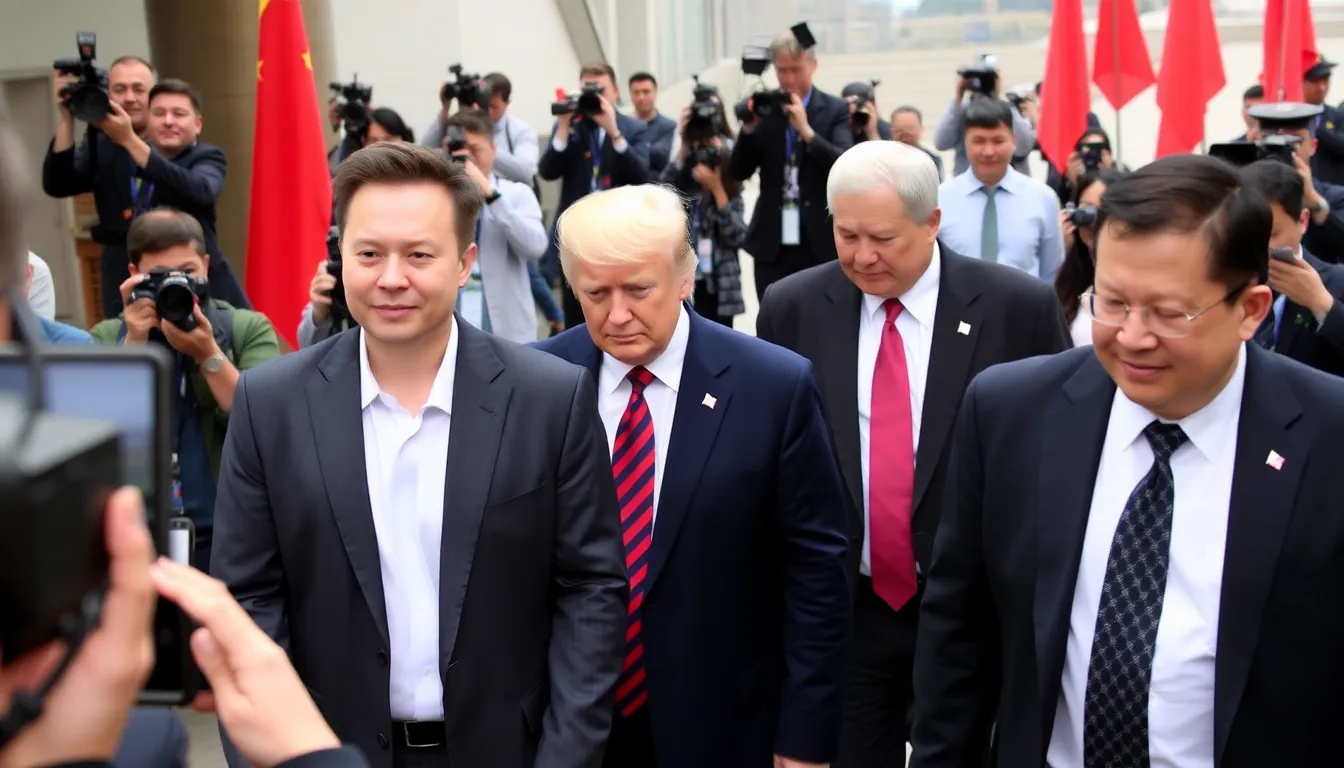
Key stakeholders and issues at play during the trip
The upcoming trip of former President Donald Trump to China, accompanied by prominent CEOs such as Elon Musk of Tesla and Jensen Huang of NVIDIA, brings together a diverse array of stakeholders with varying interests. These leaders represent significant sectors of the economy, including technology, automotive, and semiconductor manufacturing, which are crucial to both the U.S. and Chinese markets.
One of the primary stakeholders is the U.S. government, which has a vested interest in ensuring that American companies can operate effectively in China while protecting national security and economic interests. This trip may serve as a platform for negotiating trade terms and addressing ongoing tensions between the two nations. Additionally, the Chinese government aims to showcase its openness to foreign investment while navigating its own economic challenges.
Elon Musk’s Tesla and Jensen Huang’s NVIDIA represent the tech industry’s push for greater collaboration with China. Both companies have significant operations in China, and their leaders are likely to advocate for favorable conditions that ensure continued growth and access to the vast Chinese market. However, they must also consider the geopolitical implications of their engagement, particularly in light of increasing scrutiny over technology transfer and data privacy.
- Trade relations: The trip could influence tariffs and trade agreements, impacting the cost structures for U.S. companies operating in China.
- Investment opportunities: CEOs may seek to secure commitments from China regarding investment protections and intellectual property rights.
- Geopolitical tensions: The meeting may exacerbate existing tensions if perceived as a softening stance on issues like human rights and cybersecurity.
- Public perception: The involvement of these high-profile CEOs could shape public opinion regarding corporate responsibility and ethical engagement with China.
In summary, the trip presents a complex interplay of interests among multiple stakeholders, with potential ramifications for trade, investment, and international relations. The outcomes may not only affect the participating companies but also set a precedent for future engagements between the U.S. and China.
Potential impacts on technology and trade sectors
The participation of CEOs like Elon Musk and Jensen Huang in a high-profile trip to China with former President Trump signifies a pivotal moment for various sectors, particularly technology and trade. This gathering is expected to influence not only corporate strategies but also international relations and economic policies.
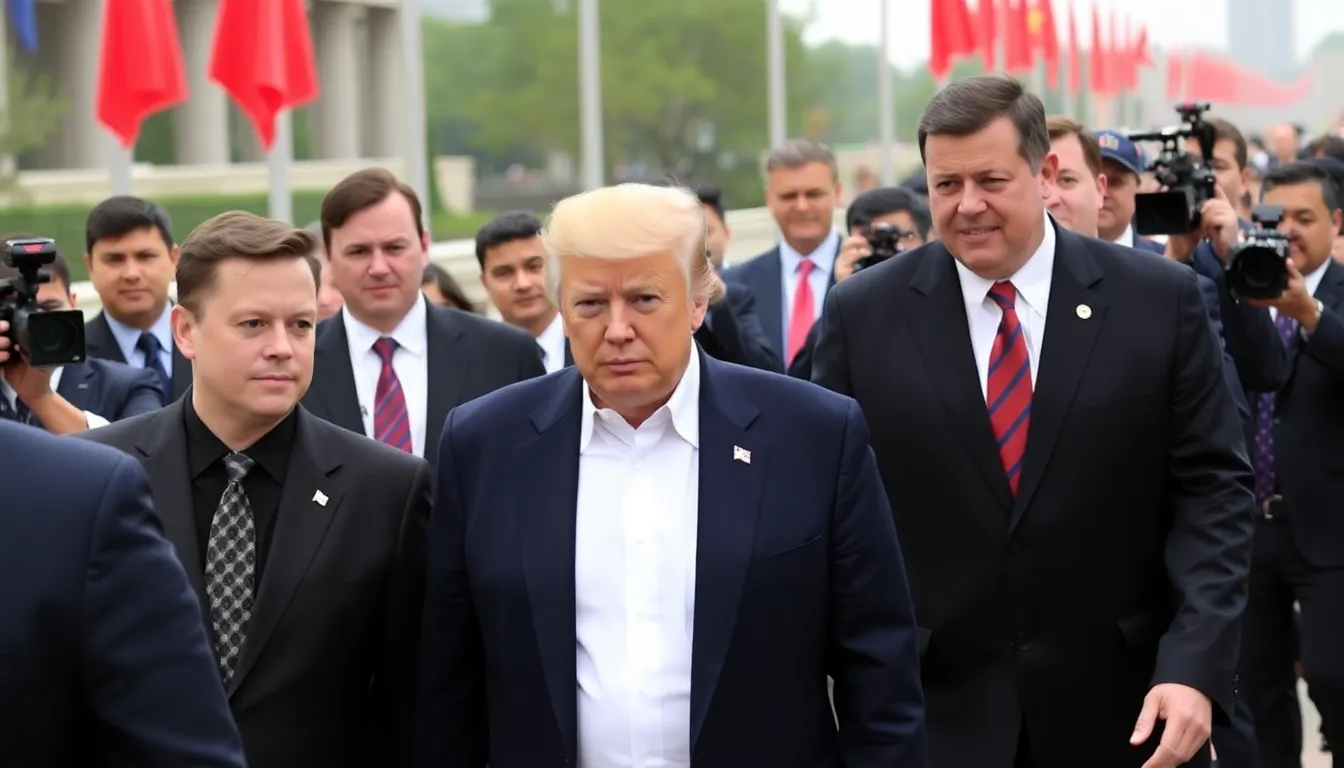
Key industries that will feel the effects include the technology sector, manufacturing, and trade logistics. Companies reliant on supply chains that stretch into China may experience shifts in operational costs and availability of components. Additionally, sectors like electric vehicles and semiconductor manufacturing could see increased investment or new partnerships, given Musk’s and Huang’s influence in these areas.
In the short term, businesses may benefit from renewed dialogue and potential agreements that could ease tariffs or trade restrictions. This could lead to lower prices for consumers and more stable supply chains. However, there are risks associated with geopolitical tensions that could arise from this engagement, potentially leading to backlash or increased scrutiny from regulatory bodies.
- Short-term benefits: Potential easing of trade restrictions, leading to lower consumer prices.
- Mid-term opportunities: New partnerships and investments in technology sectors.
- Risks: Geopolitical tensions may escalate, affecting market stability.
Regions heavily dependent on trade with China, such as the West Coast of the United States, may see immediate impacts on local economies. Increased business activity could lead to job creation in tech hubs, while simultaneously exposing these regions to the volatility of international relations. The balance between opportunity and risk will be crucial for stakeholders to navigate in the coming months.
A: Musk and Huang are influential figures in technology and business, and their presence aims to strengthen US-China relations, particularly in trade and innovation. A: The primary goals include discussing trade agreements, addressing technology transfer issues, and fostering collaboration between US and Chinese companies. A: Investor sentiment may shift based on the outcomes of the discussions, potentially impacting stock prices in technology and trade sectors. A: Potential challenges include differing political agendas, trade tensions, and public scrutiny of the CEOs’ roles in the negotiations. A: The tech industry is closely monitoring the trip, with many hoping for positive developments that could enhance collaboration and reduce tariffs.
Frequently asked questions about the China trip
Looking ahead: implications of the CEOs’ involvement
The participation of high-profile CEOs like Elon Musk and Jensen Huang in the upcoming trip to China alongside former President Trump signals a potential shift in the dynamics of U.S.-China relations. Their presence may indicate a growing willingness among American business leaders to engage directly with Chinese officials, potentially paving the way for improved trade relations and collaboration in technology sectors. This development could also reflect a broader strategy to mitigate the impact of geopolitical tensions on their respective companies.
As these leaders navigate the complexities of international business, the implications of their discussions in China could resonate across various industries. Stakeholders should remain vigilant regarding the outcomes of these meetings, which may influence market trends, regulatory environments, and investment strategies in the coming months.
- Watch for potential announcements regarding new partnerships or collaborations between U.S. and Chinese firms.
- The reactions of investors and markets to the trip’s outcomes could provide insights into future economic trends.
- Monitor shifts in regulatory policies that may arise from renewed dialogues between the two nations.
- Consider the impact on innovation and technology transfer as CEOs discuss collaborative opportunities.
- Stay informed about public and governmental responses to the trip, which could shape future business strategies.