
The trial, which began on October 2, 2023, focuses on whether Musk’s tweets were intentionally misleading and if they caused financial harm to investors. Musk’s defense argues that his statements were not meant to be taken literally and that he often communicates in a casual manner on social media platforms.
Musk’s comments come as social media continues to play a significant role in shaping public discourse and influencing market behavior. His influential presence on platforms like Twitter (now X) raises important questions about accountability and the interpretation of online statements, particularly from high-profile figures.
As the trial progresses, the outcome could have far-reaching implications for how social media communications are viewed legally and could set precedents for future cases involving public figures and their online interactions. Observers are closely monitoring the proceedings, given Musk’s unique position as both an entrepreneur and a social media influencer.
Recommended Articles
- India and Israel strengthen cooperation in defence and technology
- Judge adjourns Paris trial of Islam scholar accused of raping three women
- Rohl comments create tension for O'Neill ahead of derby
- Understanding the Costs of the Attacks on Iran
- Max George from The Wanted reflects on his heart condition as a blessing
- India and Israel strengthen cooperation in defence and technology
- Judge adjourns Paris trial of Islam scholar accused of raping three women
- Rohl comments create tension for O'Neill ahead of derby
- Understanding the Costs of the Attacks on Iran
- Max George from The Wanted reflects on his heart condition as a blessing
Understanding the background of Musk’s legal challenges
Elon Musk, the CEO of Tesla and SpaceX, has often found himself at the center of controversy, particularly regarding his use of social media. His tweets, which can range from casual musings to significant business announcements, have led to various legal challenges, most notably concerning securities fraud. The legal scrutiny surrounding Musk’s online statements began in earnest in 2018 when he tweeted about taking Tesla private at $420 a share, claiming he had “funding secured.” This tweet led to an investigation by the Securities and Exchange Commission (SEC), resulting in a settlement that required Musk to step down as Tesla’s chairman for three years and pay a $20 million fine.
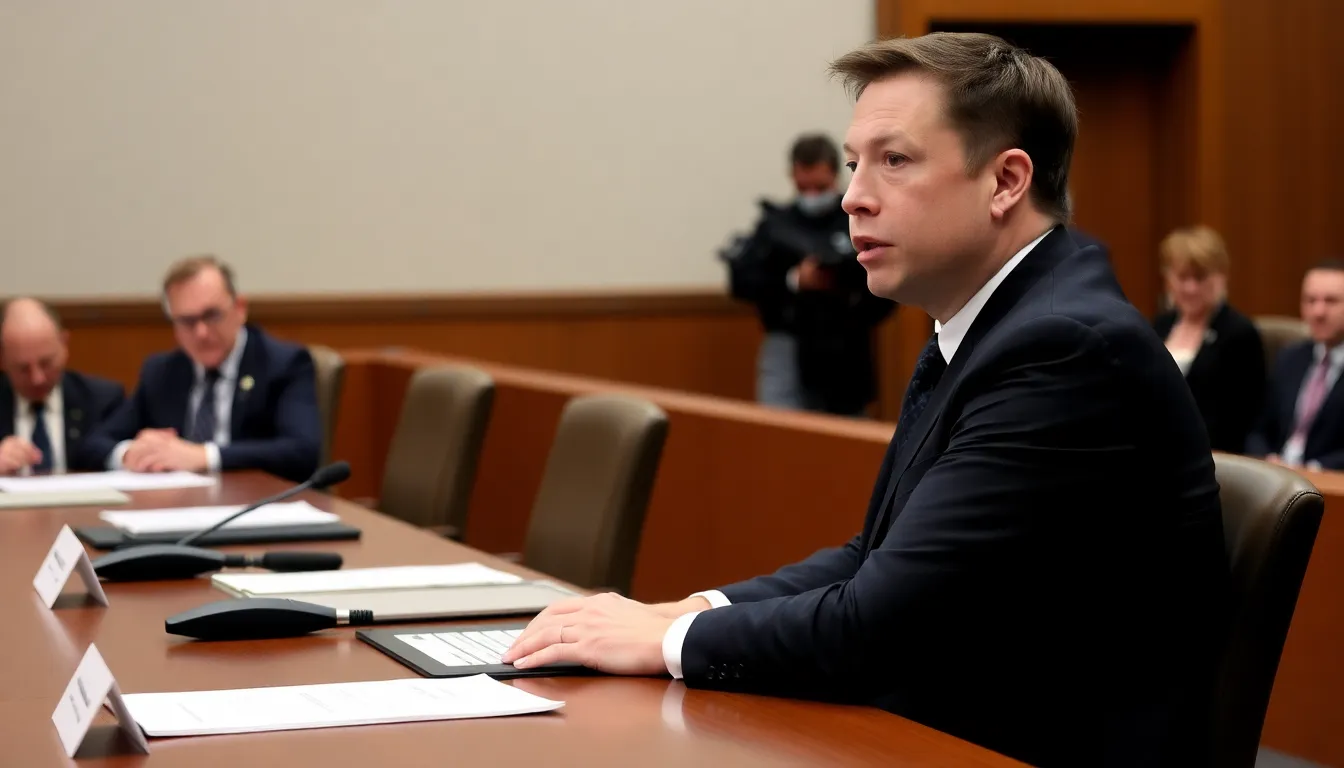
The impact of Musk’s social media presence extends beyond legal repercussions; it has also shaped public perception and market dynamics. His tweets can cause significant fluctuations in stock prices, leading to concerns about market manipulation. This phenomenon illustrates the broader implications of social media in corporate governance and investor relations, raising questions about the responsibilities of executives in their communications. Musk’s assertion that “people read too much” into his posts reflects a tension between his personal expression and the expectations of corporate accountability.
The Evolution of Social Media and Corporate Communication
As social media has evolved, so too has the landscape of corporate communication. Executives now have direct access to their audience, allowing for unfiltered dialogue that can quickly reach millions. However, this immediacy carries risks, as seen in Musk’s case. The legal challenges he faces underscore a growing need for clarity in how social media interactions are interpreted in a business context. Precedent cases, such as the SEC’s actions against Musk, highlight the regulatory environment that companies must navigate in the digital age.
In recent years, Musk’s legal battles have drawn attention not only for their implications for Tesla but also for the broader tech industry. As more executives embrace social media, the potential for misunderstandings and legal consequences increases. Musk’s ongoing defense that his posts are often misinterpreted points to a larger conversation about the balance between personal expression and professional responsibility in an era where online statements can have profound real-world effects.
Analyzing the implications of Musk’s statements for stakeholders
Elon Musk, the CEO of Tesla and SpaceX, has made headlines recently for his assertion that “people read too much” into his social media posts. This statement raises significant questions for various stakeholders, including investors, regulatory bodies, and the broader public. Each group has its own interests and concerns regarding Musk’s influence and the potential consequences of his communications.
Investors are particularly concerned about the impact of Musk’s tweets on stock prices and market stability. His social media activity has historically led to volatile fluctuations in Tesla’s stock, prompting debates about market manipulation and the ethical responsibilities of corporate leaders. The potential for legal ramifications looms large, as shareholders may seek accountability for losses incurred due to perceived misinformation.

Regulatory bodies, such as the Securities and Exchange Commission (SEC), have a vested interest in ensuring that corporate communications are transparent and truthful. Musk’s comments may complicate ongoing investigations into his social media practices, especially if they suggest a disregard for the implications of public statements. The tension between free speech and regulatory oversight is a key issue that could shape future policies regarding corporate communications.
- Investor concerns: Potential market manipulation and stock volatility due to Musk’s posts.
- Regulatory scrutiny: Ongoing investigations by the SEC into Musk’s communication practices.
- Public perception: The influence of Musk’s statements on consumer trust and brand reputation.
- Legal implications: Possibility of lawsuits from shareholders or regulatory actions.
- Corporate governance: The need for clearer guidelines on executive communications in the digital age.
Furthermore, the general public’s perception of Musk and his companies can be affected by his statements. As a public figure, Musk’s comments can shape consumer sentiment and influence public trust in his brands. The potential disconnect between his personal views and corporate messaging raises questions about accountability and the role of leadership in shaping organizational culture.
The potential impact of Musk’s comments on investors and the market
Elon Musk’s assertion that “people read too much” into his social media posts could significantly influence various stakeholders, including investors, analysts, and the broader market. Investors who closely monitor Musk’s tweets for insights into Tesla’s performance or other ventures may need to reassess their strategies. This could lead to increased volatility in stock prices, particularly for companies directly linked to Musk.
Industries such as technology, automotive, and space exploration are likely to experience immediate effects. Tesla’s stock may fluctuate as investors digest Musk’s comments, potentially leading to short-term losses or gains. Additionally, companies in the electric vehicle sector may face increased scrutiny as investors evaluate their exposure to Musk’s influence.
In the mid-term, regulatory bodies might reconsider how social media communications from influential figures impact market stability. This could lead to new policies aimed at curbing market manipulation or misinformation, affecting how companies engage with their audiences online.
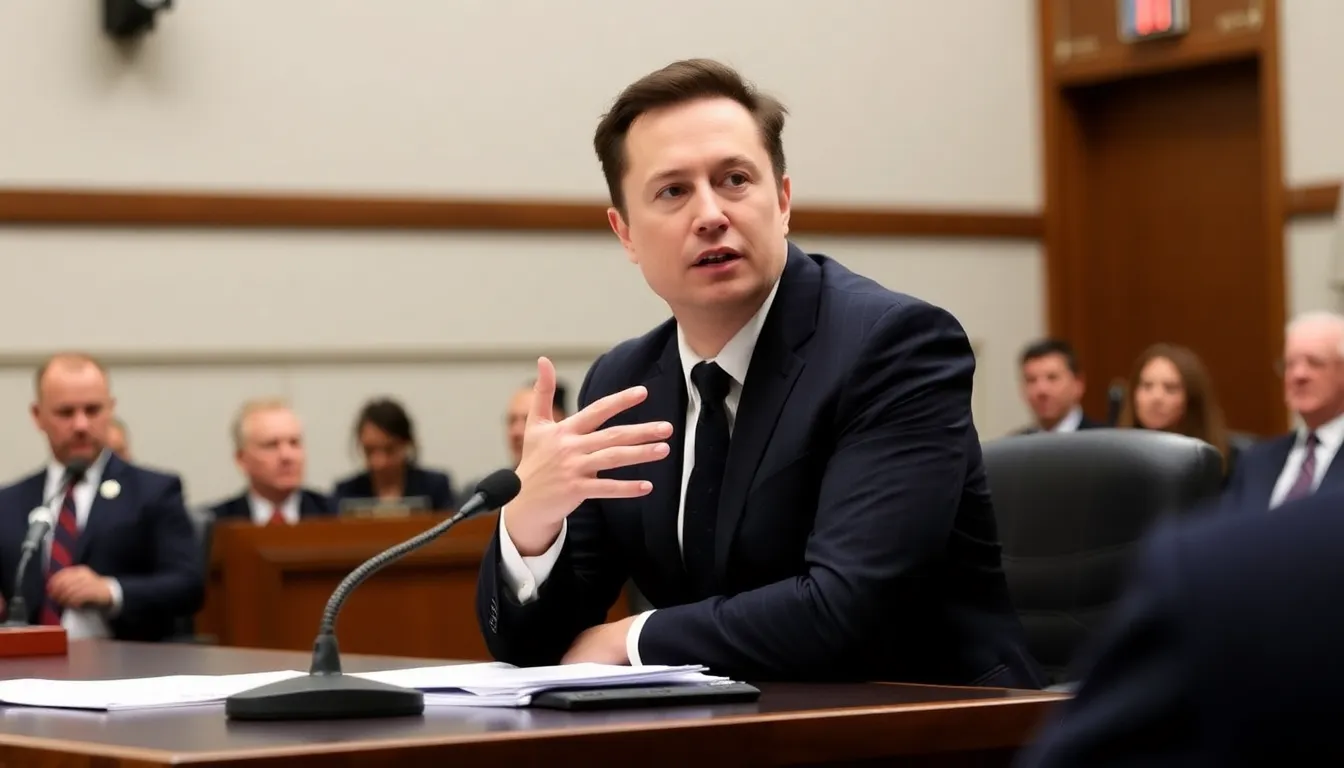
- Risks: Increased market volatility, potential regulatory changes, and investor uncertainty.
- Opportunities: New investment strategies focusing on long-term fundamentals rather than short-term social media trends.
Regions with a high concentration of tech and automotive investments, such as Silicon Valley and Detroit, may see a ripple effect as companies reassess their public relations strategies and investor communications. This could foster a more cautious approach to social media engagement, balancing transparency with the need for stability in investor relations.
A: Musk suggested that interpretations of his social media posts are often exaggerated, implying that his statements may not always be taken literally. A: His remarks could influence the jury’s perception of his intent and credibility, potentially impacting the outcome of the case. A: Musk’s comments may prompt users to reconsider how they interpret online communications, highlighting the complexities of digital expression. A: Yes, Musk has previously encountered legal challenges related to his tweets, particularly concerning market manipulation and investor communications. A: Investors may need to be cautious about how they interpret Musk’s social media activity, as it can significantly influence market reactions.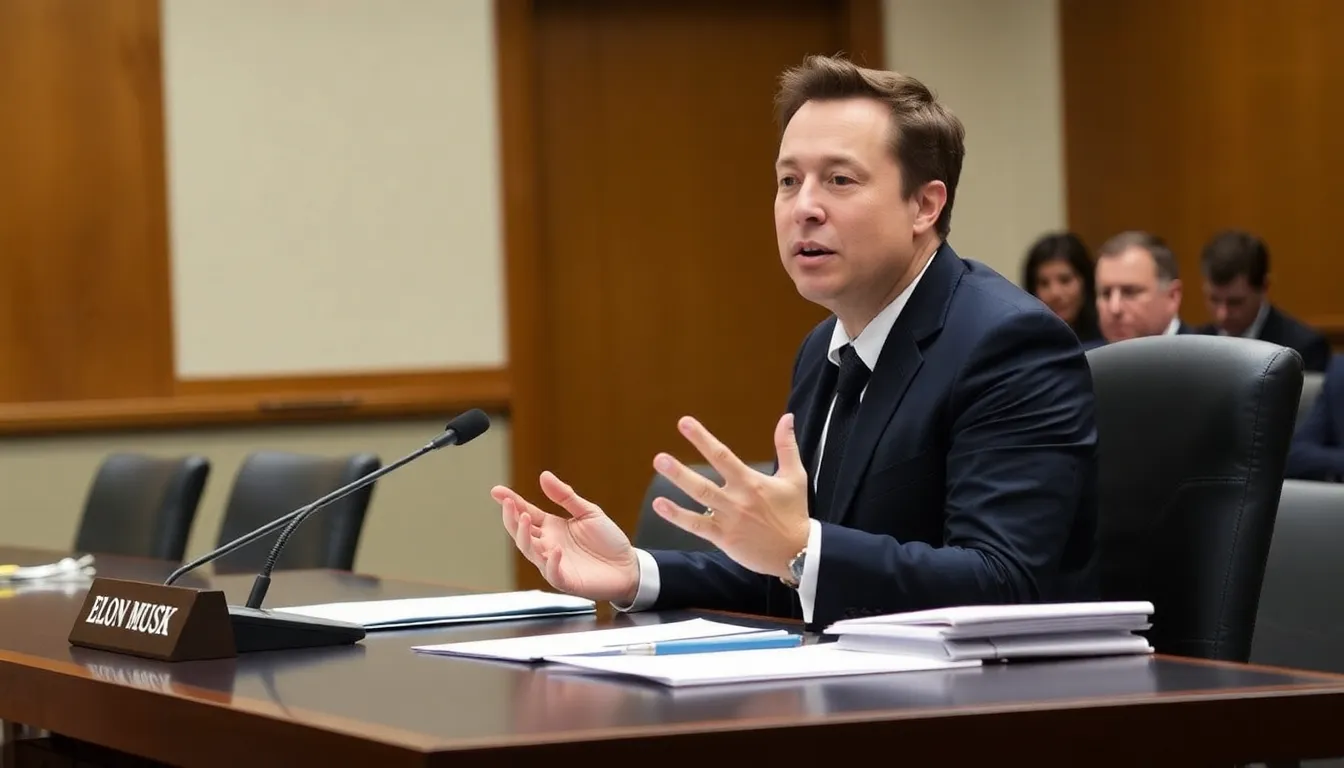
Frequently asked questions about Musk’s court statements
Key takeaways and future implications of Musk’s testimony
Elon Musk’s assertion that “people read too much” into his social media posts raises significant questions about the interpretation of public statements by influential figures. As the trial unfolds, the implications of this perspective could reshape how investors, regulators, and the general public approach social media communications from corporate leaders. Understanding the nuances of intent and interpretation will be crucial in navigating the evolving landscape of digital communication.
Moving forward, stakeholders should consider the potential shifts in accountability and transparency in social media engagement. This case could set precedents for how statements made online are perceived and the legal ramifications that follow, particularly for those in positions of power.
- The distinction between personal opinion and corporate communication may become a focal point in future legal cases.
- Investors might need to adopt a more cautious approach when interpreting social media posts from executives.
- Regulatory bodies could introduce clearer guidelines regarding the disclosure of information through social media platforms.
- Companies may enhance their social media policies to mitigate risks associated with misinterpretation.
- This case could lead to increased scrutiny of the impact of social media on market movements and investor behavior.