
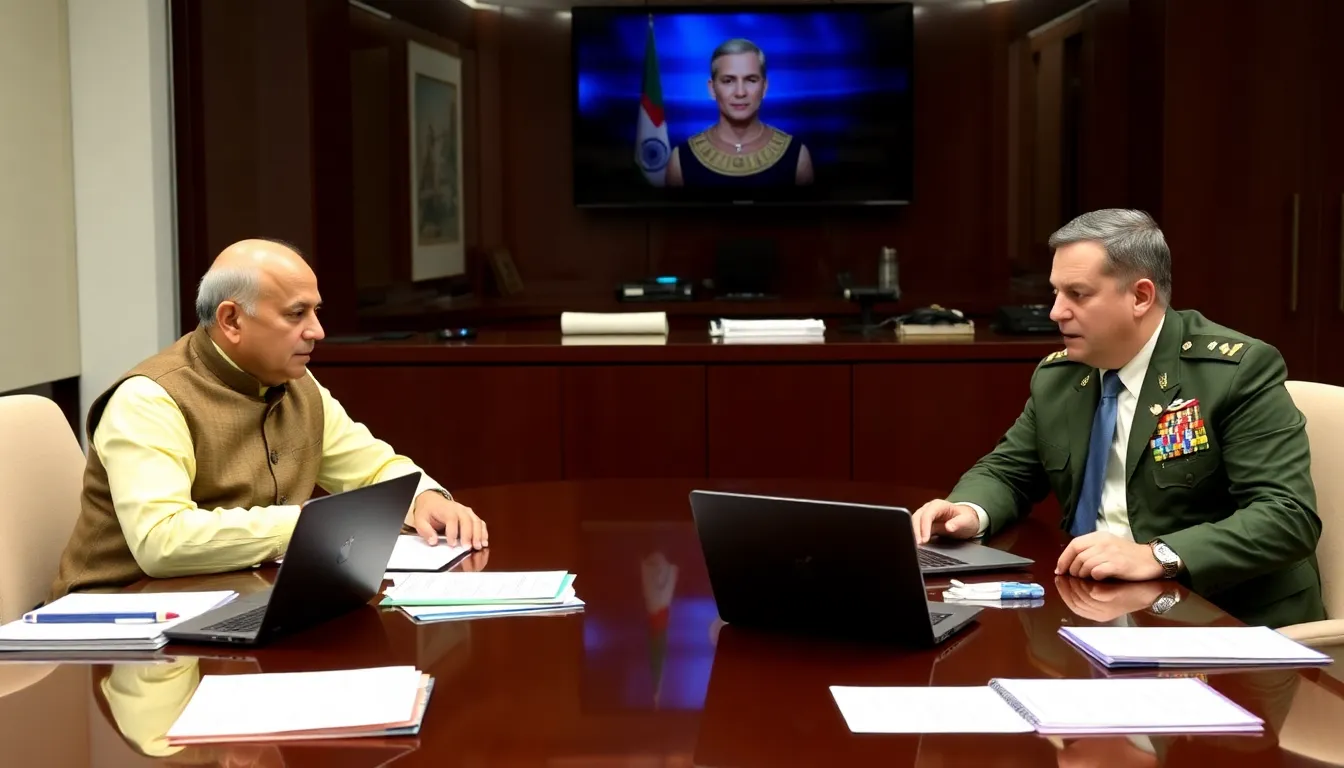
During a recent meeting held on October 12, 2023, Indian Defense Minister Rajnath Singh and his Israeli counterpart Yoav Gallant discussed collaborative efforts to enhance defense capabilities, as outlined in their historical partnership.
Furthermore, the two countries are exploring opportunities in advanced technology sectors, including artificial intelligence and drone technology, which are crucial for their economic growth and innovation.
This strategic partnership is particularly relevant given the rising tensions in the Indo-Pacific region and the Middle East. As both countries face unique security challenges, their alliance is seen as a crucial step towards achieving greater stability and security in their respective regions.
The historical ties between India and Israel
The relationship between India and Israel has evolved significantly since the establishment of diplomatic ties in 1992. Historically, India was one of the first countries to recognize the state of Israel after its founding in 1948, but it maintained a cautious approach due to its commitment to the Palestinian cause and its non-aligned stance during the Cold War. This complex backdrop laid the foundation for a relationship that would flourish in the years to come.
In the early years, India’s foreign policy was heavily influenced by its desire to support anti-colonial movements and solidarity with Arab nations. However, as geopolitical dynamics shifted in the late 20th century, particularly after the end of the Cold War, India began to reassess its foreign relations. The 1991 economic liberalization marked a turning point, opening avenues for defense and technology cooperation with Israel.
Key milestones in the India-Israel relationship include the signing of the India-Israel Joint Working Group on Defense in 2006, which laid the groundwork for collaboration in military technology and defense procurement, essential for both nations’ security.
Economic Cooperation and Technological Advancements
Beyond defense, India and Israel have also sought to enhance cooperation in technology and innovation. Initiatives such as the India-Israel Industrial R&D and Technological Innovation Fund have facilitated collaboration in sectors like agriculture, water management, and cybersecurity. The emphasis on technological advancements has not only strengthened economic ties but has also fostered a cultural exchange that reflects the shared values of innovation and entrepreneurship.
As both nations face unique challenges and opportunities, their commitment to bolstering ties in defense and technology signals a strategic partnership that is likely to shape regional dynamics in the coming years. The pledge to enhance cooperation reflects a mutual recognition of the importance of security and innovation in an increasingly complex global landscape.
Key stakeholders and issues in the defence collaboration
The recent pledge between India and Israel to enhance their collaboration in defence and technology highlights several key stakeholders and complex issues. The primary actors in this scenario include the governments of India and Israel, defence industries in both nations, and international organizations that monitor arms trade and technology transfer.

India, represented by its Ministry of Defence, seeks to modernize its military capabilities and enhance its technological infrastructure. The Indian government is particularly interested in acquiring advanced weaponry and defence systems to address regional security challenges. On the other hand, Israel, known for its cutting-edge defence technology, aims to strengthen its economic ties with India while expanding its market for defence exports.
Several conflicts and trade-offs arise from this collaboration. For instance, while both nations benefit from shared technological advancements, there are concerns regarding the transfer of sensitive technologies and the potential for escalating regional tensions, particularly with neighboring countries. Additionally, India’s commitment to self-reliance in defence production complicates its dependency on foreign technology.
- Economic Interests: Both countries stand to gain economically through joint ventures and defence contracts.
- Security Concerns: The collaboration may provoke reactions from other regional powers, impacting geopolitical stability.
- Technology Transfer: The legal implications of technology sharing must be carefully navigated to avoid breaches of international agreements.
- Public Sentiment: Domestic reactions in both nations could influence the pace and nature of collaboration.
In summary, the defence collaboration between India and Israel is shaped by various stakeholders with intertwined interests. While the potential for mutual benefits is significant, the complexities of international relations and domestic policies present challenges that must be managed carefully to ensure a successful partnership.
Potential impacts on regional security and economy
The recent pledge between India and Israel to enhance cooperation in defence and technology is poised to affect various groups and industries across both nations. Key stakeholders include government agencies, defence contractors, technology firms, and educational institutions. The collaboration aims to strengthen military capabilities and foster innovation, which may lead to significant shifts in both regional security dynamics and economic landscapes.
In the short term, businesses involved in defence manufacturing and technology development may experience a surge in demand for their products and services. This could result in increased investments in research and development, as well as job creation within these sectors. Additionally, the collaboration may enhance the operational capabilities of the armed forces, leading to a more robust defence posture in the region.

However, there are risks associated with this intensified partnership. The geopolitical landscape in South Asia and the Middle East is complex, and the strengthening of military ties could provoke reactions from neighboring countries. This may lead to an arms race or increased tensions, which could disrupt trade and economic stability in the region.
In the mid-term, the collaboration is expected to yield opportunities for technological advancements that can spill over into civilian sectors, such as cybersecurity, telecommunications, and aerospace. The transfer of technology and expertise could foster innovation ecosystems, particularly in urban areas where tech startups are emerging. Moreover, educational partnerships may enhance skill development, preparing a new workforce to meet the demands of the evolving job market.
- Increased defence spending and investment in technology.
- Potential for job creation in defence and tech sectors.
- Opportunities for technological advancements in civilian applications.
- Risks of regional tensions and geopolitical instability.
Overall, the pledge between India and Israel could reshape the economic and security landscape, presenting both significant opportunities and challenges for various stakeholders involved.
A: India and Israel are focusing on areas such as military technology, intelligence sharing, and joint exercises to enhance their defence capabilities. A: The strengthened ties between India and Israel may lead to shifts in regional alliances and could provoke responses from neighboring countries concerned about increased military collaboration. A: The partnership is expected to yield advancements in cybersecurity, drone technology, and surveillance systems, benefiting both nations’ security infrastructure. A: Yes, the collaboration is likely to boost economic ties through increased trade in defence products and technology, creating jobs and fostering innovation. A: This partnership aligns with India’s strategic goal of enhancing national security and fostering closer ties with key global partners, particularly in the face of regional challenges.
Frequently asked questions about India-Israel relations
Future outlook on India-Israel defence and technology ties
The recent pledge between India and Israel to enhance collaboration in defence and technology marks a significant step in strengthening their bilateral relationship. As both nations face evolving security challenges, this partnership is expected to foster innovation and bolster military capabilities. The focus on cutting-edge technology will not only benefit defence sectors but also open avenues for civilian applications, potentially leading to broader economic growth.
Looking ahead, the implications of this alliance may extend beyond military cooperation. By leveraging each other’s strengths in technology and research, India and Israel could set a precedent for other nations, encouraging a global trend towards strategic partnerships in defence innovation. Observers should monitor how this relationship develops in the coming years, particularly in areas such as cybersecurity, artificial intelligence, and aerospace.
- Increased joint military exercises and training programs are likely to enhance interoperability between Indian and Israeli forces.
- Collaborative research initiatives may lead to breakthroughs in defence technology, benefiting both nations economically and strategically.
- The partnership could inspire similar alliances among other countries, reshaping the global defence landscape.
- Watch for advancements in cybersecurity measures as both countries prioritize protection against emerging threats.
- Potential civilian applications of military technology could stimulate innovation in sectors such as healthcare and infrastructure in both nations.