
In 2022, a notable case in the Pacific Northwest highlighted the importance of moss in understanding crime scene dynamics. Investigators discovered that specific moss species could indicate the time of year a crime occurred based on their growth patterns, as seen in related investigations. This finding has prompted law enforcement agencies to reconsider traditional evidence-gathering methods and incorporate botanical analysis into their protocols.
Moreover, the use of moss in forensic science is not limited to establishing timelines. In some instances, it can also provide insights into the movement of suspects or victims. For example, moss samples collected from shoes or clothing can reveal whether an individual was present in a particular area, aiding in the corroboration of alibis or the identification of suspects.
Despite its potential, the integration of moss analysis into criminal investigations remains sporadic. Many law enforcement agencies lack the necessary training and resources to utilize this botanical evidence effectively. As awareness grows, however, there is hope that more jurisdictions will adopt these methods, ultimately leading to more accurate crime scene reconstructions.
Understanding the ecological role of moss in crime scenes
Moss, often overlooked in the context of criminal investigations, plays a significant role in understanding the environmental conditions of a crime scene. Historically, forensic science has focused on more prominent evidence such as fingerprints and DNA, but the subtle presence of moss can provide critical insights into the timeline and circumstances surrounding a crime. This oversight can be attributed to the traditional methods of investigation that prioritize more visible evidence, leaving the ecological aspects of crime scenes largely unexplored.
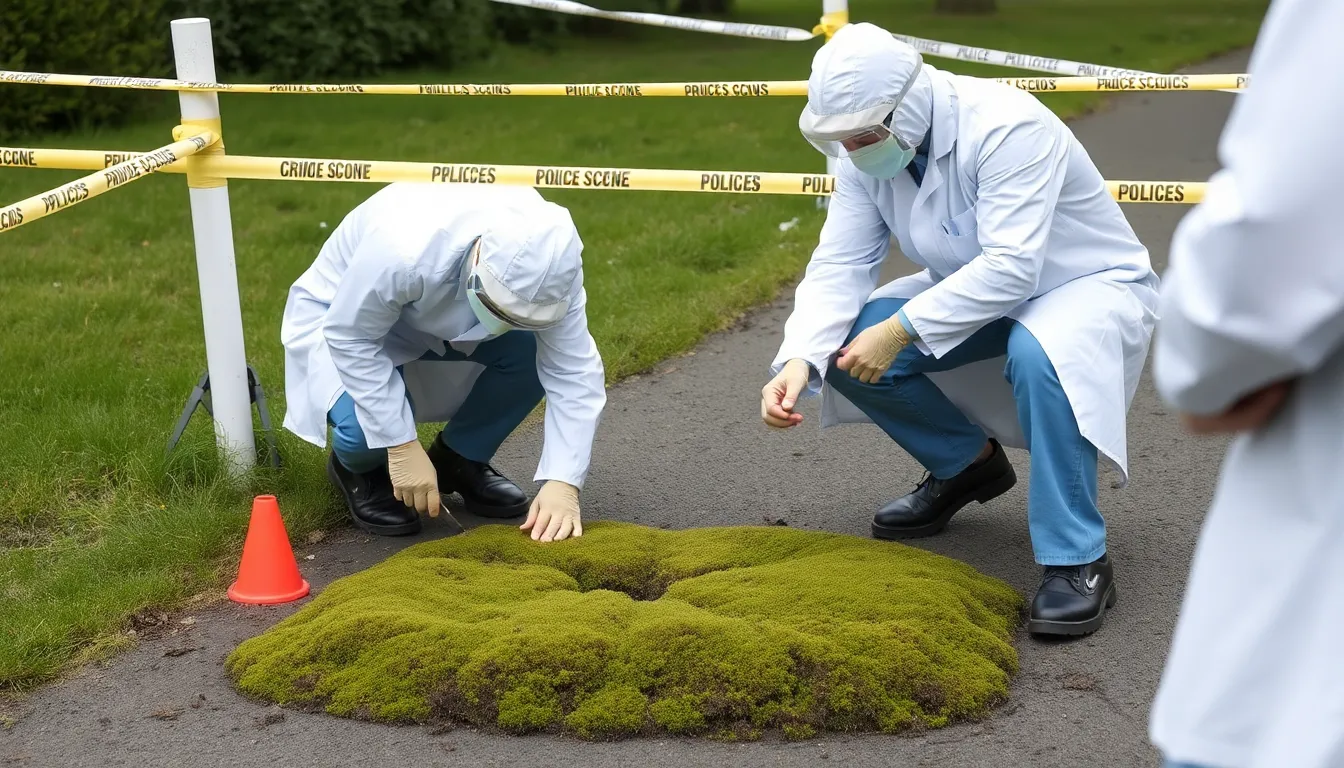
In the past, forensic experts primarily relied on physical traces and biological evidence to reconstruct events. However, as environmental science has advanced, the importance of ecological indicators, including moss, has gained recognition. Moss can indicate humidity levels, soil composition, and even the age of a surface, all of which can help establish a timeline of events. For instance, the growth patterns of moss can reveal whether an area was disturbed recently or if it has remained undisturbed for an extended period.
The significance of moss in forensic investigations
Several key milestones have marked the integration of ecological evidence into forensic science. One notable case involved the use of moss analysis to determine the time of death in a homicide investigation. Forensic scientists were able to analyze the growth of moss on a body and surrounding area, leading to a more accurate estimation of when the crime occurred. Such cases illustrate the potential for moss to serve as an invaluable tool in criminal cases, challenging the notion that only traditional evidence should be considered.
Furthermore, the increasing awareness of environmental factors in crime scene analysis reflects broader social changes in how we view the interconnectedness of ecosystems and human activities. As society becomes more attuned to environmental issues, the role of organisms like moss in forensic investigations is likely to expand, encouraging a more holistic approach to crime scene analysis that incorporates ecological data alongside conventional forensic methods.
Key stakeholders and their perspectives on moss evidence
The investigation and prosecution of criminal cases often involve a diverse array of stakeholders, each with their own interests and perspectives regarding the use of moss evidence. These stakeholders include law enforcement agencies, forensic scientists, legal professionals, and the accused individuals, all of whom play a crucial role in the judicial process.
Law enforcement agencies, such as police departments and investigative units, are primarily interested in gathering evidence that can lead to successful prosecutions. They recognize the potential of moss evidence as a tool for linking suspects to crime scenes or establishing timelines. However, the challenges of collecting and preserving such evidence can lead to conflicts with forensic scientists, who may have differing opinions on the reliability and relevance of moss in criminal investigations.
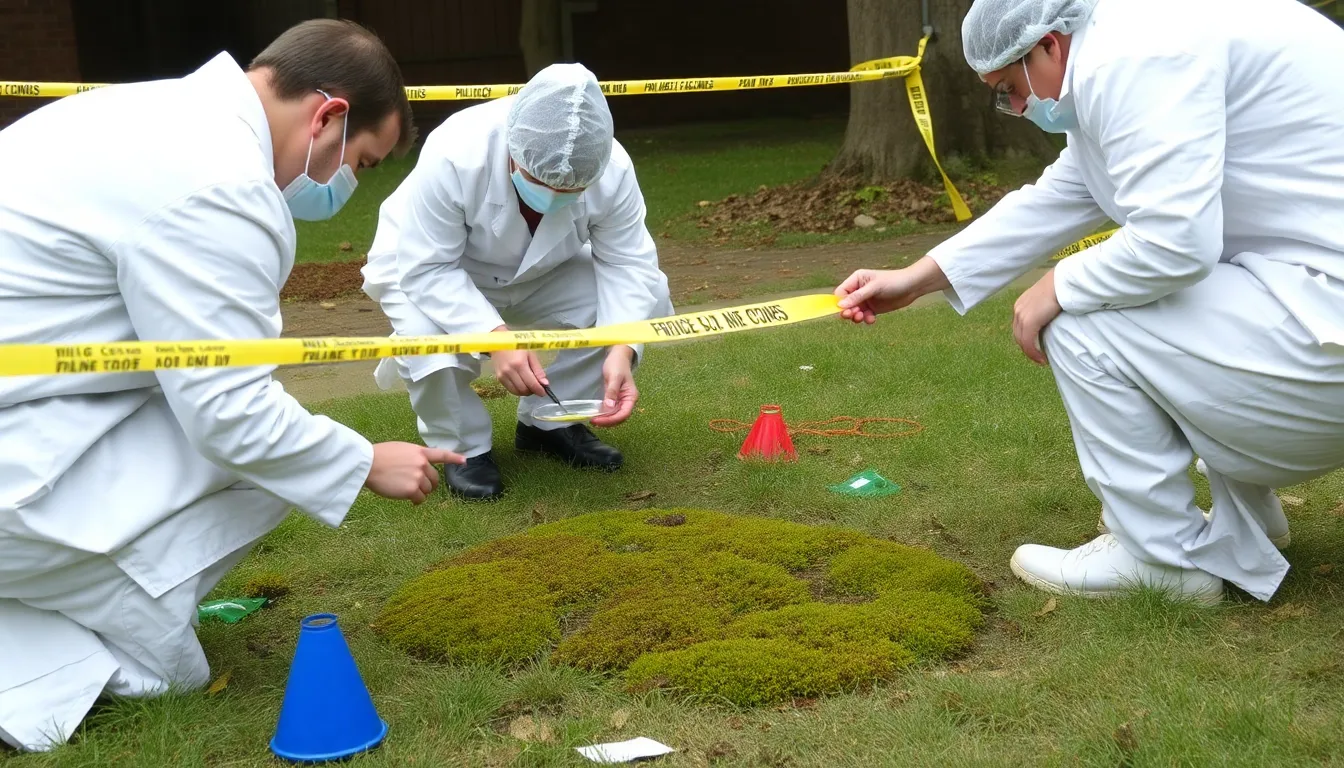
Forensic scientists represent another key stakeholder group. Their expertise in analyzing biological evidence, including moss, is vital to ensuring that the evidence is interpreted correctly in court. They may advocate for standardized methods of collection and analysis to enhance the credibility of moss evidence. However, discrepancies in scientific opinions can arise, leading to trade-offs between thoroughness and expediency in investigations.
- Legal professionals: Defense attorneys and prosecutors may have conflicting views on the admissibility of moss evidence, impacting trial outcomes.
- Accused individuals: Those facing charges may view moss evidence as either a critical component of their defense or a damaging piece of incriminating evidence.
- Judicial system: Courts must navigate the complexities of scientific evidence, balancing the need for justice with the potential for wrongful convictions based on misinterpreted moss data.
Economic considerations also play a role in the analysis of moss evidence. The costs associated with collecting, analyzing, and presenting moss evidence in court can be significant. This raises questions about resource allocation within law enforcement agencies and the legal system, particularly in jurisdictions with limited budgets. Stakeholders must weigh the potential benefits of using moss evidence against the financial implications of its collection and analysis.
The implications of neglecting moss in forensic investigations
The oversight of moss in criminal investigations can have far-reaching consequences for various groups, particularly law enforcement agencies, environmental scientists, and the legal community. In regions where moss is prevalent, such as temperate forests or wetlands, the failure to recognize its potential as forensic evidence can hinder investigations and lead to wrongful convictions or acquittals.
In the short term, law enforcement may face challenges in solving cases where moss could provide critical clues about a suspect’s movements or the timeline of events. This can result in prolonged investigations and increased pressure on police resources. Additionally, the legal implications of overlooking such evidence can lead to costly retrials or appeals, impacting the judicial system’s efficiency.
Mid-term impacts may extend to environmental policy and conservation efforts. As forensic science evolves, the recognition of moss as a valuable ecological indicator may prompt changes in how natural resources are managed. This could lead to new regulations aimed at preserving ecosystems that are often overlooked in criminal investigations.
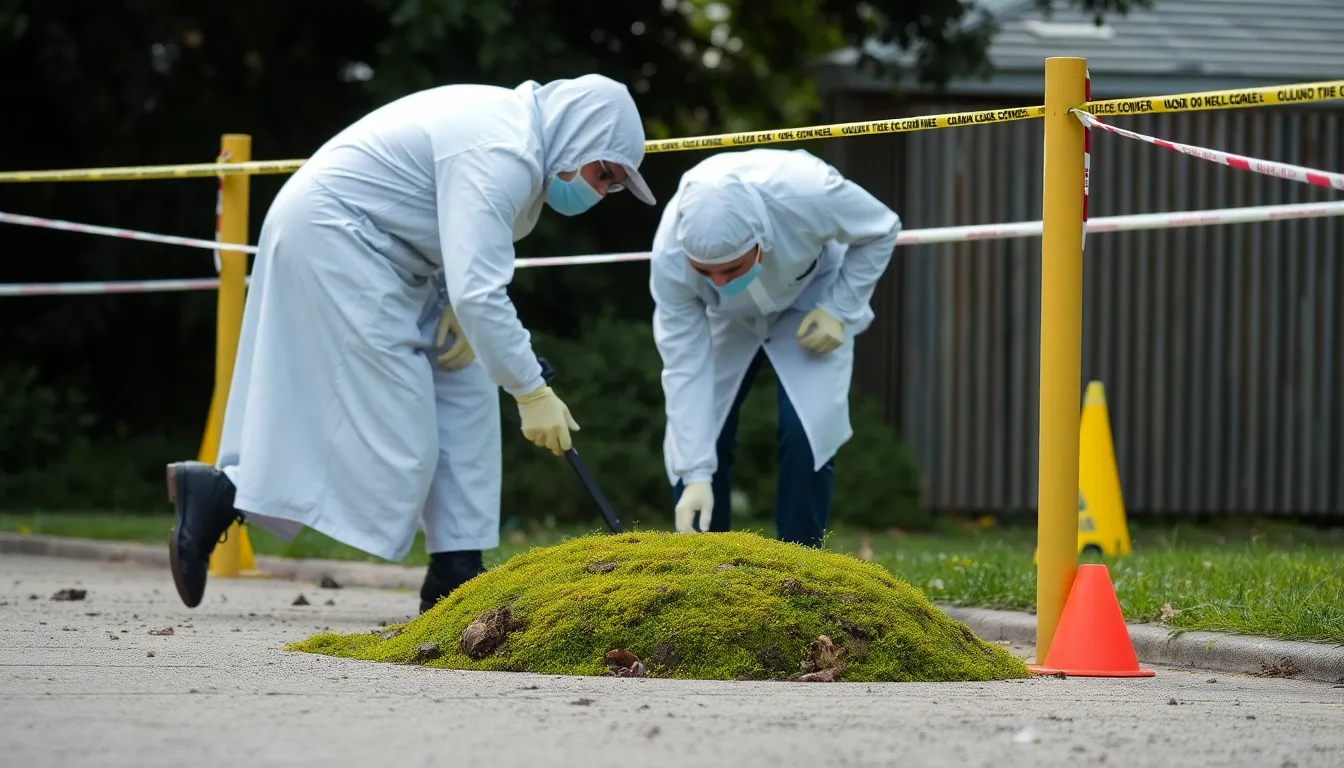
- Risks: Potential for wrongful convictions, increased strain on law enforcement resources, and inefficiencies in the judicial process.
- Opportunities: Enhanced forensic techniques, improved environmental policies, and greater collaboration between law enforcement and environmental scientists.
Ultimately, the implications of neglecting moss in forensic investigations highlight the need for interdisciplinary approaches that integrate environmental science with criminal justice, ensuring that all evidence is thoroughly examined and utilized to its fullest potential.
A: Moss can provide crucial environmental context and may contain DNA evidence or other biological markers relevant to a case. A: Investigators may focus on more obvious evidence like fingerprints or blood, neglecting the potential insights that moss can offer. A: Moss can be collected using sterile tools and should be preserved in a way that maintains its integrity for analysis. A: Yes, there have been instances where moss helped link a suspect to a crime scene through environmental matching. A: Researchers are developing new techniques to analyze moss for genetic material and other forensic applications.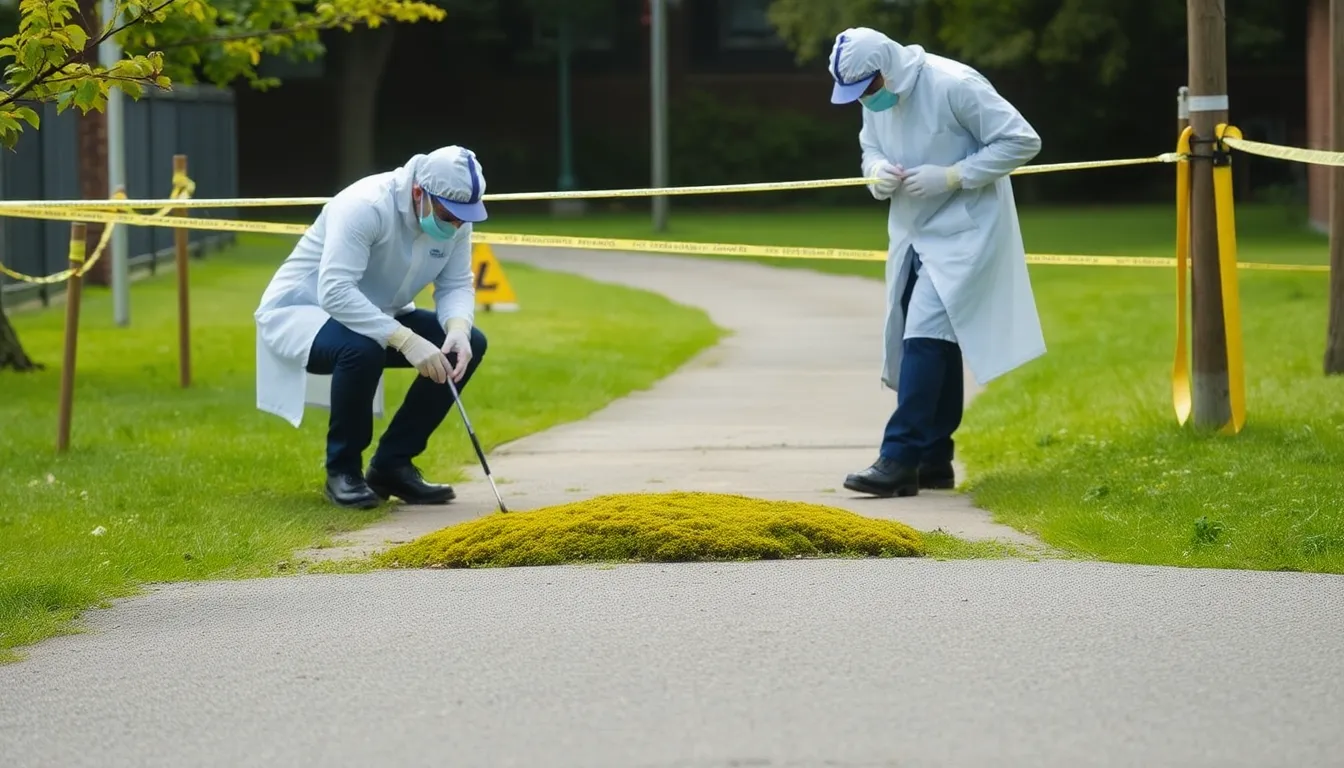
Frequently Asked Questions about Moss in Criminal Cases
Key takeaways and future considerations regarding moss in forensics
The role of moss in criminal investigations is gaining recognition as a valuable forensic tool. Its ability to thrive in diverse environments and its unique biological characteristics can provide critical insights into crime scene analysis. As forensic methodologies evolve, integrating moss analysis could enhance the accuracy of investigations and lead to more informed legal outcomes.
Future research should focus on establishing standardized protocols for moss sampling and analysis, which may further validate its application in forensic science. Law enforcement agencies and forensic experts are encouraged to consider the ecological context of crime scenes, as this could unveil new avenues for evidence collection and interpretation.
- Moss as a bioindicator: Understanding the specific types of moss present at a crime scene can offer clues about the environmental conditions and timeline of events.
- Potential for collaboration: Forensic teams should collaborate with botanists and ecologists to enhance the understanding of moss species and their relevance to crime scene investigations.
- Training and education: There is a need for increased training for forensic professionals on the significance of moss in evidence collection and analysis.
- Future research opportunities: Further studies are needed to explore the genetic and chemical properties of moss that could aid in linking suspects to crime scenes.