
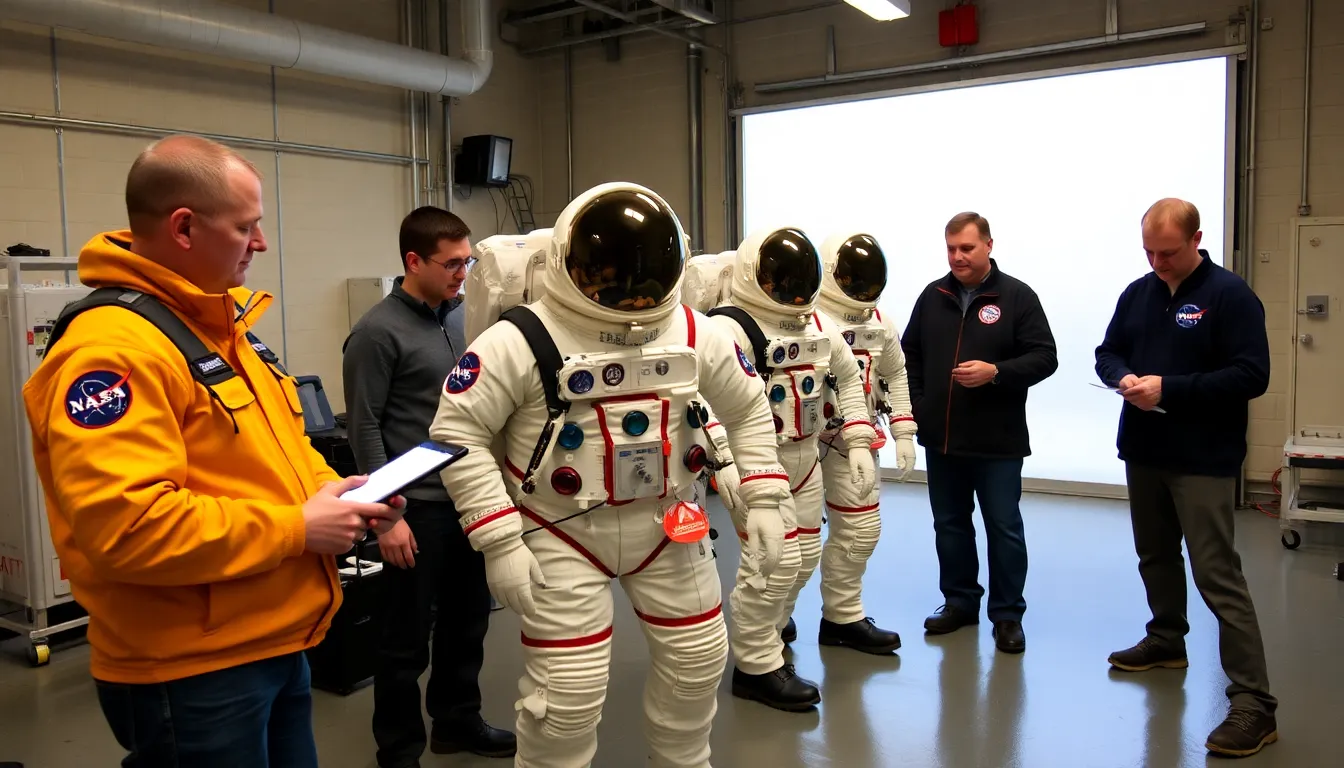
The Artemis program aims to return humans to the Moon by 2024, marking the first time astronauts will walk on the lunar surface since the Apollo missions. The new suits, known as the Exploration Extravehicular Mobility Unit (xEMU), are being designed to provide enhanced mobility, life support, and protection against the harsh lunar environment.
Recent tests have included simulations of lunar conditions, where engineers assess the suits’ performance in various scenarios. The focus is on ensuring that astronauts can perform tasks effectively while wearing the suits, which include advanced features such as improved insulation and a more flexible design.
NASA’s commitment to safety and functionality in these suits reflects the agency’s broader goal of sustainable lunar exploration and eventual human missions to Mars.
Understanding the significance of the Artemis program
The Artemis program represents a pivotal moment in space exploration, aiming to return humans to the Moon for the first time since the Apollo missions of the late 1960s and early 1970s. Launched by NASA in 2019, Artemis seeks not only to land the first woman and the next man on the lunar surface but also to establish a sustainable human presence on the Moon by the end of the decade. This initiative is seen as a stepping stone for future missions to Mars, reflecting a renewed interest in deep space exploration.
Historically, the Apollo program marked the United States’ dominance in space exploration, fueled by the Cold War rivalry with the Soviet Union. The success of Apollo 11 in 1969, when Neil Armstrong became the first human to set foot on the Moon, galvanized public interest and investment in science and technology. However, after the last Apollo mission in 1972, lunar exploration was largely sidelined, leading to a gap in human spaceflight capabilities that the Artemis program now seeks to fill.
The establishment of the Artemis Accords, which sets guidelines for international cooperation in space, underscores the program’s significance not just for the U.S. but for global collaboration in exploring the Moon and beyond.
The technological advancements in spacesuit design
One of the critical components of the Artemis program is the development of advanced spacesuits, which are essential for the safety and functionality of astronauts on the lunar surface. NASA’s moon spacesuit lab has been at the forefront of this innovation, creating suits that are not only more flexible and comfortable but also equipped with advanced life-support systems. These advancements are crucial as they address the challenges posed by the Moon’s harsh environment, ensuring that astronauts can perform their tasks effectively while minimizing risks.
As we approach the anticipated Artemis launch, the historical context of lunar exploration, the political motivations behind it, and the technological innovations being developed all converge to highlight the significance of this program. The Artemis missions are not just about returning to the Moon; they embody a vision for the future of humanity in space, aiming to inspire a new generation of explorers and scientists.
Key stakeholders and challenges in spacesuit design
Each of these entities plays a critical role in the design, testing, and eventual deployment of the spacesuits intended for lunar exploration.
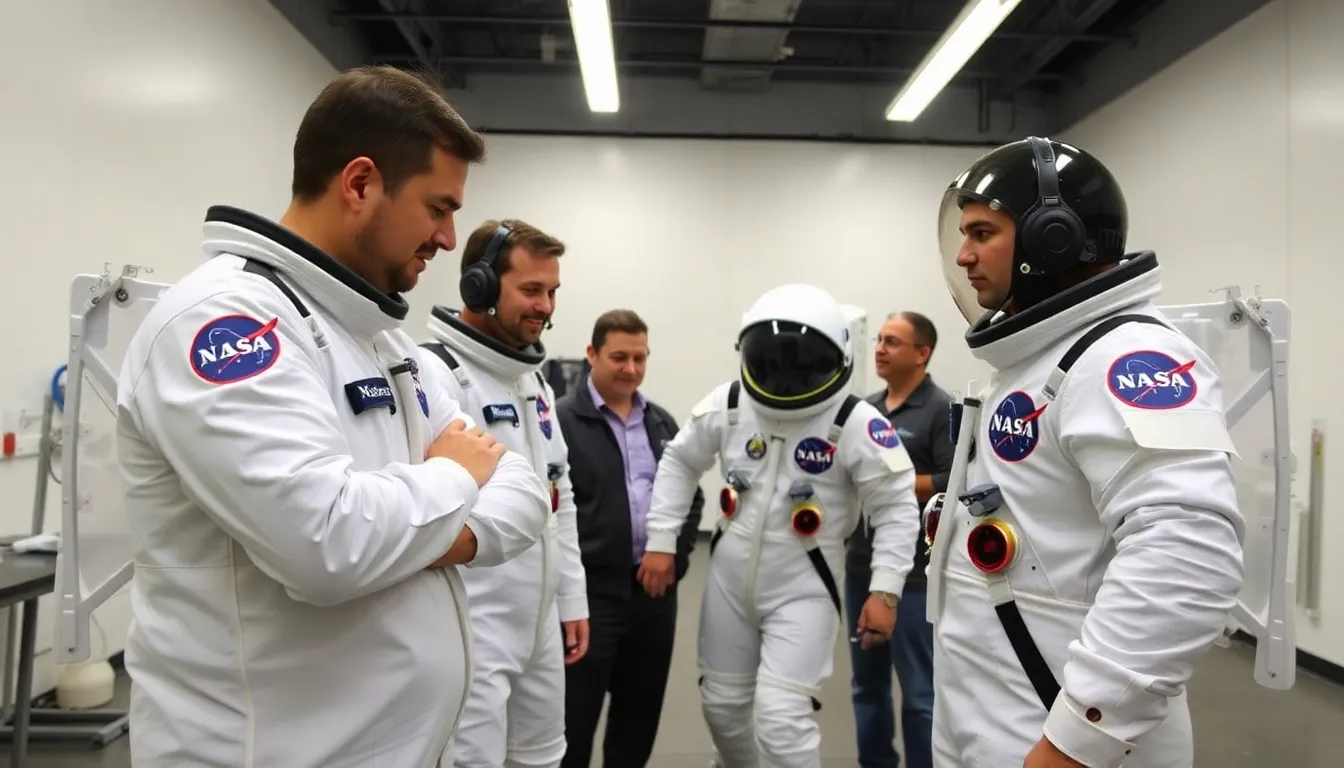
Nasa, as the primary agency, aims to ensure that the suits meet rigorous safety and functionality standards while also being adaptable for various lunar activities. Private aerospace companies, such as Axiom Space and Collins Aerospace, are tasked with the manufacturing and technological innovation of the suits. Their interest lies in securing contracts and demonstrating their capabilities in a competitive market. Research institutions contribute vital scientific insights, focusing on human factors and material science to enhance suit performance.
However, the collaboration among these stakeholders is not without challenges. Conflicts may arise over budget allocations, timelines, and design specifications. For instance, while NASA may prioritize safety and compliance, private companies might push for cost-effective solutions that could compromise those standards. Additionally, international partners, including space agencies from other countries, may have differing expectations regarding the technology shared and the extent of collaboration.
- Budget constraints: Balancing costs while ensuring high-quality materials and technology is a significant challenge.
- Technological integration: Ensuring that different systems from various manufacturers work seamlessly together.
- Regulatory compliance: Meeting safety and environmental regulations set by both national and international bodies.
- Timeline pressures: Coordinating schedules among multiple stakeholders to meet launch deadlines.
- Public and political scrutiny: Maintaining transparency and addressing public concerns regarding space exploration funding.
These dynamics create a complex landscape for spacesuit development, where trade-offs must be carefully navigated to achieve a successful outcome for the Artemis program. Understanding the interplay among these stakeholders and the challenges they face is crucial for grasping the broader implications of NASA’s lunar ambitions.
How the new spacesuits will affect astronauts and missions
The development of NASA’s new moon spacesuits is set to have a profound impact on various groups, particularly astronauts, space agencies, and the aerospace industry. As the Artemis program aims to return humans to the Moon, these advanced suits will be crucial for ensuring the safety and efficiency of missions. The implications extend beyond just the astronauts, influencing businesses and communities involved in space exploration.
In the short term, the introduction of these spacesuits will enhance the safety protocols for astronauts, allowing them to perform more complex tasks on the lunar surface. This will lead to an increase in mission capabilities, enabling more extensive scientific research and exploration. Additionally, the focus on advanced materials and technologies will drive innovation within the aerospace sector, leading to potential collaborations between NASA and private companies.
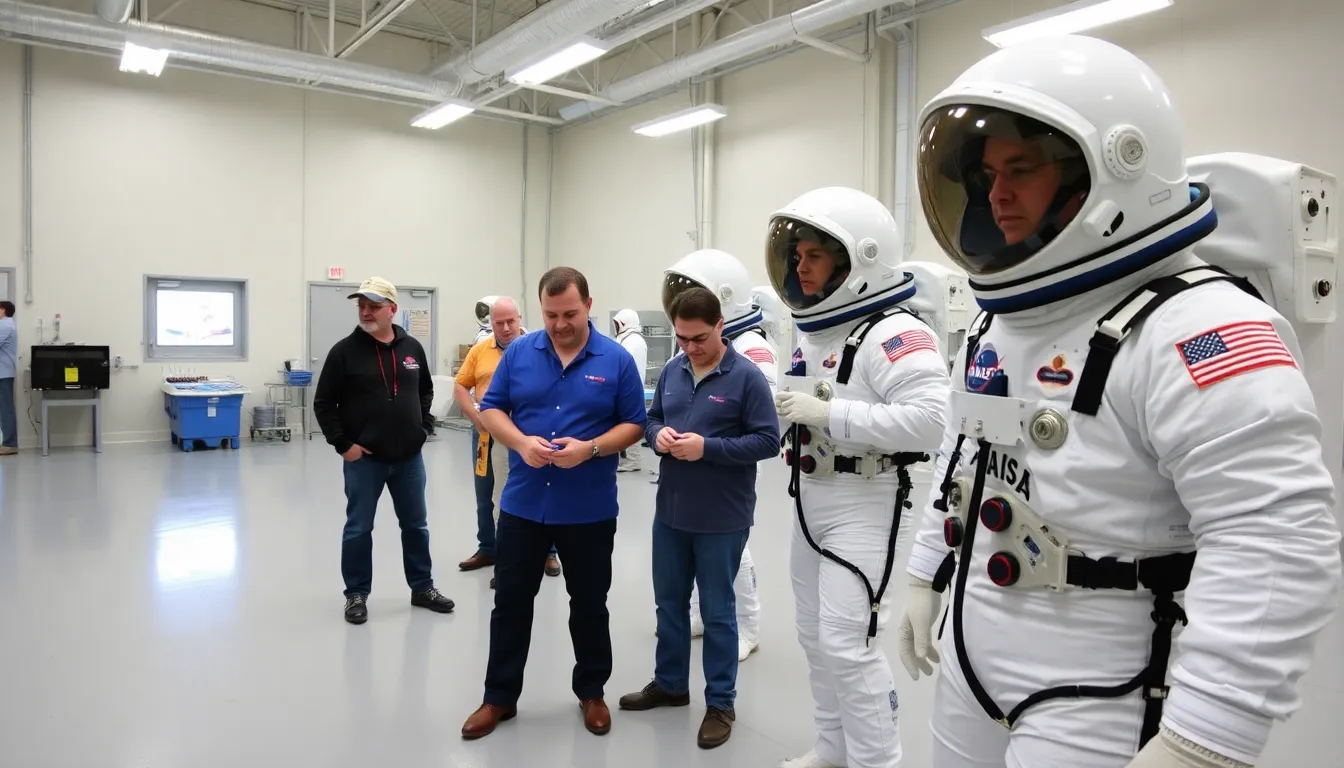
Mid-term impacts include the potential for job creation within the aerospace industry as demand for specialized skills rises. Regions with existing aerospace manufacturing capabilities, such as parts of California and Texas, may see economic boosts as they become key players in the production of these spacesuits. Furthermore, educational institutions may adapt their curricula to prepare the next generation of engineers and scientists for careers in space exploration.
- Increased safety and efficiency for astronauts during lunar missions.
- Job creation in the aerospace industry.
- Economic growth in regions involved in space manufacturing.
- Opportunities for innovation in materials and technologies.
However, there are also risks associated with the development and deployment of these new spacesuits. If the technology fails to meet safety standards or performance expectations, it could result in mission delays and increased costs. Additionally, the reliance on advanced materials may lead to supply chain vulnerabilities, affecting production timelines and overall mission success.
A: The spacesuits are designed to protect astronauts from harsh lunar conditions while allowing them to perform various tasks during the Artemis missions. A: The new suits incorporate advanced materials and technologies that enhance mobility, durability, and life support capabilities compared to earlier designs. A: The Artemis missions are scheduled to begin in the coming years, with Artemis I set for launch soon, followed by crewed missions. A: A team of engineers, scientists, and designers at Nasa, along with various contractors, are collaborating to create the new spacesuits. A: Designers must address issues like temperature regulation, mobility, and durability while ensuring the suits can withstand the lunar environment.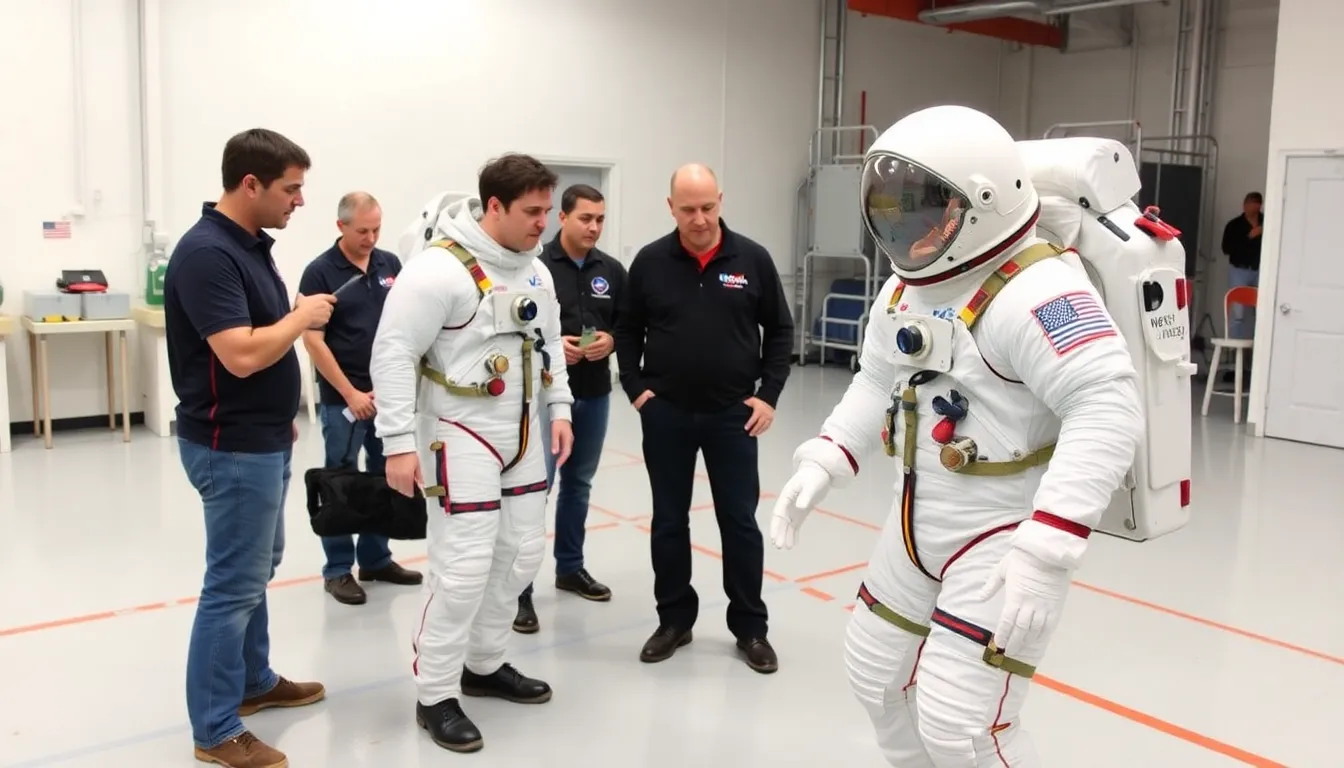
Frequently asked questions about Nasa’s spacesuit lab
Looking ahead to the future of lunar exploration
The development of NASA’s advanced moon spacesuits marks a significant step forward in lunar exploration, particularly with the Artemis missions on the horizon. As astronauts prepare to return to the moon, the innovations in design and technology within these suits will play a critical role in ensuring their safety and effectiveness in the harsh lunar environment. This progress not only reflects NASA’s commitment to human spaceflight but also sets the stage for future missions that could extend beyond the moon.
As we look to the future, the implications of these advancements in spacesuit technology are profound. The lessons learned from the Artemis program may shape the next generation of space exploration, influencing missions to Mars and beyond. Observing how these suits perform during the Artemis missions will provide valuable insights into the challenges and successes of human space travel in extraterrestrial environments.
- Technological Innovation: The new spacesuit designs incorporate cutting-edge materials and systems that could redefine safety standards for future missions.
- Human Factors: Understanding how astronauts interact with these suits will be crucial for optimizing comfort and functionality during extended lunar stays.
- International Collaboration: The Artemis program may foster partnerships with other nations, leading to shared knowledge and resources in space exploration.
- Public Interest: Increased visibility of lunar missions can inspire future generations to pursue careers in STEM fields, boosting interest in space science.
- Pathway to Mars: Success in lunar exploration will provide critical data and experience that can be applied to the ambitious goal of sending humans to Mars.