
The cancellation of the orbiting station, originally intended to serve as a platform for scientific research and international collaboration, was officially confirmed in early October 2023. Nasa cited budget constraints and a need to prioritize more immediate goals in lunar exploration as key factors in this decision. This shift is a crucial part of the ongoing Artemis program.
By redirecting funds towards a moon base, Nasa aims to create a sustainable human presence on the lunar surface by the late 2020s. This initiative is part of the broader Artemis program, which seeks to return humans to the Moon and establish a foothold for future missions to Mars.
The lunar base is expected to facilitate scientific research, support technology development, and foster international partnerships. As space agencies around the world ramp up their lunar ambitions, Nasa’s investment is seen as a crucial step in maintaining its leadership in space exploration.
This strategic pivot underscores the growing importance of lunar exploration in the context of future space endeavors. With private companies also looking to play a role in lunar activities, Nasa’s focus on a moon base could catalyze further advancements in space technology and exploration capabilities.
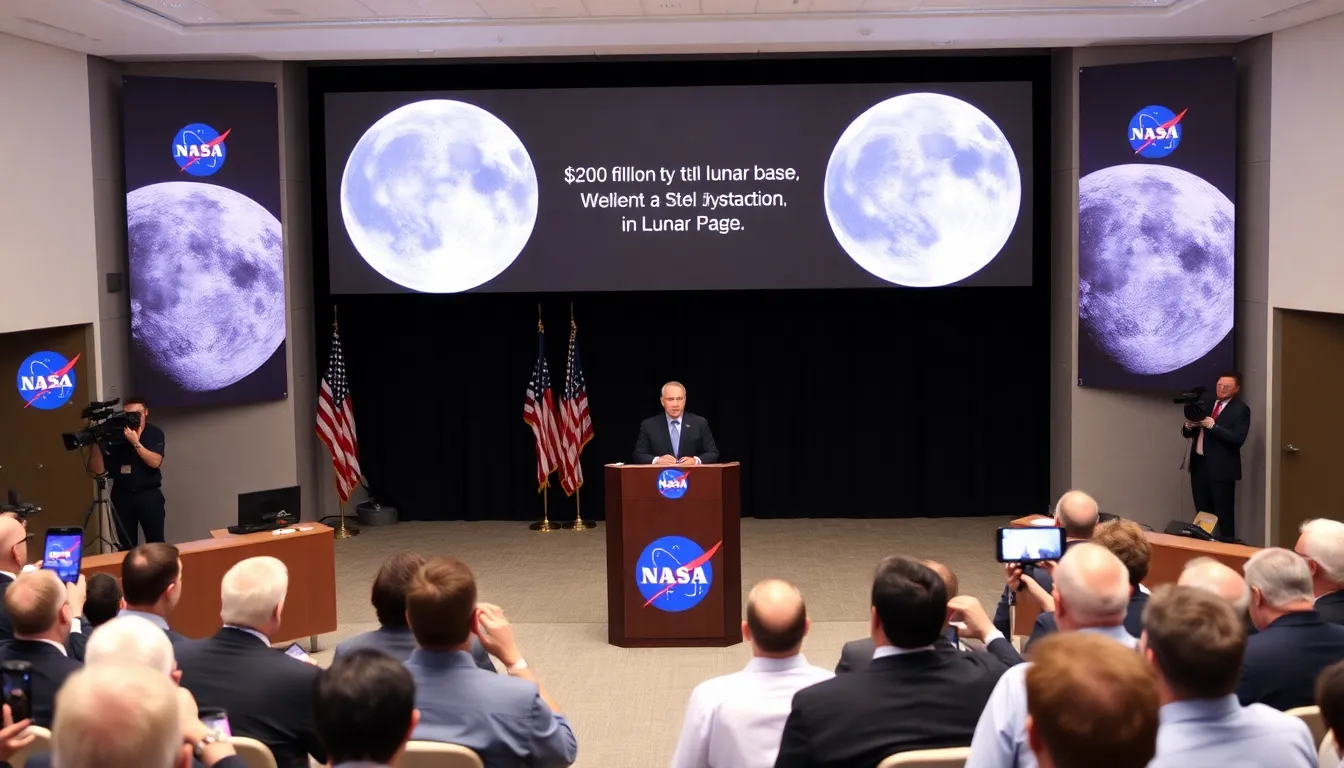
Understanding the reasons behind the cancellation of the orbiting station
The decision by NASA to cancel its plans for an orbiting space station marks a significant shift in the agency’s priorities and strategies in space exploration. Historically, the idea of a permanent human presence in low Earth orbit has been a cornerstone of space policy, particularly following the success of the International Space Station (ISS). However, as the costs of maintaining such a facility escalated, coupled with a growing emphasis on lunar exploration, the agency found itself at a crossroads.
In recent years, the political landscape surrounding space exploration has also evolved. With increasing competition from private companies and international actors, NASA has faced pressure to demonstrate tangible results and advancements in space technology. The pivot towards a lunar base aligns with the broader goals outlined in the Artemis program, which aims to return humans to the Moon and establish a sustainable presence there by the end of the decade.
The economic implications of the shift
Economically, the decision to invest $20 billion in a lunar base rather than an orbiting station reflects a strategic reallocation of resources. The costs associated with the ISS have been substantial, with maintenance and operational expenses consuming a significant portion of NASA’s budget. For more insights on the implications of funding decisions in various sectors, check out this article on fertiliser supply challenges in India.
Key milestones in this transition include the successful Artemis I mission, which demonstrated NASA’s commitment to lunar exploration, and the ongoing development of the Space Launch System (SLS) and Orion spacecraft. These advancements are not only pivotal for lunar missions but also for establishing a long-term human presence beyond Earth, setting the stage for future exploration and commercial opportunities.
In summary, the cancellation of the orbiting station is a reflection of changing priorities within NASA, driven by economic considerations, political pressures, and a vision for sustainable lunar exploration. As the agency embarks on this new chapter, the focus on building a moon base represents both a challenge and an opportunity for the future of space exploration.
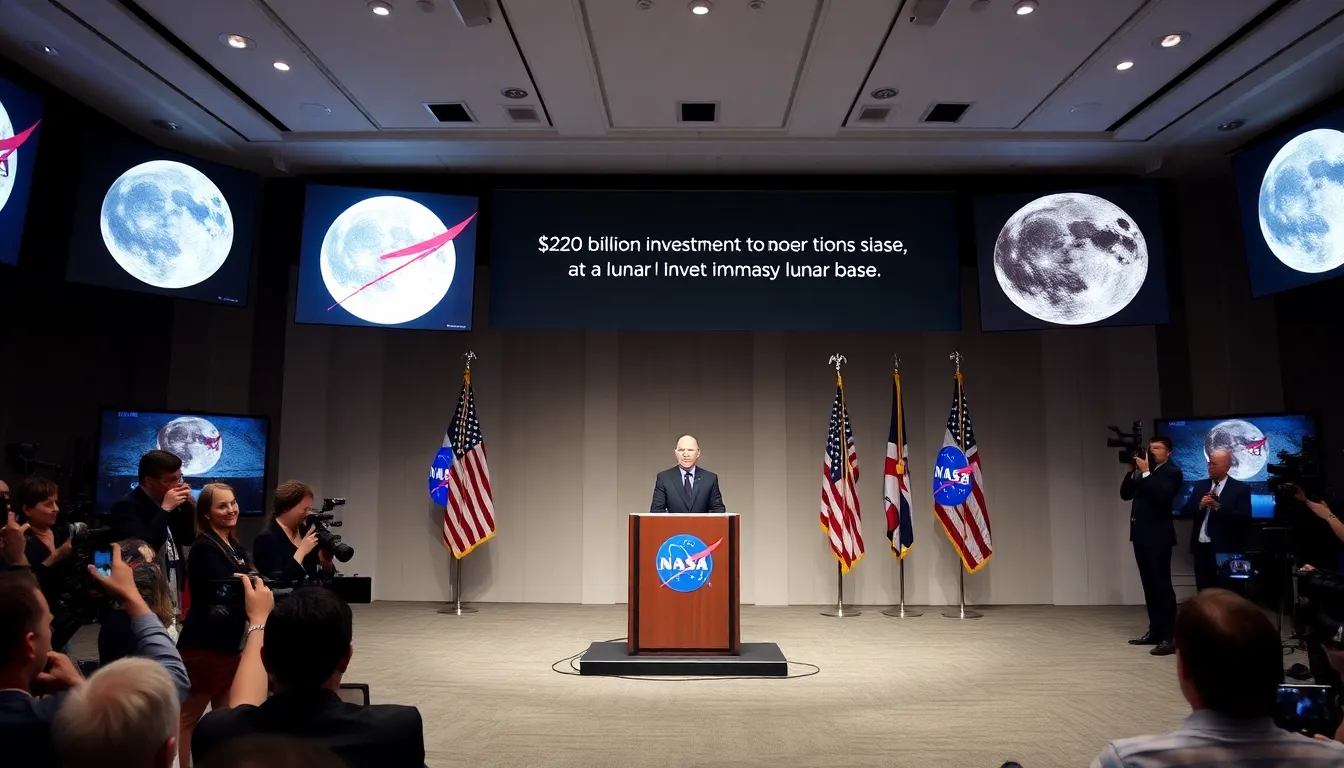
Key stakeholders and implications of the moon base project
The decision by NASA to allocate $20 billion towards the establishment of a moon base marks a significant shift in its lunar exploration strategy, particularly following the cancellation of the planned orbiting space station. This initiative involves various stakeholders, including government entities, private aerospace companies, and international space agencies, each with distinct interests and potential conflicts.
NASA, as the primary agency behind the project, aims to advance human exploration of the Moon and lay the groundwork for future missions to Mars. Their focus is on scientific research, technological innovation, and international collaboration. However, the shift in funding priorities raises questions about resource allocation and the implications for other projects, including the defunct orbiting station.
Private aerospace companies, such as SpaceX and Blue Origin, stand to benefit significantly from NASA’s investment in the moon base. These companies are keen on securing contracts for transportation, construction, and ongoing support for lunar operations. However, this could lead to a competitive environment where smaller firms may struggle to gain a foothold, raising concerns about monopolistic practices within the space industry. This situation mirrors the recent layoffs in the gaming industry due to significant revenue shifts.
Internationally, space agencies like the European Space Agency (ESA) and Roscosmos may seek to collaborate with NASA on the moon base project, presenting opportunities for shared technology and joint missions. However, geopolitical tensions, particularly between the U.S. and Russia or China, could complicate these partnerships, leading to a fragmented approach to space exploration.
- Funding Allocation: The $20 billion budget may divert funds from other critical NASA projects, sparking debates about priorities in space exploration.
- Commercial Competition: The involvement of private companies could intensify competition, impacting the landscape of space contracts and innovation.
- International Collaboration: Potential partnerships with global space agencies may be hindered by geopolitical issues, affecting collaborative efforts.
- Technological Advancements: The project could drive significant advancements in technology, benefiting both space exploration and other sectors on Earth.
- Legal Framework: The establishment of a moon base raises questions about space law and governance, particularly concerning resource utilization and territorial claims.
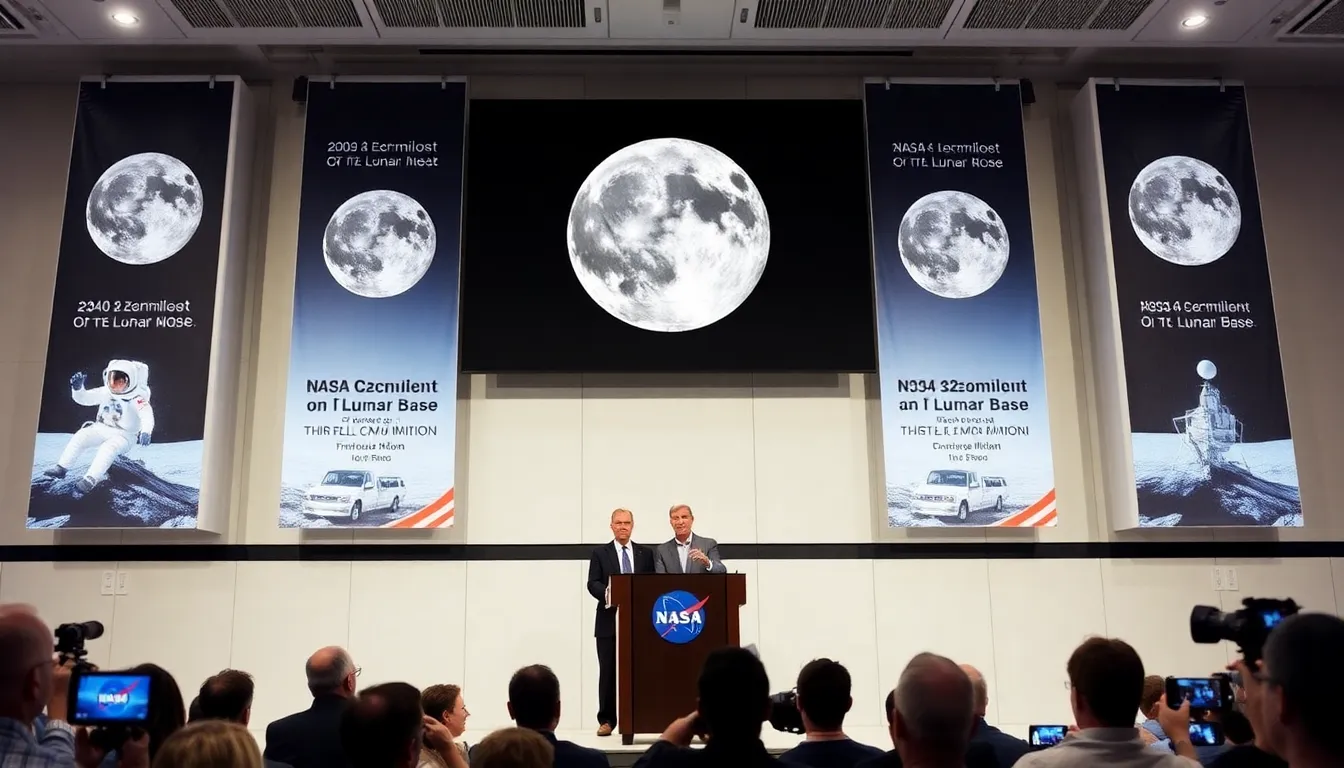
Potential impacts on the space industry and international partnerships
The decision by NASA to allocate $20 billion towards establishing a moon base signifies a major shift in the agency’s focus, impacting various stakeholders in the space industry. Companies involved in aerospace manufacturing, technology development, and scientific research are poised to experience both challenges and opportunities as this new initiative unfolds.
In the short term, businesses engaged in lunar exploration technologies may see an increase in demand for their products and services. This could lead to a surge in job creation within the aerospace sector, particularly in regions with established space industry hubs, such as California and Texas. Furthermore, partnerships with private companies could foster innovation and accelerate the development of new technologies.
However, the cancellation of the orbiting station raises concerns about the future of ongoing projects and international collaborations that were previously tied to it. Countries and organizations that had invested in the International Space Station (ISS) may feel the impact, leading to potential diplomatic tensions and a reevaluation of joint missions.
- Short-term impacts: Increased job opportunities in aerospace, potential for technological advancements.
- Mid-term impacts: Shift in international partnerships, possible delays in existing projects.
- Risks: Diplomatic strains, loss of investment in ISS-related programs.
- Opportunities: New markets for lunar technologies, enhanced private sector collaboration.
As the moon base project progresses, regions with a robust infrastructure for space research and development may attract further investments. This could lead to a ripple effect in local economies, benefiting ancillary industries such as education, tourism, and technology startups that support space exploration initiatives.
A: Nasa cancelled the orbiting station project due to budget constraints and a strategic shift towards more sustainable lunar exploration initiatives. A: The investment will be allocated towards the construction of the moon base, research and development, and supporting technologies for long-term lunar habitation. A: This shift may lead to new partnerships as countries and private entities align their lunar exploration goals with Nasa’s moon base plans. A: While specific timelines are yet to be finalized, Nasa aims to establish a functional moon base by the late 2020s. A: A moon base will facilitate deeper space exploration, enable scientific research, and serve as a staging ground for missions to Mars and beyond.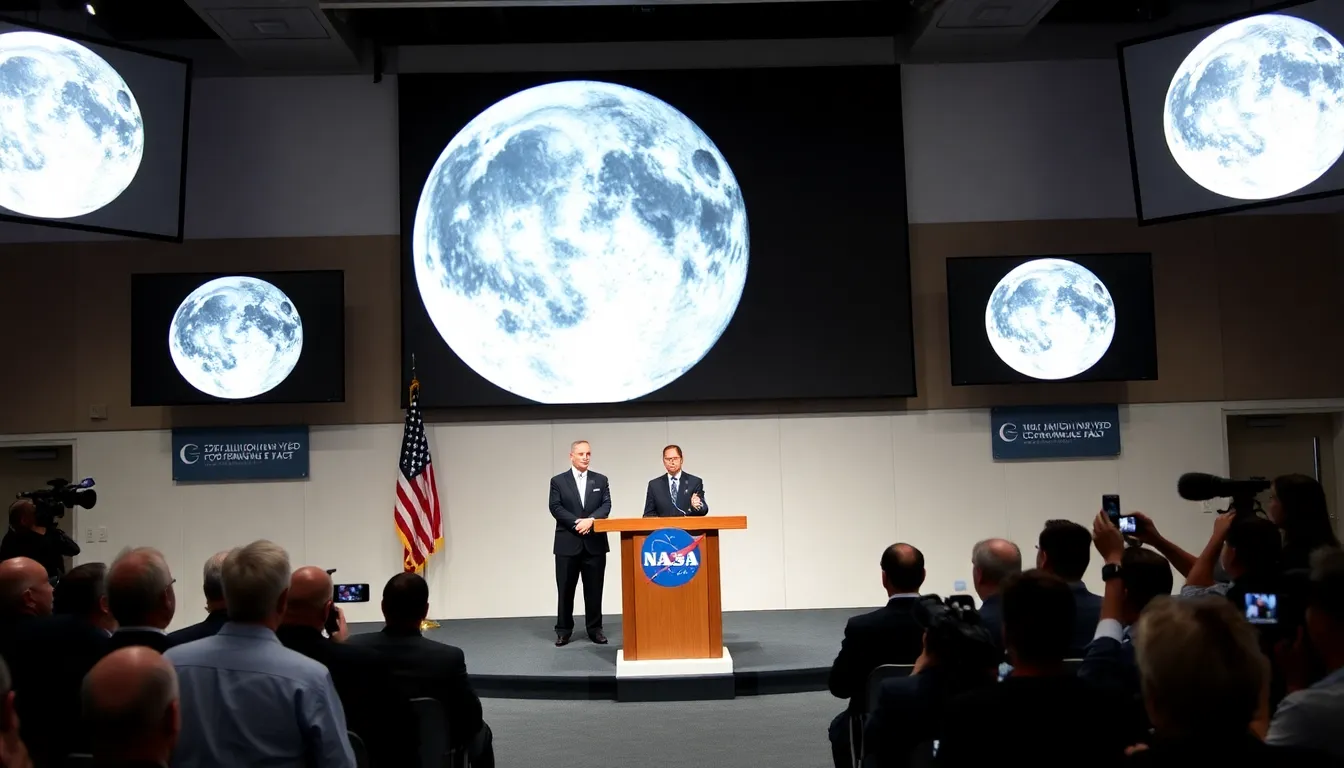
Frequently asked questions about Nasa’s moon base initiative
Future outlook and key takeaways from Nasa’s announcement
Nasa’s decision to allocate $20 billion towards establishing a moon base marks a significant shift in its strategic focus, moving away from the concept of an orbiting station. This investment underscores a commitment to lunar exploration and the potential for long-term human presence on the Moon. As the agency pivots, the implications for international collaboration, technological advancements, and the broader space economy become increasingly relevant.
The development of a moon base could serve as a crucial stepping stone for future missions to Mars and beyond, fostering innovations in life support systems, habitat construction, and resource utilization. Stakeholders should monitor how this initiative influences partnerships with private companies and other space agencies, as well as its impact on scientific research and exploration strategies.
- Increased collaboration: Expect more partnerships between Nasa and private aerospace companies, enhancing innovation and reducing costs.
- Technological advancements: The focus on lunar habitation may drive breakthroughs in sustainable technologies applicable both on Earth and in space.
- International engagement: Nasa’s moon base plans could encourage other nations to participate in lunar exploration, fostering a collaborative international space community.
- Economic opportunities: The initiative may stimulate economic growth through new jobs and industries related to space exploration and technology.
- Long-term vision: This move aligns with a broader vision for human space exploration, setting the stage for future missions to Mars and beyond.