
The attack occurred in the southern part of Israel, specifically targeting civilian areas, leading to widespread panic and destruction. Emergency services responded promptly, but the rapidity of the attack left little time for residents to seek shelter, contributing to the high casualty rate.
This incident comes on the heels of heightened military activity in the region, with Iran reportedly increasing its support for militant factions in response to perceived threats from Israel. Analysts suggest that this could be a strategic move by Iran to assert its influence and retaliate against Israeli operations in Syria and Lebanon.
The international community has expressed concern over the escalation of violence, urging both sides to exercise restraint. The situation remains fluid, with fears that further attacks could lead to a broader conflict, impacting not only Israel but also neighboring countries and global geopolitical stability.
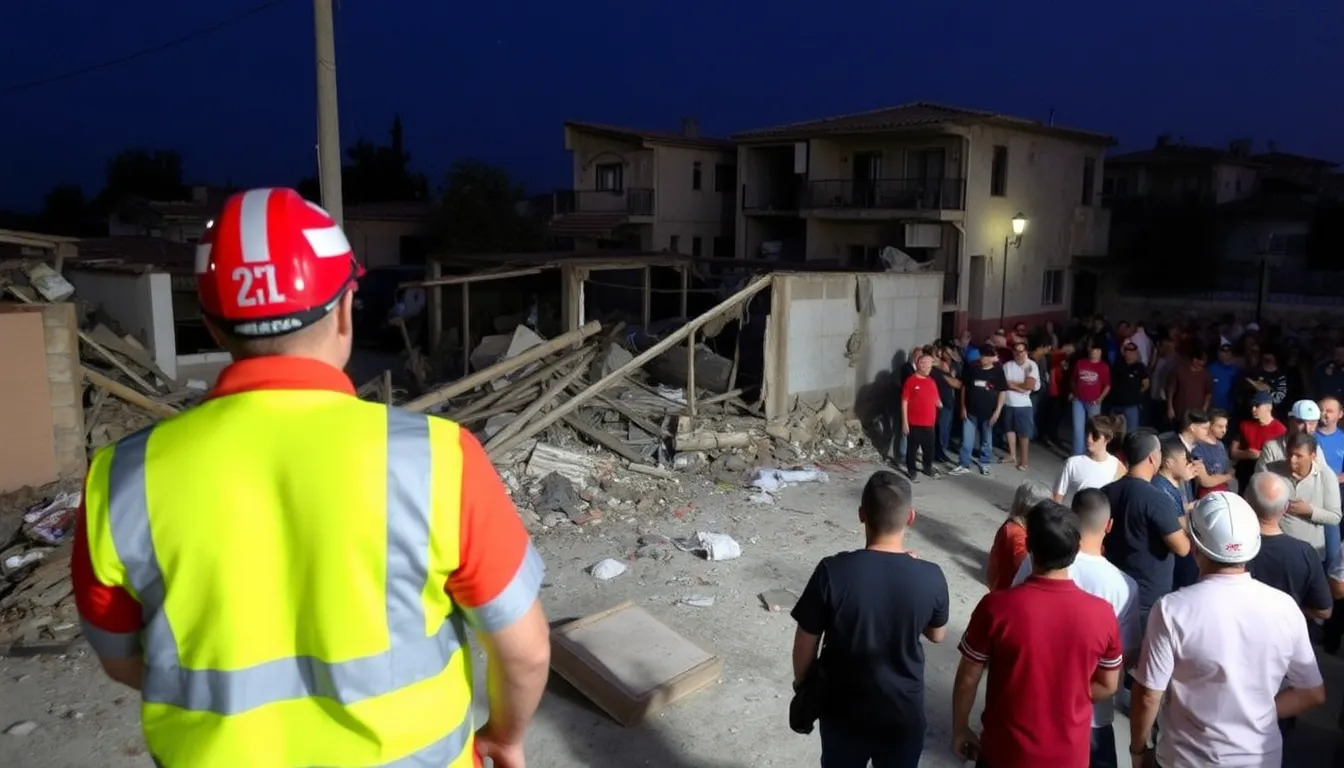
Understanding the background of the Israel-Iran conflict
The conflict between Israel and Iran has deep historical roots that date back to the Islamic Revolution in 1979, which transformed Iran from a pro-Western monarchy into an Islamic Republic. This shift fundamentally altered the geopolitical landscape of the Middle East, leading to a staunch opposition to Israel, which Iran views as an illegitimate state occupying Muslim land. The ideological divide between the two nations has been exacerbated by regional power struggles, sectarian tensions, and the pursuit of nuclear capabilities by Iran.
Throughout the 1980s and 1990s, Iran positioned itself as a supporter of various militant groups in the region, including Hezbollah in Lebanon and Hamas in the Gaza Strip. This support has been a significant source of tension between Iran and Israel, as these groups have engaged in numerous attacks against Israeli targets. The Second Intifada in the early 2000s further intensified hostilities, with both sides engaging in military confrontations and retaliatory strikes.
The situation escalated dramatically in the late 2000s and 2010s with Iran’s nuclear program coming under international scrutiny. Israel has consistently expressed concerns about Iran’s potential to develop nuclear weapons, leading to a series of covert operations and military threats aimed at curbing Iran’s capabilities.
Recent Developments in the Region
In recent years, the conflict has taken on new dimensions, particularly with the involvement of other regional actors and the shifting alliances in the Middle East. The Syrian Civil War has seen Iran bolster its military presence in Syria, which Israel views as a direct threat. Additionally, the normalization of relations between Israel and several Arab states through the Abraham Accords has further isolated Iran, prompting it to increase its military assertiveness in the region. The recent missile attack that resulted in nine deaths highlights the volatile nature of this conflict and the broader implications for regional stability.
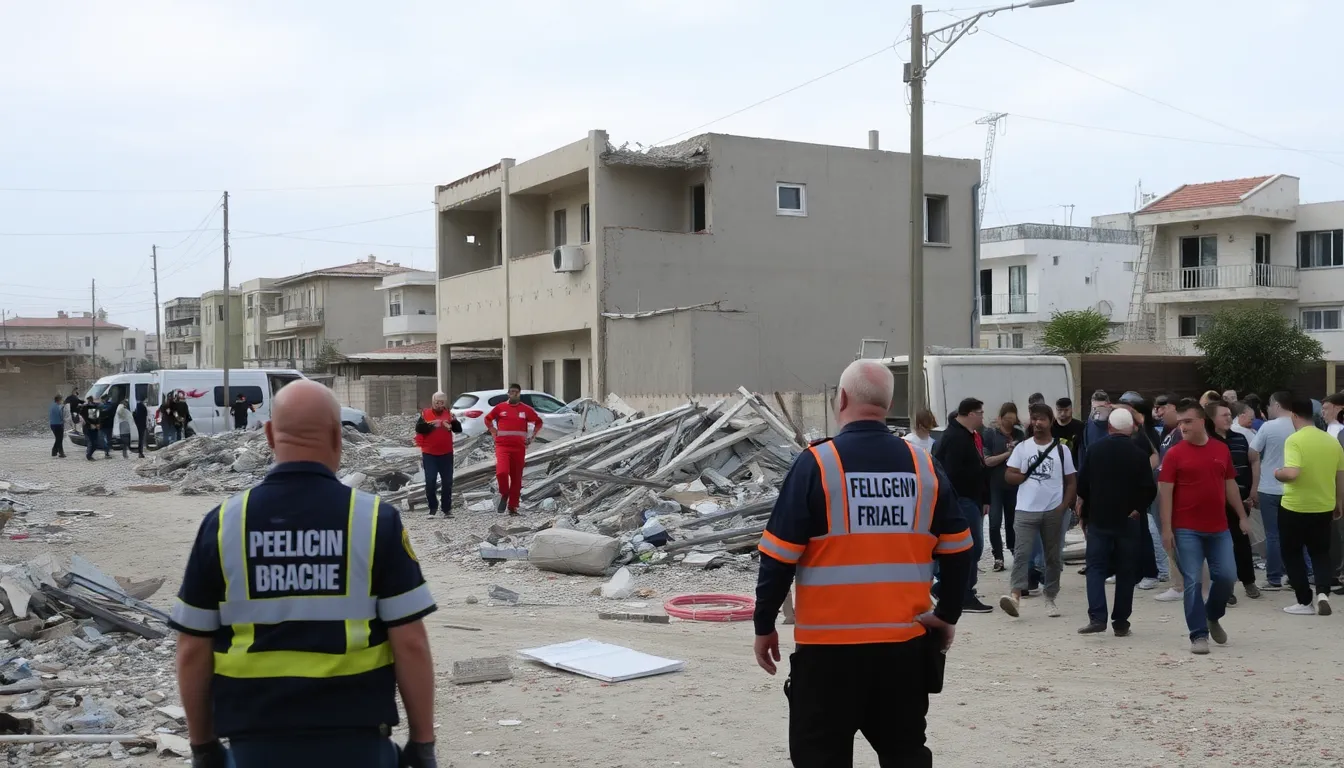
Key stakeholders and implications of the missile attack
The recent missile attack on Israel, which resulted in the tragic loss of nine lives, has drawn attention to a complex web of stakeholders involved in the ongoing conflict in the region. Key actors include the Israeli government, Iranian authorities, various militant groups, and international powers with vested interests in Middle Eastern stability.
The Israeli government, led by Prime Minister Benjamin Netanyahu, is primarily focused on national security and the protection of its citizens. The attack poses a significant challenge to their defense strategy and may lead to retaliatory actions that could escalate tensions further. The Israeli military’s response will likely be scrutinized both domestically and internationally, as they balance the need for security with the potential for broader conflict.
Iran, on the other hand, has been accused of supporting militant groups that operate in the region, with the aim of expanding its influence. The Iranian government views its involvement as a means to counter perceived threats from Israel and its allies. This incident could serve to rally domestic support for the Iranian regime, but it also risks provoking a stronger military response from Israel and its allies, particularly the United States.
- Regional Stability: The attack could destabilize the already volatile Middle East, prompting reactions from neighboring countries.
- International Relations: The incident may affect diplomatic relations between Iran, Israel, and Western powers, particularly in regard to nuclear negotiations.
- Militant Activities: Increased military actions could embolden militant groups, leading to further violence and civilian casualties.
- Humanitarian Concerns: Escalating conflict raises significant humanitarian issues, particularly for civilians caught in the crossfire.
In addition to the immediate actors, international organizations and foreign governments are also stakeholders in this situation. The United Nations and various humanitarian organizations may seek to address the fallout from the attack, advocating for ceasefires and peace negotiations. Meanwhile, countries like the United States and Russia will be closely monitoring the situation, as their interests in the region could be affected by any escalation of hostilities.
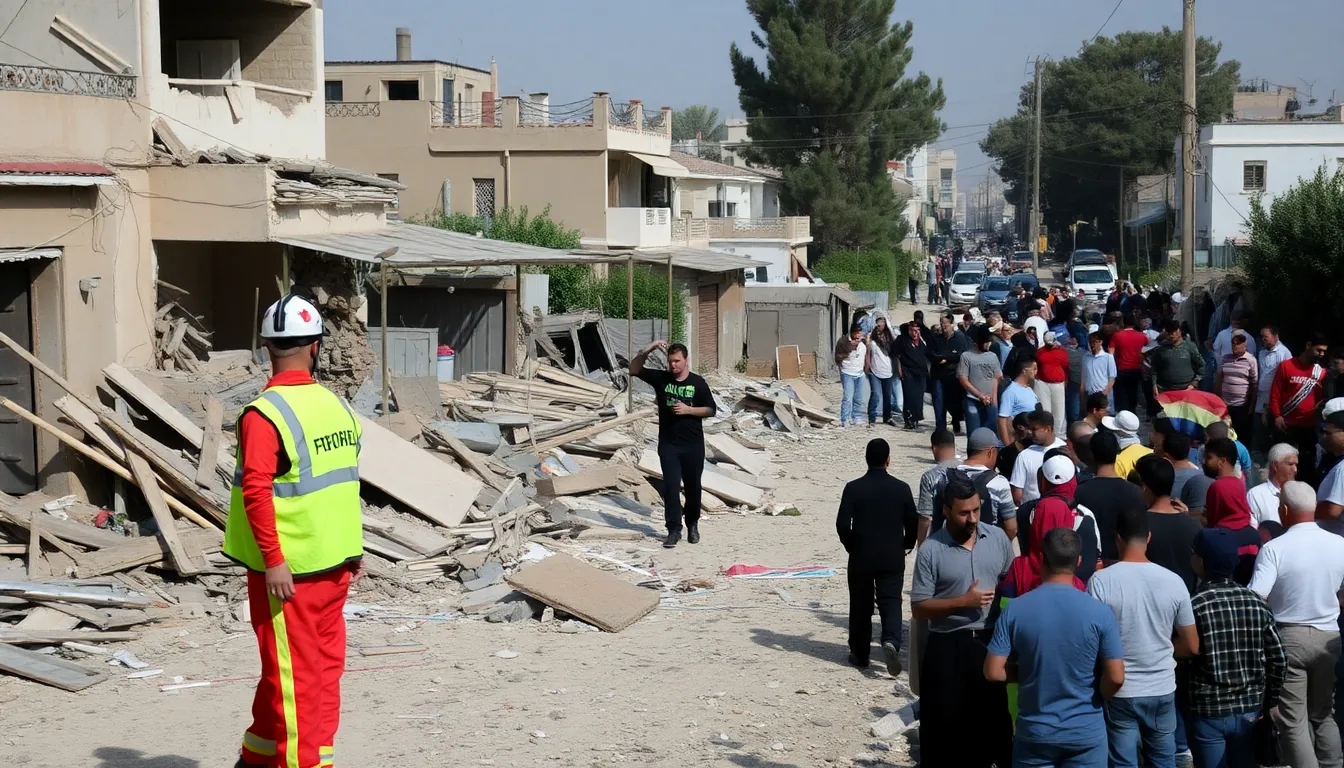
Impact on civilians and regional stability
The recent missile attack on Israel, resulting in the tragic loss of nine lives, has far-reaching implications for various groups and industries. Civilians in affected areas face immediate threats to their safety and security, leading to heightened anxiety and disruption in daily life, especially as many are still grappling with the aftermath of violence and uncertainty.
In the short term, businesses in the region, particularly those in tourism and hospitality, may experience a sharp decline in activity. The perception of increased danger can deter both local and international visitors, leading to financial losses. Additionally, essential services such as healthcare may become strained as resources are diverted to address the immediate needs of the injured and displaced individuals.
In the mid-term, the geopolitical landscape may shift as regional stability is threatened. Countries neighboring Israel could face increased tensions, potentially leading to a broader conflict. This instability can impact trade routes and economic partnerships, affecting industries reliant on cross-border transactions. Furthermore, governments may implement stricter security measures, influencing daily life for residents and altering business operations.
- Civilians: Increased fear and disruption of daily activities.
- Tourism and Hospitality: Potential decline in visitors and associated revenues.
- Healthcare Services: Strain on resources due to increased casualties.
- Geopolitical Tensions: Risk of broader conflict affecting trade and economic stability.
Despite these challenges, there may be opportunities for industries focused on security and technology. Companies providing defense solutions or crisis management services could see increased demand as nations prioritize safety and preparedness. Additionally, rebuilding efforts in the aftermath of conflict may stimulate growth in construction and infrastructure sectors, offering a pathway to recovery and development in the region.
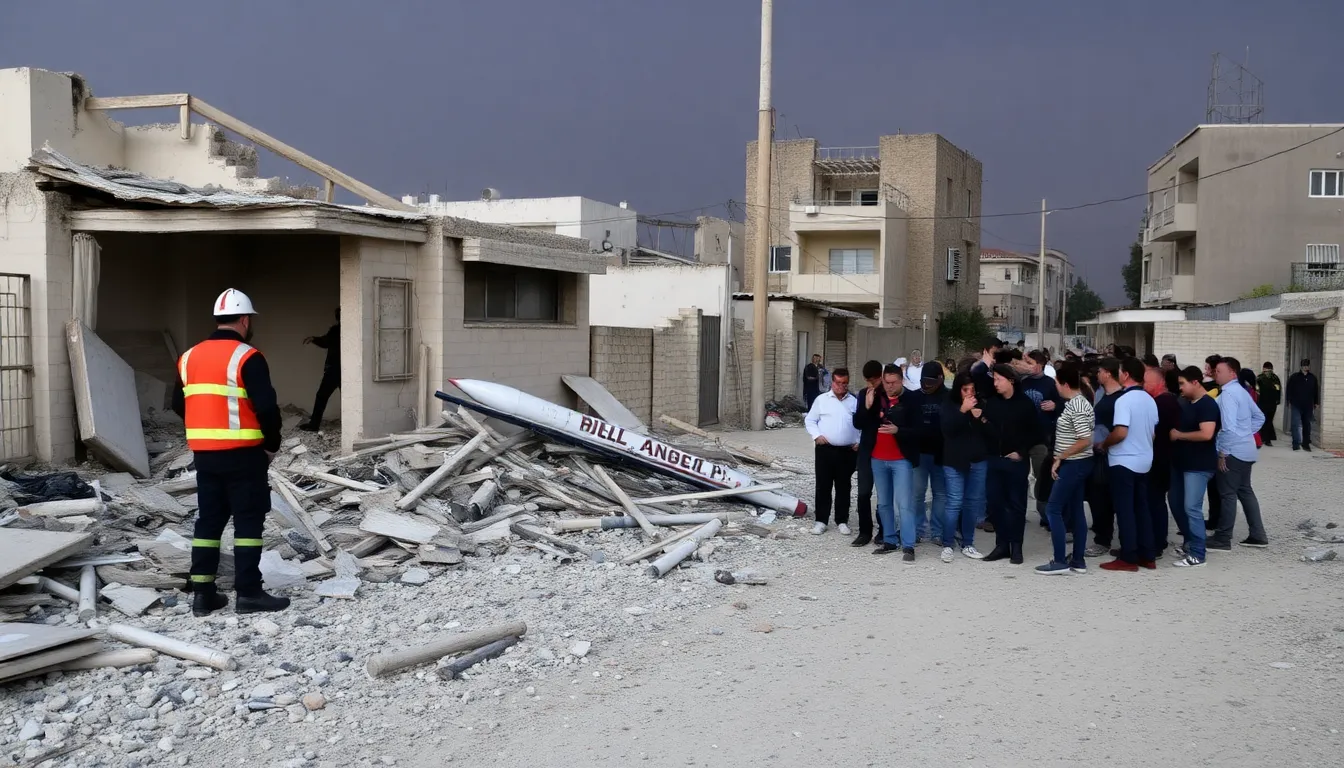
Frequently asked questions about the missile attack
A: The missile attack is believed to be linked to escalating tensions between Israel and Iran, with Iran reportedly supporting militant groups in the region.
A: Israel has condemned the attack and is likely to increase military operations against perceived threats from Iran and its allies.
A: The attack could lead to further military escalation in the region, affecting civilian safety and international relations.
A: Various countries have expressed concern over the attack, calling for restraint and dialogue to prevent further violence.
Key takeaways and future outlook on the conflict
The recent missile attack that resulted in nine fatalities in Israel underscores the ongoing volatility in the region, particularly as Iran’s influence continues to expand. This incident not only highlights the immediate threats faced by Israel but also raises questions about the broader implications for regional security and international relations. As tensions escalate, the potential for retaliatory actions and further military engagement looms large, necessitating a careful examination of future developments.
Monitoring the responses from both Israeli and Iranian leadership will be crucial in understanding the trajectory of the conflict. The international community’s reaction, particularly from key players like the United States and European nations, will also play a significant role in shaping the next steps in this fraught landscape.
- The likelihood of increased military operations in response to the attack may lead to further escalation in the region.
- International diplomatic efforts will be critical in de-escalating tensions and preventing a wider conflict.
- Watch for shifts in public sentiment within Israel and Iran, as domestic pressures could influence government actions.
- Potential economic repercussions, including sanctions or military aid adjustments, could emerge based on how the situation unfolds.
- Regional allies and adversaries will be closely observing the developments, which may impact their strategic decisions moving forward.