
The transaction is part of a broader trend where traditional media firms are seeking financial backing from international investors to bolster their operations amid increasing competition from streaming platforms. For more on this evolving landscape, read about China’s recent actions that highlight the global dynamics in media investments.
Key players in this transition include Paramount Global and Warner Bros. Discovery, both of which have faced challenges in adapting to changing consumer preferences and market dynamics. The involvement of Middle Eastern funds highlights the strategic importance of diversifying ownership structures in the evolving entertainment sector.
This ownership change could lead to shifts in corporate strategy, content production, and distribution models as the new stakeholders may have distinct priorities and visions for the future of the companies. Industry analysts are closely monitoring how this investment will impact the competitive landscape and the direction of Paramount and Warner Bros. Discovery.
Understanding the Background of the Deal
The recent announcement that Paramount and Warner Bros. Discovery will be 38.5% owned by Middle Eastern funds marks a significant shift in the media landscape. This development can be traced back to the increasing influence of sovereign wealth funds from the Gulf region, which have been actively seeking investment opportunities in global entertainment and media sectors, similar to the esports industry.
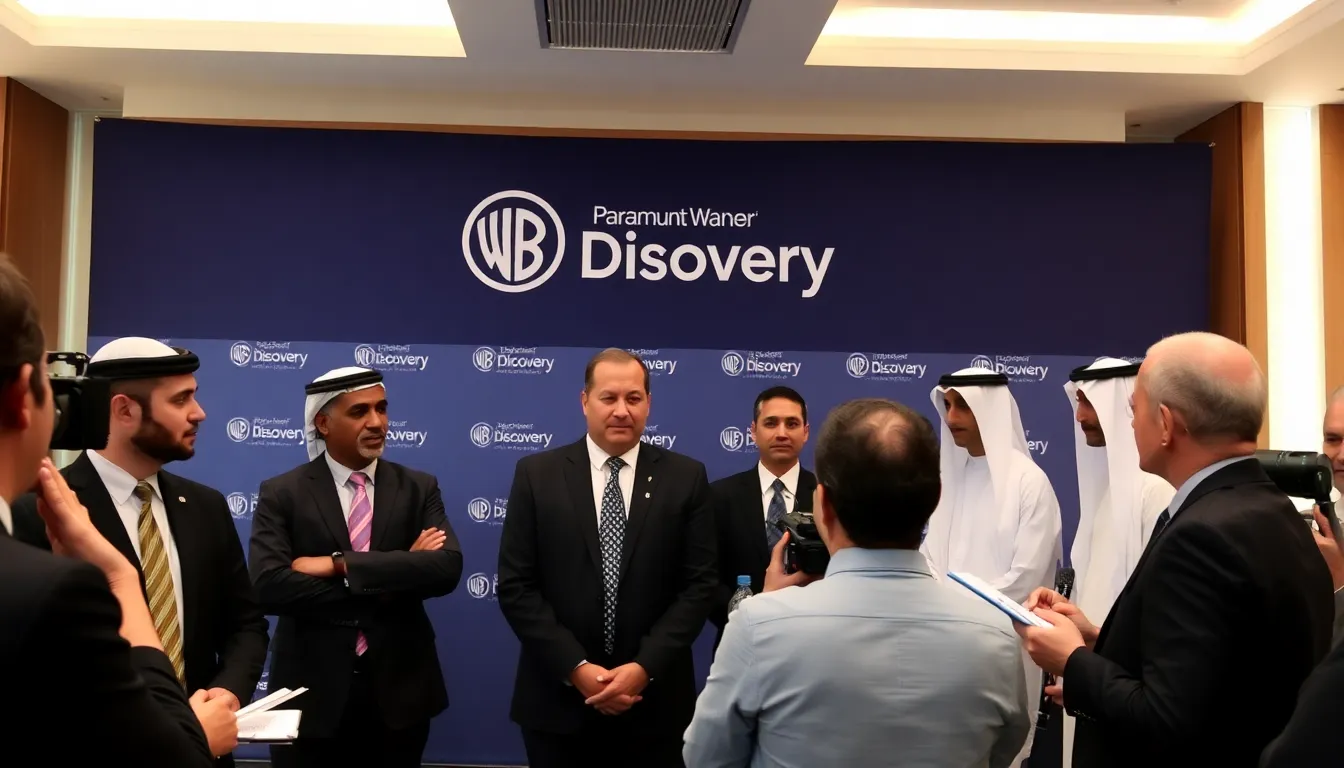
Historically, Middle Eastern sovereign wealth funds, such as the Qatar Investment Authority and the Public Investment Fund of Saudi Arabia, have diversified their portfolios beyond oil and gas. In recent years, these funds have invested heavily in various sectors, including technology, real estate, and entertainment. The entertainment industry, in particular, has become an attractive target due to its potential for high returns and the growing demand for content driven by streaming services.
The backdrop of this deal is also influenced by the financial struggles faced by traditional media companies. Paramount and Warner Bros. Discovery, like many of their peers, have grappled with declining viewership on traditional platforms and the need to pivot towards digital strategies. This has led to a series of mergers and acquisitions, as companies seek to consolidate resources and enhance their competitive edge. The infusion of capital from Middle Eastern investors could provide the much-needed liquidity to navigate these challenges and support innovative content production.
Key Milestones in Media Investment
Several key milestones have paved the way for this deal. Notably, the merger of WarnerMedia and Discovery in 2021 created a new media powerhouse, but also highlighted the need for substantial investment to compete with tech giants like Netflix and Amazon, echoing sentiments found in the music industry’s evolution.
Key Stakeholders and Issues Surrounding the Acquisition
The acquisition of Paramount-Warner Bros. Discovery by Middle Eastern funds marks a significant shift in the media landscape. Key stakeholders in this transaction include the management teams of Paramount and Warner Bros. Discovery, the investing Middle Eastern funds, and regulatory bodies in both the United States and the investing countries. Each of these actors has distinct interests that shape the dynamics of this acquisition.
The management teams of Paramount and Warner Bros. Discovery are primarily focused on maximizing shareholder value and ensuring the long-term sustainability of their operations. They are likely to advocate for strategies that enhance content production and distribution capabilities, as well as explore new revenue streams. Conversely, the Middle Eastern funds are interested in securing a profitable return on their investment, which may lead them to influence strategic decisions, particularly in content direction and market positioning.
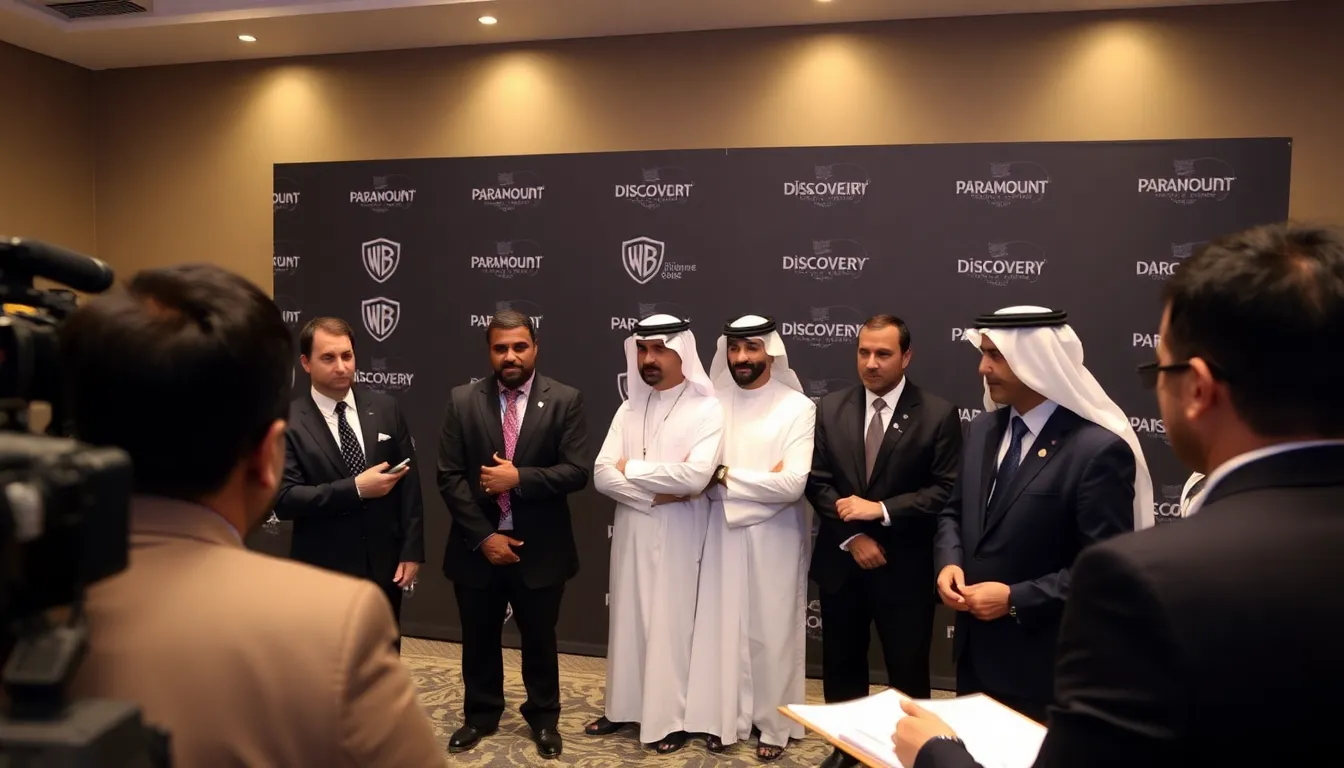
Regulatory bodies will play a critical role in scrutinizing the acquisition to ensure compliance with antitrust laws and foreign investment regulations. This scrutiny is essential to maintain fair competition in the media sector. Additionally, the involvement of foreign investors may raise concerns about national security and cultural influence, leading to potential pushback from various stakeholders, including lawmakers and consumer advocacy groups.
- Conflicts of Interest: The alignment of business goals between the Middle Eastern funds and the management of Paramount-Warner Bros. Discovery may not always coincide, leading to potential conflicts.
- Economic Implications: The acquisition could reshape the competitive landscape of the media industry, affecting smaller players and content creators.
- Legal Challenges: Anticipated regulatory hurdles may delay the acquisition process and necessitate legal negotiations.
- Cultural Concerns: The influence of foreign funds could lead to debates around content censorship and the representation of diverse narratives.
- Market Reactions: Investor sentiment may fluctuate based on the perceived success or challenges of the acquisition, impacting stock prices and market stability.
In summary, the acquisition of Paramount-Warner Bros. Discovery by Middle Eastern funds is fraught with complexities that involve various stakeholders, each with their own interests and concerns. The outcomes of this transaction will likely have far-reaching implications for the media industry and beyond.
Potential Impact on the Entertainment Industry and Market
The recent filing indicating that Paramount and Warner Bros. Discovery will be 38.5% owned by Middle Eastern funds signals a significant shift in the ownership landscape of major entertainment entities. This move will primarily affect stakeholders within the entertainment industry, including studios, production companies, and streaming services. Additionally, consumers and audiences who engage with the content produced by these companies may also feel the effects.
In the short term, this ownership change may lead to increased investment in content creation, as Middle Eastern funds are likely to seek high-quality productions that appeal to diverse audiences. This could result in a surge of new films and series, particularly those that resonate with international markets. However, there is a risk that such investments may prioritize profitability over artistic integrity, potentially leading to a homogenization of content.
Mid-term impacts could include shifts in business strategies as these companies align their operations with the interests of their new investors. This may involve changes in policy regarding content distribution, marketing, and audience engagement. Additionally, the integration of Middle Eastern perspectives could foster a more inclusive representation in media, opening doors to new narratives and storytelling approaches.
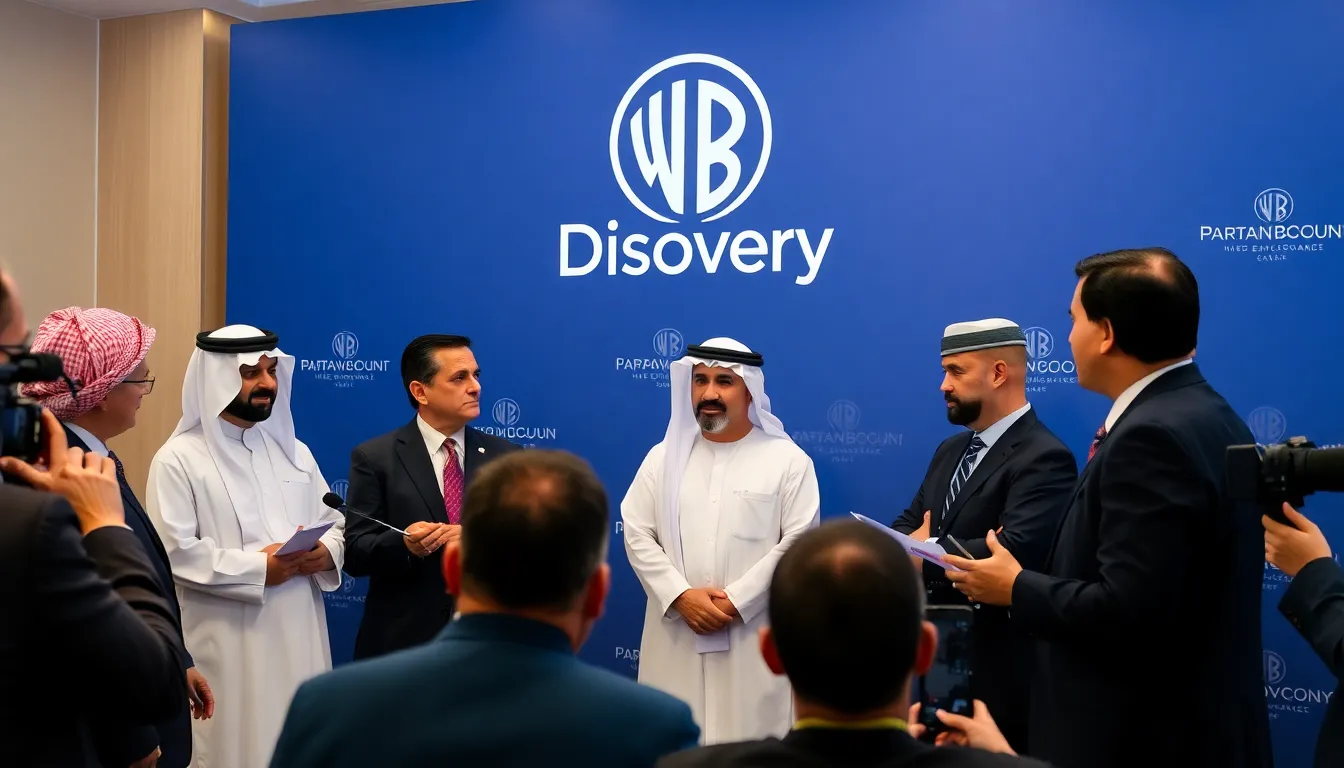
- Risks: Potential prioritization of profit over creativity.
- Opportunities: Increased funding for diverse and high-quality content.
- Risks: Possible shifts in content policies that may alienate certain audience segments.
- Opportunities: New narratives that reflect global perspectives.
Regions such as the Middle East may experience a boost in cultural exchange and collaboration as these funds influence the types of projects that get greenlit. This could lead to increased visibility for Middle Eastern talent and stories in the global entertainment arena, fostering a richer cultural dialogue.
A: The shift in ownership indicates a significant investment from Middle Eastern funds, which could influence the company’s strategic direction and content production. A: The specific funds have not been disclosed in the filing, but they are expected to play a crucial role in the company’s future investments and growth. A: Current shareholders may see changes in stock performance and company strategy as the new stakeholders bring their own vision for growth. A: Risks may include shifts in corporate governance, potential cultural clashes, and the impact of foreign influence on content decisions. A: It is possible that the new ownership will lead to changes in content strategy, focusing on new markets and audience preferences.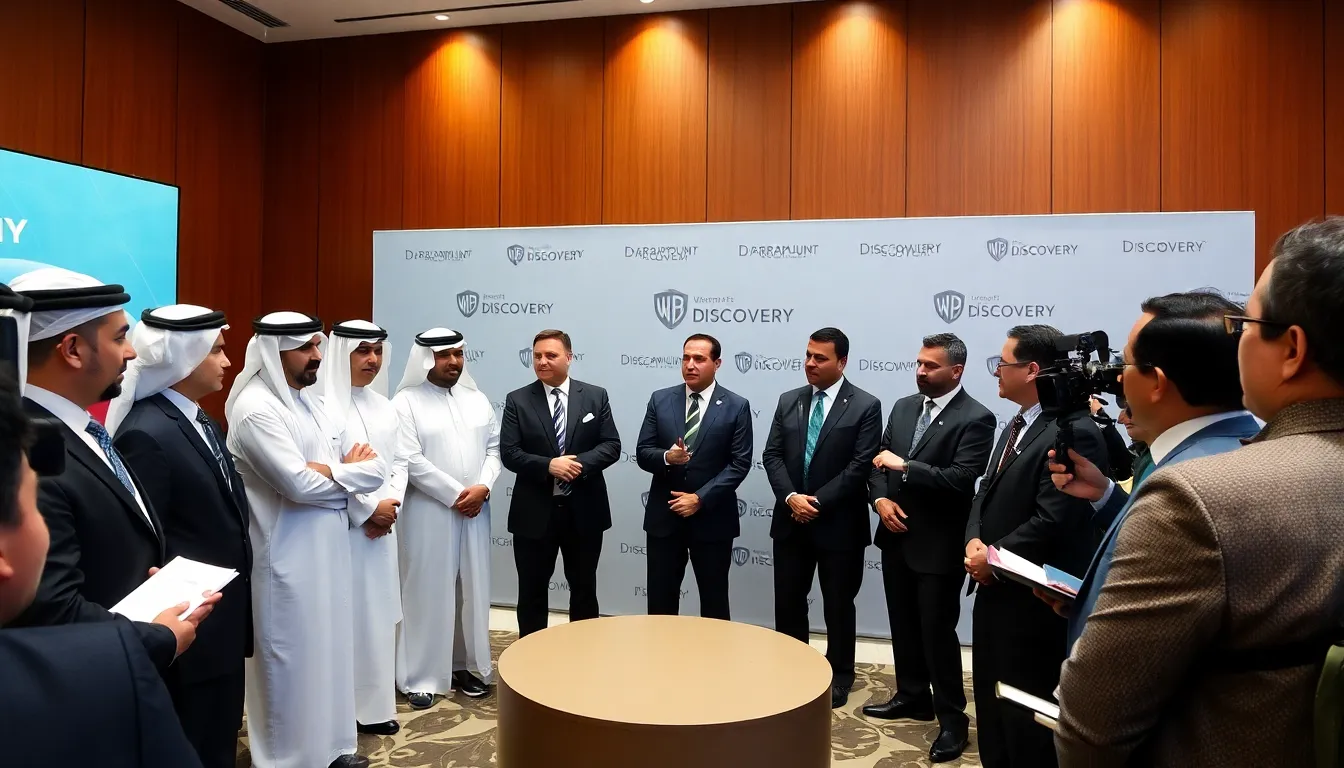
Frequently Asked Questions About the Ownership Change
Key Takeaways and Future Outlook for Paramount-Warner Bros. Discovery
The recent filing indicating that Middle Eastern funds will hold a 38.5% stake in Paramount-Warner Bros. Discovery marks a significant shift in the ownership structure of one of the largest media conglomerates. This development not only highlights the growing influence of foreign investment in the entertainment sector but also raises questions about the strategic direction and operational priorities of the company moving forward.
As Paramount-Warner Bros. Discovery navigates this new landscape, stakeholders should pay close attention to how this partnership will shape content creation, distribution strategies, and overall corporate governance. The infusion of capital from Middle Eastern investors may lead to increased investment in original programming and international market expansion, potentially altering the competitive dynamics within the industry.
- Monitor how the new ownership structure influences content strategy, particularly in terms of regional programming and global appeal.
- Watch for potential shifts in leadership or corporate governance that may arise from the new stakeholders’ involvement.
- Assess the impact on financial performance and stock valuation as the company adapts to its new investment landscape.
- Evaluate partnerships and collaborations that may emerge as a result of increased funding and international interests.
- Consider the implications for audience engagement and market positioning in an increasingly competitive media environment.