
This achievement is particularly noteworthy as it underscores the increasing investment and interest in esports from traditional media and sponsors. With both Liquid and Guild being prominent organizations in the esports landscape, their partnership has created a unique platform that blends entertainment and competition. For more on how esports organizations are evolving, read about ESL FACEIT Group and Kick’s global partnership. The event featured a variety of games, drawing in diverse audiences and further solidifying the genre’s place in popular culture.
Industry analysts are paying close attention to this breakthrough, as it may signal a shift in how esports is perceived and consumed. The rise in viewership reflects not only the quality of the production but also the strategic marketing efforts that have made the event accessible to a wider demographic. As esports continues to evolve, such milestones will be critical in shaping its future trajectory.
Moreover, this achievement comes at a time when esports is competing with traditional sports for audience attention. The ability to attract 100,000 viewers indicates that esports can hold its own in the entertainment landscape, potentially leading to more partnerships and sponsorships in the future. Learn more about the implications of esports on traditional sports by exploring The Women’s Six Nations, which highlights similar challenges in a different sporting context.
Understanding the rise of esports and its mainstream appeal
Esports, or competitive video gaming, has evolved from a niche hobby into a global phenomenon over the past two decades. Initially, gaming was seen as a solitary activity, but with the advent of online multiplayer games and streaming platforms, it transformed into a spectator sport. The rise of platforms like Twitch and YouTube Gaming allowed players to broadcast their gameplay, attracting millions of viewers and fostering a sense of community.
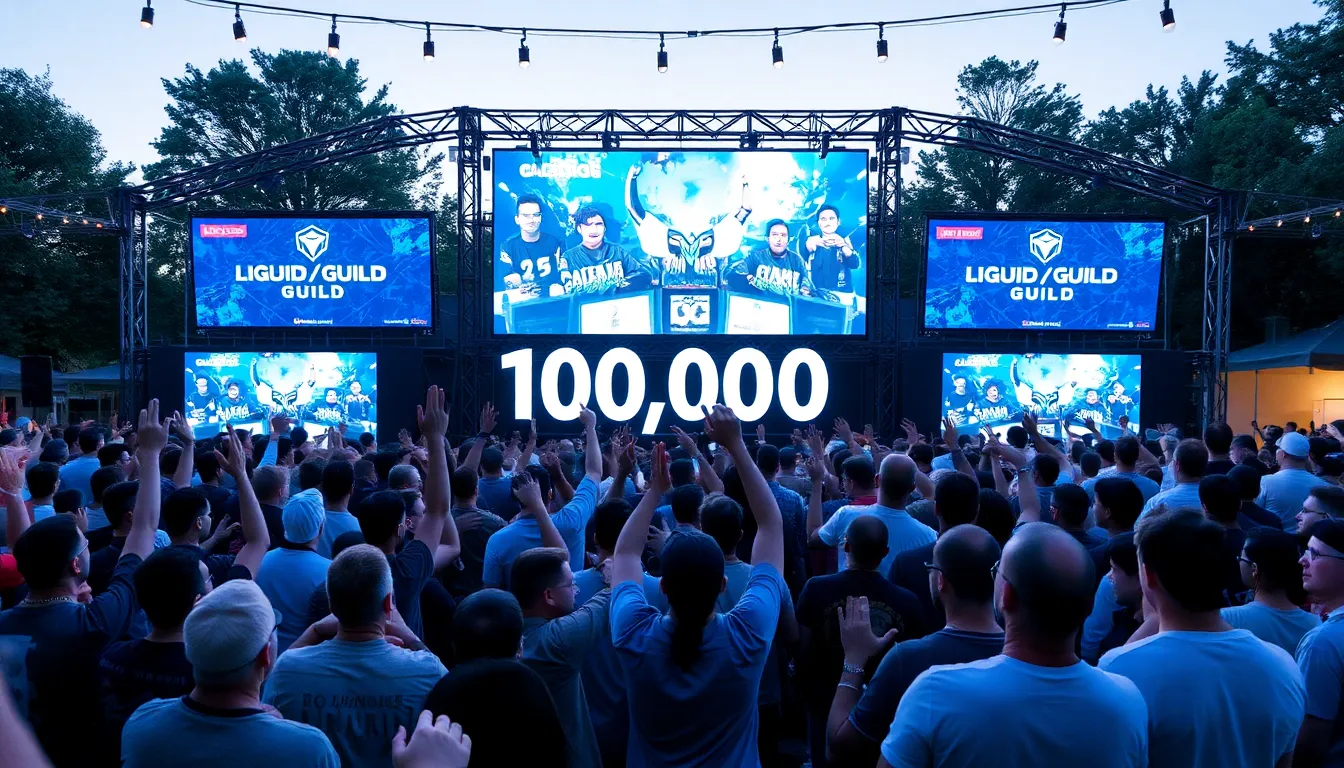
The socio-economic factors contributing to this rise are significant. As internet access and gaming technology improved, younger generations found themselves increasingly drawn to esports. The demographic shift, with millennials and Gen Z embracing gaming as a form of entertainment, has led to a surge in viewership. Events like the League of Legends World Championship and The International Dota 2 Championships have drawn in audiences comparable to traditional sports finals, showcasing the potential for esports to capture mainstream attention.
Politically, the perception of esports has shifted as well. Governments and institutions have begun to recognize the economic potential of esports, leading to investments and support for the industry. Countries like South Korea have long been pioneers in esports, establishing a framework that legitimizes competitive gaming and encourages its growth. This recognition has paved the way for more structured leagues and tournaments, further solidifying esports’ place in the mainstream.
Key milestones in esports development
Several key milestones have marked the evolution of esports. The establishment of the Electronic Sports League (ESL) in 2000 set a foundation for competitive gaming, while the launch of the Major League Gaming (MLG) in 2002 brought professional gaming to the forefront. For insights into recent trends in gaming that have influenced such events, consider reading about Exploring the Trends in Inside Health, which discusses the broader context of competitive engagement.
Key stakeholders and issues in the esports industry
The rapid growth of esports, particularly highlighted by LA’s Liquid/Guild project reaching 100,000 viewers, has attracted a diverse range of stakeholders. These include game developers, esports organizations, sponsors, broadcasters, and fans, each with their own set of interests and motivations. Understanding these stakeholders is crucial to grasp the dynamics of the industry and the challenges it faces.
Game developers, such as Riot Games and Blizzard Entertainment, are primarily interested in maximizing player engagement and monetizing their titles through esports tournaments. Their investments in competitive gaming are driven by the desire to create a sustainable ecosystem that boosts game sales and maintains player interest. However, conflicts may arise when developers impose restrictions on tournament formats or sponsorships, which can frustrate esports organizations.
Esports organizations, like Team Liquid and Guild Esports, have a vested interest in building their brand and securing sponsorship deals. As they navigate the competitive landscape, these organizations must balance the need for visibility with the demands of sponsors and fans. This often leads to trade-offs, such as prioritizing certain games or events over others, which can alienate parts of their audience.
- Legal Issues: The esports industry faces various legal challenges, including player contracts, intellectual property rights, and regulatory compliance. These legal frameworks are often evolving, creating uncertainty for organizations and players alike.
- Economic Factors: The economic landscape for esports is influenced by sponsorship revenue, advertising, and merchandise sales. Economic downturns can lead to reduced funding, impacting the viability of smaller organizations.
- Audience Engagement: As esports grows, engaging a diverse audience becomes crucial. Organizations must find ways to attract not only hardcore gamers but also casual viewers, which may require innovative content strategies.
- Technological Advancements: The integration of new technologies, such as virtual reality and augmented reality, presents both opportunities and challenges for the industry. Stakeholders must adapt to these changes to stay relevant.
Governments and regulatory bodies are also emerging as significant players in the esports scene. Their interest lies in ensuring fair play and protecting consumers, but their involvement can sometimes lead to stringent regulations that may stifle innovation. Balancing regulation with growth will be critical as the esports industry continues to evolve.
Impact on viewers, sponsors, and the esports market
The recent achievement of LA’s Liquid/Guild esports project in reaching 100,000 viewers marks a significant milestone for the esports industry. This breakthrough not only elevates the visibility of esports but also affects a diverse range of stakeholders, including viewers, sponsors, and various sectors within the gaming and entertainment industries.
Viewers, particularly the younger demographics who are increasingly drawn to digital entertainment, are directly impacted as they gain access to high-quality esports content. This shift in viewership patterns can lead to a greater acceptance of esports as a mainstream entertainment option, altering daily leisure activities and social interactions. Additionally, the influx of new viewers may encourage more diversity in content, catering to a broader audience.
Sponsors and advertisers are also significantly affected by this development. With a larger audience, brands are more likely to invest in esports, recognizing the potential for high engagement and brand loyalty. This could lead to increased sponsorship deals, advertising revenue, and partnerships that can enhance the overall quality of esports events. However, there are risks involved, such as the potential for oversaturation of the market, which could dilute brand value and viewer interest.
- Short-term impacts: Increased viewership may lead to immediate revenue boosts for esports organizations and content creators.
- Mid-term impacts: A sustained viewer base could encourage investments in infrastructure and talent development within the industry.
- Risks: The rapid growth may create challenges in maintaining quality and viewer engagement.
- Opportunities: Brands can explore innovative marketing strategies tailored to the esports audience.
Regions with a strong gaming culture, such as Los Angeles, are likely to see economic benefits as local businesses tap into the esports phenomenon. This could lead to job creation in areas like event management, streaming services, and content production. Policymakers may also need to consider regulations and support for the burgeoning esports industry to ensure sustainable growth.
A: Reaching 100,000 viewers signifies a major milestone for the Liquid/Guild project, showcasing its growing popularity and acceptance in mainstream culture. A: This milestone can attract more sponsors and investors, boosting the overall growth and legitimacy of the esports industry. A: The project plans to expand its audience engagement strategies and explore new content formats to maintain and grow its viewer base. A: Key stakeholders include the Liquid and Guild organizations, sponsors, content creators, and the gaming community. A: Viewers can participate by following the project on social media, attending live events, and engaging with the content through various platforms.
Frequently asked questions about the esports milestone
Future outlook for esports and viewer engagement
The recent achievement of LA’s Liquid/Guild esports project in surpassing 100,000 viewers marks a significant milestone in the evolution of esports as a mainstream entertainment medium. This breakthrough suggests a growing acceptance and interest in competitive gaming, not just among dedicated fans but also in broader audiences. As esports continues to integrate with traditional media platforms, the potential for increased viewer engagement and commercial opportunities appears promising.
Looking ahead, the success of this project could serve as a blueprint for future endeavors in the esports landscape. Stakeholders, including teams, sponsors, and broadcasters, may need to adapt their strategies to capitalize on this momentum, exploring innovative content delivery and audience interaction methods to sustain growth.
- Expect a rise in partnerships between esports organizations and mainstream brands aiming to reach younger demographics.
- Increased investment in production quality and storytelling to enhance viewer experience will likely follow.
- Monitoring shifts in viewer engagement metrics will be crucial for understanding audience preferences and behaviors.
- Future tournaments may incorporate more interactive elements, allowing fans to engage with content in real-time.
- As esports gains traction, regulatory frameworks may evolve, impacting how teams and players operate within the industry.