
In recent years, there has been a resurgence of interest in Jackson’s music videos, particularly as streaming platforms highlight classic content. The impact of directors like Scorsese, who directed the groundbreaking video for “Bad” in 1987, continues to be analyzed and celebrated. Their innovative approaches have influenced a generation of artists and directors, reaffirming the significance of visual artistry in music. If you want to learn more about the cultural relevance of Jackson’s work, check out this article.
Additionally, the 2023 release of a documentary exploring Jackson’s collaborations with these directors has sparked renewed discussions about his legacy. This film delves into the creative processes behind iconic videos such as “They Don’t Care About Us,” directed by Spike Lee in 1996, showcasing how these partnerships addressed social issues and cultural narratives. The documentary has prompted fans and critics alike to revisit the cultural relevance of Jackson’s work, similar to the resurgence of interest in classic narratives.
As the music industry continues to evolve, the contributions of Jackson and his directors serve as a reminder of the power of visual storytelling. The interplay between music and film has become increasingly important in today’s digital landscape, making the examination of Jackson’s legacy more relevant than ever. The ongoing dialogue around his work highlights the enduring influence of these auteur directors in shaping not only Jackson’s career but also the broader music video genre, much like the ongoing conversation surrounding modern storytelling techniques.
The Historical Context of Music Videos in the 1980s and 1990s
The 1980s marked a transformative era for music videos, transitioning from simple promotional tools to a significant art form that combined music, storytelling, and visual aesthetics. This shift was largely catalyzed by the launch of MTV in 1981, which revolutionized the music industry by providing a dedicated platform for artists to showcase their work through innovative visual presentations. The channel’s emphasis on music videos not only changed how artists engaged with their audiences but also how they crafted their artistic identities.

During this period, the music video became a crucial element of an artist’s marketing strategy. Major record labels recognized the potential of visually captivating content to enhance album sales and concert attendance. This led to increased investment in high-quality productions, with artists and directors collaborating to create visually stunning and narratively rich videos. Michael Jackson emerged as a pioneer in this field, utilizing the music video as a medium to push artistic boundaries and engage with social issues through his work.
Directors like Martin Scorsese, Spike Lee, and David Fincher played pivotal roles in this evolution. Scorsese, known for his cinematic storytelling, brought a narrative depth to Jackson’s “Bad,” while Lee infused cultural commentary into “They Don’t Care About Us.” Fincher, who directed the iconic “Black or White,” introduced groundbreaking visual effects and techniques that further elevated the music video format. These collaborations not only showcased the directors’ unique styles but also highlighted the potential of music videos as a platform for artistic expression.
Key Milestones in Music Video Production
Several key milestones during the 1980s and 1990s helped solidify the music video as a vital component of popular culture. The release of Jackson’s “Thriller” in 1983, directed by John Landis, is often credited as the turning point that established music videos as a serious art form. Its cinematic approach, combined with a compelling narrative and choreography, set a new standard for the industry. Following this, the emergence of award shows like the MTV Video Music Awards in 1984 further emphasized the cultural significance of music videos, celebrating the creative achievements of artists and directors alike.
Key Directors and Their Contributions to Jackson’s Vision
Michael Jackson’s music videos were not only a reflection of his artistic vision but also a collaboration with some of the most notable directors in the film industry. Each director brought their unique style and perspective, influencing the narrative and visual aesthetics of Jackson’s work. The key figures in this collaboration include Martin Scorsese, Spike Lee, and David Fincher, each contributing to the evolution of the music video as an art form.
Martin Scorsese, known for his groundbreaking films, directed the iconic video for “Bad.” His cinematic approach added a narrative depth to the music video, transforming it into a short film that explored themes of identity and social dynamics. Scorsese’s interest lay in using Jackson’s platform to convey complex messages, showcasing the intersection of music and film.
Spike Lee, another prominent director, collaborated with Jackson on “They Don’t Care About Us.” Lee’s focus on social justice and racial issues resonated with Jackson’s message, creating a powerful visual statement. This partnership highlighted the potential of music videos to address significant societal issues, reflecting both artists’ commitment to activism and change.
David Fincher, who directed the groundbreaking video for “Black or White,” introduced innovative visual effects and storytelling techniques. Fincher’s work emphasized the importance of technological advancements in music videos, showcasing how they could enhance the viewer’s experience. His interest in pushing creative boundaries aligned with Jackson’s desire to remain at the forefront of the entertainment industry.
- Collaboration Dynamics: The relationship between Jackson and these directors often involved negotiating creative control and artistic vision.
- Societal Impact: Each director’s unique perspective contributed to the broader cultural conversations surrounding race, identity, and social issues.
- Technological Advancements: The directors played a crucial role in integrating new technologies into music videos, influencing future productions.
- Commercial Interests: The success of these videos also reflected the commercial interests of record labels and the evolving music industry landscape.
The Lasting Impact of Jackson’s Music Videos on Popular Culture
The influence of Michael Jackson’s music videos, particularly those directed by iconic filmmakers such as Martin Scorsese, Spike Lee, and David Fincher, extends far beyond the realm of entertainment. Various groups, including artists, filmmakers, and marketers, are significantly affected by the innovative techniques and storytelling methods pioneered in these videos.
In the short term, the resurgence of interest in Jackson’s work can lead to increased viewership and streaming of his music videos, impacting the digital music industry. This can create opportunities for new artists to explore similar visual storytelling techniques, fostering a creative environment that encourages experimentation and innovation in music video production.
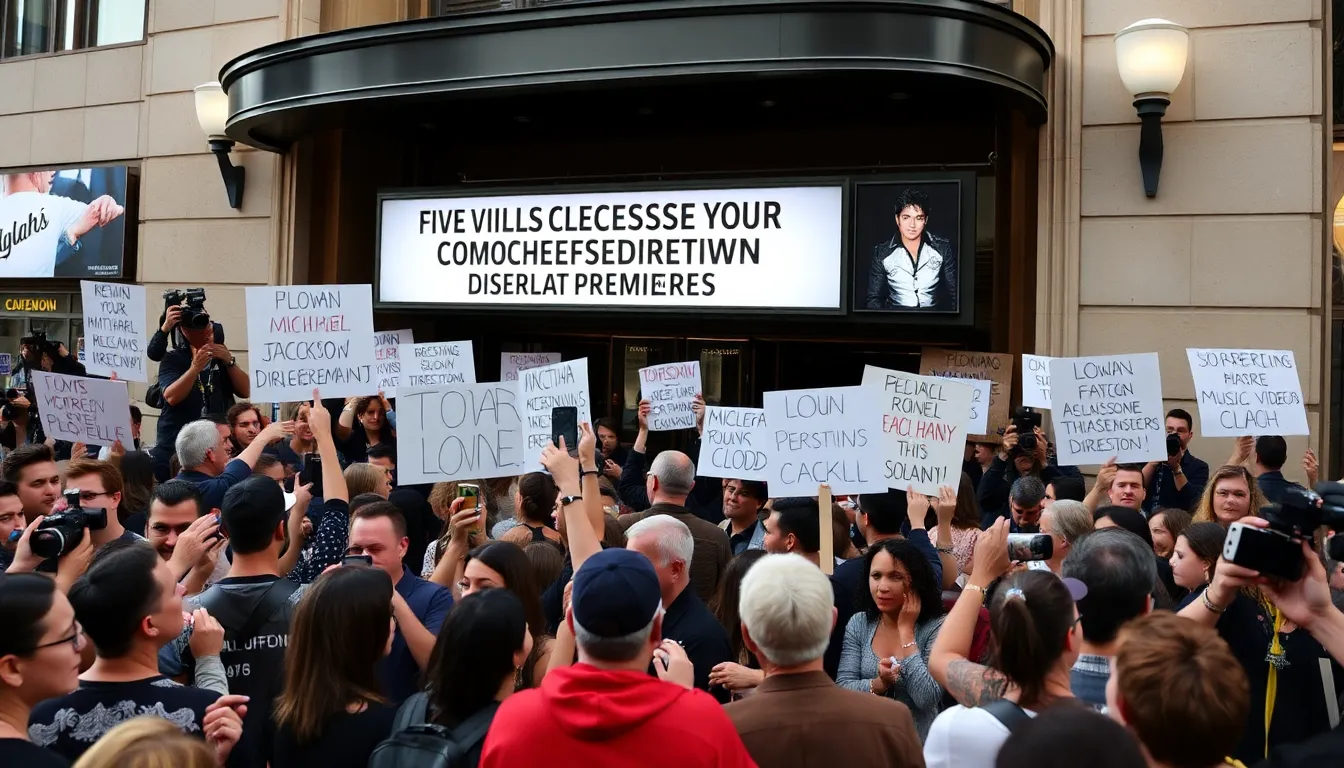
In the mid-term, industries such as advertising and fashion may also feel the ripple effects of Jackson’s influence. As brands increasingly look to align themselves with the emotional resonance and cultural significance of his work, there may be a shift in marketing strategies that prioritize artistic collaboration and high production values.
- Artists: Inspired to push creative boundaries in their own work.
- Filmmakers: Motivated to explore new narrative styles in music videos.
- Marketers: Adapting strategies to incorporate artistic elements.
- Fashion Industry: Influenced by the visual aesthetics of Jackson’s videos.
However, there are risks associated with this renewed focus. The potential for commercialization of Jackson’s artistic legacy may dilute the originality that made his work groundbreaking. Additionally, there is a danger that emerging artists may struggle to find their own voice while trying to emulate the success of Jackson’s collaborators.
A: Michael Jackson collaborated with several renowned directors, including Martin Scorsese, Spike Lee, and David Fincher, each bringing their unique style to his iconic videos. A: Each director contributed distinct storytelling techniques and visual styles, enhancing Jackson’s music and creating memorable narratives that resonated with audiences. A: Notable music videos include ‘Bad’ directed by Scorsese, ‘They Don’t Care About Us’ by Spike Lee, and ‘Black or White’ by David Fincher, all showcasing innovative visuals. A: Jackson’s music videos pushed the boundaries of the medium, incorporating cinematic techniques, choreography, and social commentary, setting new standards for the industry.
Frequently Asked Questions About Michael Jackson’s Directors
Key Takeaways and Future Implications of Jackson’s Music Video Legacy
Michael Jackson’s collaborations with renowned directors like Martin Scorsese, Spike Lee, and David Fincher have not only redefined the music video format but have also set a benchmark for artistic storytelling in popular music. As these filmmakers brought cinematic techniques and narrative depth to Jackson’s work, they transformed music videos into a compelling medium that resonates with audiences on multiple levels. This legacy continues to influence how artists approach visual storytelling today.
Looking ahead, the intersection of music and visual art will likely evolve further, driven by advancements in technology and shifting audience expectations. Artists will continue to seek innovative partnerships with filmmakers to create immersive experiences that transcend traditional music videos.
- Expect new artists to draw inspiration from Jackson’s collaborations, blending genres and visual styles to create unique narratives.
- As technology advances, interactive and augmented reality music videos may emerge, offering audiences a more engaging experience.
- Filmmakers will increasingly recognize the potential of music videos as a platform for artistic expression, leading to more ambitious projects.
- The legacy of Jackson’s music videos will inspire discussions around the cultural impact of visual storytelling in the music industry.