
Born on December 21, 1944, in Los Angeles, Tilson Thomas began his musical journey at a young age, eventually studying at the University of Southern California and the Royal Academy of Music in London. His innovative approach to conducting and commitment to contemporary composers earned him numerous accolades, including multiple Grammy Awards. His influence extended to education, where he inspired a new generation of musicians through his work with various orchestras and music festivals, such as the San Francisco Symphony.
In recent years, Tilson Thomas battled health issues, including a diagnosis of brain cancer in 2020, which led to his retirement from conducting. Despite these challenges, he continued to be a prominent advocate for the arts, emphasizing the importance of music in society. His passing has prompted an outpouring of tributes from musicians, critics, and fans alike, highlighting his profound impact on the classical music community.
The legacy of Michael Tilson Thomas is not only defined by his artistic achievements but also by his dedication to making classical music accessible to a wider audience. His innovative programming and collaborations with modern artists have left a lasting imprint on the cultural landscape. As the music world reflects on his contributions, his absence will be keenly felt in concert halls and communities across the globe.
A brief overview of Michael Tilson Thomas’s career and achievements
Michael Tilson Thomas, an iconic figure in the world of classical music, was born in 1944 in Los Angeles. He rose to prominence as a conductor, pianist, and composer, becoming a leading voice in American classical music. His career spanned over five decades, during which he held significant positions with prestigious orchestras, including the San Francisco Symphony, which he led for 25 years.
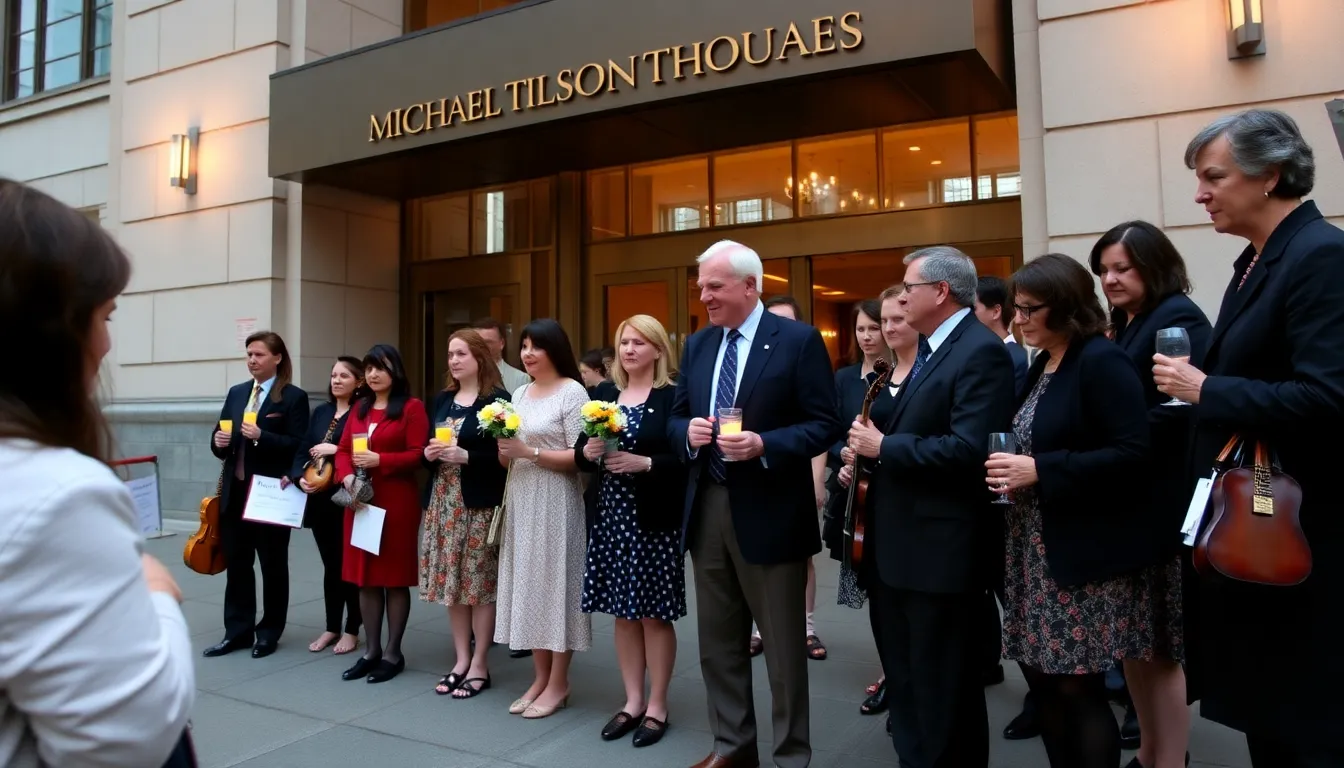
Throughout his illustrious career, Tilson Thomas received numerous accolades, including multiple Grammy Awards and the Kennedy Center Honors. He was instrumental in reviving interest in American music, showcasing works by composers such as Leonard Bernstein and Aaron Copland, and fostering the careers of emerging artists. His work extended beyond the concert hall; he was a passionate educator, sharing his love for music through various outreach programs and masterclasses.
Tilson Thomas’s influence was not limited to his conducting. He was also a prolific recording artist, with a discography that includes a wide range of classical repertoire. His collaborations with the London Symphony Orchestra and the New World Symphony, which he co-founded, were particularly notable for their emphasis on American music and new compositions. His efforts helped shape the landscape of contemporary classical music in the United States.
Milestones in Tilson Thomas’s Legacy
Several key milestones marked Tilson Thomas’s journey in the classical music world. In 1974, he made his debut with the New York Philharmonic, quickly establishing himself as a prominent conductor. His tenure with the San Francisco Symphony began in 1995, where he implemented significant changes, including the orchestra’s acclaimed multimedia projects. In 2015, he celebrated his 70th birthday with a series of concerts that highlighted his contributions to music and education, further solidifying his legacy as a transformative figure in the arts.
Key issues surrounding his influence on the music community
The passing of Michael Tilson Thomas, a prominent figure in the world of classical music, has sparked significant discussions among various stakeholders, including musicians, orchestras, educational institutions, and cultural organizations. Each of these entities has a vested interest in how his legacy will shape the future of music performance, education, and appreciation.
One of the primary actors in this scenario is the San Francisco Symphony, where Tilson Thomas served as music director for over two decades. His innovative programming and commitment to contemporary composers have set a standard that the orchestra will strive to maintain. The challenge now lies in how they will honor his legacy while continuing to evolve in a rapidly changing musical landscape.
Additionally, educational institutions that benefited from his mentorship and advocacy for music education face the task of ensuring that his ideals are integrated into their curricula. This includes fostering a new generation of musicians who are not only skilled performers but also advocates for the arts in their communities.
- Conflict of Interests: Balancing traditional classical music with contemporary influences, as Tilson Thomas often did, may create tensions within orchestras and audiences.
- Economic Implications: The music community may face financial challenges as they seek to fund new initiatives that honor Tilson Thomas’s vision while attracting diverse audiences.
- Legal Considerations: Copyright issues related to the works of contemporary composers championed by Tilson Thomas could arise as orchestras seek to program these pieces.
- Cultural Impact: The broader cultural implications of his passing may lead to a renewed focus on the importance of arts funding and support from both government and private sectors.
In summary, Michael Tilson Thomas’s death not only marks the loss of a celebrated conductor but also highlights the ongoing conversations about the future of classical music, the role of education, and the importance of adapting to the evolving cultural landscape. Stakeholders must navigate these complexities to honor his contributions while addressing the challenges ahead, particularly in organizations like the San Francisco Symphony.
The impact of his death on orchestras and musicians worldwide
The passing of Michael Tilson Thomas, a revered figure in the world of classical music, resonates deeply across various groups and industries. Orchestras and musicians globally are mourning the loss of a conductor who not only shaped their craft but also inspired generations of artists. His influence extended beyond the concert hall, impacting music education, cultural institutions, and the broader arts community.
In the short term, orchestras may experience a sense of uncertainty as they navigate the void left by his absence. This could lead to a temporary disruption in programming and leadership, as organizations seek to fill the gap with new talent. Additionally, musicians who were closely associated with Tilson Thomas may feel a profound emotional impact, which could affect their performances and collaborations.
In the mid-term, the classical music landscape may shift as organizations reflect on Tilson Thomas’s legacy. This could spur an increase in tributes, memorial concerts, and retrospectives, providing opportunities for orchestras to engage with audiences and foster community connections. Furthermore, music schools and conservatories might find renewed interest in his innovative approaches, potentially leading to curriculum changes that emphasize his contributions to modern classical music.
- Orchestras: Need for leadership transition and potential programming changes.
- Musicians: Emotional impact affecting performance and collaboration.
- Music Education: Opportunities for curriculum evolution and increased interest in contemporary classical techniques.
- Cultural Institutions: Potential for enhanced community engagement through tributes and events.
While there are risks associated with the loss of such a prominent figure, there are also opportunities for growth and revitalization within the classical music community. Organizations may harness this moment to inspire a new generation of musicians and conductors, ensuring that Tilson Thomas’s legacy continues to influence the arts for years to come.
A: Michael Tilson Thomas was known for his innovative interpretations and for serving as the music director of the San Francisco Symphony. He received multiple Grammy Awards and was influential in promoting American composers. A: He was a pioneer in blending classical music with contemporary styles and was instrumental in bringing new works to the forefront, thereby shaping the future of classical music. A: Michael Tilson Thomas was dedicated to music education, often mentoring young musicians and conducting masterclasses to inspire the next generation of artists. A: Throughout his career, he conducted numerous prestigious orchestras, including the London Symphony Orchestra and the New York Philharmonic, showcasing his versatility and global influence. A: His passing leaves a void in the classical music world, but his recordings and teachings will continue to inspire musicians and audiences for years to come.
Frequently asked questions about Michael Tilson Thomas
Reflecting on the legacy of Michael Tilson Thomas and future implications
The passing of Michael Tilson Thomas marks the end of an era in American classical music. His innovative approach to conducting and dedication to education have left an indelible mark on the orchestral landscape. As the music community mourns his loss, it also recognizes the profound influence he had on both musicians and audiences alike, shaping the future of classical music through his visionary leadership and commitment to the art form.
Looking ahead, the legacy of Tilson Thomas will continue to inspire a new generation of conductors and musicians. His emphasis on collaboration, inclusivity, and the importance of contemporary works will likely serve as guiding principles for orchestras striving to engage with diverse audiences and expand the classical repertoire.
- Emphasis on Education: The importance of music education in schools and communities may gain renewed focus, inspired by Tilson Thomas’s commitment to nurturing young talent.
- Innovative Programming: Orchestras are likely to explore more diverse and contemporary works, reflecting Tilson Thomas’s belief in the relevance of modern compositions within the classical canon.
- Community Engagement: Increased efforts to connect with local communities through outreach programs and performances may emerge, honoring Tilson Thomas’s legacy of inclusivity.
- Mentorship Opportunities: Established conductors may take on more mentorship roles, fostering the next generation of leaders in classical music.