
Allan’s career spanned over four decades, during which he filmed numerous groundbreaking documentaries, including “The Blue Planet” and “Frozen Planet.” His ability to capture intimate moments with wildlife in some of the most extreme environments on Earth earned him numerous accolades, including multiple Emmy Awards. His work not only entertained but also raised awareness about the urgent need for conservation efforts in the face of climate change.
His passing has prompted tributes from colleagues and fans around the globe, highlighting the profound impact he had on nature storytelling. Many have expressed their gratitude for his dedication to portraying the natural world with authenticity and respect. Allan’s legacy is expected to inspire future generations of filmmakers to continue exploring and documenting the wonders of our planet.
As the world grapples with ongoing environmental challenges, Allan’s work serves as a poignant reminder of the beauty that exists in nature and the importance of preserving it. His films continue to resonate, educating viewers about the delicate balance of ecosystems and the threats they face. The loss of such a visionary figure underscores the need for continued advocacy in wildlife conservation and environmental protection.
A look back at Doug Allan’s illustrious career and contributions
Doug Allan, a renowned polar cameraman, dedicated his life to capturing the breathtaking beauty and harsh realities of the world’s most remote regions. His work, particularly with famed broadcaster David Attenborough, has not only entertained millions but has also played a crucial role in raising awareness about climate change and environmental conservation. Allan’s journey began in the 1970s, when he first ventured into the Arctic and Antarctic, where he honed his skills in extreme conditions, often risking his own safety to document the fragile ecosystems.
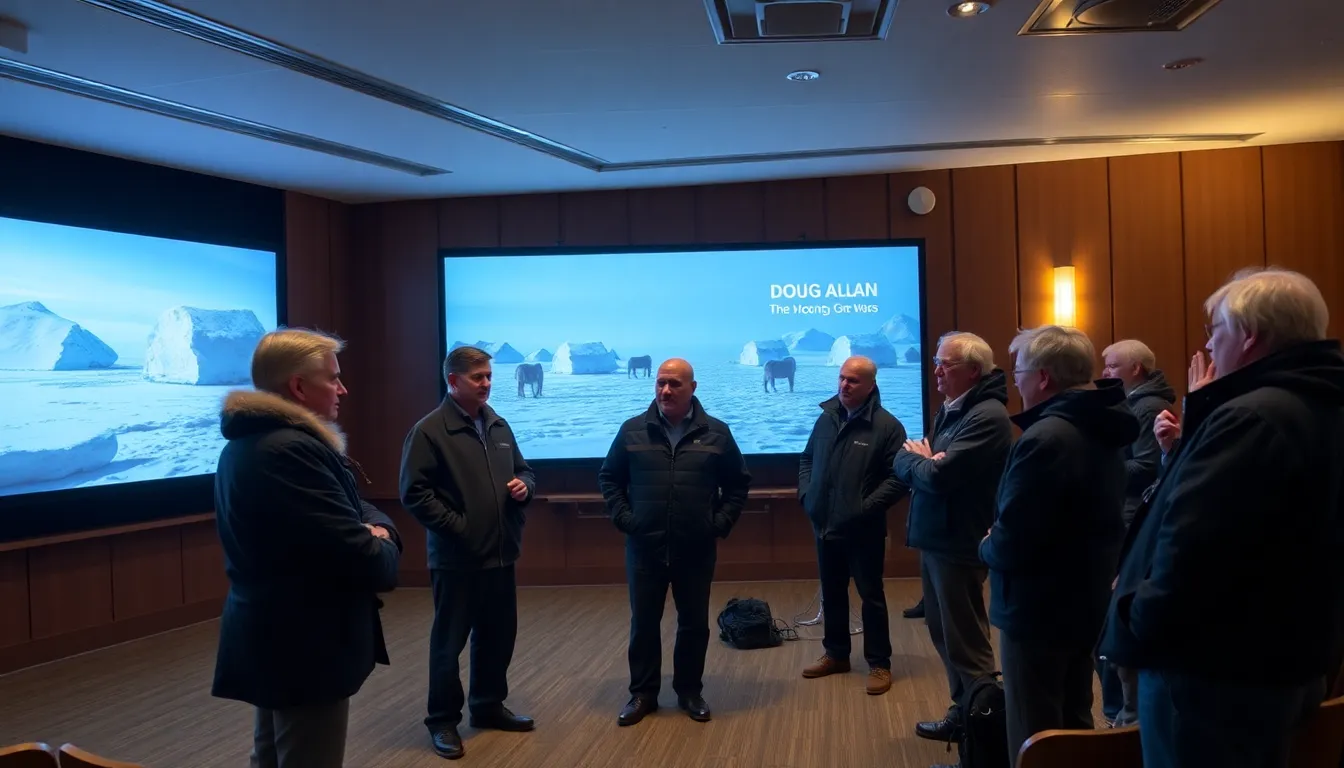
Throughout his career, Allan was involved in several landmark documentaries, including “The Blue Planet” and “Frozen Planet,” which showcased the wonders of marine life and the polar regions, respectively. These films not only highlighted the stunning visuals of nature but also underscored the urgent need for conservation efforts as climate change began to take a toll on these environments.
The Evolution of Wildlife Filmmaking
The landscape of wildlife filmmaking has evolved significantly since Allan’s early days. In the past, documentaries often focused solely on the spectacle of nature, but Allan and his contemporaries shifted the narrative towards a more holistic understanding of ecosystems and the impact of human activity. This change was particularly important as global awareness of environmental issues grew in the late 20th century, leading to an increased demand for content that not only entertained but educated viewers about the need for sustainable practices.
Allan’s contributions extended beyond the screen; he was also an advocate for responsible filmmaking in sensitive environments. His experiences in the field prompted discussions about the ethical implications of wildlife filming, pushing for guidelines that would minimize human impact on the habitats being documented. As a result, his legacy is not only one of stunning visuals but also of a commitment to preserving the natural world for future generations.
As the world grapples with the realities of climate change, the work of pioneers like Doug Allan serves as a reminder of the beauty worth protecting and the stories that need to be told. His passing marks the end of an era, but his influence on wildlife filmmaking and environmental advocacy will continue to inspire future generations of filmmakers and conservationists.
The impact of Doug Allan’s work on environmental awareness and filmmaking
Doug Allan, renowned for his breathtaking cinematography in polar regions, has played a pivotal role in shaping public perception of climate change and environmental conservation. His collaborations with David Attenborough have brought the beauty and fragility of the natural world into the living rooms of millions, raising awareness about the urgent need for environmental protection.
The primary stakeholders in this narrative include filmmakers, conservation organizations, and the general public. Filmmakers, like Allan, have a vested interest in using their craft to highlight critical environmental issues, while conservation organizations aim to leverage such powerful visual storytelling to advocate for policy changes and funding for conservation efforts. The public, as the audience, benefits from increased awareness and education about the planet’s challenges.
However, there are conflicts and trade-offs inherent in this dynamic. For instance, the commercialization of nature documentaries can sometimes lead to a dilution of their message, prioritizing entertainment over education. Additionally, the pressure on filmmakers to produce visually stunning content may conflict with ethical considerations regarding wildlife disturbance and habitat preservation.
- The impact of Allan’s work on conservation funding and policy initiatives.
- Balancing artistic expression with ethical wildlife filmmaking practices.
- The role of public engagement in driving environmental action through media.
- Potential conflicts between commercial interests and authentic storytelling.
Legal issues also arise in the context of wildlife filming, particularly regarding permits and regulations aimed at protecting endangered species and their habitats. Filmmakers must navigate these legal frameworks while striving to capture compelling footage that resonates with audiences. Allan’s legacy serves as a reminder of the delicate balance required between artistic ambition and environmental stewardship.
How Allan’s legacy will influence future generations of filmmakers
The passing of Doug Allan, a renowned polar cameraman, leaves a significant void in the world of wildlife filmmaking. His work has inspired countless filmmakers and conservationists, particularly those focused on documenting the fragility of polar ecosystems. The impact of his legacy extends beyond the film industry and touches various sectors, including environmental advocacy, education, and tourism.
In the short term, filmmakers and production companies may feel the immediate loss of Allan’s unique expertise and vision. His ability to capture the beauty and harsh realities of polar environments has set a high standard for documentary filmmaking. As filmmakers reflect on his work, they may experience a renewed commitment to environmental storytelling, potentially leading to increased funding and interest in projects that highlight climate change and conservation efforts.
In the mid-term, industries related to wildlife tourism and environmental education could see shifts in focus. Allan’s legacy may encourage a new wave of documentaries aimed at raising awareness about polar regions, driving both tourism and educational initiatives. This could lead to a rise in eco-tourism, as travelers seek authentic experiences that connect them with the natural world, inspired by the powerful imagery and narratives that Allan crafted.
- Filmmaking Industry: Increased emphasis on environmental storytelling.
- Tourism Sector: Potential growth in eco-tourism and polar expeditions.
- Education and Advocacy: Enhanced focus on climate change awareness and conservation efforts.
However, there are risks associated with this shift. The challenge lies in maintaining the quality and authenticity of storytelling without Allan’s direct influence. There is a possibility that the market may become saturated with content that fails to resonate as deeply as Allan’s work. Additionally, the urgency of climate issues may lead to a rush to produce content, potentially compromising the depth and accuracy of the narratives being told.
A: Doug Allan is best known for his work on documentaries such as ‘The Blue Planet’ and ‘Frozen Planet,’ which showcased the beauty and fragility of polar environments. A: Through his stunning cinematography, Allan brought attention to the effects of climate change on polar regions, inspiring audiences to care about wildlife conservation. A: Doug Allan received numerous awards, including multiple BAFTA awards, recognizing his exceptional contributions to wildlife filmmaking. A: Allan was known for his innovative use of remote cameras and underwater filming techniques that allowed him to capture intimate moments in the lives of polar animals. A: Allan’s passing is a significant loss for the industry, as he set a high standard for wildlife cinematography, and his influence will be felt for years to come.
Frequently Asked Questions about Doug Allan
Reflecting on the legacy of Doug Allan in wildlife cinematography
Doug Allan’s passing marks a significant moment in the world of wildlife filmmaking, leaving behind a rich legacy that has inspired countless filmmakers and conservationists. His unique ability to capture the raw beauty of the polar regions not only brought the wonders of nature into homes around the world but also highlighted the urgent need for environmental preservation. As audiences reflect on his contributions, it becomes essential to consider the future of wildlife cinematography and the ongoing challenges faced by the natural world.
Allan’s work serves as a reminder of the power of storytelling in fostering a connection between viewers and the planet. His commitment to showcasing the fragility of ecosystems will continue to resonate, encouraging future generations to both appreciate and protect the natural world. As the industry evolves, the integration of technology and conservation will become increasingly vital in telling impactful stories.
- Expect a growing emphasis on the use of advanced technology in wildlife cinematography to enhance storytelling and raise awareness about environmental issues.
- Allan’s legacy may inspire a new wave of filmmakers focused on conservation, highlighting the importance of sustainable practices in their work.
- As climate change continues to threaten polar habitats, the demand for documentaries that address these challenges is likely to increase.
- Future projects may increasingly incorporate educational elements, aiming to engage audiences in wildlife conservation efforts.
- The emotional resonance of Allan’s films could lead to a greater public push for environmental policies and initiatives aimed at protecting vulnerable ecosystems.