
The celebration, which began on June 28, 2023, typically includes communal prayers, festive meals, and family gatherings. However, many citizens have opted for minimal observance this year, reflecting their struggles to meet basic needs. Shops report a drastic decline in sales of traditional Eid items, as people prioritize essential goods over festive purchases. This decline mirrors trends seen in other regions, such as the recent report on US stock markets.
Moreover, the political landscape remains fraught with tension, as Lebanon has been without a president since October 2022. The absence of effective governance has left citizens grappling with a lack of basic services, further dampening the festive spirit. Community leaders and religious figures have called for unity and resilience during these challenging times, yet the prevailing sentiment is one of fatigue and uncertainty.
As the nation marks this important religious occasion, the muted celebrations serve as a poignant reminder of the broader challenges facing Lebanon. The intertwining crises of economic hardship and political dysfunction continue to influence daily life, leaving many to wonder what the future holds for their country.
Understanding the historical backdrop of Lebanon’s challenges
Lebanon’s complex tapestry of history is woven with threads of conflict, sectarianism, and resilience. The country has faced numerous challenges since gaining independence from France in 1943, but the civil war from 1975 to 1990 remains a pivotal event that shaped its modern identity. This brutal conflict, fueled by sectarian divisions and external interventions, left deep scars on the Lebanese society and economy, leading to a fragile political system that struggles to maintain stability. This struggle is echoed in other nations as they face their own challenges, such as Sri Lanka’s recent fuel conservation measures.
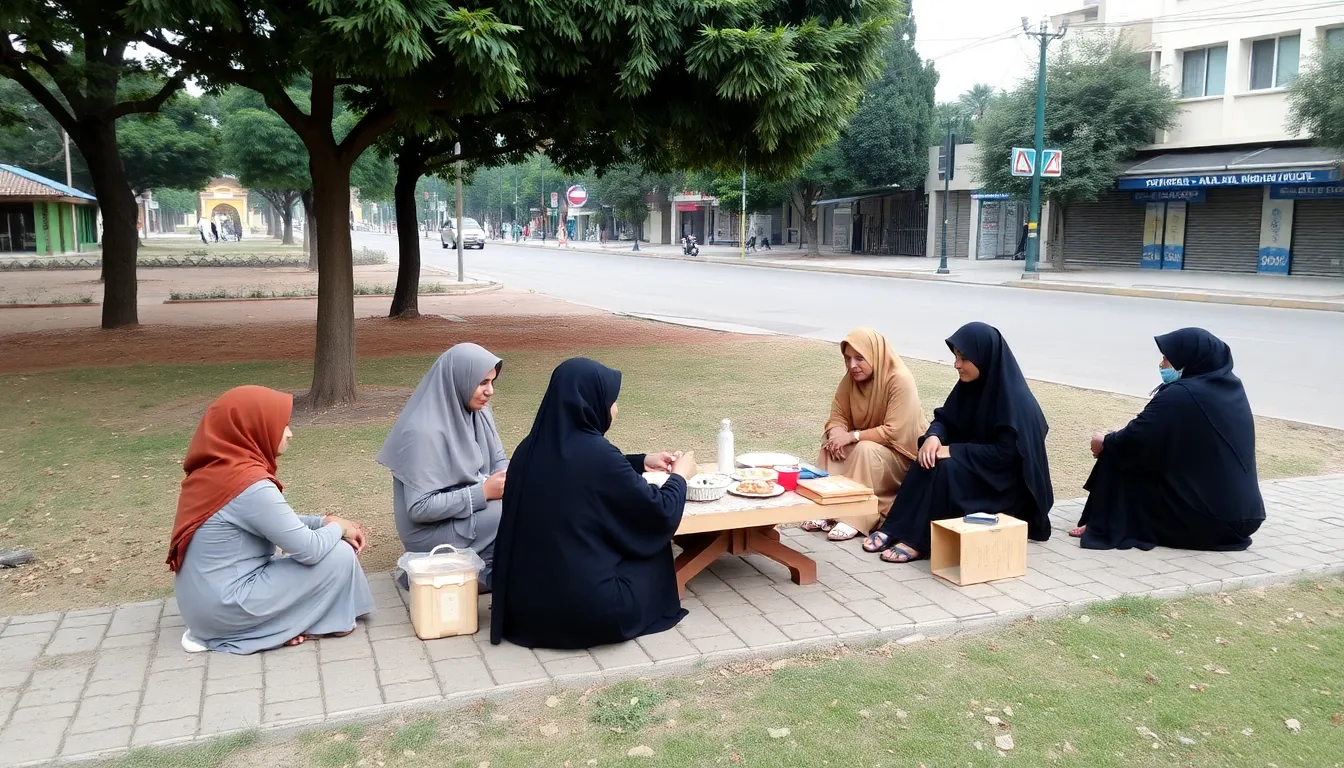
In the years following the civil war, Lebanon attempted to rebuild, but the political landscape was marred by corruption, economic mismanagement, and the influence of foreign powers. The assassination of former Prime Minister Rafik Hariri in 2005 sparked widespread protests and the Cedar Revolution, which aimed to end Syrian occupation. However, this movement did not lead to lasting change, and Lebanon continued to grapple with political paralysis and sectarian tensions.
The Economic Crisis
In recent years, Lebanon has faced an unprecedented economic crisis, exacerbated by the COVID-19 pandemic and the devastating explosion at the Port of Beirut in August 2020. The economy has collapsed, with the local currency losing over 90% of its value, leading to soaring inflation and widespread poverty. As a result, many Lebanese citizens are struggling to meet their basic needs, which has significantly impacted their ability to celebrate cultural and religious events, including Eid. Such economic hardships are not isolated, as seen in the international community’s response to crises, such as how France has addressed historical grievances.
The ongoing economic hardships, compounded by political instability and a lack of effective governance, have fostered a sense of war-weariness among the population. This year, as Lebanon marks Eid, the celebrations are muted, reflecting the collective grief and uncertainty that has come to define life in the country. The resilience of the Lebanese people is evident, but the shadows of their past continue to loom large, shaping their present and future.
Key stakeholders and their roles in the current situation
In the context of Lebanon’s muted Eid celebrations, several key stakeholders play critical roles in shaping the socio-political landscape. These include the Lebanese government, local religious leaders, international organizations, and the general populace, each with distinct interests and concerns.
The Lebanese government, currently facing immense pressure from economic instability and political fragmentation, aims to maintain order and public morale during festive periods. However, its ability to do so is hampered by ongoing financial crises and public discontent, which have led to widespread protests and calls for reform.
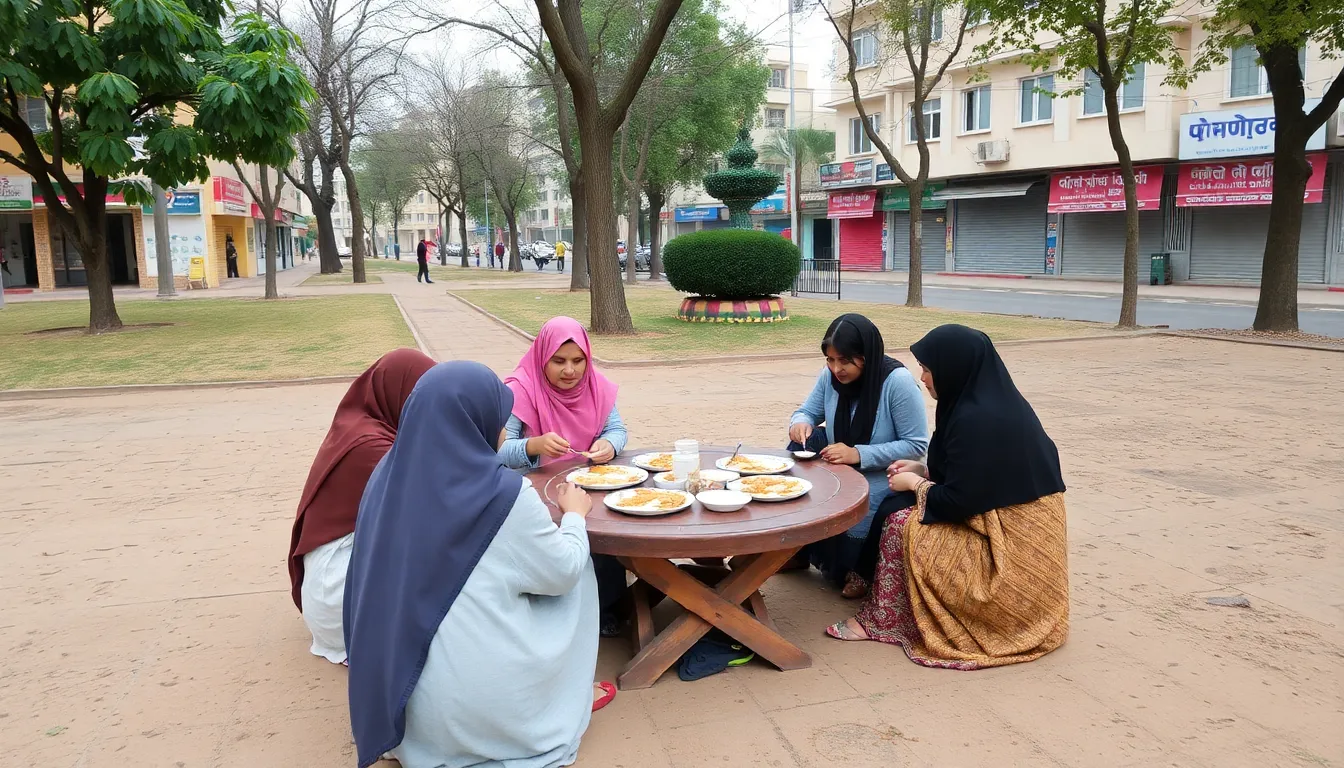
Local religious leaders, particularly those from the Sunni and Shia communities, hold significant influence over their congregations. They seek to promote unity and resilience among their followers amidst the backdrop of conflict and economic hardship. Their role is crucial in providing spiritual guidance and fostering a sense of community, especially during important religious observances like Eid.
International organizations, including the United Nations and various non-governmental organizations, are also key players in Lebanon. They aim to provide humanitarian assistance and support for economic recovery. However, their efforts are often complicated by the political complexities on the ground, as well as the need for cooperation from the Lebanese government and local factions.
- Economic instability: The ongoing financial crisis has led to a significant decrease in purchasing power, affecting the ability of families to celebrate Eid.
- Political fragmentation: Divisions within the government hinder effective governance and response to the needs of the population.
- Religious influence: Local leaders play a vital role in shaping community responses and maintaining morale during challenging times.
- International aid: The effectiveness of foreign assistance is often limited by local political dynamics and the need for government cooperation.
- Public sentiment: A growing sense of frustration among citizens may lead to increased activism and demands for change.
How the muted celebrations affect the Lebanese population
The recent muted celebrations of Eid in Lebanon have significantly impacted various groups within the country. From families to local businesses, the atmosphere of festivity has been replaced by a sense of somberness and reflection. The ongoing economic crisis, compounded by political instability and regional tensions, has left many Lebanese citizens struggling to make ends meet, affecting their ability to participate in traditional celebrations.
Families across Lebanon, particularly those in lower-income brackets, are feeling the brunt of the situation. With rising inflation and unemployment rates, many are unable to afford the customary Eid feasts or new clothing. This has led to a more subdued atmosphere, where the joy of the holiday is overshadowed by the harsh realities of daily life.
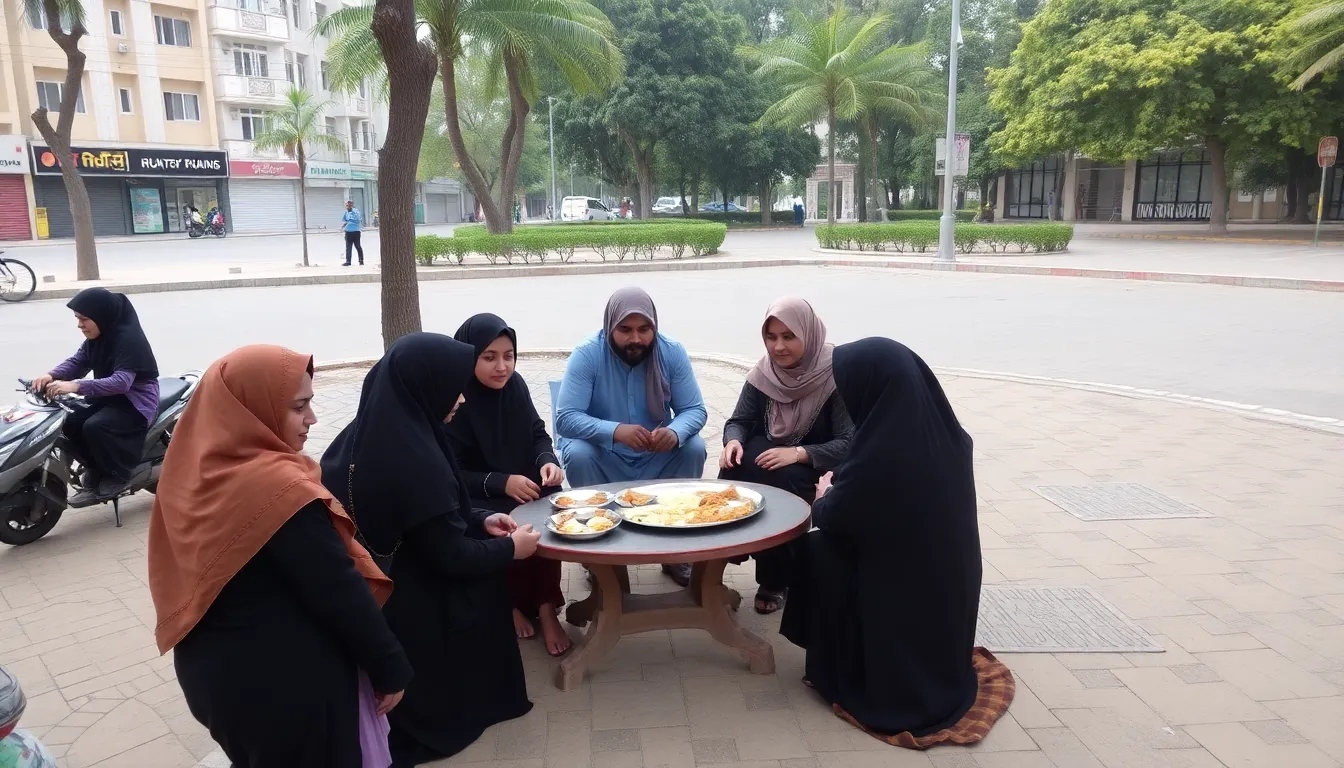
Local businesses, especially those in the retail and hospitality sectors, are also facing challenges. The lack of consumer spending during what is typically a peak season for sales has resulted in decreased revenues. Many small shops and restaurants are struggling to survive, leading to potential layoffs and further economic decline in the region.
- Short-term impact: Decreased consumer spending affecting local businesses.
- Mid-term impact: Increased unemployment rates and potential business closures.
- Risks: Continued economic downturn could lead to social unrest.
- Opportunities: Potential for community-driven initiatives to support local economies.
Despite the challenges, there may be opportunities for community solidarity and resilience. Local organizations and charities are stepping up to provide support for those in need, fostering a sense of unity among the population. This could lead to a renewed focus on grassroots initiatives that promote local products and services, helping to revitalize the economy in the long run.
A: The muted celebrations are a reflection of the ongoing economic and social struggles faced by the Lebanese people, which have dampened the festive spirit. A: Lebanon has faced years of conflict, economic instability, and political turmoil, all of which contribute to the challenges experienced during significant holidays like Eid. A: Traditionally, Eid is marked by communal prayers, festive meals, and family gatherings, but this year many are opting for simpler observances. A: Local businesses are struggling due to decreased consumer spending, which is particularly evident during festive seasons like Eid. A: Yes, various NGOs and community groups are organizing initiatives to provide food and support to families facing hardship during the holiday.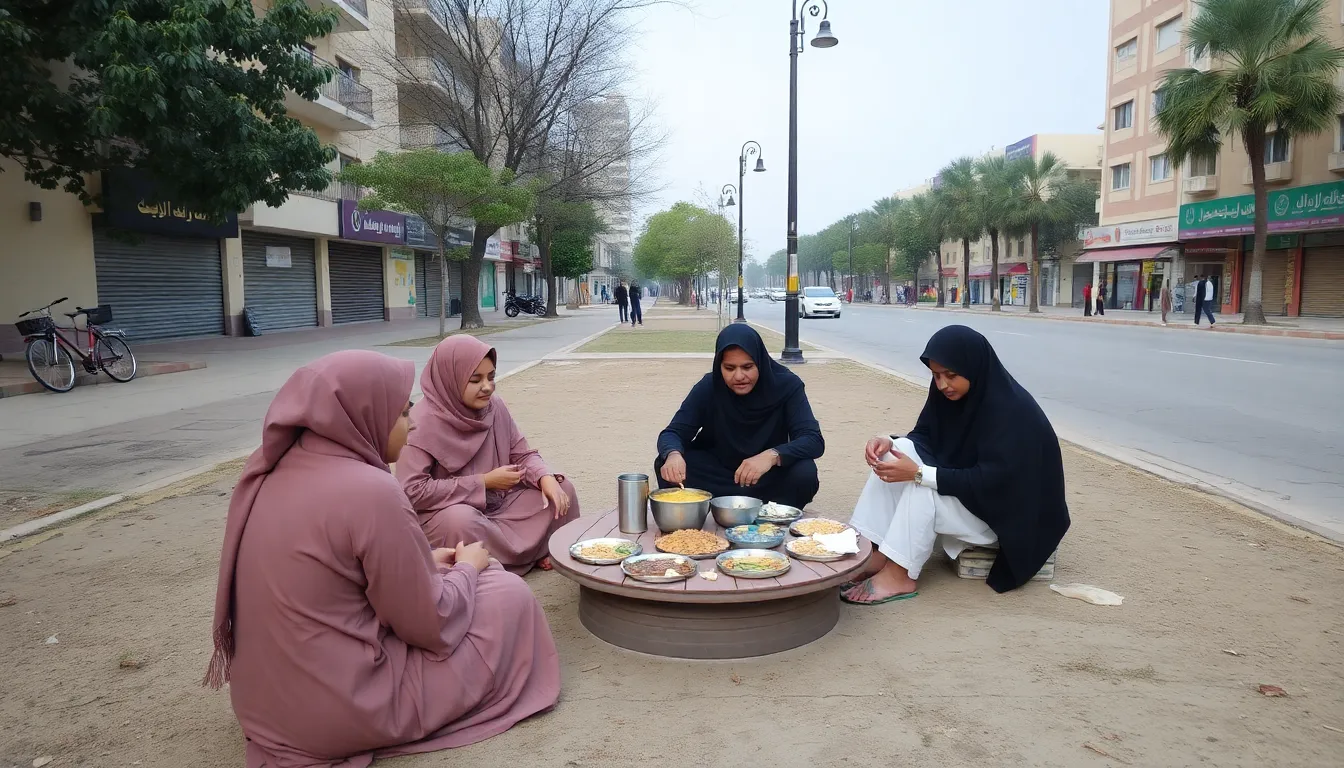
Frequently asked questions about Eid in Lebanon
Looking ahead: The future of celebrations in Lebanon
The muted celebrations of Eid in Lebanon reflect a broader sentiment of war-weariness and economic hardship that has permeated the country. As the population grapples with ongoing challenges, the way in which cultural and religious festivities are observed is likely to evolve. This shift may influence not only personal expressions of faith and joy but also the communal bonds that these celebrations traditionally foster.
In the coming years, it will be essential to monitor how Lebanese society adapts its celebrations amidst ongoing strife. The resilience of the people may lead to innovative ways of honoring traditions, even in the face of adversity. Understanding these changes can provide insight into the broader social dynamics at play in Lebanon.
- Watch for grassroots initiatives that may emerge to revitalize community celebrations despite economic constraints.
- Observe the role of social media in shaping new forms of celebration and connection among the Lebanese diaspora.
- Consider how the ongoing political situation impacts public sentiment and participation in traditional festivities.
- Note the potential for cultural events to serve as platforms for social commentary and community solidarity.
- Stay attuned to shifts in public sentiment that may influence future government policies related to cultural preservation and support.