
The return of the Goumou drum took place on October 18, 2023, during a ceremony attended by French and Ivorian officials. This event marks a pivotal moment in the ongoing dialogue about colonial history and the need for countries to address the legacies of their past actions regarding cultural heritage.
This action is part of a broader trend, as various European nations reassess their collections of artifacts acquired during colonial times. In recent years, France has committed to returning several items to their countries of origin, with this return serving as a precedent for future discussions regarding the repatriation of other significant cultural objects.
The drum holds deep cultural significance for the Akan people of Côte d’Ivoire, serving not only as a musical instrument but also as a symbol of identity and heritage. Its return is seen as a step towards healing historical wounds and fostering a stronger relationship between France and Côte d’Ivoire.
The historical significance of the talking drum and its looting
The talking drum, known as the tama in Côte d’Ivoire, holds profound cultural and historical significance for the Akan people and other ethnic groups in West Africa. Traditionally, it serves not only as a musical instrument but also as a means of communication, capable of mimicking the tonal languages spoken in the region. This unique ability allows it to convey messages over long distances, making it a vital tool in ceremonies, storytelling, and community gatherings.
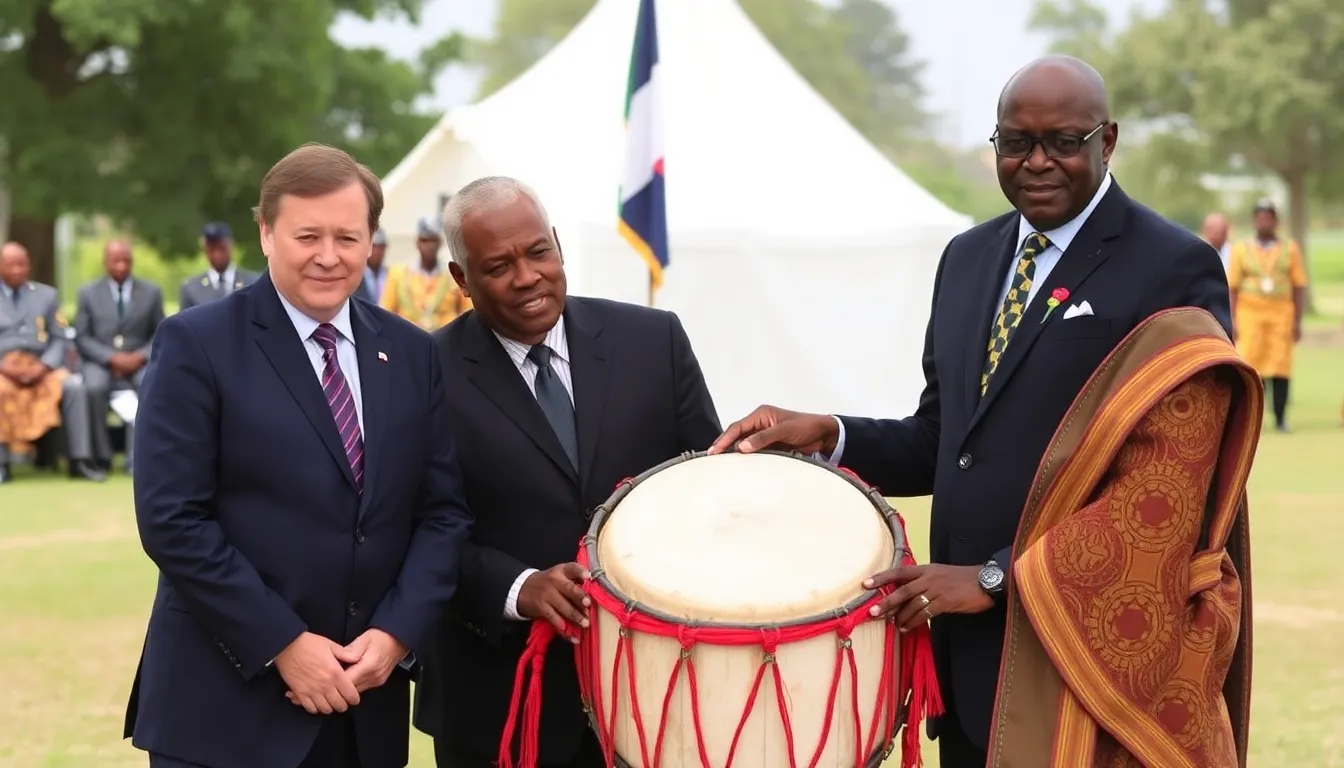
However, the talking drum’s importance extends beyond its musical capabilities. During the colonial period, particularly in the late 19th and early 20th centuries, many African artifacts, including the talking drum, were systematically removed from their cultural contexts. The drum in question was looted by French colonial forces during their expansion into West Africa, a time marked by significant political upheaval and the imposition of foreign rule. Such actions were often justified under the guise of ‘civilizing missions,’ yet they resulted in the erasure of cultural heritage and identity.
The impact of colonialism on cultural heritage
The looting of cultural artifacts like the talking drum is a reflection of the broader impact of colonialism on African societies. The systematic extraction of cultural items was not only an act of theft but also a means of asserting dominance and control over colonized peoples. This has led to ongoing debates about cultural restitution and the moral responsibility of former colonial powers to return looted artifacts. In recent years, there has been a growing movement advocating for the repatriation of such items, emphasizing the importance of restoring cultural heritage to its rightful owners.
France’s decision to return the talking drum marks a significant milestone in this ongoing dialogue about restitution. It symbolizes a recognition of past injustices and an acknowledgment of the need to heal historical wounds. This act is part of a larger trend, as various countries and institutions grapple with the legacy of colonialism and the role they play in preserving or returning cultural heritage.
The return of the talking drum not only serves as a gesture of goodwill but also opens the door for further discussions on the repatriation of other looted artifacts. The implications of this decision resonate deeply within Côte d’Ivoire and beyond, as communities seek to reclaim their history and cultural identity in a post-colonial world.
The implications for cultural heritage and international relations
The return of the sacred talking drum to Côte d’Ivoire by France is a significant event that highlights the evolving dynamics of cultural heritage and international relations. This act not only addresses historical injustices but also reflects the growing recognition of the importance of repatriating cultural artifacts to their countries of origin. The stakeholders involved in this situation include the French government, the Ivorian government, cultural institutions, and the broader international community.
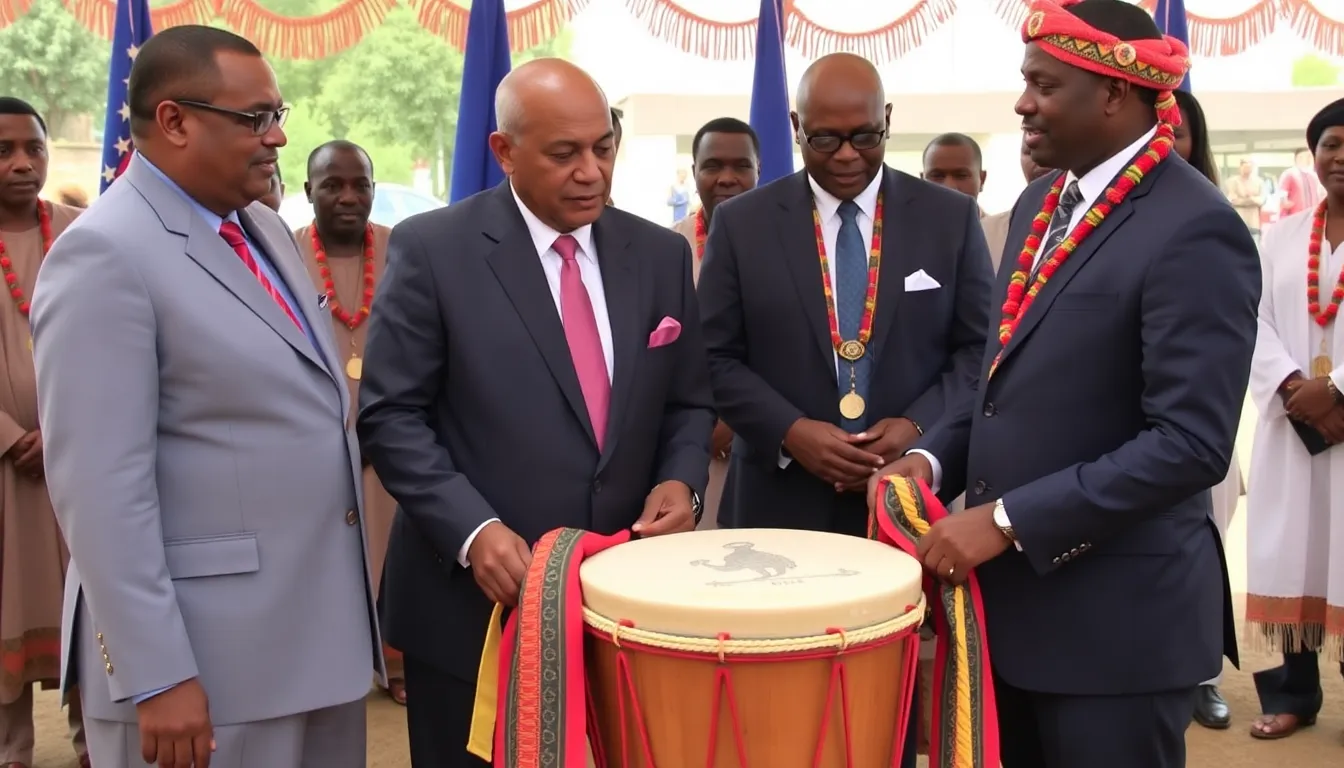
One of the main actors is the French government, which has been under pressure to return cultural artifacts taken during colonial times. The French Minister of Culture has expressed a commitment to addressing these historical wrongs, indicating a shift in policy that aligns with contemporary views on cultural heritage. This interest is not only about rectifying past actions but also about improving France’s international image and fostering diplomatic relations with African nations.
On the other side, the Ivorian government and its cultural institutions are keen to reclaim their cultural heritage, which is seen as a source of national pride and identity. The return of the talking drum is symbolic of a larger movement towards decolonization and the recognition of the historical significance of these artifacts. This situation presents an opportunity for Côte d’Ivoire to strengthen its cultural diplomacy and enhance its global standing.
However, the process of repatriation is not without its conflicts and trade-offs. While the return of artifacts is celebrated, it raises questions about ownership, provenance, and the responsibilities of museums and governments. Legal frameworks surrounding cultural property are complex, and differing national laws can complicate repatriation efforts. Additionally, there are economic considerations, as some institutions may rely on the display of such artifacts for tourism and revenue.
- Legal complexities: Different countries have varying laws regarding the ownership and repatriation of cultural artifacts.
- Cultural identity: The return of artifacts can play a crucial role in restoring cultural identity and heritage for nations.
- Economic implications: Museums and institutions may face financial challenges when returning artifacts that attract visitors.
- International relations: The act of repatriation can strengthen diplomatic ties between countries.
- Public perception: There is a growing public demand for accountability and ethical practices in cultural heritage management.
How this return affects the Ivorian community and cultural identity
The return of the sacred talking drum to Côte d’Ivoire marks a significant moment for the Ivorian community, particularly for those directly connected to the cultural heritage of the drum. This event resonates deeply within various groups, including local artisans, cultural organizations, and the broader Ivorian population who view the drum as a symbol of their history and identity.
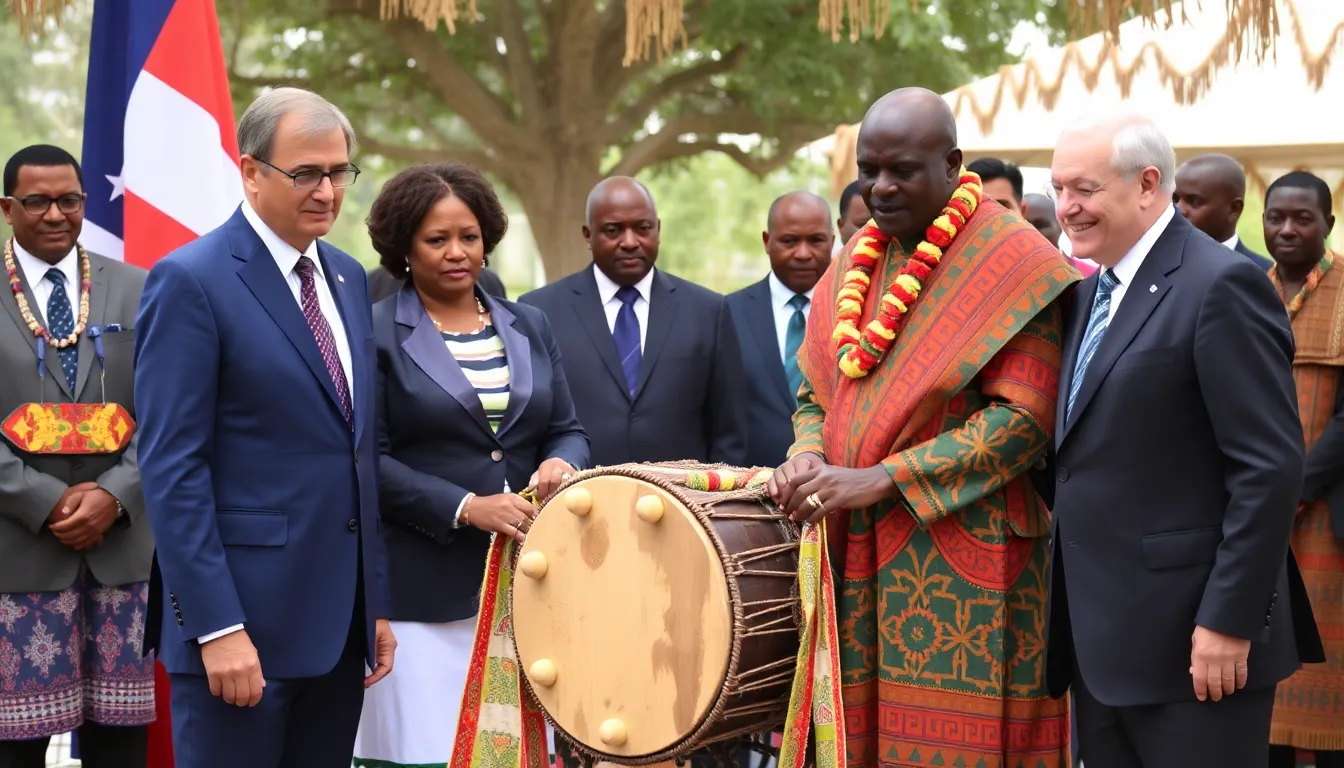
In the short term, the return of the drum can enhance community pride and foster a renewed interest in traditional practices. Local cultural festivals may see an uptick in participation, as citizens engage more deeply with their heritage. Schools and educational institutions might incorporate this event into their curricula, emphasizing the importance of cultural preservation.
In the mid-term, the Ivorian government and cultural institutions could leverage this moment to promote tourism, attracting visitors interested in the country’s rich history. This could lead to economic opportunities for local businesses, particularly those in the hospitality and crafts sectors, as tourists seek authentic experiences tied to Ivorian culture.
- Risks: There is a potential risk of cultural commodification, where sacred items may be exploited for tourism rather than respected for their cultural significance.
- Opportunities: The drum’s return could stimulate discussions around heritage preservation policies, encouraging stronger protections for cultural artifacts.
- Community Engagement: Increased collaboration between local communities and government bodies may strengthen the cultural fabric and promote sustainable practices.
Overall, the return of the sacred talking drum not only affects the Ivorian community’s cultural identity but also opens avenues for economic growth and a deeper appreciation of the nation’s heritage. The balance between honoring this cultural significance and leveraging it for broader benefits will be crucial in the coming years.
A: The talking drum is a vital cultural artifact for the Akan people of Côte d’Ivoire, used in communication and ceremonies, symbolizing their heritage. A: The drum was taken during colonial times, specifically over 100 years ago, reflecting a broader pattern of cultural theft. A: This return signifies a step towards reconciliation and improved diplomatic relations, acknowledging past injustices. A: There is a growing movement advocating for the return of cultural artifacts, suggesting that more items may be returned as countries address historical grievances. A: The Ivorian government plans to display the drum in a museum, ensuring its preservation and accessibility for future generations.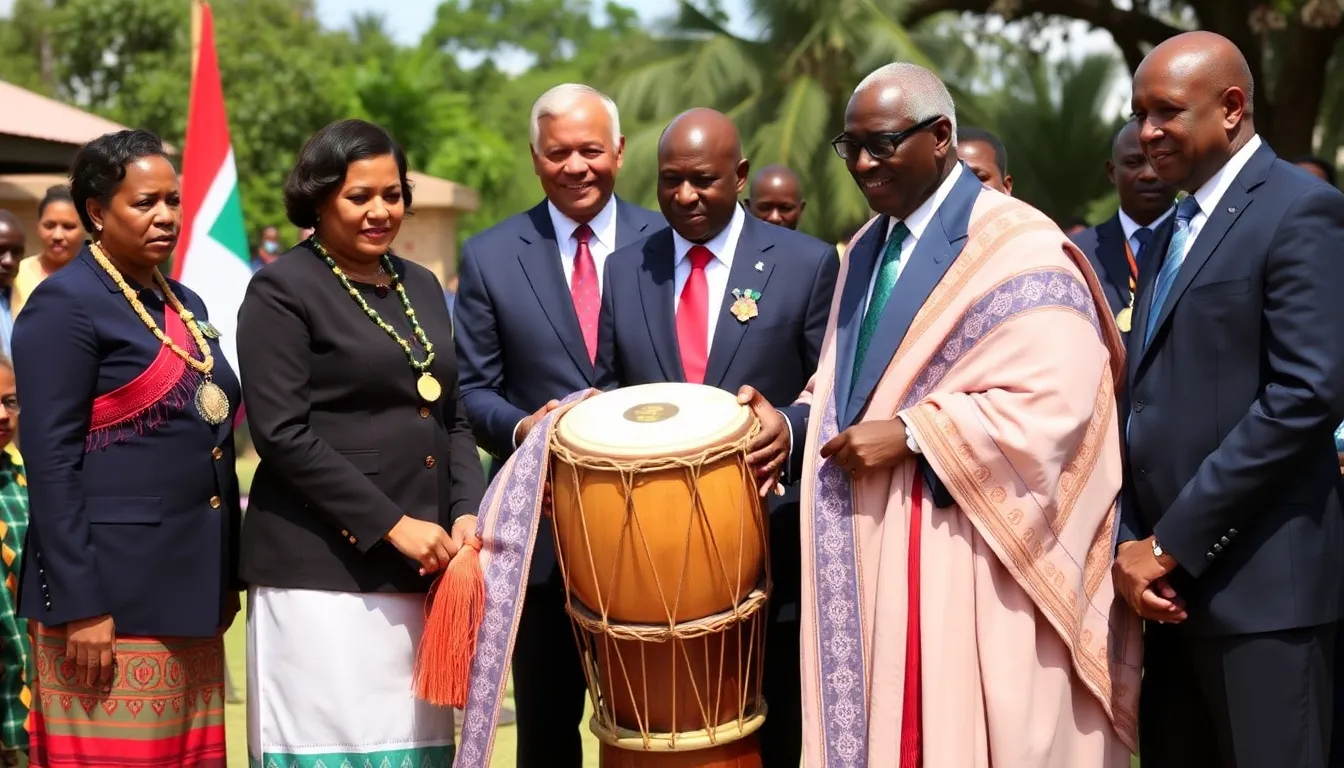
Frequently asked questions about the drum’s return
Key takeaways and future implications of the drum’s return
The return of the sacred talking drum to Côte d’Ivoire marks a significant step in the ongoing dialogue regarding the restitution of cultural artifacts. This event not only symbolizes the healing of historical wounds but also highlights the growing recognition of the importance of cultural heritage in global discussions. As nations grapple with their colonial pasts, the implications of such returns extend beyond mere symbolism, fostering a deeper understanding of cultural identity and ownership.
Looking ahead, the return of the drum could serve as a catalyst for similar initiatives worldwide, prompting countries to reconsider their collections of artifacts obtained during colonial times. This shift may lead to enhanced international cooperation and the establishment of frameworks to facilitate the repatriation of cultural heritage items, ensuring they are preserved and celebrated in their countries of origin.
- Cultural Reclamation: The return of the drum underscores the importance of cultural heritage, encouraging other nations to pursue similar repatriation efforts.
- International Dialogue: This event may foster increased discussions between nations about the ethics of artifact ownership and the responsibilities of museums.
- Legal Frameworks: The situation could prompt the development of legal frameworks to guide the restitution process of cultural artifacts globally.
- Community Engagement: The return may inspire local communities in Côte d’Ivoire to engage more deeply with their cultural heritage, enhancing national pride and identity.
- Future Collaborations: This act of goodwill could pave the way for future collaborations between France and Côte d’Ivoire, focusing on cultural exchange and mutual respect.