
Key figures in the movement, including environmental activists and local community leaders, have emphasized the need for legislative changes to ensure that everyone can enjoy the countryside without restrictions. They argue that increased access to land not only benefits individual well-being but also fosters a deeper connection to nature and encourages environmental stewardship. This message resonates strongly with younger generations, who are increasingly advocating for sustainable practices, as seen in our article on Exploring the World of BBC Inside Science.
As the movement continues to gain traction, various organizations are collaborating to organize events that blend advocacy with community engagement. These events often feature guided walks, educational workshops, and artistic performances that highlight the cultural significance of land access. The combination of celebration and activism aims to attract a diverse audience, ensuring that the message reaches beyond traditional environmental circles.
Despite the enthusiasm surrounding the movement, challenges remain. Some landowners and rural communities express concerns about the potential impact of increased access on agricultural practices and local ecosystems. Ongoing dialogue between advocates and stakeholders is essential to address these concerns and find a balance that respects both public access and land management.
Background on land access rights in the UK
The right to roam in the UK has a complex history intertwined with social movements, land ownership, and legislative changes. Historically, land access was severely restricted, with vast areas of countryside owned by a small number of landowners. This exclusivity led to growing discontent among the public, particularly during the 20th century, as urban populations sought greater access to natural spaces for recreation and well-being.
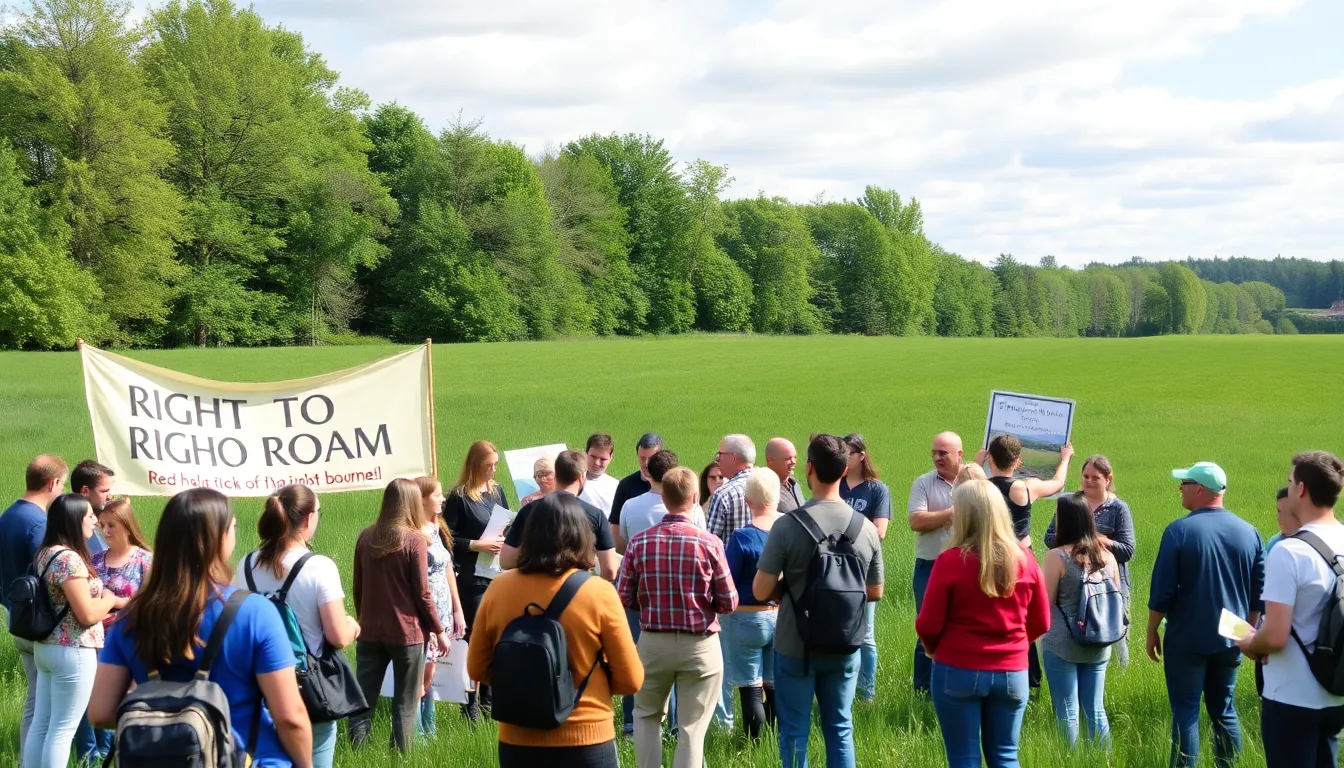
One of the pivotal moments in the right-to-roam movement came in the 1930s with the formation of the Ramblers’ Association. The association advocated for public access to the countryside, culminating in the mass trespass on Kinder Scout in 1932. This event became a symbol of the struggle for access rights and highlighted the need for reform in land access policies, much like the themes discussed in Tributes to David Attenborough.
Fast forward to the late 20th century, the Countryside and Rights of Way Act 2000 marked a significant milestone by granting the public the legal right to access certain areas of land in England and Wales. This legislation was a direct result of decades of campaigning by various groups, reflecting a growing recognition of the importance of outdoor spaces for public health and community well-being.
Current Challenges and Campaigns
Despite the progress made, challenges remain. Many areas are still inaccessible, and ongoing campaigns focus on expanding these rights to include more diverse landscapes. Recent movements have also highlighted the need for sustainable practices in land use, advocating for a balance between access and conservation. The ‘Our Land’ campaign embodies these principles, using creative and engaging methods to draw attention to the ongoing struggle for equitable land access in the UK, paralleling issues explored in Understanding Orphines and Their Threat to Public Health.
Key stakeholders and issues in the land access debate
The ongoing discussion surrounding land access in the UK involves a diverse range of stakeholders, each with their own interests and perspectives. At the forefront are the right-to-roam campaigners, who advocate for increased public access to land for recreational purposes. These individuals and organizations often emphasize the importance of nature, mental health, and community engagement in their campaigns.
Landowners, including private individuals and large agricultural businesses, represent another significant group in this debate. Their interests typically revolve around property rights, economic viability, and the preservation of their land from potential misuse or degradation. This creates a conflict with the campaigners, who argue for a more inclusive approach to land use that prioritizes public enjoyment and environmental conservation.
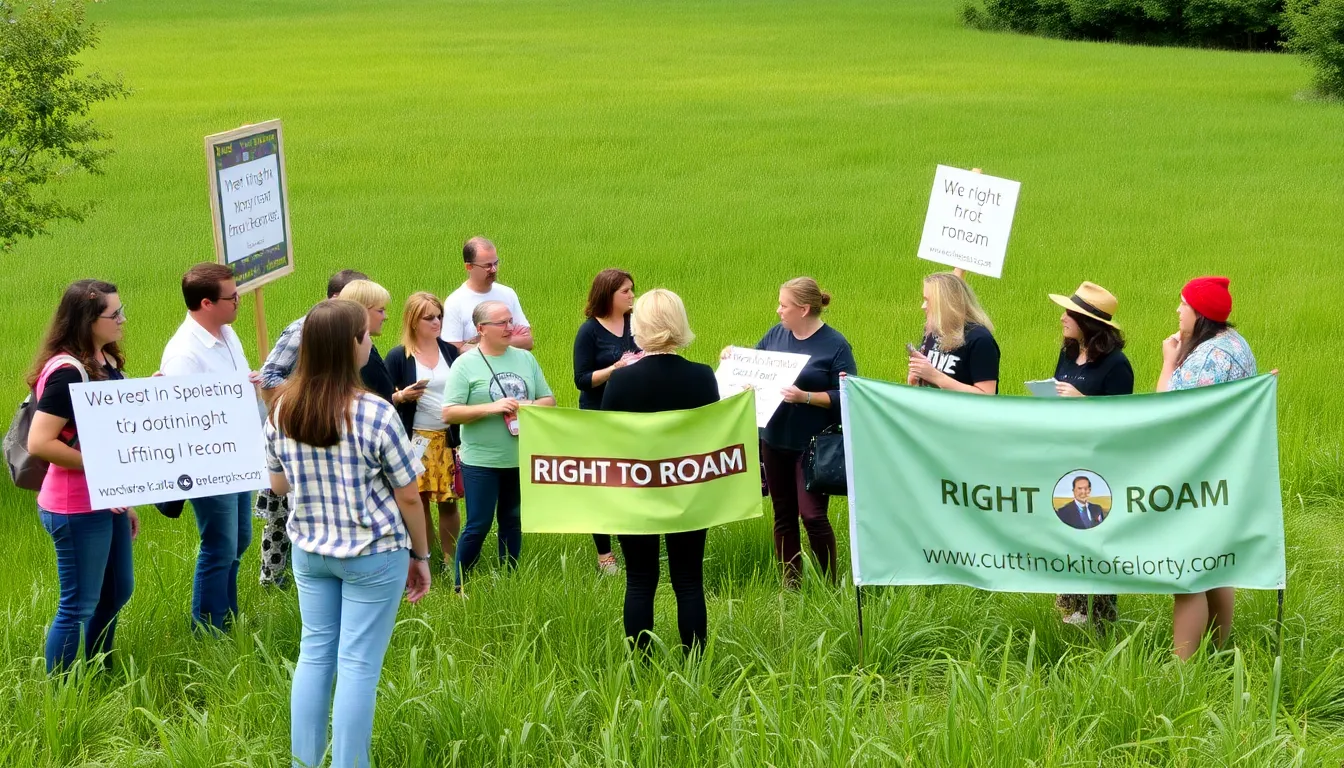
Government bodies also play a crucial role, as they are responsible for creating and enforcing land access laws. Various local and national policies can significantly impact the balance between landowner rights and public access. The legal framework governing land use is often a source of contention, with campaigners pushing for reforms that would expand access rights while landowners resist changes that may threaten their autonomy.
- Public Interest vs. Private Ownership: The fundamental conflict between the right to roam and the rights of landowners.
- Economic Considerations: The potential economic impact of increased public access on agricultural practices and land management.
- Legal Framework: The complexities of existing laws regarding land access and the potential for legal reform.
- Environmental Concerns: The need to balance land access with conservation efforts and sustainability.
- Community Engagement: The role of local communities in advocating for land access and their relationship with landowners.
As these stakeholders navigate their differing priorities, the outcome of this debate will likely shape the future of land access in the UK, influencing both recreational opportunities and land management practices for years to come.
Who is affected by the right-to-roam campaign?
The right-to-roam campaign impacts a diverse range of groups, including outdoor enthusiasts, local communities, landowners, and policymakers. As the movement gains traction, it brings to the forefront the ongoing debate about public access to nature and the balance between private property rights and communal enjoyment of the land.
In the short term, the campaign may lead to increased foot traffic in rural areas, benefiting local businesses such as cafes, shops, and accommodation providers. However, this influx could strain local infrastructure and lead to conflicts between landowners and visitors, particularly in regions where access is traditionally restricted.
In the mid-term, policymakers may feel pressured to revise legislation related to land access, potentially leading to more inclusive laws that favor public enjoyment of nature. This shift could create opportunities for ecotourism and outdoor activities, fostering economic growth in areas that embrace the right-to-roam ethos.
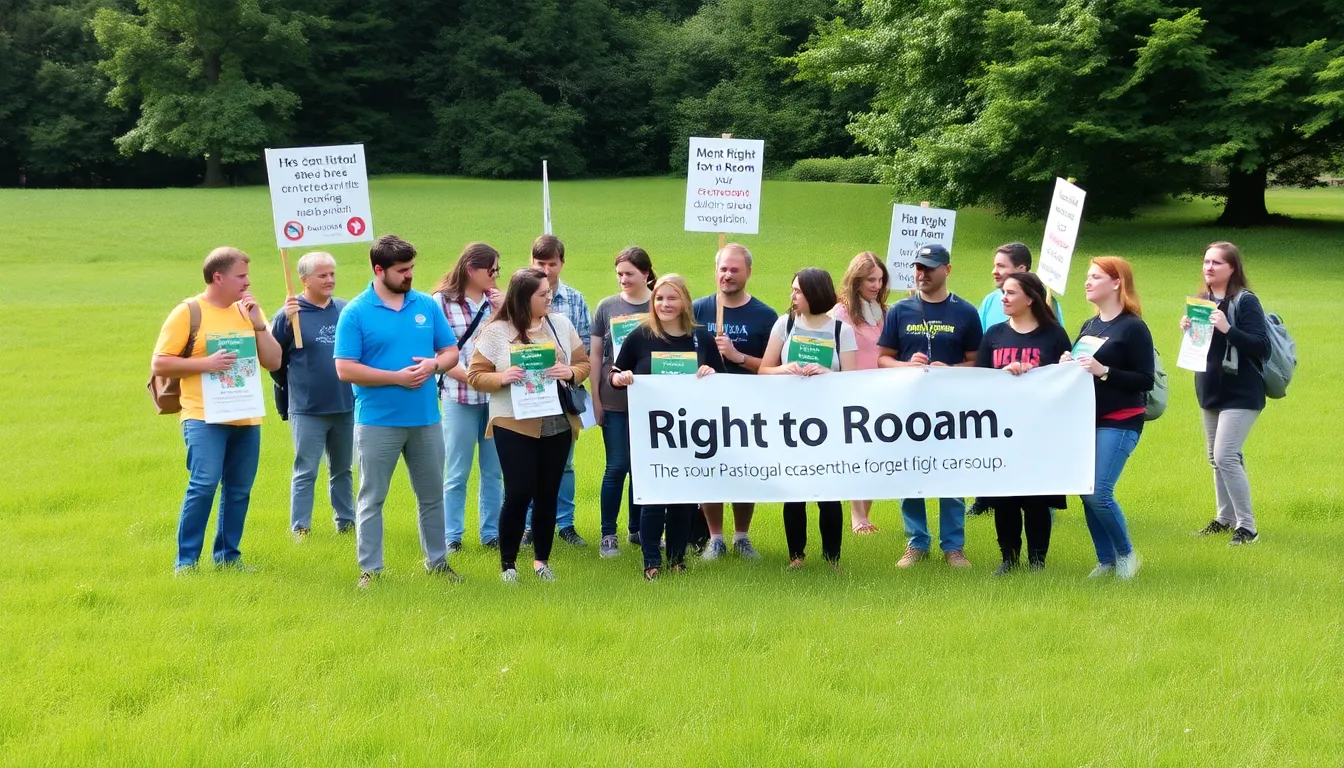
- Risks: Increased tensions between landowners and the public, potential damage to natural habitats.
- Opportunities: Boost in local economies, promotion of sustainable tourism, and enhanced community engagement.
Overall, the right-to-roam campaign not only highlights the need for greater access to natural spaces but also challenges existing norms, prompting various stakeholders to reconsider their roles and responsibilities in protecting and enjoying the land.
A: The right-to-roam movement advocates for public access to land for recreational purposes, allowing people to explore natural spaces freely. A: ‘Our Land’ showcases the colorful and lively activities of campaigners while emphasizing the importance of land access rights. A: Land access is crucial for promoting outdoor activities, preserving natural environments, and ensuring public enjoyment of nature. A: Supporters include environmentalists, outdoor enthusiasts, and various advocacy groups focused on land rights and conservation. A: The movement faces challenges from landowners, legal restrictions, and public misconceptions about land use and access.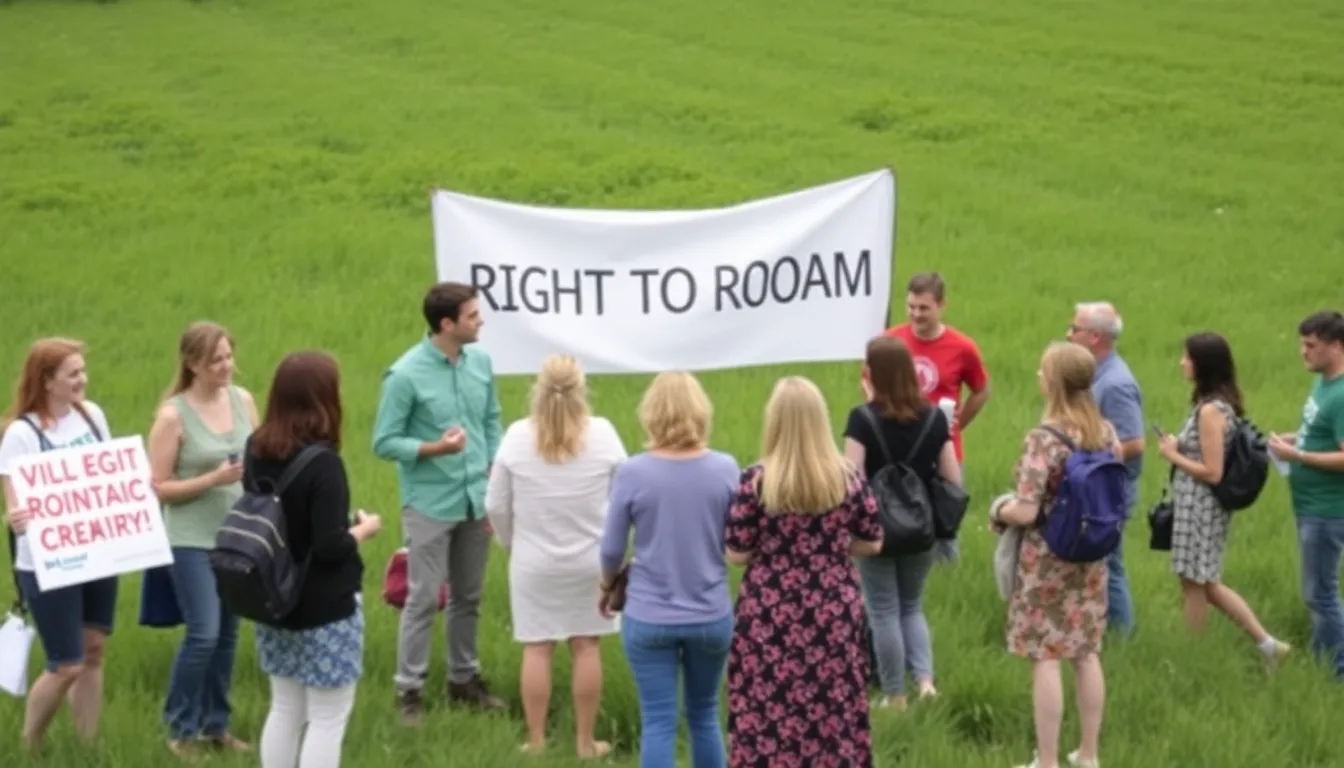
Frequently asked questions about land access rights
Insights and future outlook on land access advocacy
The ‘Our Land’ review highlights the ongoing struggle for land access and the importance of balancing recreational freedom with environmental stewardship. The vibrant demonstrations and community engagement showcased by right-to-roam campaigners serve as a reminder of the deep-seated connections individuals have with the land and the collective responsibility to protect it. As the movement gains momentum, it is essential to consider the implications of these actions on both policy and public perception.
Looking ahead, the advocacy for land access is likely to evolve, driven by a growing awareness of environmental issues and the need for inclusive access to natural spaces. The interplay between cultural heritage, community rights, and ecological sustainability will shape future discussions and initiatives in this arena.
- Increased collaboration between advocacy groups and policymakers may lead to more comprehensive land access legislation.
- The integration of environmental education in advocacy efforts can enhance public understanding of sustainable land use.
- Monitoring public sentiment towards land access can provide insights into the effectiveness of campaign strategies.
- Engagement with local communities will be crucial in addressing diverse needs and fostering inclusive access initiatives.
- Future campaigns may leverage digital platforms to broaden outreach and mobilize supporters more effectively.