
The Caméra d’Or is awarded to the best first feature film presented in any of the festival’s sections, making it a significant accolade for new talent. Chokri’s role as jury president is particularly meaningful as it reflects a commitment to recognizing innovative voices in cinema, which is vital in an industry that continually evolves. For more insight on emerging talent in the film industry, see our article on AMC and Arena One Collaborate to Bring Live Concert Experiences to Movie Theaters.
Chokri, known for her work as both an actress and a director, has garnered attention for her unique storytelling style and her ability to tackle complex themes. Her leadership of the jury will bring a fresh perspective to the selection process, as she aims to elevate the works of new directors from around the globe.
The Cannes Film Festival, scheduled to take place from May 16 to May 27, 2023, is one of the most celebrated film festivals worldwide. Chokri’s involvement underscores the festival’s dedication to fostering diversity and creativity, ensuring that the spotlight shines on promising filmmakers who are just beginning their careers.
Understanding the significance of the Caméra d’Or award at Cannes
The Caméra d’Or, established in 1978, is a prestigious award given at the Cannes Film Festival to recognize the best first feature film presented in the official selection, the Directors’ Fortnight, or the Critics’ Week. This award highlights the importance of new voices in cinema, providing a platform for emerging filmmakers to gain international recognition. Over the years, the Caméra d’Or has launched the careers of numerous directors, making it a vital stepping stone in the film industry; thus, it remains a focal point at events like the All Things Go Festival.
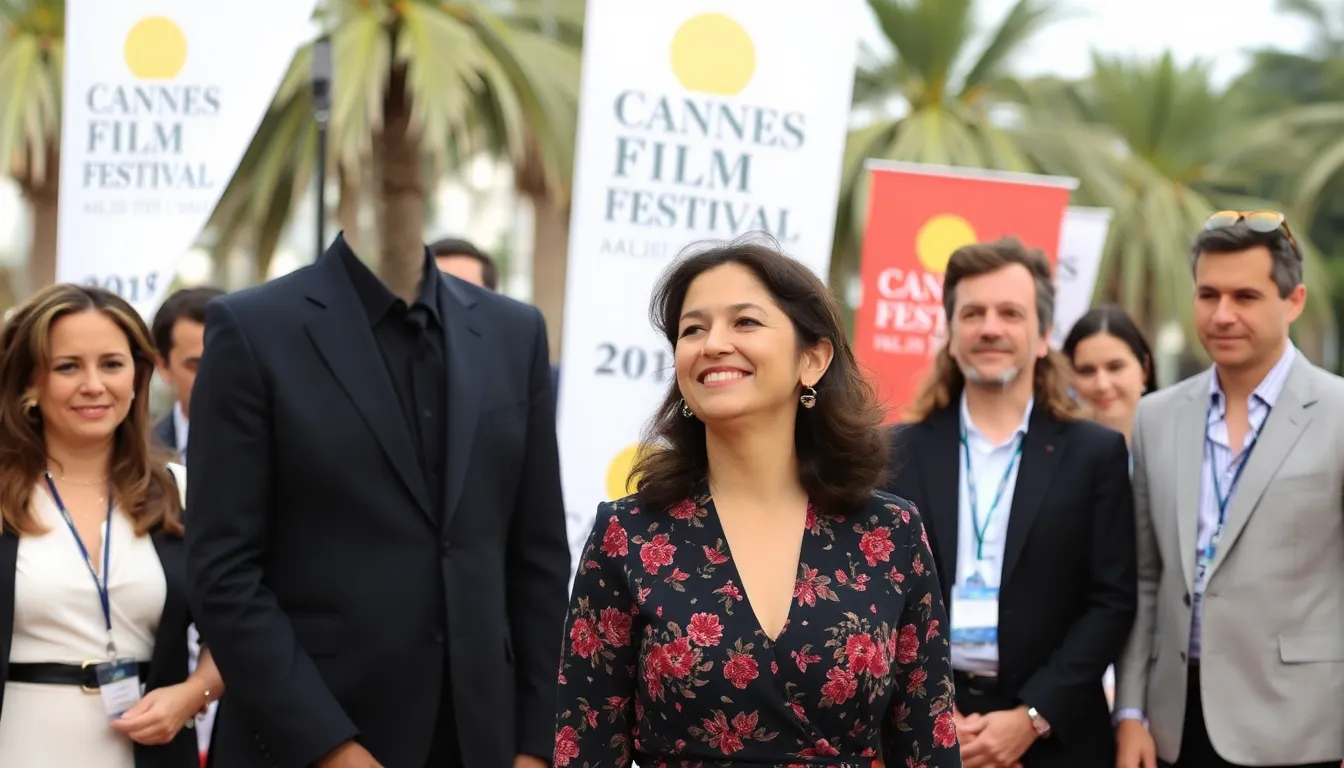
The award not only celebrates artistic achievement but also reflects the evolving landscape of global cinema. As the film industry becomes increasingly diverse, the Caméra d’Or has adapted by honoring films from a variety of cultural backgrounds, thereby promoting a broader understanding of storytelling in different contexts. This shift underscores the festival’s commitment to inclusivity and innovation within the cinematic arts.
Monia Chokri’s appointment to preside over the Caméra d’Or jury is a significant milestone, not just for her career but for the representation of women in film. Chokri, a Canadian actress and director, has been recognized for her unique voice and perspective, which aligns with the award’s mission to elevate new talent. Her leadership role is a reflection of the ongoing conversation about gender equality in the film industry, where women have historically been underrepresented in positions of power.
A Legacy of Emerging Talent
Historically, the Caméra d’Or has been instrumental in showcasing groundbreaking filmmakers. Past winners include directors like François Ozon and Andrea Arnold, who have gone on to achieve critical acclaim and commercial success. The award serves as a barometer for future trends in cinema, often predicting which filmmakers will shape the industry in the years to come; similarly, the upcoming events such as Stephen Colbert’s Final Weeks with Special Guests also highlight exceptional creativity in entertainment.
Exploring the implications of Chokri’s leadership on the jury
Monia Chokri’s appointment as the president of the Cannes Caméra d’Or jury brings a significant shift in the dynamics of this prestigious film festival. As an acclaimed filmmaker and actress, Chokri’s influence is expected to shape the recognition of emerging talents in cinema. Her leadership may reflect a more diverse and inclusive approach, aligning with the festival’s ongoing efforts to spotlight underrepresented voices in the film industry.
The key stakeholders in this scenario include the Cannes Film Festival organization, the jury members, filmmakers, and the wider audience. Each of these actors has distinct interests: the festival aims to maintain its reputation as a leading platform for innovation in film, while jury members and filmmakers seek recognition and validation of their work. The audience, on the other hand, is eager for fresh narratives and perspectives that resonate with contemporary societal issues.
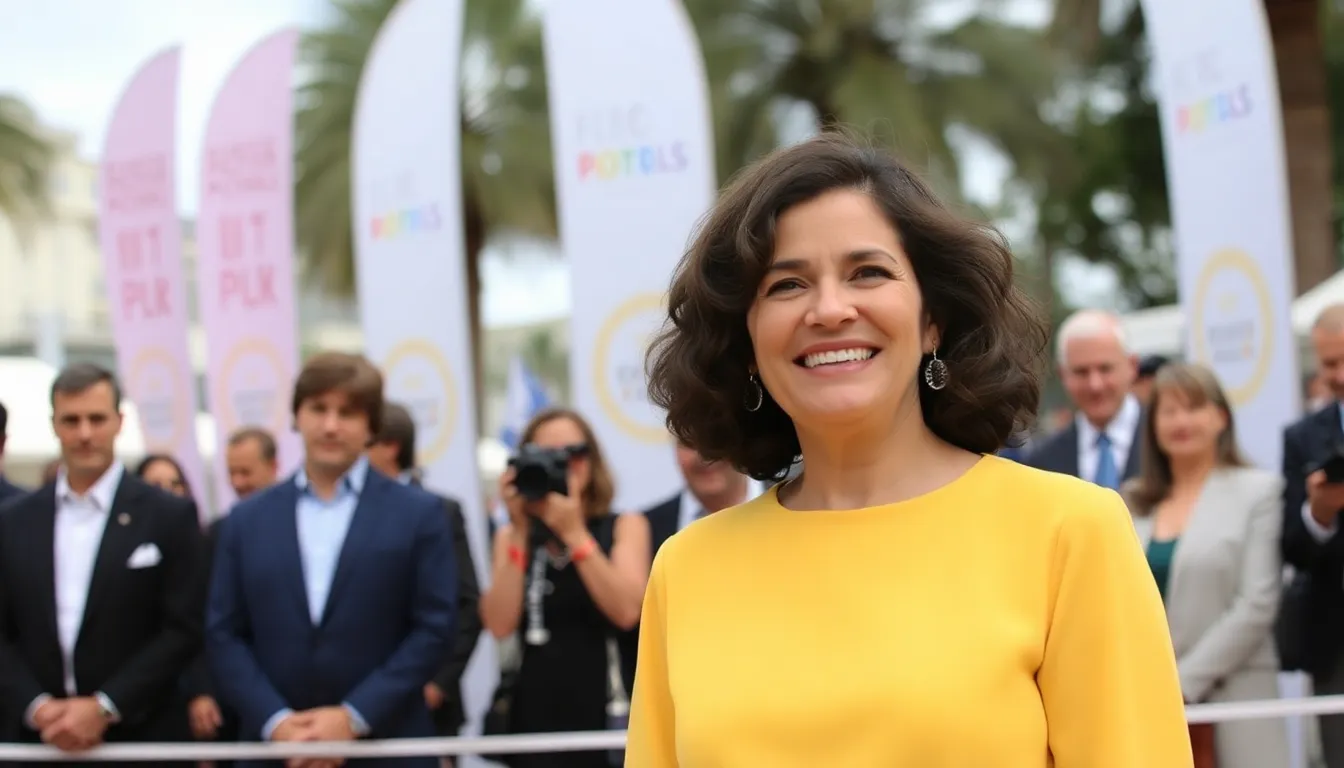
However, this transition is not without its challenges. There are potential conflicts regarding the selection criteria for the Caméra d’Or, which traditionally honors first-time filmmakers. The jury’s decisions may face scrutiny, especially if they diverge from established norms or favor unconventional storytelling methods. This could lead to debates about artistic merit versus commercial viability, raising questions about the festival’s role in shaping industry standards.
- Increased Diversity: Chokri’s presidency could promote a wider array of voices in film, potentially leading to a richer selection of works.
- Industry Scrutiny: Decisions made by the jury may be closely analyzed, impacting the festival’s credibility and the filmmakers’ careers.
- Artistic vs. Commercial Balance: The jury may face pressure to select films that appeal to broader audiences while still honoring artistic innovation.
- Impact on Future Festivals: The outcome of this year’s Caméra d’Or could set precedents for future jury selections and festival themes.
As Chokri leads the jury, the intersection of artistic vision and industry expectations will be critical in navigating these complex dynamics. The decisions made during this festival could reverberate throughout the film community, influencing not only the careers of emerging filmmakers but also the direction of cinematic storytelling in the years to come.
How this decision affects filmmakers and the festival’s reputation
The appointment of Monia Chokri to preside over the Cannes Caméra d’Or Jury has significant implications for various stakeholders within the film industry. Filmmakers, especially those presenting debut features, will experience a heightened sense of anticipation and scrutiny as Chokri’s perspective and artistic vision shape the awards process. This decision underscores Cannes’ commitment to recognizing emerging talent, which could invigorate the festival’s reputation as a platform for innovative cinema.
In the short term, filmmakers may feel increased pressure to deliver standout works that align with Chokri’s artistic sensibilities. This could lead to a surge in creativity and experimentation in submissions, as artists seek to capture the jury’s attention. Additionally, the festival’s decision to elevate a prominent female director may inspire more women in the industry to pursue ambitious projects, fostering a more inclusive environment.
On a broader scale, the film industry in regions known for independent cinema, such as Quebec, may benefit from Chokri’s influence. Her recognition could attract attention to filmmakers from these areas, potentially leading to increased investment and distribution opportunities. However, this also poses a risk; if expectations are not met, it could result in disillusionment among filmmakers who feel overshadowed by the heightened standards.
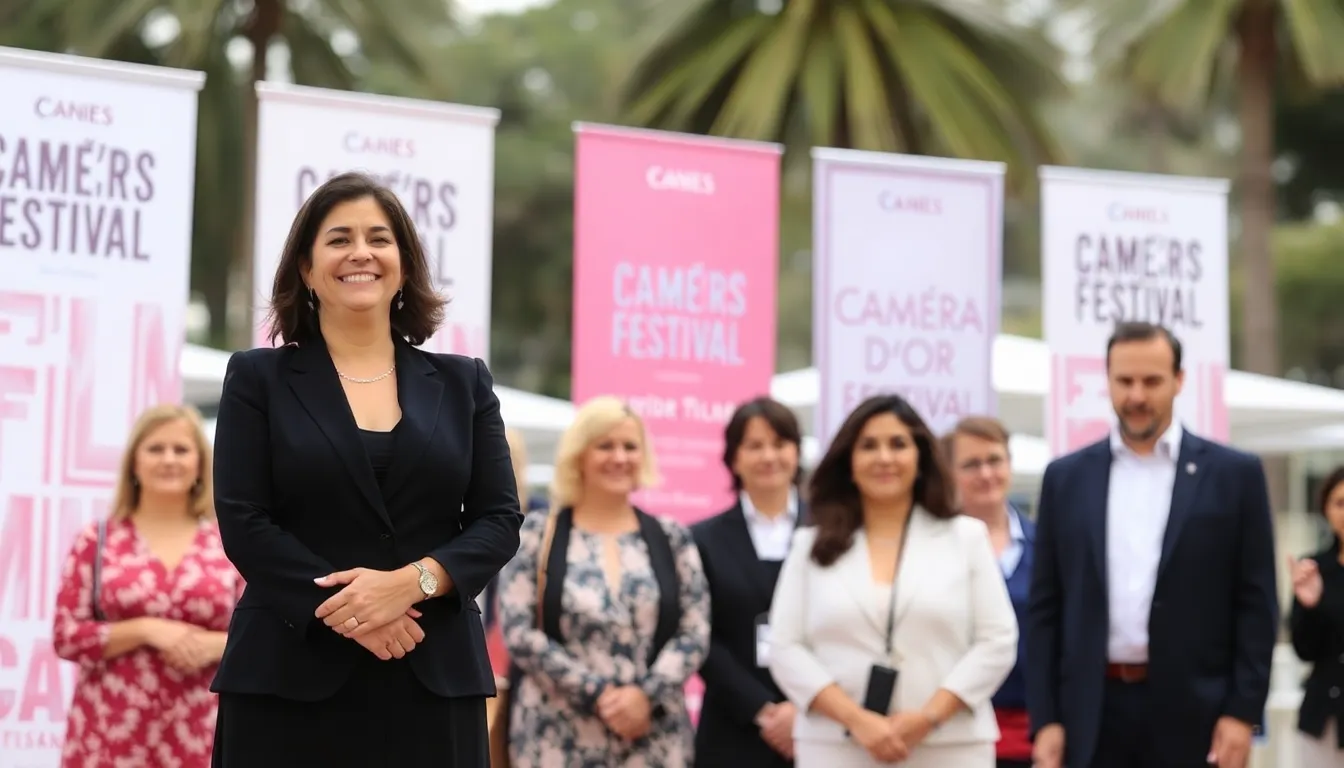
- Short-term opportunities: Increased submissions and creative works from emerging filmmakers.
- Mid-term risks: Potential pressure on filmmakers to conform to specific artistic standards.
- Regional impact: Greater visibility for independent filmmakers from regions like Quebec.
Ultimately, while there are risks associated with elevated expectations, the potential for growth and innovation within the film community remains substantial. The decision to appoint Chokri could pave the way for a more dynamic and diverse cinematic landscape, both at Cannes and beyond.
A: Monia Chokri is a Canadian actress and filmmaker known for her work in independent cinema. She has gained recognition for her unique storytelling and artistic vision. A: The Caméra d’Or is awarded at the Cannes Film Festival to the best first feature film. It highlights emerging talent in the film industry. A: Her position as jury president is significant as it showcases her influence in the film industry and promotes diversity in leadership roles at major film festivals. A: The Cannes Film Festival is typically held in May each year, attracting filmmakers and audiences from around the world. A: Jury members for the Caméra d’Or are chosen based on their expertise and contributions to cinema, ensuring a diverse and knowledgeable panel.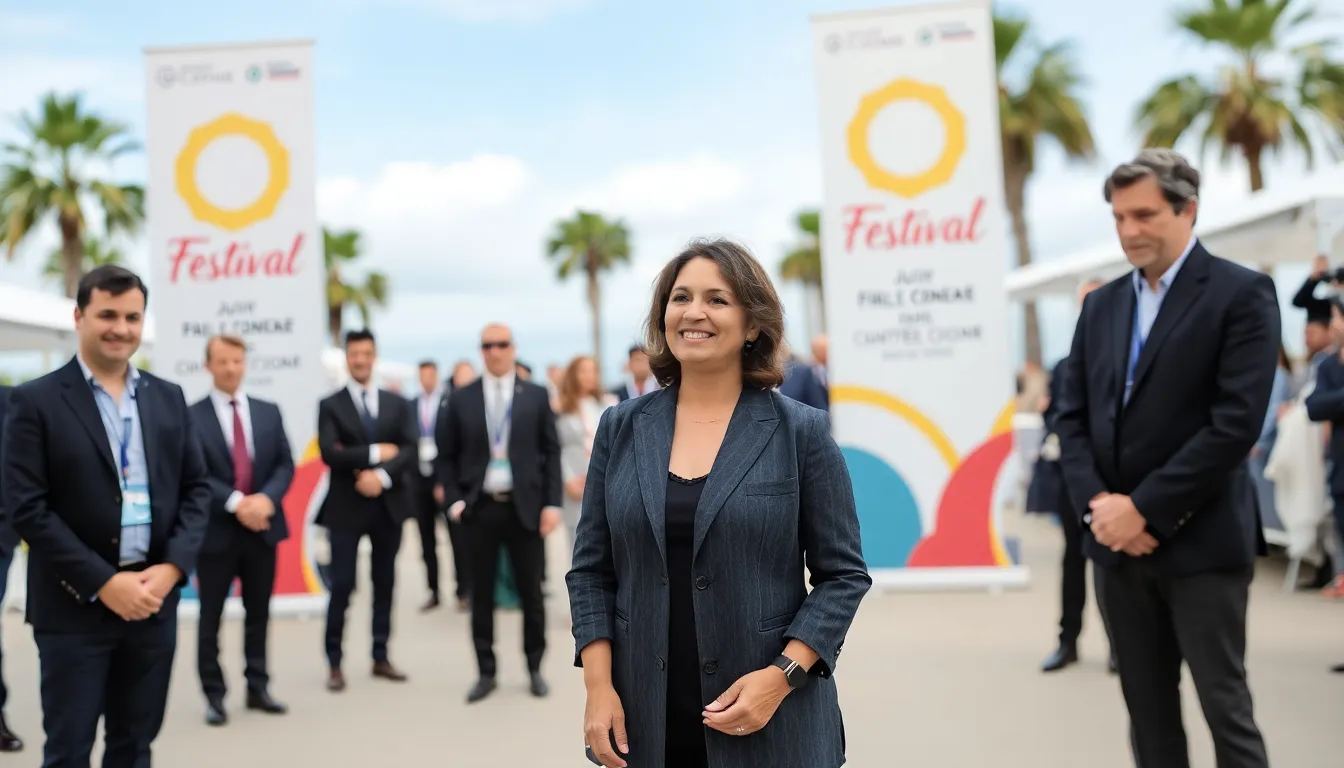
Frequently Asked Questions about Monia Chokri and the Caméra d’Or
Key takeaways and future outlook for the Cannes Caméra d’Or
Monia Chokri’s appointment as the president of the Cannes Caméra d’Or jury marks a significant moment for the festival, emphasizing the importance of diverse voices in cinema. Her leadership is expected to bring a fresh perspective to the selection process, highlighting emerging talents and innovative storytelling techniques. As the festival continues to evolve, the direction taken by Chokri could influence future trends in independent filmmaking.
Looking ahead, the focus on new narratives and underrepresented filmmakers could lead to a broader recognition of diverse cinematic expressions. Observers should keep an eye on how Chokri’s vision shapes the jury’s decisions and the potential impact on the festival’s legacy.
- Chokri’s presidency may encourage a wider range of storytelling styles in the selected films.
- Increased visibility for emerging filmmakers could reshape industry dynamics and distribution opportunities.
- Expect a shift towards narratives that challenge traditional norms, reflecting broader societal issues.
- The jury’s decisions under Chokri’s guidance may set new benchmarks for future Caméra d’Or winners.
- Industry stakeholders should monitor audience reception to the selected films, as it may influence future festival programming.