
The timing of Trump’s statement is significant, as both the UK and EU are currently seeking clarity on their trade relationships with the United States. Following the Brexit transition, the UK has been actively negotiating new trade deals, while the EU aims to solidify its economic ties with America. Trump’s tariff threats could derail these efforts, leading to increased tensions between the parties.
On October 1, 2023, Trump reiterated his position during a public address, stating that he would not hesitate to implement tariffs if negotiations do not yield favorable outcomes. This stance has prompted reactions from various industry stakeholders, who fear that such tariffs could lead to higher prices for consumers and disrupt supply chains already strained by global economic challenges.
The implications of Trump’s threats extend beyond trade, as they could impact diplomatic relations between the US and its allies. As both the UK and EU navigate their post-pandemic recovery, the uncertainty surrounding tariffs adds another layer of complexity to their economic strategies. Stakeholders are now closely monitoring these developments to gauge their potential impact on international trade dynamics.
Understanding the background of US-UK and US-EU trade relations
The relationship between the United States and its allies in the UK and the European Union has historically been characterized by strong economic ties and mutual interests. However, recent years have witnessed significant shifts in these dynamics, particularly with the rise of protectionist policies under the Trump administration. The imposition of tariffs and trade barriers has become a focal point of contention, leading to uncertainty in international trade agreements.
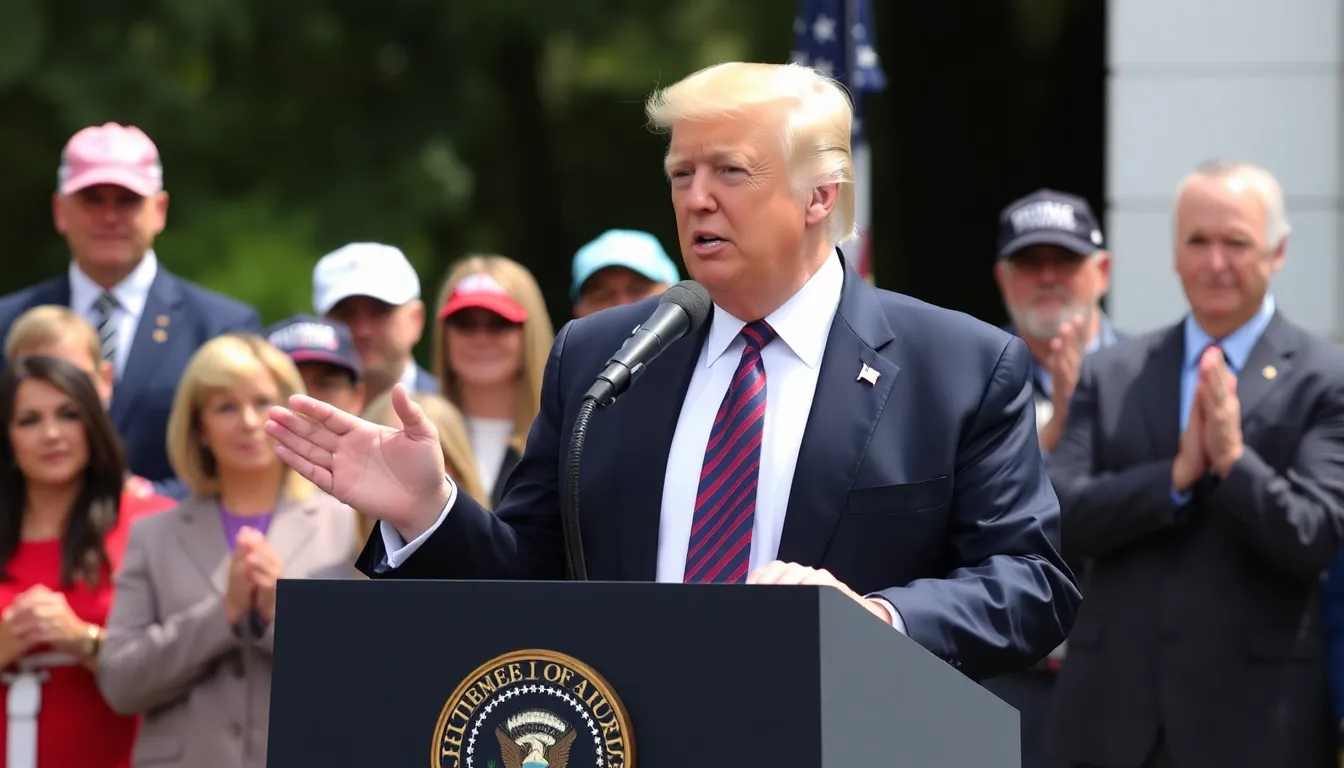
One key milestone in this evolving relationship was the Brexit referendum in 2016, where the UK voted to leave the EU. This decision not only altered the UK’s trade agreements with EU member states but also complicated its trade relations with the US. As the UK sought to establish new trade deals independent of the EU framework, the US expressed interest in negotiating terms, but these discussions have been fraught with challenges.
In 2018, the Trump administration initiated a series of tariffs on various goods, citing national security concerns and unfair trade practices. This move was met with retaliation from both the EU and the UK, who imposed their own tariffs on American products. The ongoing trade disputes have raised concerns about potential economic fallout, particularly for industries reliant on transatlantic trade.
The Impact of Tariffs on Trade Relations
Tariffs imposed by the Trump administration have had significant implications for US-UK and US-EU trade relations. For instance, the automotive and agricultural sectors have been particularly affected, with farmers in the Midwest facing diminished access to European markets. As both sides navigate these challenges, the prospect of further tariffs looms large, with Trump labeling any proposed tariffs as ‘obnoxious’ and threatening to escalate the trade war if his demands are not met.
As the UK and EU seek clarity on their trade positions, the historical context of US trade policy, combined with the current geopolitical landscape, underscores the complexities of reaching a mutually beneficial agreement. The future of these trade relations remains uncertain, as stakeholders on both sides grapple with the implications of tariffs and the broader economic environment.
Key stakeholders and issues in the ongoing trade discussions
The ongoing trade discussions involving the United States, the United Kingdom, and the European Union are marked by a complex interplay of interests among various stakeholders. Key actors include the U.S. government, led by President Donald Trump, the UK government, and the European Union’s leadership. Each of these entities has distinct priorities that influence their positions in negotiations.
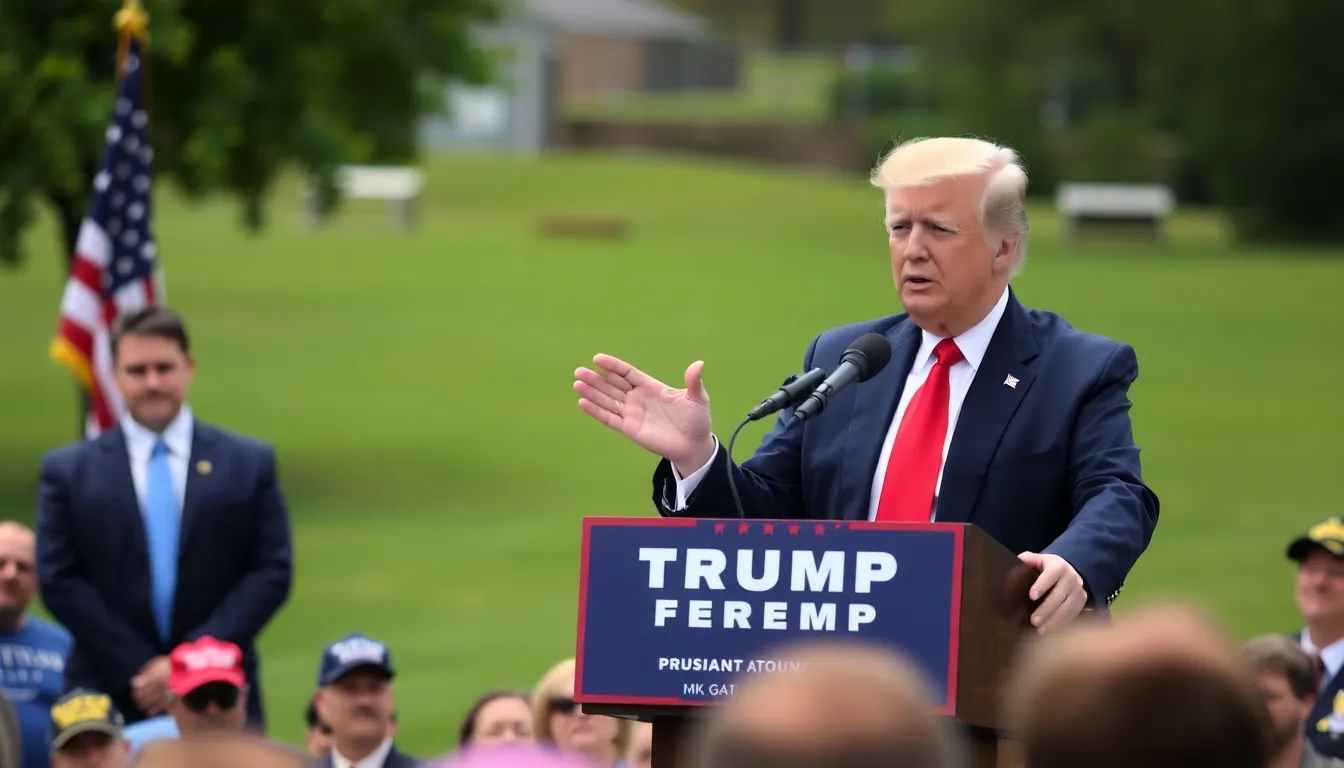
President Trump has expressed a strong interest in reshaping trade agreements to favor American industries. His administration’s threat of implementing ‘obnoxious’ tariffs signals a willingness to leverage trade policy as a tool for economic strategy. This approach aims to protect U.S. jobs and industries, particularly in sectors such as steel and agriculture, which have been vocal about the need for protective measures.
On the other hand, the UK and EU governments are navigating their post-Brexit trade landscape, seeking to establish clear and beneficial trade agreements. Their interests lie in maintaining strong economic ties while also ensuring that any tariffs imposed do not adversely affect their economies. The potential for increased tariffs could lead to higher prices for consumers and disrupt supply chains, raising concerns among businesses and policymakers in both regions, especially as they reflect on economic strategy.
- Economic Impact: The imposition of tariffs could lead to retaliatory measures, escalating trade tensions.
- Legal Considerations: Trade agreements are bound by international law, and unilateral tariff changes may violate existing treaties.
- Consumer Prices: Increased tariffs could lead to higher prices for goods, impacting consumers in both the UK and EU.
- Political Ramifications: Domestic political pressures may influence the decisions of leaders as they balance national interests with international relations.
- Long-term Relationships: The outcome of these discussions will shape future trade relations and economic partnerships.
As these discussions unfold, the balance between protecting national interests and fostering international cooperation will be pivotal. Stakeholders must navigate these complex dynamics to reach agreements that are economically viable and politically acceptable.
Potential impacts on businesses and consumers from new tariffs
The threat of new tariffs from the Trump administration could significantly affect various groups, industries, and regions. Key sectors such as manufacturing, agriculture, and technology in both the UK and EU are poised to feel the impact. These tariffs may disrupt supply chains and increase costs, leading to potential price hikes for consumers.
In the short term, businesses may experience immediate challenges as they adjust to the uncertainty surrounding trade agreements. Companies relying on imports from the US could face higher costs, which may be passed on to consumers in the form of increased prices for goods. Additionally, businesses may need to reevaluate their sourcing strategies, potentially leading to a shift in supplier relationships.
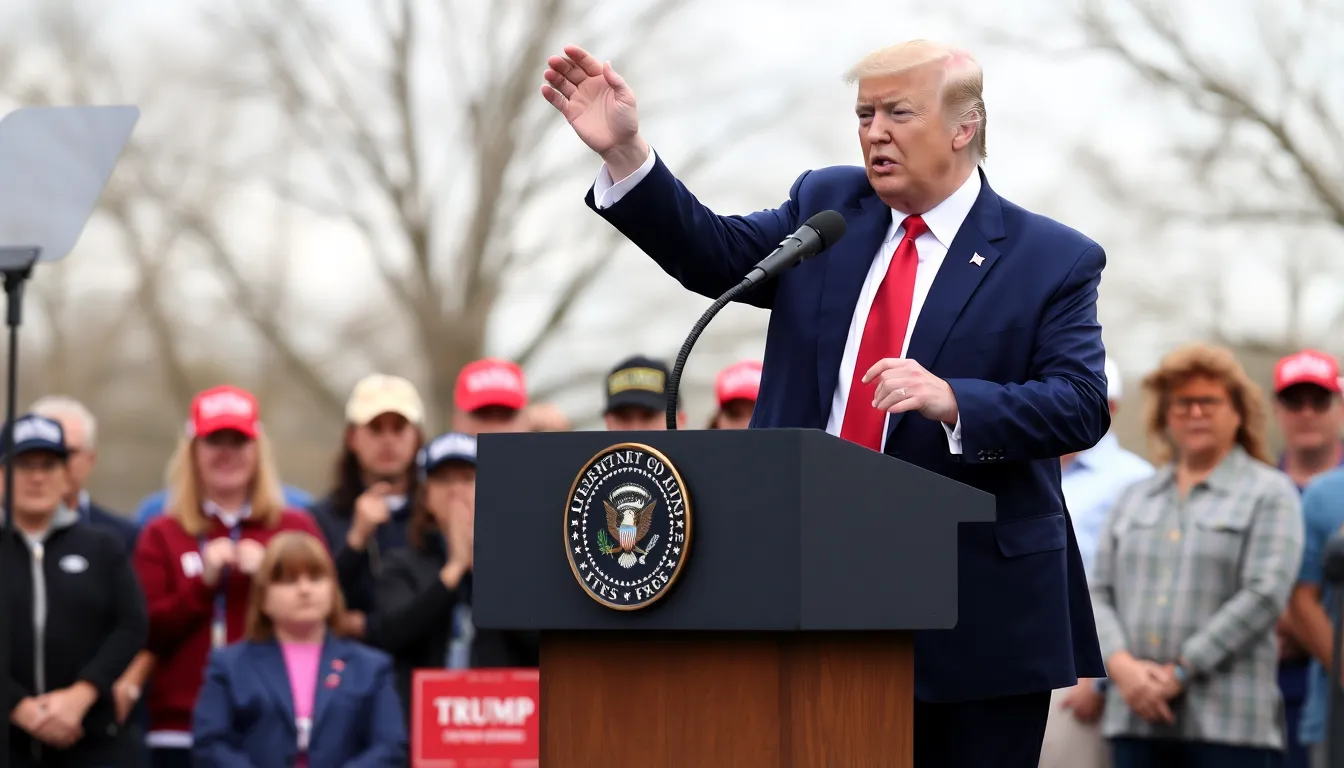
In the mid-term, the impact on daily life could manifest in various ways. Consumers may find themselves paying more for everyday products, particularly in sectors like electronics and food. This could lead to decreased disposable income and alter spending habits. Furthermore, the uncertainty surrounding trade deals may hinder investment decisions, slowing economic growth in affected regions.
- Manufacturers: Increased production costs and potential job losses.
- Agricultural sector: Export challenges and reduced market access.
- Consumers: Higher prices for goods and services.
- Investors: Volatility in stock markets and cautious investment climate.
Despite these risks, there may also be opportunities for some industries. Companies that can adapt quickly to the changing trade landscape may find new markets or niches to exploit. Additionally, domestic producers could benefit from reduced competition from imported goods, potentially leading to growth in local manufacturing and job creation.
A: Trump has indicated that he may impose tariffs on various goods, particularly targeting sectors that he believes are unfairly benefiting from trade practices. These tariffs could significantly affect imports from the UK and EU. A: The imposition of tariffs could lead to increased costs for businesses importing goods, potentially resulting in higher prices for consumers. This could also strain economic relations and impact overall trade volumes. A: Trade negotiations are ongoing, with both the UK and EU seeking clarity on their future trade relationships with the US. The recent tariff threats have added complexity to these discussions. A: Sectors such as agriculture, automotive, and technology could face significant impacts due to tariffs, as they are heavily reliant on exports and imports between these regions. A: Businesses should stay informed about tariff developments and consider adjusting their supply chains or pricing strategies to mitigate the impact of potential tariffs.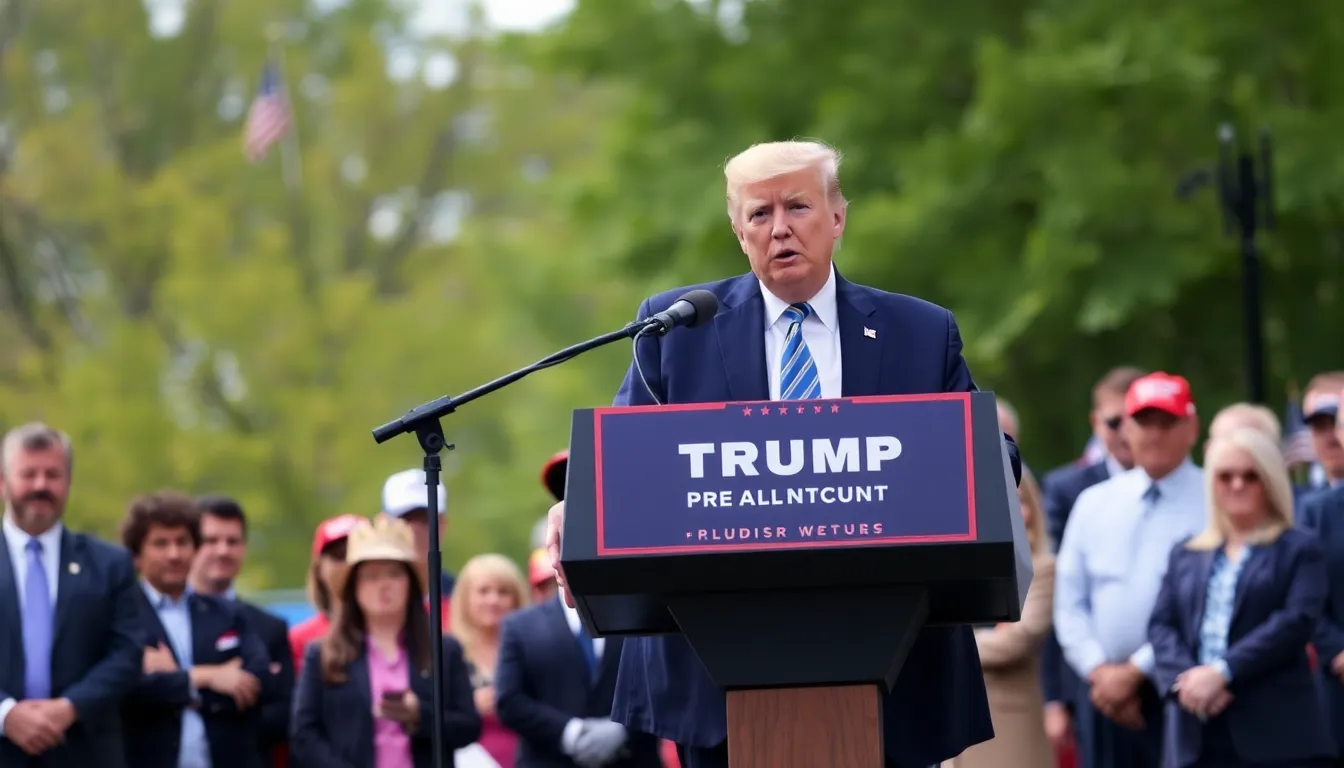
Frequently asked questions about tariffs and trade deals
Outlook on trade relations and tariff implications
The recent threats from Trump regarding ‘obnoxious’ tariffs raise significant questions about the future of trade relations between the U.S., UK, and EU. As both the UK and EU seek clarity on their respective trade deals, the potential for increased tariffs could disrupt existing agreements and economic stability. Stakeholders must remain vigilant as negotiations unfold, considering the broader implications for international trade dynamics.
In light of these developments, businesses and policymakers should prepare for various scenarios that may emerge from the evolving trade landscape. The impact of tariffs on supply chains, pricing strategies, and market access will be critical areas to monitor in the coming months.
- Monitor tariff announcements: Stay updated on any official statements regarding tariff changes that could affect trade between the U.S., UK, and EU.
- Evaluate supply chain strategies: Companies may need to reassess their supply chains to mitigate potential disruptions caused by increased tariffs.
- Engage in proactive negotiations: Businesses should consider engaging with trade representatives to advocate for favorable terms in light of potential tariff impacts.
- Assess market responses: Watch for shifts in consumer behavior and pricing strategies as businesses react to tariff implications.