
The popularity of K-Pop is not just limited to music; it encompasses fashion, dance, and social media engagement, creating a multi-faceted cultural experience. Events such as the annual Mnet Asian Music Awards (MAMA) and the rise of K-Pop concerts in major cities worldwide have bolstered the genre’s visibility. Additionally, the use of platforms like TikTok has allowed fans to engage with K-Pop content in innovative ways, further expanding its reach.
This crossover appeal highlights the genre’s ability to resonate with diverse audiences, including those who may have previously identified with different musical styles, as seen in the recent concert by BTS.
The ongoing evolution of K-Pop is marked by its adaptability and the willingness of artists to experiment with various musical genres, appealing to a broader audience. This trend has prompted discussions about the nature of fandom and cultural identity, as fans from different backgrounds unite in their appreciation for K-Pop. The genre’s ability to bridge generational gaps illustrates its profound impact on the music industry and beyond.
Understanding the Cultural Shift Towards K-Pop
This shift can be traced back to the country’s economic growth and cultural exports following the Asian financial crisis of the late 1990s, reflecting a timeline of cultural evolution that paves the way for the entertainment industry to flourish.
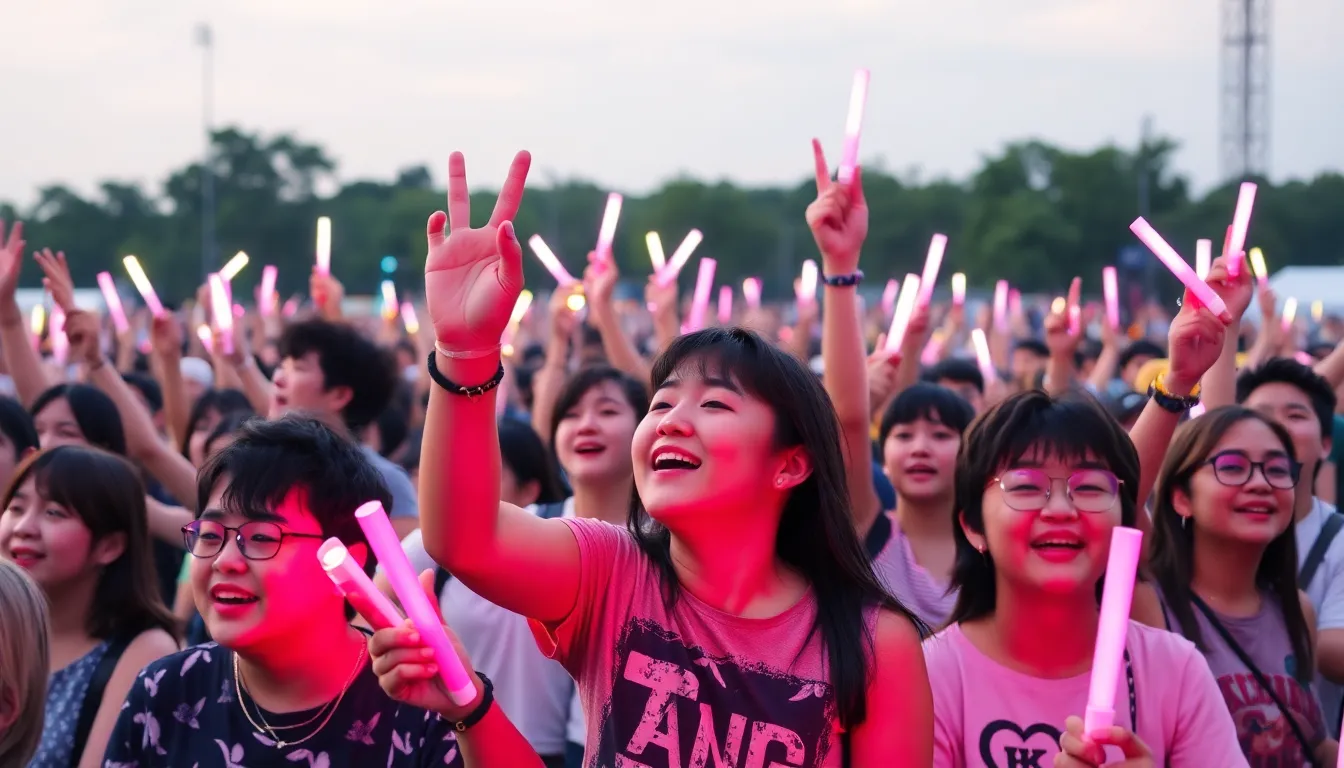
As South Korea embraced globalization, the government recognized the potential of cultural exports as a means of soft power. Initiatives were launched to promote Korean culture abroad, leading to the establishment of agencies that would cultivate and train K-Pop idols. This strategic investment in the music industry coincided with the rise of digital platforms, allowing fans from around the world to access K-Pop content easily. The advent of social media further accelerated this trend, creating a space for fan engagement and community building that transcended geographical boundaries.
The Impact of Technology on K-Pop’s Global Reach
The accessibility of K-Pop content has not only increased its popularity but has also fostered a sense of belonging among fans, particularly those from Generation X and beyond, who may find solace in the genre’s vibrant aesthetics and relatable themes, as discussed in the article on how cultural trends shape communities.
Moreover, the fusion of different musical genres within K-Pop, including hip-hop, rock, and electronic dance music, has attracted a diverse fan base. This eclectic sound appeals to those who grew up during the alternative rock era, allowing them to connect with K-Pop on a personal level. As Gen-X listeners embrace this new wave of music, they contribute to the genre’s evolution, creating a fascinating interplay between nostalgia and modernity.
In conclusion, the cultural shift towards K-Pop reflects a convergence of historical, economic, and technological factors that have shaped its global presence. As more individuals, including those from older generations, become K-Pop stans, the genre continues to redefine the boundaries of music and fandom, demonstrating its enduring appeal across different demographics.
Key Factors Influencing K-Pop’s Global Appeal
The rise of K-Pop as a global phenomenon involves multiple stakeholders, including artists, entertainment companies, fans, and cultural influencers. Each group has distinct interests that shape the dynamics of this vibrant industry. Artists seek recognition and financial success, while entertainment companies aim to maximize profits through international expansion.
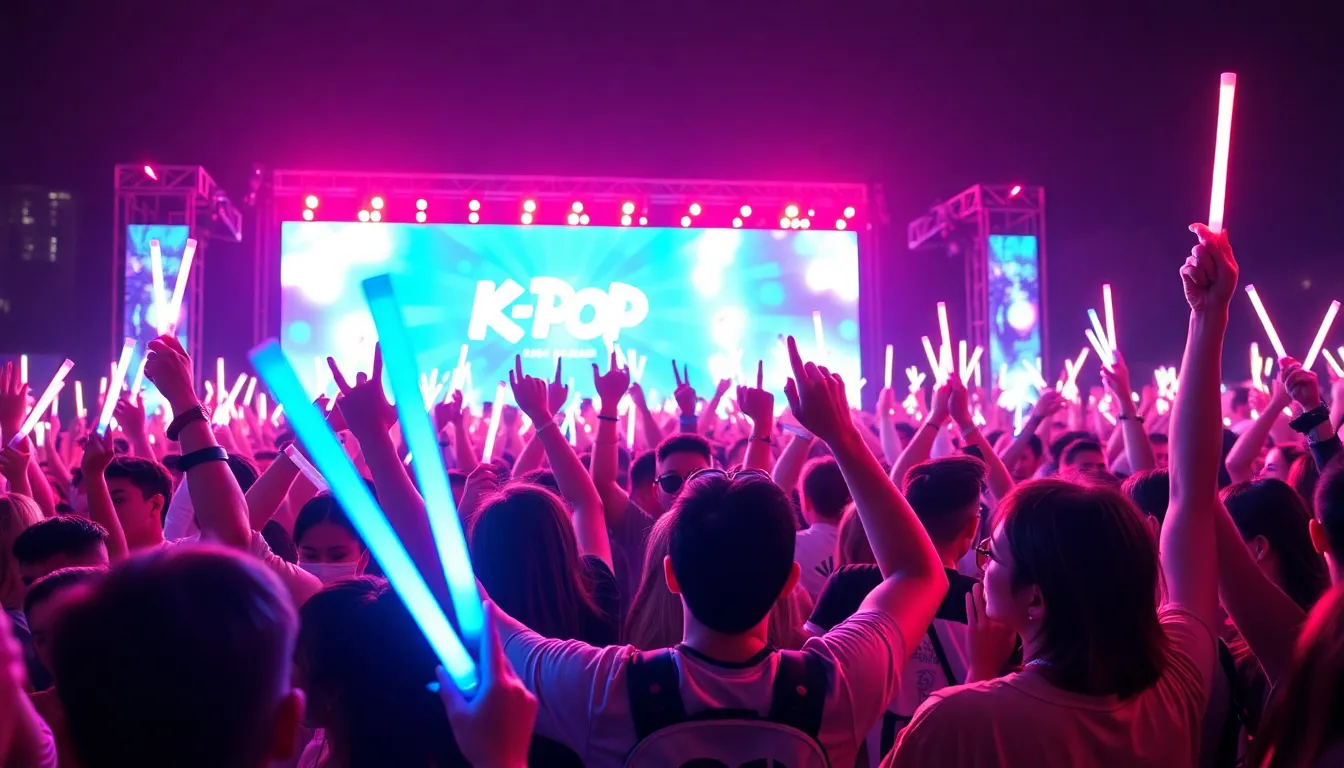
Fans, particularly those from different generations, play a critical role in promoting K-Pop through social media and fan-driven initiatives. This grassroots support often translates into significant economic benefits for the industry. However, the interests of fans can sometimes conflict with those of companies, especially when it comes to issues of artist treatment and transparency in business practices.
- Artists: Desire for creative freedom and fair compensation.
- Entertainment Companies: Focused on maximizing revenue through global marketing strategies.
- Fans: Advocate for artist welfare and community engagement.
- Cultural Influencers: Aim to promote K-Pop as a legitimate cultural movement.
Legal issues also arise, particularly concerning copyright and intellectual property rights. As K-Pop continues to gain traction globally, the protection of musical works and choreography becomes increasingly important. Additionally, economic challenges such as market saturation and competition from other music genres pose risks to sustained growth.
Furthermore, the cultural exchange facilitated by K-Pop has sparked discussions about appropriation and representation. Stakeholders must navigate these sensitive topics to foster a more inclusive environment while promoting the genre worldwide. Ultimately, understanding these key issues is essential for comprehending the broader implications of K-Pop’s influence on global music culture.
The Impact of K-Pop on Music and Fan Communities
K-Pop has transcended its South Korean origins to influence a wide range of demographics globally, particularly among younger audiences and even older generations like Gen-X. This cultural phenomenon has created a vibrant community of fans who are deeply engaged with the music, fashion, and overall lifestyle associated with K-Pop. The impact is felt across various groups, including music lovers, content creators, and the fashion industry.
In the short term, the rise of K-Pop has led to increased consumption of music and entertainment, with fans dedicating time to streaming, attending concerts, and engaging on social media platforms. Businesses in the entertainment sector, such as concert venues and merchandise retailers, have experienced a surge in demand. Additionally, local economies in cities hosting K-Pop concerts benefit from increased tourism and spending.
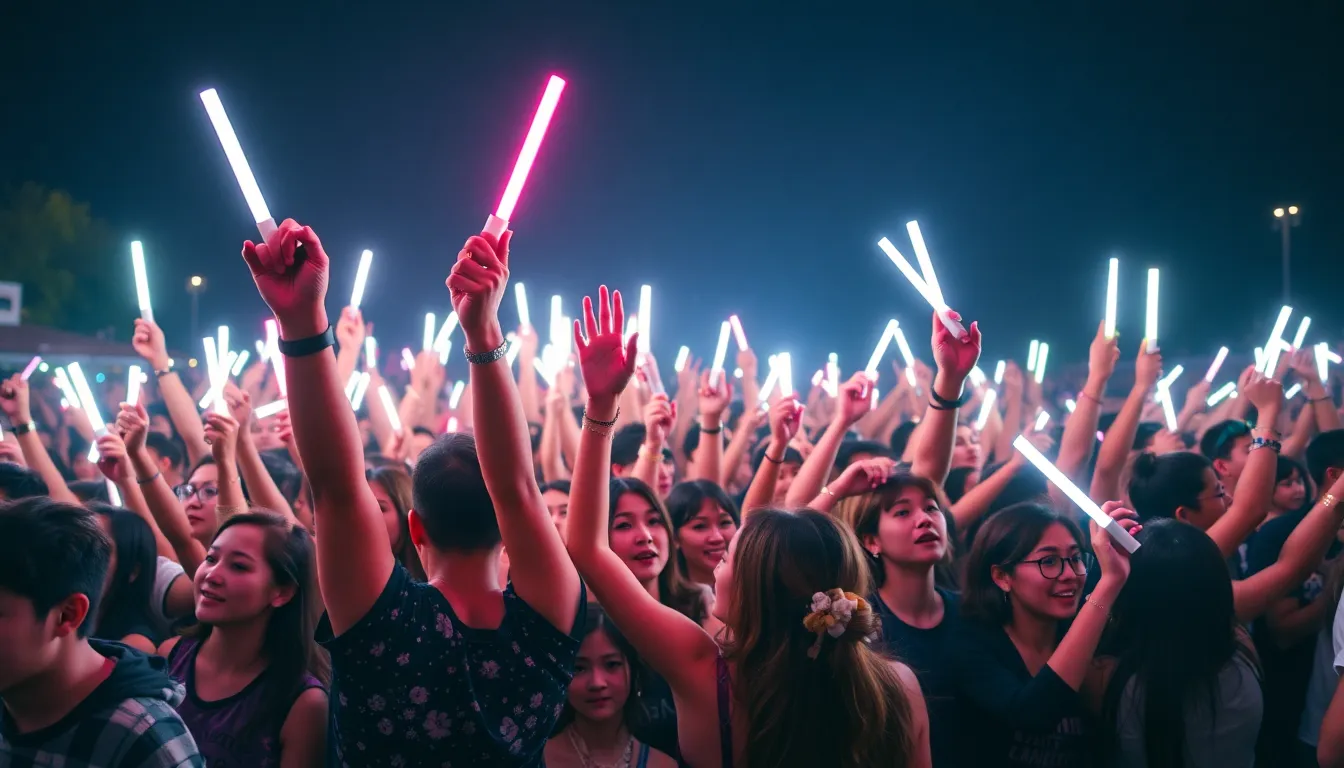
Mid-term, the influence of K-Pop can reshape industry standards and practices, particularly in how music is marketed and distributed. Traditional record labels may need to adapt to the new landscape dominated by social media and fan-driven content. This shift presents both risks and opportunities; while established artists may struggle to compete, emerging acts can leverage the K-Pop model to gain traction quickly.
- Opportunities: New business models in music distribution and merchandising.
- Risks: Potential market saturation leading to burnout among fans.
- Impact on Policy: Increased focus on copyright and intellectual property rights in the digital space.
Regions with a strong K-Pop presence, such as Southeast Asia and parts of North America, are particularly affected as they see a rise in cultural exchange and collaboration. This dynamic fosters a sense of community among fans, but it also challenges local artists to innovate and compete in a rapidly evolving market.
A: K-Pop is a genre of music originating from South Korea that blends various musical styles. Its popularity stems from catchy tunes, high-quality production, and visually stunning performances. A: New fans can start by listening to popular groups like BTS and BLACKPINK, watching their music videos, and engaging with fan communities on social media. A: No, K-Pop appeals to a wide range of ages, including Gen-X fans, who appreciate its artistry and cultural significance. A: K-Pop fandom is characterized by its passionate and dedicated community, often engaging in activities like fan projects, streaming parties, and social media campaigns. A: K-Pop influences global music trends through its innovative sound, fashion, and choreography, inspiring artists worldwide to incorporate similar elements into their work.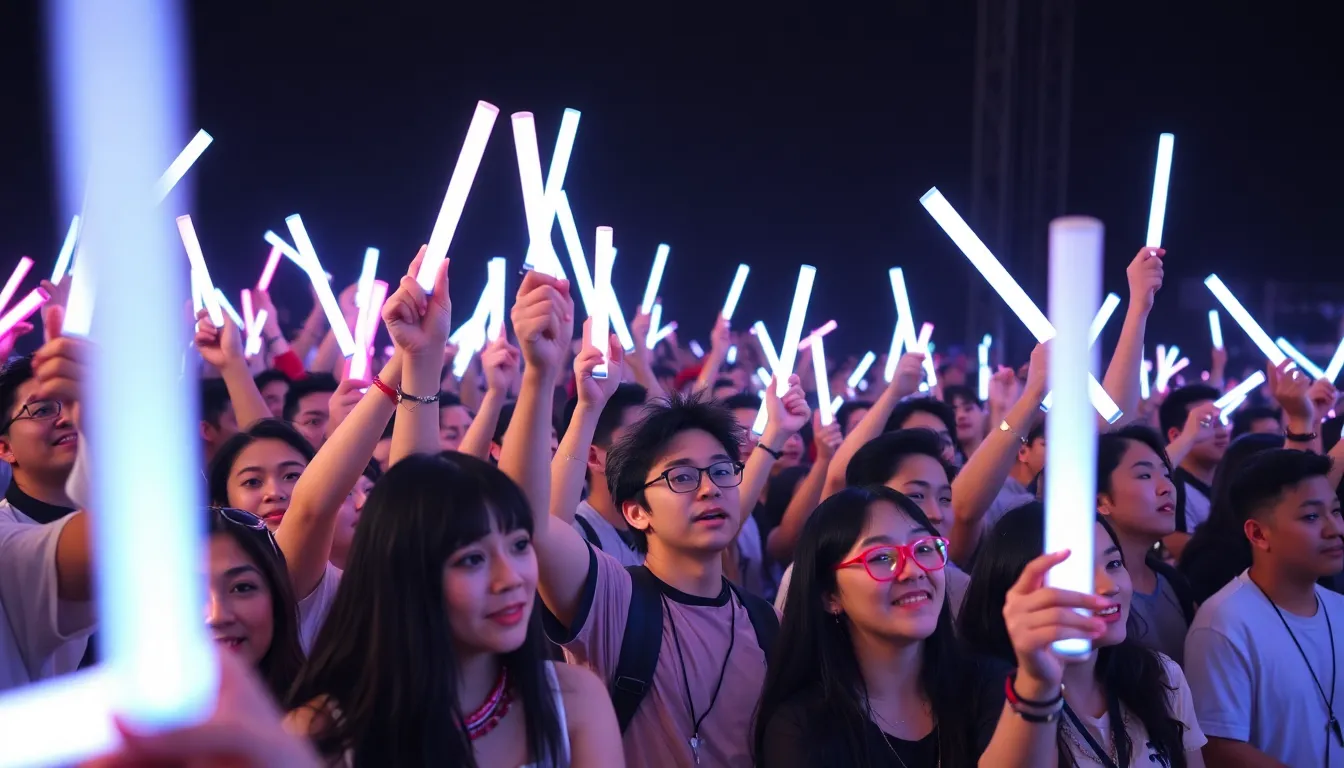
Frequently Asked Questions About K-Pop and Fandom
Looking Ahead: The Future of K-Pop and Its Fans
The evolution of K-Pop continues to reshape the landscape of global music, drawing in diverse audiences and challenging traditional genre boundaries. As seen through the lens of a Gen-X alternative rock queen, the appeal of K-Pop transcends age and cultural barriers, inviting a new generation of fans to engage with the genre in unique ways. This growing phenomenon highlights the importance of adaptability and openness in understanding and appreciating different musical styles.
As K-Pop’s influence expands, it will be essential to observe how these dynamics play out in the music industry and among its fanbase. The interplay between nostalgia for past musical movements and the fresh, vibrant energy of K-Pop may create exciting opportunities for collaboration and innovation in the years to come.
- Watch for cross-genre collaborations that blend K-Pop with alternative rock and other genres, fostering a rich musical tapestry.
- Pay attention to the role of social media in shaping fan interactions and driving the popularity of K-Pop artists globally.
- Consider the potential for K-Pop to influence mainstream music trends, as its unique aesthetics and storytelling resonate with a broader audience.
- Stay alert to the evolving demographics of K-Pop fans, as diverse age groups find common ground through shared musical experiences.
- Monitor how K-Pop’s global reach may lead to cultural exchanges that enrich both the genre and its international audience.