
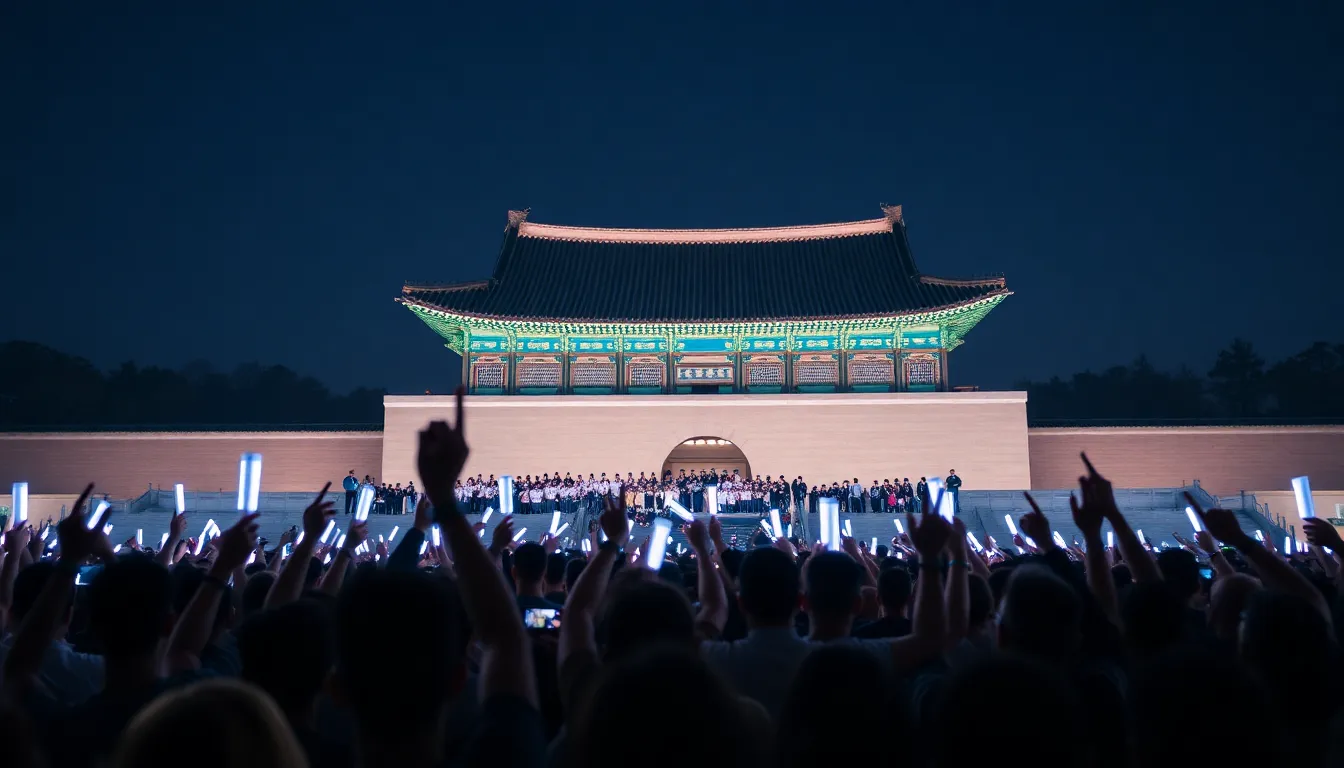
The concert took place at the iconic Gyeongbokgung Palace, a venue that holds significant cultural importance in South Korea. Fans, known as ARMY, gathered to celebrate the group’s return, creating a vibrant atmosphere filled with enthusiasm and excitement. The event was not only a musical performance but also a cultural celebration, showcasing the enduring influence of BTS on both local and international stages. For more on similar cultural events, check out this article on King surprising the crowd by DJing at a local arts venue.
As the concert unfolded, BTS performed a mix of their classic hits and new tracks, captivating the audience with their signature choreography and powerful vocals. The event was streamed live, allowing fans who could not attend in person to participate in the experience, further highlighting the group’s global reach.
This comeback concert is significant not only for BTS but also for the South Korean economy, as it is expected to boost tourism and local businesses in the area. The event represents a moment of unity and joy for fans and serves as a reminder of the cultural impact that music can have in bridging communities across the globe, as highlighted in various discussions surrounding cultural diplomacy.
The significance of BTS in the global music landscape
BTS, also known as Bangtan Sonyeondan or Beyond the Scene, has transcended the boundaries of K-pop to become a global phenomenon. Formed in 2013, the seven-member boy band has not only dominated music charts but has also played a pivotal role in promoting Korean culture worldwide. Their unique blend of musical styles, powerful lyrics, and engaging performances have resonated with millions, making them a symbol of the Hallyu wave, which refers to the increasing global popularity of South Korean culture.
The group’s rise to fame was marked by several key milestones, including their historic win at the Billboard Music Awards in 2017, where they became the first K-pop group to receive the Top Social Artist award. This recognition opened doors for other K-pop artists and highlighted South Korea’s burgeoning music industry on the global stage. BTS’s ability to connect with fans, known as ARMY, through social media platforms has further solidified their place in the hearts of audiences worldwide, much like how news can connect people during global events.
The socio-political impact of BTS
Beyond their musical achievements, BTS has also made significant contributions to social issues. The group has used their platform to address mental health, self-acceptance, and youth empowerment, often collaborating with organizations like UNICEF in campaigns such as “Love Myself.” Their advocacy has sparked important conversations in South Korea and beyond, reflecting a shift in societal attitudes towards these topics.
The economic impact of BTS cannot be understated either. Their concerts and merchandise sales have generated billions for the South Korean economy, particularly in the tourism sector. The recent comeback concert in the historic center of Seoul not only celebrates their return but also serves as a reminder of the band’s ability to draw international visitors, thereby boosting local businesses and cultural exchange.
As BTS prepares for their highly anticipated concert, the event symbolizes more than just a musical comeback; it represents a celebration of resilience and unity in a post-pandemic world. The concert is expected to attract fans from around the globe, reaffirming BTS’s status as cultural ambassadors and highlighting the enduring power of music to bring people together.
Key stakeholders and the impact of BTS’s return on the music industry
The recent comeback concert of BTS in the historic centre of Seoul has drawn significant attention from various stakeholders, including the South Korean government, entertainment companies, and fans. Each of these groups has distinct interests that shape the broader landscape of the music industry.
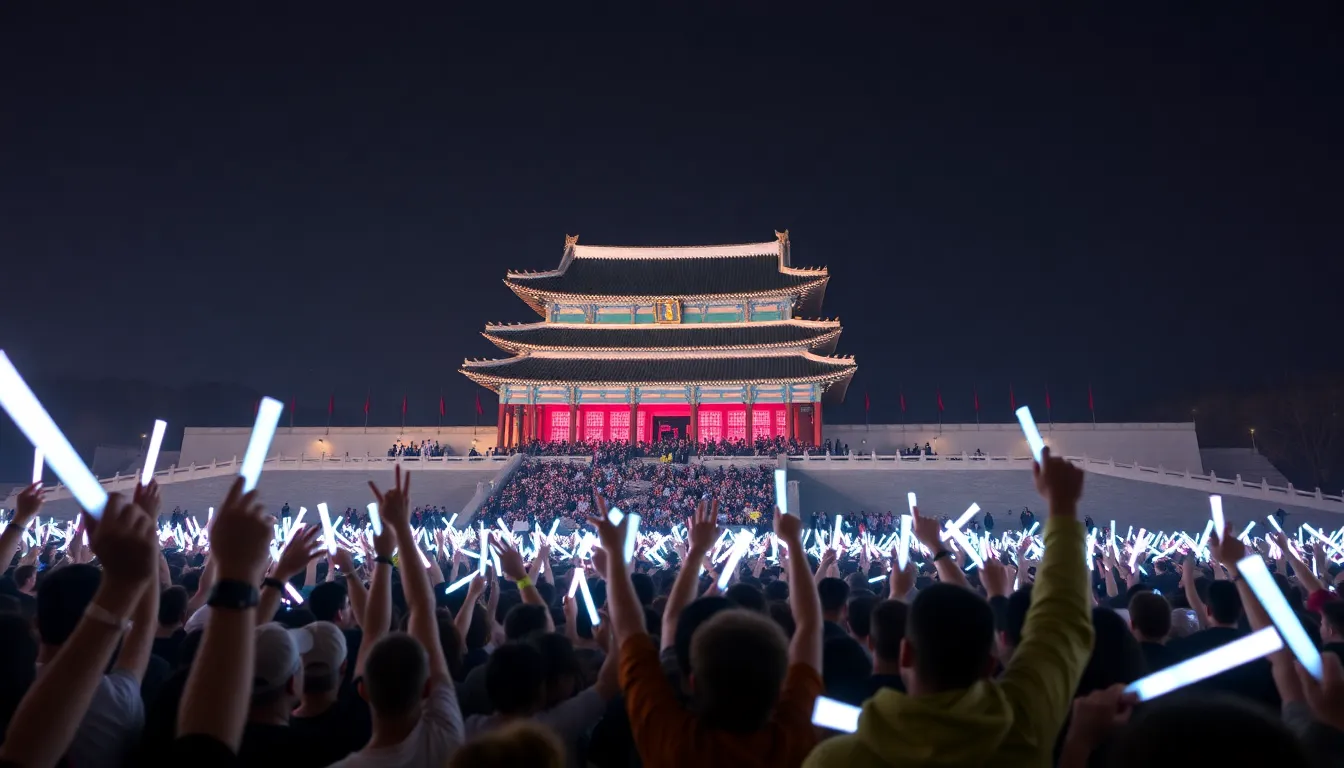
The South Korean government plays a crucial role as a stakeholder, primarily interested in promoting cultural diplomacy and boosting tourism. The success of BTS not only elevates South Korea’s global cultural standing but also contributes to the economy through increased visitor numbers and spending in the local area during high-profile events. Such concerts can lead to substantial economic benefits, including job creation in the hospitality and service sectors.
Entertainment companies, particularly Big Hit Entertainment, have a vested interest in BTS’s success. The group’s return generates substantial revenue through ticket sales, merchandise, and streaming. However, this also raises concerns about the sustainability of their fame and the pressure on the artists to continuously deliver hits. The balance between artistic expression and commercial success is a delicate one, often leading to conflicts within the industry.
- Fan Engagement: The passionate fanbase, known as ARMY, is another key stakeholder. Their loyalty and engagement drive BTS’s popularity, but this can also create challenges, such as managing expectations and the mental health of the artists.
- Legal Issues: The concert raises potential legal considerations, including copyright issues related to music and performances, as well as safety regulations for large gatherings.
- Economic Trade-offs: While the concert boosts local businesses, it may also lead to increased living costs in the area, affecting long-term residents.
In summary, the return of BTS is not just a musical event; it encapsulates a complex interplay of interests among various stakeholders. Understanding these dynamics is essential for appreciating the broader implications of their impact on the music industry and society at large.
The concert’s influence on fans and local businesses in Seoul
The highly anticipated comeback concert of BTS in the historic centre of Seoul has generated significant excitement among fans, known as ARMY, who have traveled from around the globe to witness this electrifying event. This influx of fans not only boosts morale but also has a substantial impact on the local economy, particularly in sectors like hospitality, retail, and transportation.
Local businesses, including hotels, restaurants, and souvenir shops, stand to benefit immensely from the increased foot traffic. Many establishments are reporting full bookings and heightened sales, showcasing the concert’s potential to rejuvenate areas that have struggled in the wake of the pandemic. Additionally, the event may encourage longer stays as fans explore the rich cultural offerings of Seoul.
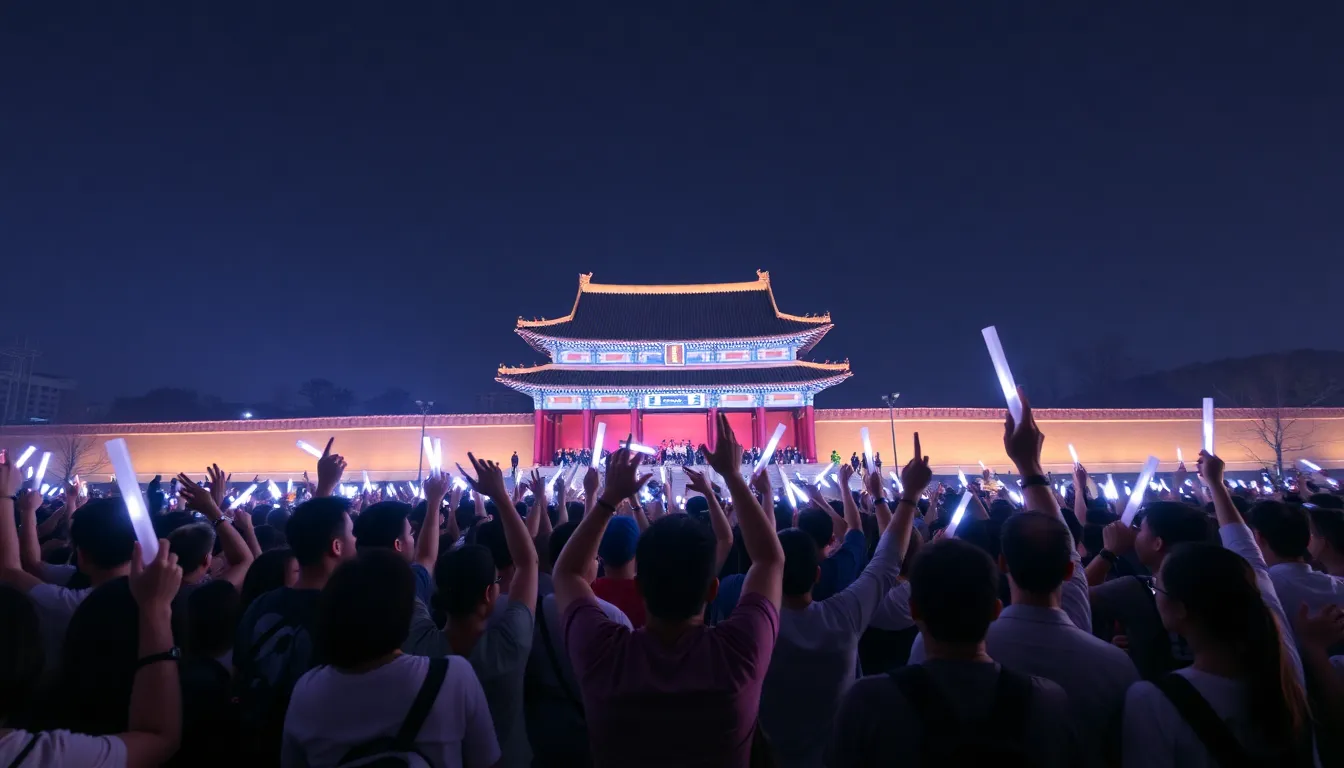
However, while the immediate economic boost is promising, there are potential risks involved. The surge in visitors could strain local infrastructure, leading to overcrowding and increased demand for public services. Furthermore, if not managed properly, the event could spark concerns regarding public health and safety, especially in light of previous global health crises.
In the mid-term, the concert may influence local policies as city officials consider measures to accommodate large-scale events in the future. This could lead to improved public transportation options and enhanced safety protocols, ultimately benefiting both residents and visitors alike.
- Short-term benefits: Increased sales for local businesses, full bookings in hotels, and heightened activity in the transportation sector.
- Mid-term impacts: Potential changes in local policies regarding event management and infrastructure improvements.
- Risks: Overcrowding, strain on public services, and public health concerns.
- Opportunities: Long-term tourism growth and enhanced global recognition of Seoul as a cultural hub.
A: The concert took place on a weekend in October 2023, drawing thousands of fans to the historic centre of Seoul. A: Fans can stay updated on future concert announcements through BTS’s official social media channels and their fan club. A: Organizers implemented various safety measures, including crowd control and health protocols, to ensure the safety of attendees. A: While specific details are yet to be announced, there are indications that BTS may tour other cities in the near future. A: The setlist included a mix of BTS’s greatest hits and new songs, showcasing their evolution as artists.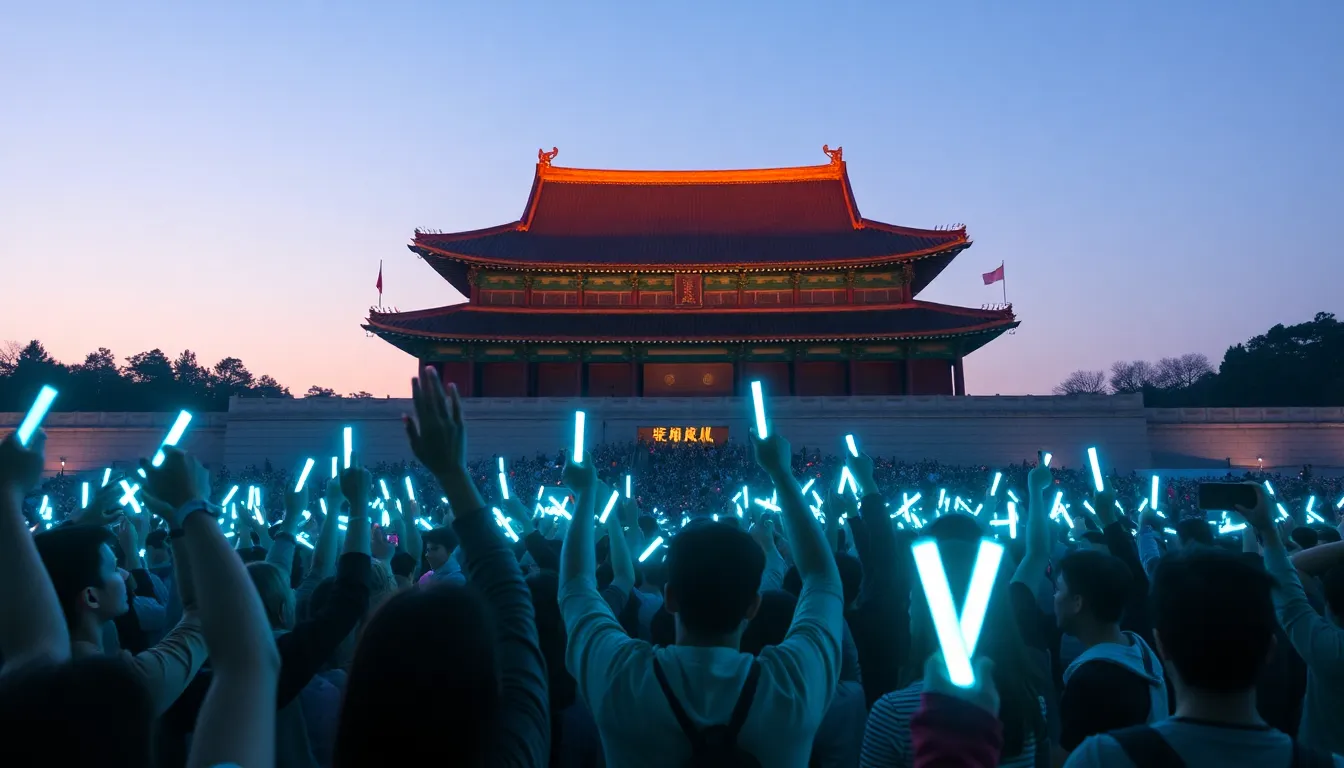
Frequently asked questions about the BTS concert
Looking ahead: The future of BTS and their impact on K-pop
The recent comeback concert by BTS in the historic center of Seoul not only reaffirmed their status as global pop icons but also showcased the enduring appeal of K-pop on the world stage. As the group continues to evolve, their influence on the music industry and cultural landscape remains significant. The concert served as a reminder of the unique connection BTS has with their fans, which will likely shape their future projects and collaborations.
Moving forward, the dynamics within the K-pop industry may shift as BTS explores new artistic directions and ventures. Observers should pay close attention to how their innovative approaches influence emerging artists and the overall market trends in South Korea and beyond.
- BTS’s ability to engage with fans through both music and personal narratives will likely set new standards for artist-fan relationships.
- The group’s ongoing projects may inspire a wave of collaborations across genres, further blurring the lines between K-pop and global music styles.
- As BTS continues to break records, the implications for the K-pop industry could include increased international attention and investment in new talent.
- The concert’s success may encourage other artists to hold large-scale events in historic locations, merging cultural heritage with contemporary music.
- Monitoring BTS’s impact on social issues and philanthropy will provide insight into how pop culture can drive positive change in society.