
In 2023, a series of exhibitions and academic conferences have highlighted the achievements of female pharaohs, emphasizing their political acumen and cultural influence. This shift is particularly relevant as it addresses historical biases that have often portrayed these figures in a negative light, such as the archetype of the wicked stepmother.
Additionally, the discovery of inscriptions and artifacts that celebrate the accomplishments of female rulers has sparked interest among the public and academia alike. For instance, recent findings in the Valley of the Kings have revealed murals that depict Hatshepsut’s successful trading expeditions and monumental building projects, further solidifying her legacy as a capable leader. This legacy is gaining attention in modern discussions.
This transformation in understanding is not only an academic exercise but also resonates with contemporary discussions about gender and leadership. As societies worldwide grapple with issues of representation and equality, the reexamination of historical figures like Hatshepsut serves as a reminder of the complexities of female power in history.
Historical Context of Female Rulers in Ancient Egypt
Throughout history, Ancient Egypt has been characterized by a complex interplay of power dynamics, particularly regarding gender roles in leadership. While predominantly a patriarchal society, there were notable exceptions where women ascended to positions of power, often as queens or regents. These female rulers, including Hatshepsut and Cleopatra, played significant roles in shaping the political landscape of their time, challenging the traditional narratives that often depict them as mere consorts or secondary figures.
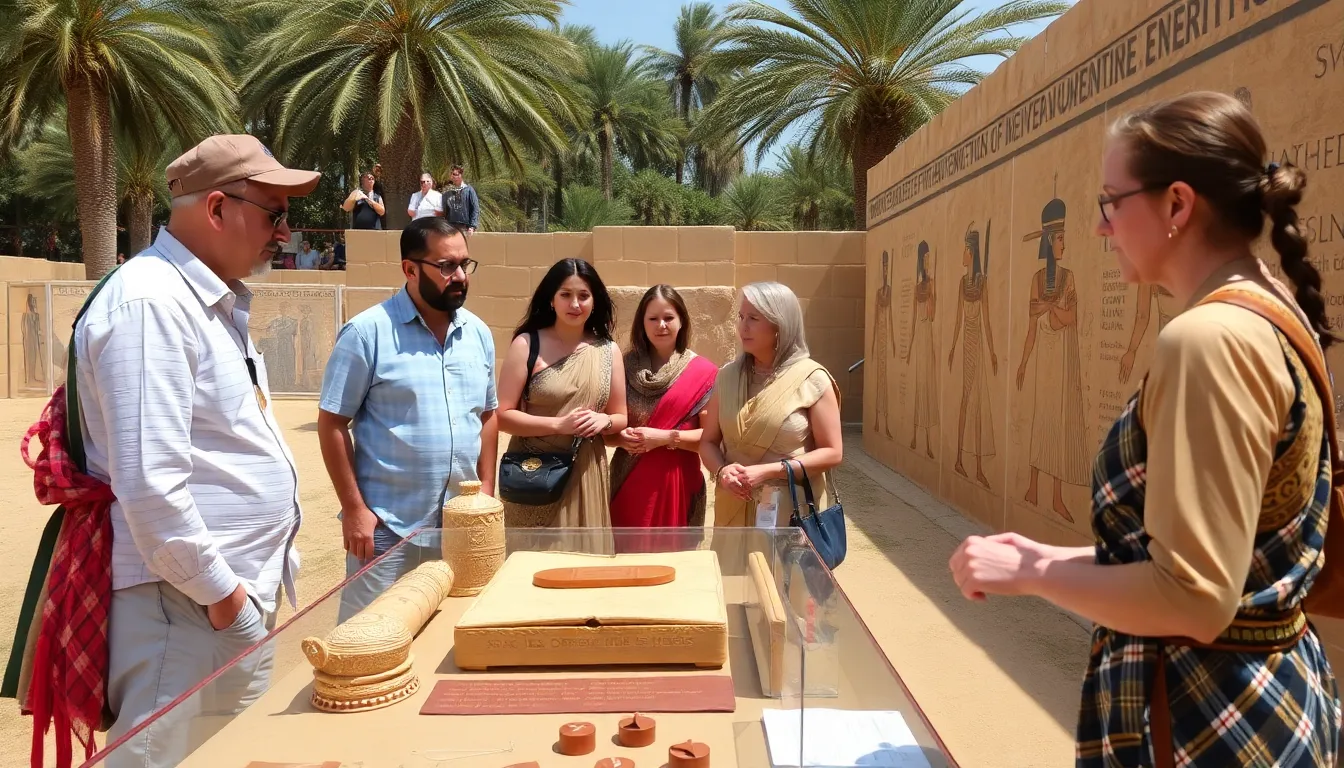
The reign of Hatshepsut, in particular, marked a pivotal moment in the history of female leadership in Egypt. Ascending to the throne around 1479 BCE, she adopted the full regalia of a pharaoh, including male titles and iconography. Her successful rule, which lasted over two decades, is often credited with a period of peace and economic prosperity, showcasing that female leadership could be effective and beneficial for the kingdom.
Changing Perceptions of Female Pharaohs
In recent years, there has been a significant shift in how historians and the public perceive female pharaohs. Previously viewed through a lens of skepticism and often labeled as ‘wicked stepmothers’ in popular culture, these figures are now being re-evaluated. Modern scholarship emphasizes their contributions to society, economy, and culture, arguing that their leadership styles were often more collaborative and inclusive compared to their male counterparts.
This re-evaluation has been fueled by archaeological discoveries and advancements in feminist historiography, which aim to highlight the agency and accomplishments of women in ancient civilizations. As a result, the narrative surrounding female pharaohs is gradually transforming, allowing for a more nuanced understanding of their roles in history and the impact they had on the Egyptian empire, similar to the challenges faced by dancers today.
Moreover, the growing interest in gender studies and the recognition of women’s historical contributions have prompted a broader societal reflection on the roles of women in leadership, both in ancient times and in contemporary settings. This context sets the stage for a deeper appreciation of figures like Hatshepsut, who defied norms and left an indelible mark on the history of Ancient Egypt.
Key Issues Surrounding the Rebranding of Female Pharaohs
The recent movement to rebrand female pharaohs, particularly in the context of historical figures like Hatshepsut and Nefertiti, has garnered attention from various stakeholders. These actors include historians, cultural institutions, feminist organizations, and the general public. Each group has distinct interests that shape their perspectives on the re-evaluation of these ancient rulers.
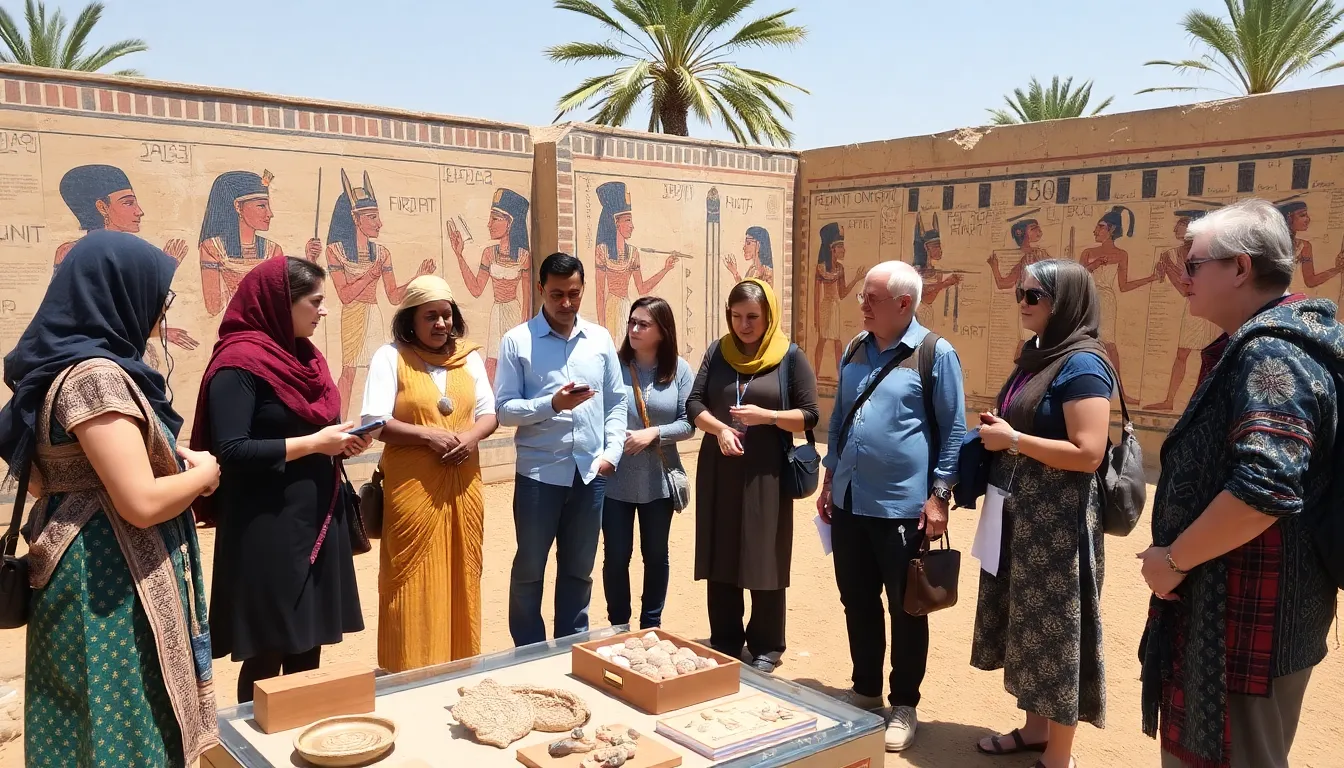
Historians and archaeologists are primarily concerned with the accuracy of historical narratives. They advocate for a nuanced understanding of female pharaohs, emphasizing their contributions to Egyptian society and governance. This involves challenging long-standing perceptions that often depict them in a negative light, such as the stereotype of the “wicked stepmother.” The reinterpretation of these figures could lead to a more balanced historical record.
Cultural institutions, such as museums and educational organizations, play a critical role in disseminating information about female pharaohs. Their interests lie in attracting diverse audiences and promoting inclusivity in historical narratives. By showcasing female leadership in ancient Egypt, these institutions can foster a broader understanding of gender roles in history, ultimately contributing to modern discussions about women’s rights and representation.
- Conflicts of Interest: There may be conflicts between traditional historians who resist changes to established narratives and progressive scholars advocating for a re-evaluation of female pharaohs.
- Economic Implications: The rebranding could influence tourism, as increased interest in female pharaohs may lead to new exhibits and educational programs that attract visitors.
- Legal and Ethical Issues: The repatriation of artifacts related to female pharaohs raises legal questions about ownership and cultural heritage.
- Public Perception: The ongoing dialogue about female pharaohs may shift public perception, challenging gender stereotypes and promoting discussions about leadership.
In addition to these stakeholders, feminist organizations are increasingly involved in the discourse surrounding female pharaohs. Their interest lies in highlighting the achievements of women throughout history, advocating for greater recognition and representation in historical narratives. This aligns with broader movements aimed at addressing gender inequality, making the rebranding of female pharaohs a relevant issue in contemporary society.
Impact on Gender Representation in Historical Narratives
The re-evaluation of female figures in history, particularly the transformation of the image of pharaohs, affects a wide range of groups, including historians, educators, and gender equality advocates. These shifts in narrative can also influence the tourism industry, particularly in regions with historical significance related to ancient Egypt.
In the short term, this reputational makeover presents an opportunity for educational institutions to revise curricula that have traditionally overlooked or misrepresented female leadership. This can lead to increased awareness and interest in gender studies, prompting schools and universities to adopt more inclusive teaching methods.
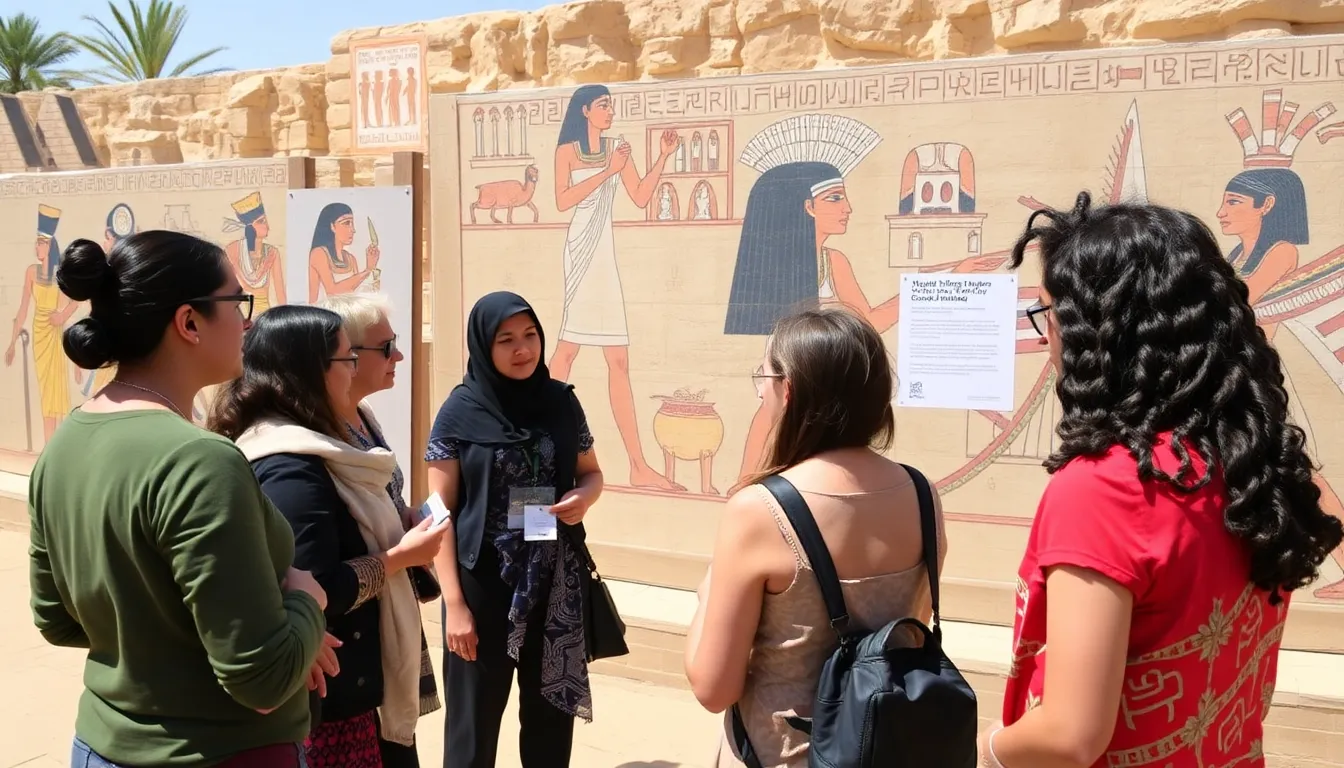
Mid-term impacts may include a shift in tourism dynamics, as increased interest in female pharaohs could draw more visitors to archaeological sites and museums that highlight these figures. This could stimulate local economies, particularly in regions historically associated with female rulers, as businesses adapt to cater to a new demographic of tourists seeking a more nuanced understanding of history.
- Opportunities: Enhanced educational programs focusing on gender representation.
- Risks: Potential backlash from traditionalists resistant to changing narratives.
- Economic Growth: Increased tourism and local business engagement in historical sites.
Overall, the rebranding of female pharaohs not only reshapes historical narratives but also paves the way for broader discussions on gender representation in various sectors, influencing policies and practices in education, tourism, and beyond.
A: Female pharaohs have historically been depicted as wicked stepmothers due to patriarchal narratives that sought to undermine their authority. This perception is being challenged as new research highlights their significant contributions. A: Recent scholarship and media portrayals have begun to celebrate female pharaohs as powerful leaders, focusing on their achievements and roles in society rather than negative stereotypes. A: Notable female pharaohs include Hatshepsut, who expanded trade networks, and Cleopatra VII, known for her political acumen and alliances. Their legacies are being reexamined in modern contexts. A: The rebranding of female pharaohs contributes to ongoing discussions about gender equality and representation, encouraging a reevaluation of women’s roles in history and leadership.
Frequently Asked Questions about Female Pharaohs
Insights on the Future of Female Leadership Representation
The re-evaluation of the historical narrative surrounding female figures like the Pharaoh Hatshepsut highlights a significant shift in the perception of women’s roles in leadership. As society increasingly recognizes the contributions of women in history, it opens the door for a broader understanding of female leadership today. This transformation is not merely a historical reflection but a contemporary call to action, urging organizations and communities to embrace diverse leadership styles and narratives.
As we move forward, the implications of this newfound recognition are profound. The ability to redefine leadership archetypes can inspire future generations of women to pursue roles traditionally dominated by men, fostering a more inclusive environment. Observing how these changes unfold in various sectors will be crucial for understanding the evolving landscape of leadership.
- Organizations should prioritize diversity in leadership roles to reflect a wider range of perspectives and experiences.
- Educational programs can incorporate historical figures like Hatshepsut to inspire young women and promote female empowerment.
- Media representation of female leaders must evolve to showcase their complexities beyond traditional stereotypes.
- Continued research into the impacts of female leadership on organizational success can provide valuable insights for future policies.