
Montoya pointed to specific events, such as the clashes between prominent drivers during the Monaco Grand Prix on May 28, 2023, which resulted in multiple penalties and heated exchanges. He emphasized that such behavior not only undermines the integrity of the sport but also sets a poor example for aspiring racers, highlighting the need for a code of conduct that reflects the sport’s values.
In response to these incidents, Montoya is advocating for stricter penalties for drivers who exhibit unsportsmanlike conduct. He believes that enforcing harsher consequences could help restore respect and professionalism within the racing community, ensuring that drivers adhere to a code of conduct that reflects the sport’s values.
The issue of driver disrespect has gained traction among fans and pundits, with many calling for the FIA to take action. As the 2023 season progresses, the conversation around maintaining sportsmanship in Formula 1 continues to grow, particularly in light of assumptions surrounding driver behavior and respect.
Understanding the background of driver conduct in F1
Formula 1 has long been a sport defined by its high stakes, intense competition, and the personalities of its drivers. Over the years, the conduct of drivers both on and off the track has come under scrutiny, particularly as the sport has evolved into a global phenomenon. The increasing visibility of F1, fueled by social media and global broadcasting, has amplified the impact of driver behavior, leading to calls for stricter regulations and penalties for those who disrespect the sport’s values.
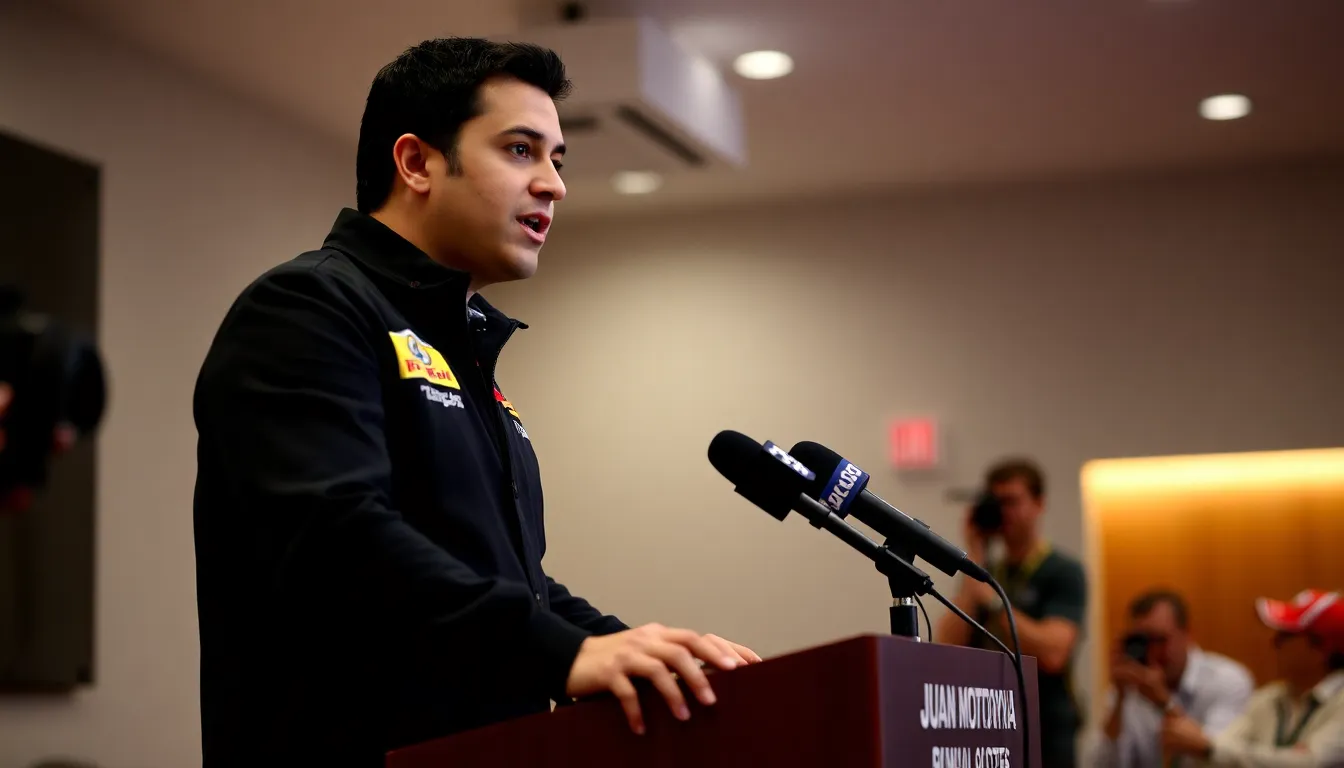
Historically, driver conduct was often overlooked, with a focus primarily on performance and results. However, incidents of unsportsmanlike behavior, such as aggressive driving, verbal altercations, and public disputes, have prompted discussions about the need for a code of conduct. Notable incidents, such as the rivalry between Ayrton Senna and Alain Prost in the late 1980s and early 1990s, showcased how personal conflicts could overshadow the sport itself, leading to crashes and controversial championships.
The economic implications of driver conduct cannot be understated. Sponsors and partners are increasingly concerned with the image and reputation of the teams and drivers they support. A single incident of disrespectful behavior can lead to significant financial repercussions, including loss of sponsorship deals and damage to the sport’s brand. This has led to a growing consensus among stakeholders that maintaining a positive image is essential for the sport’s continued growth and popularity.
The Role of Governance in F1
The governance of Formula 1, primarily through the FIA (Fédération Internationale de l’Automobile), has historically been reactive rather than proactive in addressing driver conduct. While rules exist to penalize dangerous driving, the enforcement of penalties for disrespectful behavior has been inconsistent. Recent calls from figures like Montoya for stricter penalties reflect a desire for a more uniform approach to maintaining professionalism within the sport, ensuring that drivers understand the importance of their conduct both on and off the track.
As F1 moves into a new era with a focus on sustainability and inclusivity, the expectation for drivers to uphold the sport’s integrity has never been more critical. The push for penalties for disrespectful behavior is not merely about enforcing rules but about fostering a culture of respect and professionalism that aligns with the evolving values of the sport and its fanbase.
Key stakeholders and issues surrounding driver behavior
The recent call by former Formula 1 driver Juan Pablo Montoya for stricter penalties against drivers who disrespect the sport has ignited a significant discussion among various stakeholders, including the FIA (Fédération Internationale de l’Automobile), who play a critical role in maintaining the integrity of the sport.
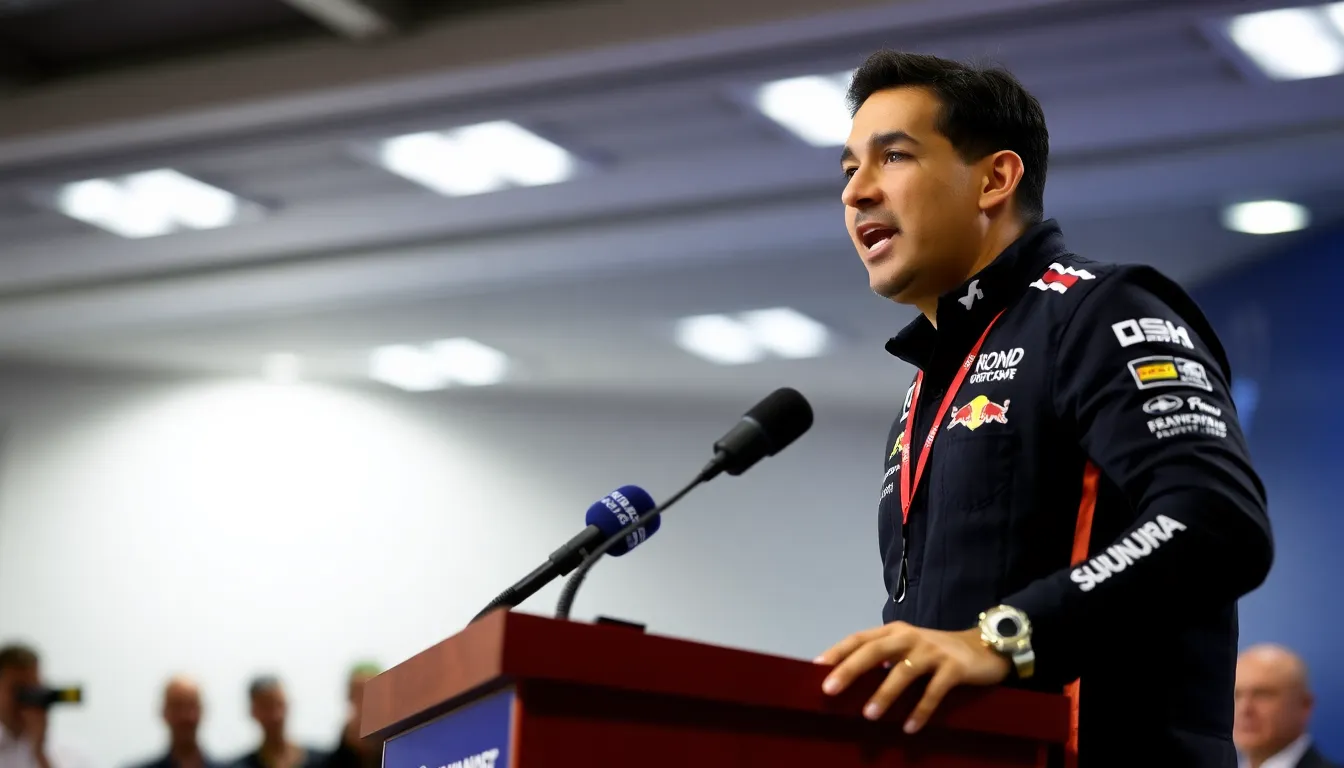
Current drivers are primarily concerned with the implications of potential penalties on their performance and reputation. They may argue that the competitive nature of racing often leads to aggressive behavior, which is part of the sport’s excitement. However, they also recognize the need for maintaining respect and sportsmanship, which are essential for the integrity of Formula 1.
Team principals and their respective organizations have a vested interest in how driver behavior affects team dynamics and sponsorship deals. Disrespectful actions on the track can lead to negative publicity and impact the financial health of a team. Furthermore, the FIA, as the governing body, must balance enforcing rules with ensuring that the sport remains entertaining and competitive. This raises questions about the consistency and fairness of penalty applications.
- Driver Safety: The safety of drivers and teams is paramount, and disrespectful behavior can lead to dangerous situations on the track.
- Fan Engagement: Fans expect high standards of conduct from drivers, and breaches can lead to diminished fan loyalty and engagement.
- Sponsorship Impact: Sponsors may reconsider their associations with teams or drivers who are frequently penalized for unsportsmanlike behavior.
- Legal Implications: The enforcement of penalties may lead to legal challenges, particularly if drivers feel they are being treated unfairly.
- Economic Trade-offs: Stricter penalties could deter aggressive driving, potentially affecting the entertainment value of races.
As Montoya’s demands gain traction, the ongoing dialogue highlights the complex interplay of interests among stakeholders in Formula 1. The challenge lies in finding a balance that upholds the principles of competition while ensuring the sport’s integrity and safety are not compromised.
The potential impact on drivers and the F1 community
The recent demands by Montoya for stricter penalties for drivers who disrespect Formula 1 (F1) regulations could have significant repercussions across various groups and industries. Primarily, the drivers themselves, teams, and sponsors are directly affected, but the implications may extend to fans and the broader motorsport community.
In the short term, stricter penalties could lead to a shift in driver behavior, as they adapt to the new enforcement measures. This change may foster a more respectful racing environment, enhancing the overall quality of the sport. However, it could also lead to increased tensions among drivers and teams, as the interpretation of disrespect may vary, potentially resulting in disputes and controversies.
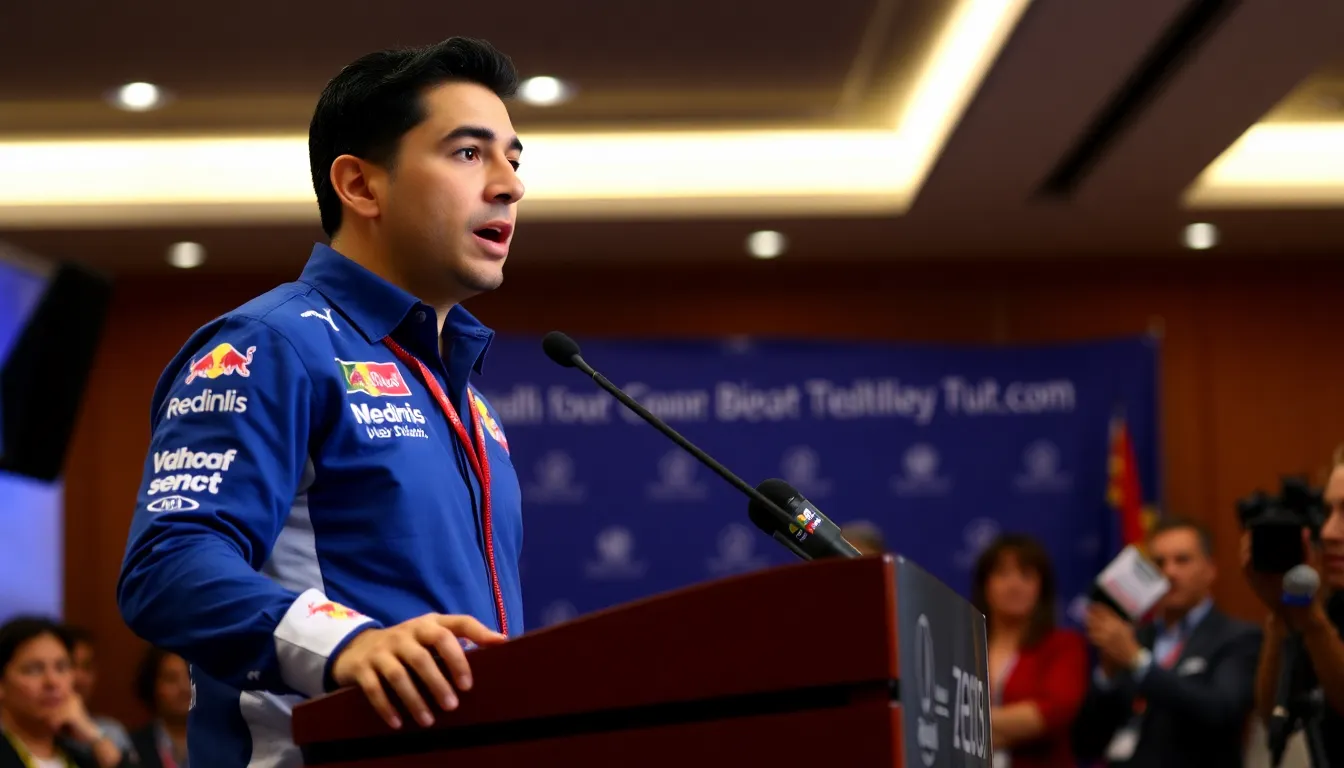
Mid-term impacts may include alterations in team strategies and sponsorship dynamics. Teams may need to invest more in driver training and communication to ensure compliance with the new standards. This could lead to increased operational costs, but it may also present an opportunity for teams to differentiate themselves through a commitment to sportsmanship and respect.
- Risks: Potential for increased conflicts among drivers and teams.
- Risks: Higher operational costs for teams focused on compliance.
- Opportunities: Enhanced reputation for teams that prioritize respect and professionalism.
- Opportunities: Increased fan engagement due to a more respectful racing environment.
Regions with a strong motorsport culture, particularly in Europe and Asia, may experience a surge in interest as the sport emphasizes respect and integrity. This could lead to increased attendance at races and heightened media coverage, benefiting local economies and businesses associated with F1 events.
A: Montoya is addressing actions such as unsportsmanlike conduct, disrespectful comments, and dangerous driving maneuvers that undermine the sport’s integrity. A: Potential penalties could include fines, race bans, or point deductions, depending on the severity of the infraction as determined by race officials. A: Some drivers support Montoya’s stance, while others believe that the current regulations are sufficient and that education is a better approach. A: Yes, driver conduct has been a recurring topic in F1, with varying degrees of enforcement and public discussion over the years. A: If left unaddressed, the sport may face a decline in fan engagement and credibility, as disrespectful behavior could tarnish its reputation.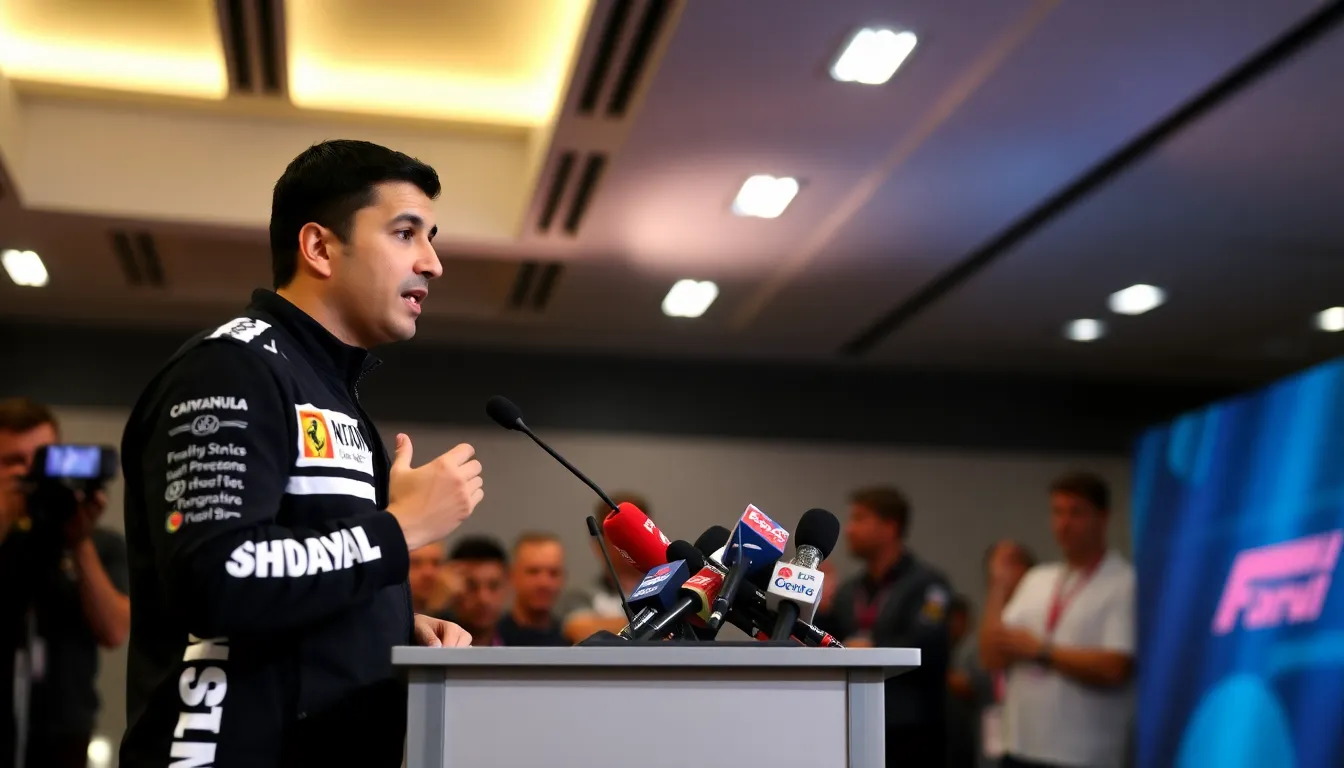
Frequently asked questions about penalties in F1
Looking ahead at the future of driver penalties in F1
As Montoya’s call for stricter penalties for drivers who show disrespect on the track gains traction, the implications for Formula 1 could be significant. The potential for a more disciplined driving environment may lead to a shift in how teams approach driver conduct and race strategy. With heightened scrutiny from both fans and governing bodies, the balance between competitive spirit and sportsmanship is likely to be a focal point in upcoming races.
Teams and drivers will need to adapt to the evolving standards of conduct, which may influence not only race outcomes but also the overall image of the sport. The emphasis on accountability can foster a culture of respect, ultimately enhancing the viewer experience and the integrity of the competition.
- Increased focus on driver conduct: Expect more discussions around sportsmanship and respect in driver briefings and media coverage.
- Potential changes in penalty enforcement: The FIA may introduce clearer guidelines on what constitutes disrespectful behavior, leading to more consistent penalties.
- Impact on team strategies: Teams might prioritize hiring drivers with strong reputations for professionalism, knowing that conduct will be closely monitored.
- Fan engagement: Heightened awareness of driver behavior could lead to increased fan discussions and debates, impacting overall viewership and engagement.