
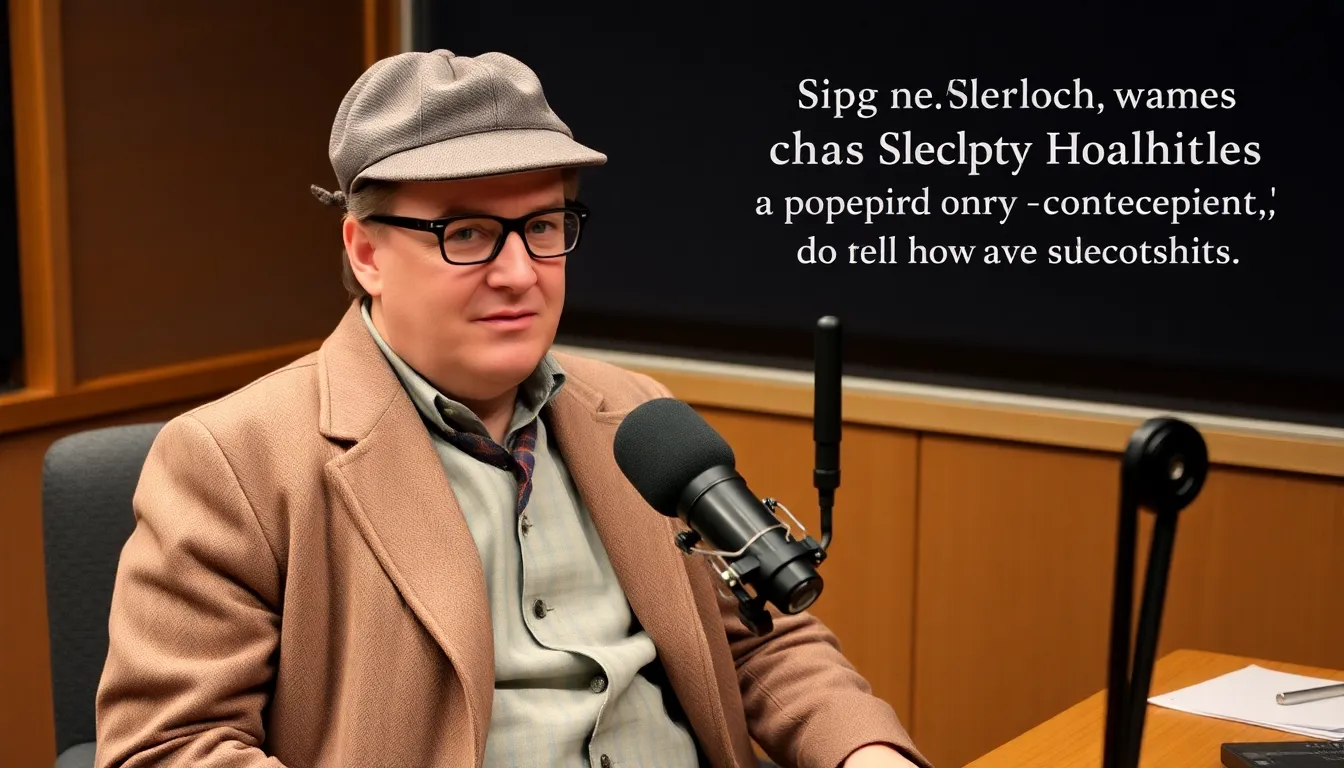
Bonneville, best known for his performances in “Downton Abbey” and “W1A,” brings his unique charm and depth to the character, making it appealing to both longtime fans of the series and new listeners alike.
This new series is significant as it highlights the growing trend of adapting literary classics into audio formats, which has become increasingly popular during the pandemic. With a runtime of approximately 30 minutes per episode, the podcast is designed for easy consumption, making it an ideal choice for listeners seeking engaging content during their daily commutes or leisure time.
Listeners have responded positively to Bonneville’s portrayal, praising his ability to capture the essence of Holmes while adding a modern twist. The podcast not only entertains but also revitalizes interest in the original stories, encouraging a new generation to explore the works of Conan Doyle.
The significance of Sherlock Holmes in popular culture
Sherlock Holmes, the iconic detective created by Sir Arthur Conan Doyle in the late 19th century, has become a cornerstone of popular culture. First appearing in “A Study in Scarlet” in 1887, Holmes’ character is renowned for his astute logical reasoning, use of forensic science, and ability to solve complex mysteries. The stories not only captivated readers of the Victorian era but also laid the groundwork for the modern detective genre, influencing countless authors and adaptations across various media.

Over the decades, the character of Sherlock Holmes has been reimagined in numerous forms, from classic films to contemporary television series. Notable adaptations include the beloved Basil Rathbone films from the 1930s and 1940s, the BBC’s “Sherlock” starring Benedict Cumberbatch, and the recent films featuring Robert Downey Jr. as the titular character. Each interpretation has brought a unique perspective to Holmes’ character, illustrating the adaptability and enduring appeal of Conan Doyle’s creation.
The rise of podcasts as a storytelling medium
In recent years, the podcasting boom has provided a new platform for storytelling, allowing creators to explore classic literature and characters in innovative ways. As audiences increasingly turn to audio content for entertainment and education, adaptations of Sherlock Holmes stories have found a fresh audience. This trend not only highlights the timelessness of Holmes’ adventures but also reflects the growing popularity of immersive audio experiences that engage listeners in unique narratives.
Hugh Bonneville’s recent foray into the world of Sherlock Holmes through a podcast exemplifies this trend, merging traditional storytelling with modern technology, as seen in various adaptations of classic literature.
As we delve into the best podcasts of the week, Bonneville’s engagement with Sherlock Holmes serves as a reminder of the character’s lasting impact on popular culture. The intersection of classic literature and modern media not only revitalizes interest in Holmes but also invites new generations to explore the fascinating world of detective fiction.
The impact of Bonneville’s portrayal on the podcast landscape
Hugh Bonneville’s recent role as Sherlock Holmes in a new podcast series has sparked significant interest among various stakeholders in the entertainment industry, alongside other productions like Solace House, appealing to audiences eager for innovative storytelling.

Key actors in this scenario include podcast production companies, streaming platforms, and the audience itself. Production companies are keen to capitalize on Bonneville’s star power to increase their listenership and engagement. Streaming platforms, on the other hand, are focused on acquiring exclusive content that can differentiate them in a competitive market.
However, this portrayal also raises several conflicts and trade-offs. Traditionalists may argue that Bonneville’s interpretation strays too far from the original character, potentially alienating purists. Conversely, a more modern take could attract a younger demographic, leading to a broader audience base.
- Audience Engagement: Bonneville’s performance may attract diverse listener demographics, influencing future podcast themes and styles.
- Content Ownership: The rights to the character and stories are often contested, raising legal questions regarding adaptations and interpretations.
- Market Competition: As more high-profile actors enter the podcast space, there may be increased competition for listener attention and advertising revenue.
Furthermore, the economic implications of Bonneville’s involvement cannot be overlooked. With the podcast industry rapidly growing, successful portrayals can lead to lucrative sponsorship deals and partnerships, benefiting not only the actors but also the production teams and platforms involved. This creates a complex web of interests that stakeholders must navigate carefully.
How this podcast influences the audience and the market
The release of Hugh Bonneville as Sherlock Holmes in a new podcast format is likely to resonate with various groups, including fans of classic literature, podcast enthusiasts, and the broader entertainment industry. The impact extends beyond mere entertainment, influencing sectors such as media, advertising, and tourism.
In the short term, listeners may experience an increased interest in detective fiction and adaptations of literary classics. This could lead to a surge in book sales, particularly of Arthur Conan Doyle’s works, as well as related merchandise. Additionally, the podcast may inspire local events or themed experiences, benefiting businesses in the hospitality and tourism sectors.
Mid-term impacts may include shifts in content creation strategies within the podcasting industry. As Bonneville’s portrayal garners attention, other creators might seek to develop similar adaptations, potentially leading to a renaissance of audio storytelling. This could enhance the diversity of content available to listeners, promoting a richer cultural dialogue.
- Risks: The podcast may not resonate as expected, leading to financial losses for producers.
- Opportunities: Successful engagement could attract sponsorships and partnerships, boosting revenue streams.
- Impact on tourism: Increased interest in Sherlock Holmes-themed experiences could revitalize local economies.
Overall, the podcast’s influence on the audience and market is multifaceted, with both risks and opportunities shaping the landscape of entertainment and cultural engagement in the coming months.
A: The podcast features Hugh Bonneville as he steps into the role of Sherlock Holmes, solving mysteries and engaging with classic stories in a modern format. A: The podcast is available on major streaming platforms such as Spotify, Apple Podcasts, and Google Podcasts. A: Bonneville brings a unique interpretation to Sherlock Holmes, blending charm and intellect, which sets him apart from previous portrayals. A: Yes, the article highlights several other top podcasts covering various genres, ensuring a diverse listening experience. A: The podcast is generally suitable for all ages, but it may include themes that are more suitable for older children and adults.
Frequently asked questions about the podcast
Key takeaways and future outlook for podcasts
The recent portrayal of Sherlock Holmes by Hugh Bonneville highlights a growing trend in the podcasting world, where established actors are stepping into iconic roles, thereby attracting a diverse audience. This shift not only revitalizes classic narratives but also showcases the versatility of storytelling in audio formats. As the podcast landscape continues to evolve, the intersection of traditional media and innovative audio experiences opens up new avenues for both creators and listeners.
With the increasing popularity of narrative-driven podcasts, it is essential to consider how this trend will shape content creation and audience engagement moving forward. The success of Bonneville’s performance may encourage more actors to explore similar projects, further blending the lines between acting and audio storytelling.
- Expect an influx of high-profile actors joining the podcasting scene, enhancing the quality and appeal of audio narratives.
- As storytelling techniques evolve, podcasts may increasingly incorporate elements from film and television, leading to richer experiences.
- Listeners may seek more immersive and interactive formats, pushing creators to innovate beyond traditional storytelling methods.
- The rise of character-driven narratives could foster a deeper connection between audiences and the stories they consume.
- Monitoring audience responses to these changes will be crucial for understanding future trends in podcasting and media consumption.