
The proposed legislation seeks to define hate speech more clearly and establish stringent penalties for those found guilty of promoting communal hatred. By targeting both online and offline expressions of hate, the law aims to create a safer environment for all communities in Maharashtra, which has a diverse population with a history of inter-religious conflicts. You can learn more about related social issues in our article on Understanding the Struggles of Misophonia During Christmas.
Critics of the law argue that it may infringe upon free speech rights and could be misused by authorities to silence dissent. The debate around this issue is particularly relevant as India approaches key elections, where political parties often engage in polarizing rhetoric to galvanize support.
As the Maharashtra government moves forward with this legislative proposal, it remains to be seen how it will be implemented and whether it can effectively address the underlying issues of hate speech in the region. Observers are closely monitoring the situation, as its outcome could set a precedent for similar measures in other Indian states.
Understanding the background of hate speech laws in India
The issue of hate speech in India has deep historical roots, intertwined with the country’s colonial past and the struggle for independence. During British rule, laws were enacted to suppress dissent and curb freedom of expression, often labeling criticism of the government as sedition. This legacy of restrictive speech laws has carried over into independent India, where the balance between protecting free speech and preventing hate speech remains a contentious topic, similar to what we explore in Myanmar’s army and its claims.
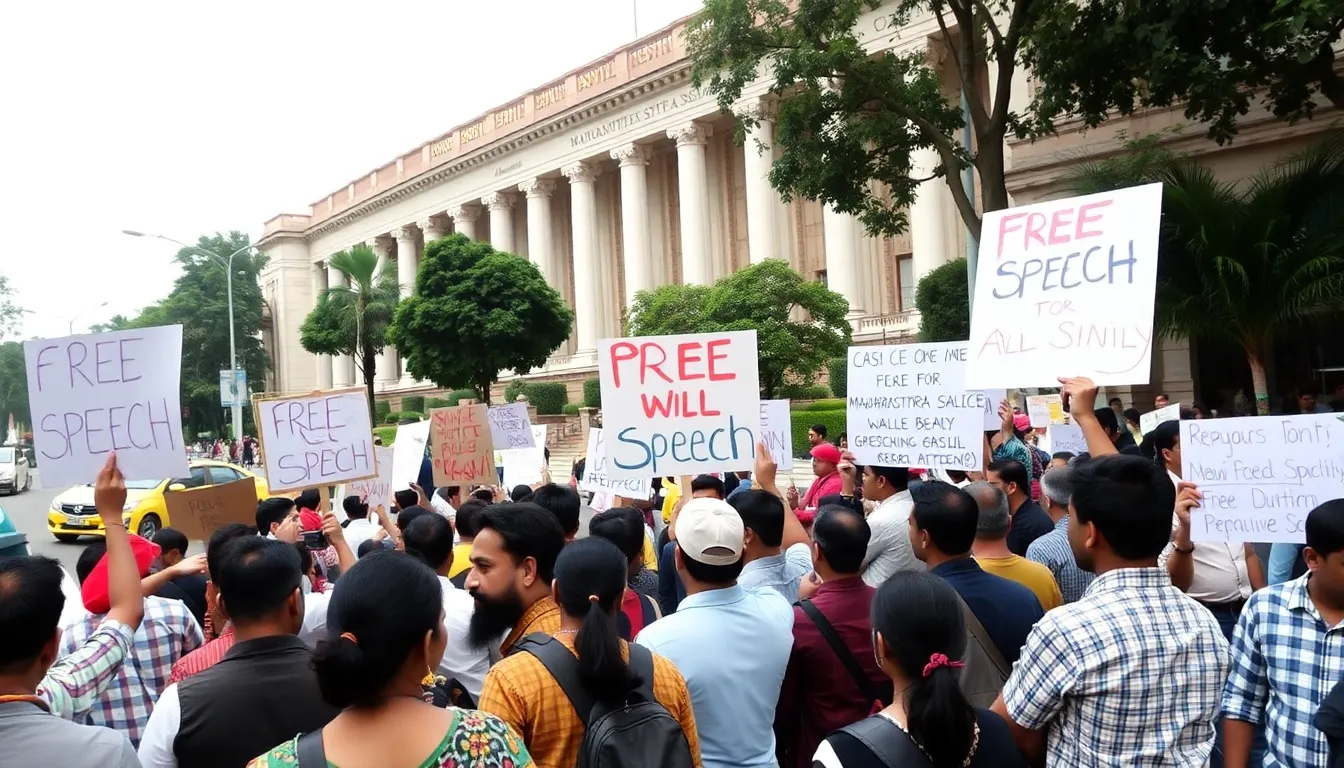
In the modern context, the rise of social media has exacerbated the challenge of regulating hate speech. Incidents of communal violence and social unrest have been linked to inflammatory statements made online, prompting calls for stronger legal frameworks. Various Indian states have attempted to address this issue through legislation, but the effectiveness and enforcement of such laws have been questioned, often leading to debates about censorship and the potential misuse of power.
Key Milestones in Hate Speech Legislation
One significant milestone in India’s approach to hate speech was the introduction of the Indian Penal Code (IPC) in 1860, which included provisions against promoting enmity between different groups. However, it wasn’t until the 2008 amendment to the IPC that the government explicitly recognized hate speech as a distinct offense. Despite this, the lack of a cohesive national policy has led to varying interpretations and applications of the law across states.
Recent political developments have further intensified discussions around hate speech. In 2020, the Delhi riots highlighted the potential consequences of unchecked hate speech, prompting the government to reconsider its stance. The current push for a new law in one Indian state aims to create a more robust framework to combat hate speech, reflecting both societal demands for accountability and the complexities of navigating constitutional rights.
As the debate continues, the question remains whether legislative measures can effectively curb hate speech without infringing on free expression. The challenge lies not only in crafting a law that addresses the issue but also in ensuring its fair and consistent implementation across a diverse and pluralistic society.
Key stakeholders and issues surrounding the proposed law
The proposed law to tackle hate speech in the Indian state has drawn the attention of various stakeholders, each with distinct interests and concerns. These stakeholders include government officials, civil rights organizations, media outlets, and the general public, all of whom play a crucial role in the discourse surrounding hate speech and its regulation.
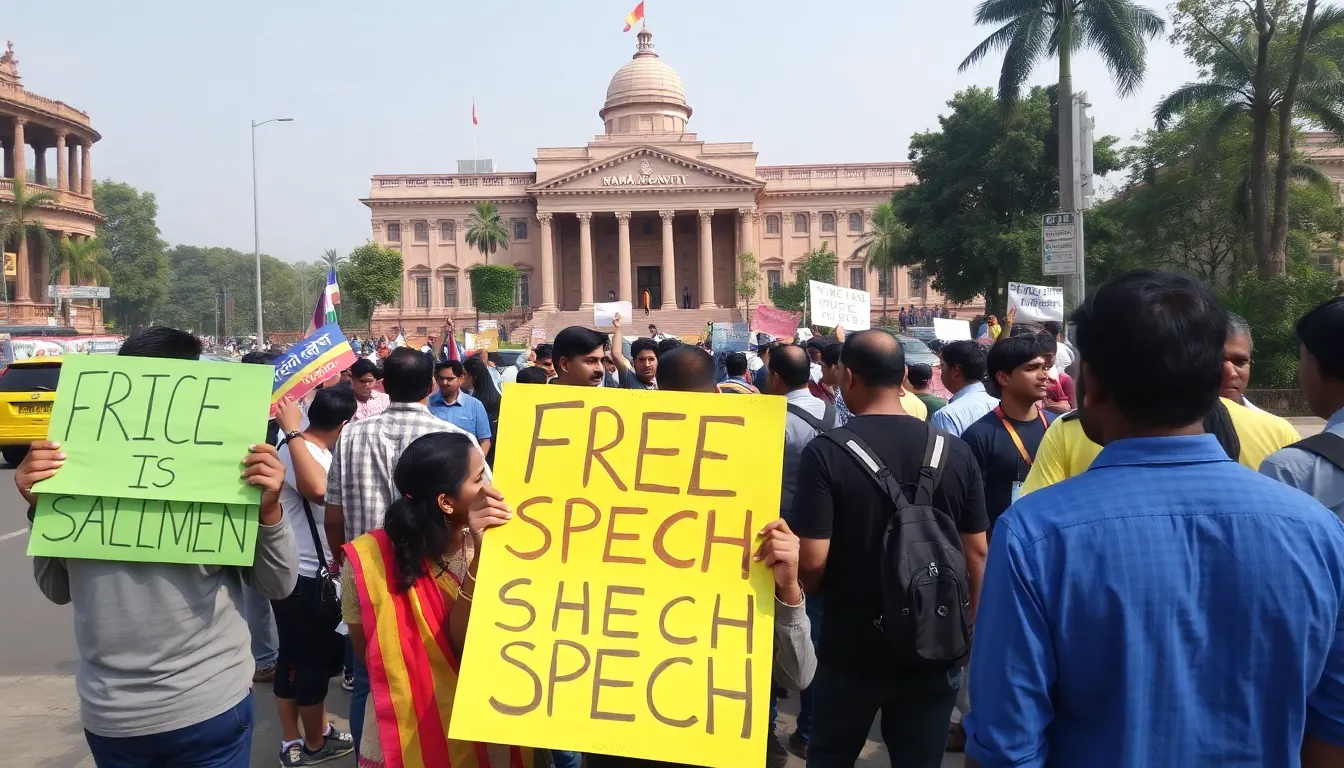
Government officials, particularly those advocating for the law, argue that it is necessary to maintain social harmony and protect vulnerable communities from hate-driven violence. They assert that existing laws are insufficient to address the growing incidents of hate speech, especially in the context of rising communal tensions. However, the implementation of such a law raises questions about the balance between free speech and the need for regulation, reflecting the broader concerns we see in sectors like technology, discussed in Elon Musk’s SpaceX valuation.
On the other hand, civil rights organizations express concern that the law could be misused to stifle dissent and curtail freedom of expression. They warn that vague definitions of hate speech may lead to arbitrary enforcement, disproportionately targeting marginalized voices. This potential for misuse highlights a significant conflict between the intention of protecting individuals and the risk of infringing on civil liberties.
Media outlets also find themselves in a complex position. While they may support efforts to curb hate speech, they are wary of how the law could affect journalistic freedom. The fear is that stringent regulations might lead to self-censorship among journalists and content creators, ultimately impacting the diversity of viewpoints presented to the public.
- Government’s interest: Ensuring social harmony and protecting communities.
- Civil rights concerns: Potential misuse of the law to suppress free speech.
- Media implications: Risk of self-censorship and limited journalistic freedom.
- Public reaction: Mixed feelings about the balance between safety and free expression.
- Legal challenges: Possible conflicts with constitutional rights and existing laws.
Who will be affected by the new hate speech legislation?
The proposed hate speech legislation in India is set to impact a wide range of groups, including marginalized communities, social media platforms, and political entities. Marginalized communities, often the targets of hate speech, may find some relief under this law, potentially fostering a safer environment for dialogue and expression.
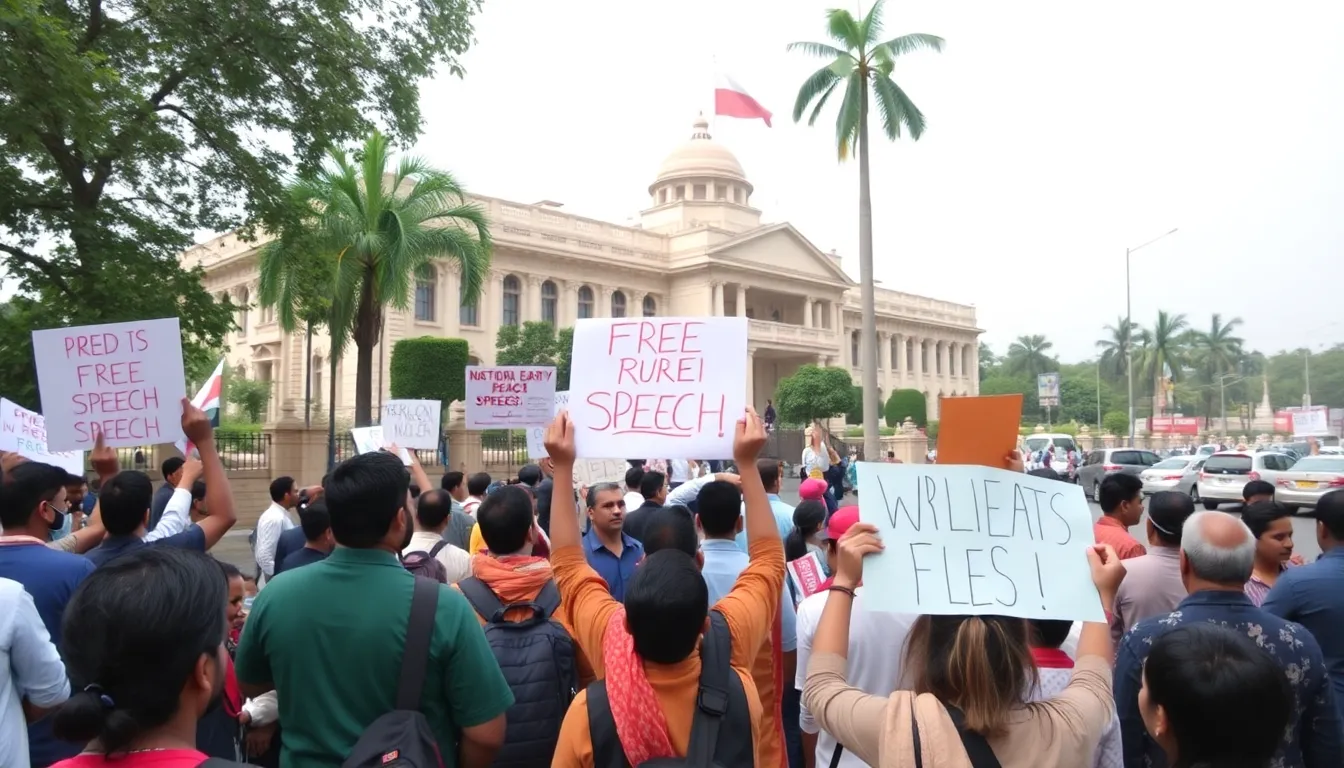
In the short term, businesses, particularly those in the digital space, may experience operational shifts as they adapt to new compliance requirements. Social media companies will need to implement stricter content moderation policies, which could lead to increased operational costs. Meanwhile, local businesses might see a change in customer behavior as consumers become more aware of the implications of hate speech and may choose to support brands that advocate for inclusivity.
In the mid-term, the legislation could reshape public discourse, leading to a more respectful exchange of ideas. However, there are risks associated with this change. For instance, the law could be misused to silence dissenting voices or critique against the government, potentially stifling free speech.
- Short-term impacts: Increased compliance costs for businesses, especially in tech.
- Mid-term impacts: Potential shift in public discourse towards more respectful communication.
- Risks: Possible misuse of the law to suppress dissent.
- Opportunities: Enhanced safety for marginalized communities and promotion of inclusive practices.
Regions with higher incidences of hate speech may see more immediate effects, as local governments and law enforcement agencies may become more proactive in addressing these issues. The effectiveness of the legislation will largely depend on its implementation and the willingness of society to engage in constructive dialogue.
A: The primary goal of the proposed law is to reduce instances of hate speech that incite violence and discrimination, promoting a more harmonious society. A: Enforcement mechanisms are expected to involve local law enforcement agencies, with specific guidelines on identifying and prosecuting hate speech cases. A: Challenges may include defining hate speech clearly, ensuring fair enforcement without infringing on free speech, and addressing public resistance. A: Public reactions have been mixed, with some supporting the need for regulation while others express concerns about possible misuse of the law. A: Yes, many countries have enacted laws to combat hate speech, each with varying definitions and enforcement practices.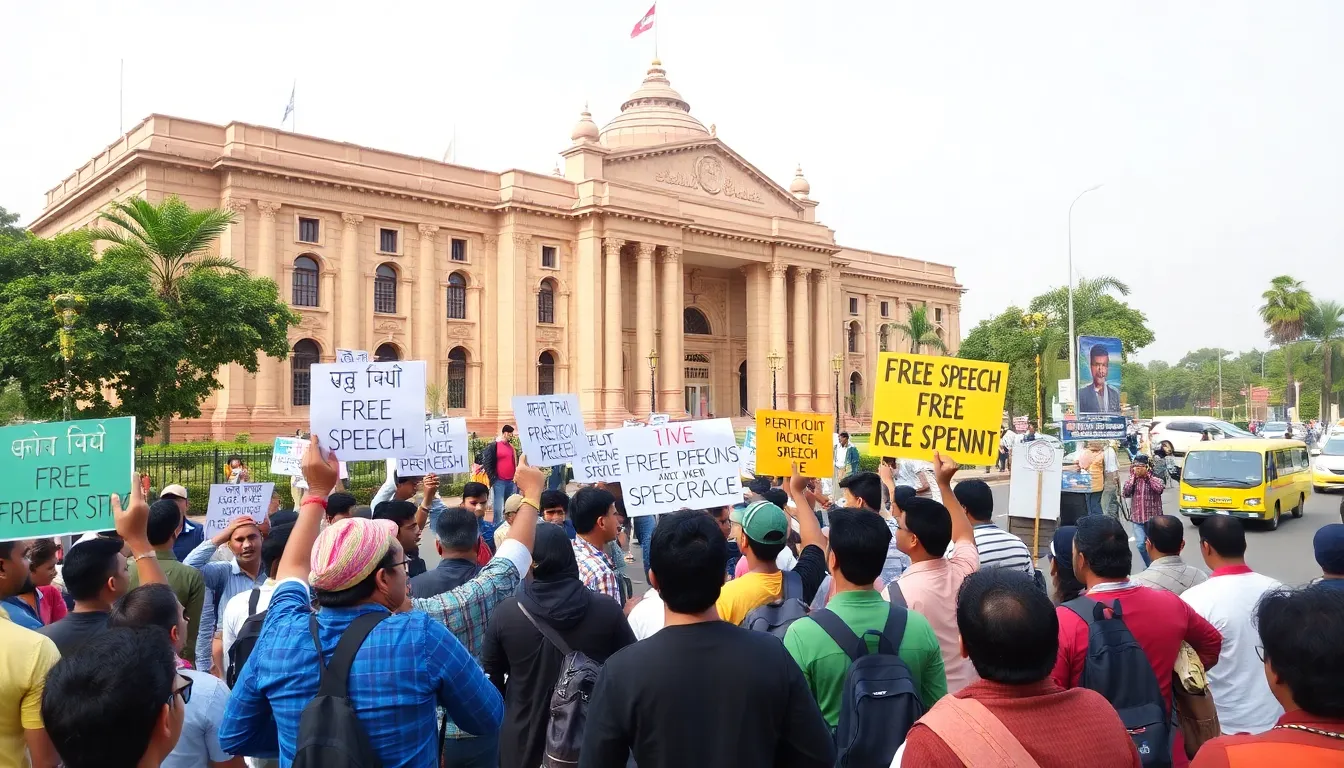
Frequently asked questions about the hate speech law
Insights and future outlook on hate speech legislation
The proposed law in the Indian state to combat hate speech represents a significant shift in the approach to managing societal discourse. As the state seeks to balance free expression with the imperative to maintain social harmony, the effectiveness of such legislation will largely depend on its implementation and the public’s reception. Observing how this law interacts with existing legal frameworks and cultural norms will be crucial in assessing its impact.
Furthermore, the law’s success may hinge on the collaboration between government authorities, civil society, and the media to foster a more informed and respectful public dialogue. The potential for misuse of the law for political ends or to suppress dissent will also be a critical factor to monitor.
- The law’s effectiveness will rely on clear definitions of hate speech to avoid ambiguity in enforcement.
- Public awareness campaigns will be essential to educate citizens about the law and its intended purpose.
- Monitoring the law’s impact on social media platforms will provide insights into its broader implications for digital communication.
- Ongoing dialogue among stakeholders will be vital to address concerns about freedom of expression and potential misuse of the law.
- International comparisons may offer valuable lessons on best practices in hate speech legislation and its enforcement.