
During the Christmas season, the prevalence of triggering sounds increases dramatically, as families engage in communal activities that involve eating, opening presents, and celebrating together. This heightened exposure can lead to feelings of isolation and frustration for individuals affected by the condition.
In an effort to create a more inclusive environment, some families are beginning to recognize the challenges faced by misophonia sufferers. Initiatives such as sound-sensitive seating arrangements and the use of noise-canceling headphones are being implemented in holiday gatherings. Nonetheless, awareness and understanding of misophonia remain limited, leaving many individuals to navigate the holiday season with little support.
Moreover, the psychological impact of misophonia during the holidays can lead to increased stress and anxiety levels. Those affected may feel the need to withdraw from social situations altogether, which can further deepen feelings of loneliness during a time traditionally associated with connection and joy. As conversations around mental health continue to evolve, addressing the unique needs of misophonia sufferers during festive periods is becoming increasingly important.
What Misophonia Is and Its Impact on Daily Life
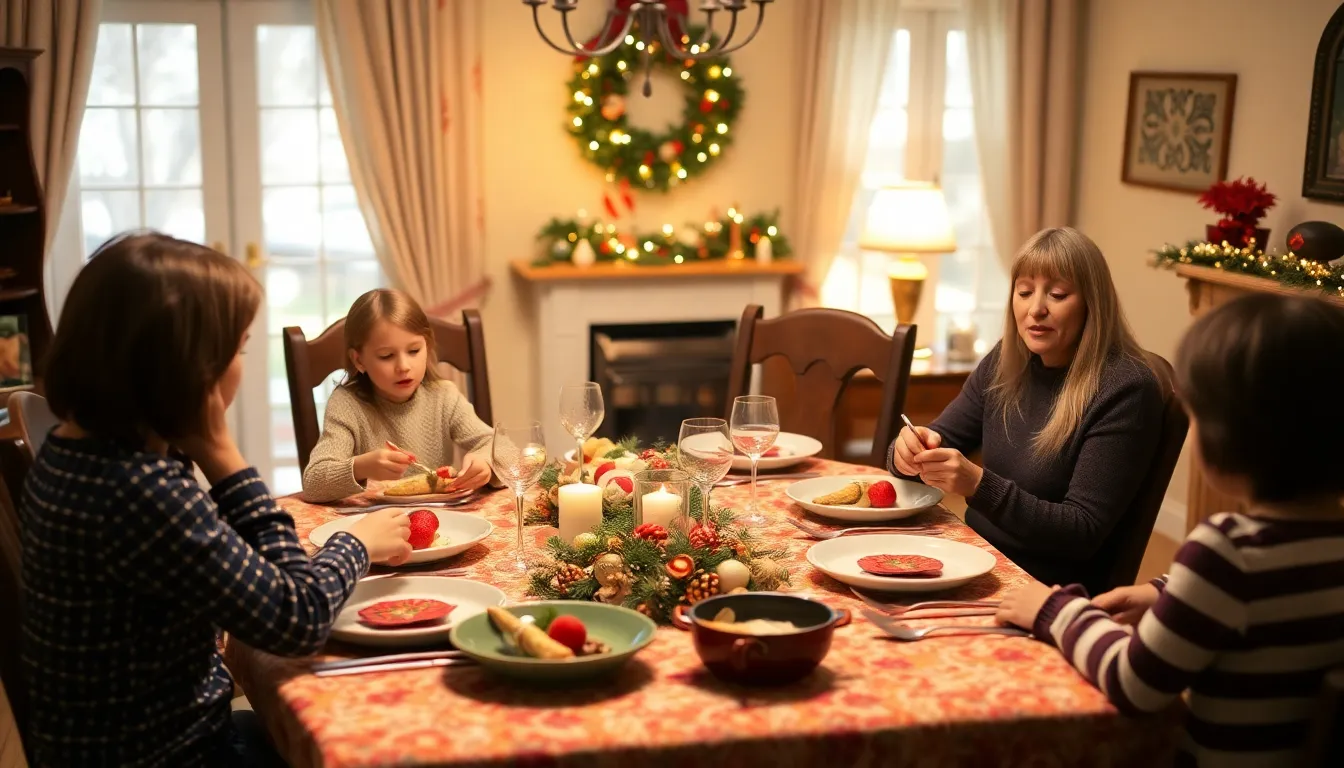
Misophonia, a term derived from the Greek words for “hatred” and “sound,” refers to a strong emotional reaction to specific sounds, often resulting in feelings of anger, anxiety, or disgust. This condition can significantly disrupt daily life, especially in social settings where common noises, such as chewing, tapping, or breathing, become unbearable triggers. For many individuals, the holiday season amplifies these challenges as family gatherings and festive celebrations often involve a cacophony of sounds that can lead to heightened stress and isolation.
The historical understanding of misophonia is relatively recent, with the term first coined in 2001 by audiologist Dr. Pawel Jastreboff and his wife, Margaret. Prior to this, individuals suffering from misophonia often felt misunderstood and stigmatized, as their reactions to sounds were frequently dismissed as mere quirks or personality flaws. This lack of recognition has contributed to a broader social misunderstanding of the condition, leaving many sufferers to navigate their experiences in silence.
Economically, the implications of misophonia can be significant. Individuals may find it challenging to maintain employment in environments where noise is prevalent, leading to potential job loss or the need for accommodations that are not always available. As awareness of mental health conditions grows, there is a push for workplaces to become more inclusive, yet many still lack the necessary resources to support those with misophonia, particularly during high-stress times like the holidays.
The Social Context of Misophonia During the Holidays
As society becomes more aware of mental health issues, there is hope for greater empathy and support for individuals navigating misophonia amidst the holiday hustle and bustle.
Key Issues Surrounding Misophonia and Holiday Gatherings
The holiday season often brings joy and celebration; however, for individuals suffering from misophonia, it can be a challenging time. Misophonia is characterized by strong emotional reactions to specific sounds, which can be particularly prevalent in crowded and festive environments. Understanding the stakeholders involved and the key issues they face is essential for fostering a more inclusive atmosphere during these gatherings.
Additionally, organizations focused on mental health and sound sensitivity can play a crucial role in raising awareness about misophonia and providing resources for those affected, helping families to advocate for understanding and accommodations during gatherings.
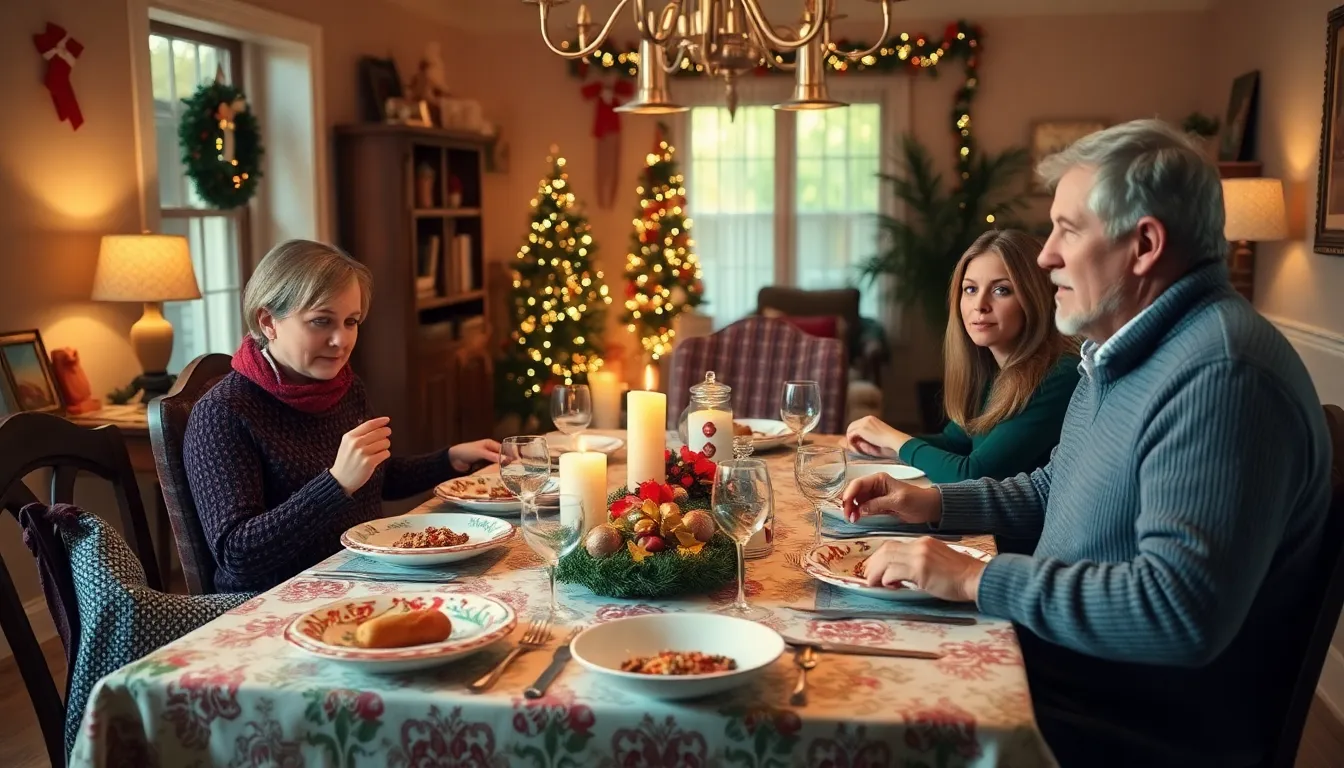
Another key actor is the general public, which includes family members and friends of misophonia sufferers. Their interests may conflict with those of the affected individuals, as they may not fully understand the condition or its impact. This lack of awareness can lead to unintentional behaviors, such as making loud noises or playing music, that exacerbate the suffering of those with misophonia.
- Awareness and Education: There is a pressing need for increased awareness about misophonia within communities to foster empathy and understanding.
- Accommodations: Holiday hosts may need to consider creating quieter spaces or establishing sound guidelines during gatherings.
- Legal Considerations: While misophonia is not classified as a disability, discussions around the rights of individuals seeking accommodations in public or private spaces may emerge.
- Economic Factors: The financial implications of therapy or coping mechanisms for misophonia sufferers can be significant, especially during a season that often emphasizes spending.
As these dynamics unfold during the holiday season, it becomes crucial to navigate the complexities of misophonia, ensuring that all voices are heard and respected. By addressing these key issues, stakeholders can work together to create a more accommodating and enjoyable holiday experience for everyone involved.
How Christmas Celebrations Affect Misophonia Sufferers
Christmas is a time of joy and celebration, but for individuals with misophonia, it can be a challenging period. Misophonia, characterized by strong emotional reactions to specific sounds, can make the festive season particularly distressing. Various groups are affected, including those with misophonia, their families, and even businesses that cater to holiday gatherings.
In the short term, misophonia sufferers may experience heightened anxiety and stress during Christmas gatherings. The sounds of laughter, clinking glasses, or even the rustle of wrapping paper can trigger intense discomfort. This can lead to social withdrawal, affecting personal relationships and family dynamics. Additionally, restaurants and event venues may struggle to accommodate guests with sound sensitivities, impacting their customer satisfaction and repeat business.
In the mid-term, the impact extends to the hospitality and entertainment industries, which often see increased foot traffic during the holiday season. Businesses that fail to recognize the needs of misophonia sufferers may lose clientele. On the other hand, there is an opportunity for these industries to innovate by creating quieter environments or offering sound-proofing solutions, which could attract a broader customer base.
- Increased awareness: As more people discuss misophonia, there is potential for greater understanding and support within communities.
- Business opportunities: Companies can develop products or services tailored to create quieter, more accommodating environments.
- Policy changes: There may be a push for policies that promote inclusivity in public spaces during the holiday season.
Ultimately, while the holiday season poses challenges for those with misophonia, it also opens doors for dialogue and innovation, fostering a more inclusive atmosphere for all during Christmas celebrations.
A: Misophonia is a condition where certain sounds trigger strong emotional reactions, like anger or anxiety. Common triggers include chewing, tapping, or breathing sounds. A: Christmas often involves large gatherings and festive meals, which can increase exposure to triggering sounds. The heightened noise levels can lead to increased stress and discomfort. A: Yes, some strategies include using noise-canceling headphones, creating a quiet space to retreat to, and communicating with family about triggers. A: Family members can help by being mindful of noise levels, avoiding known triggers, and offering understanding and patience throughout the celebrations. A: While misophonia is gaining recognition, it is not yet officially classified in many diagnostic manuals. However, many individuals report significant distress due to the condition.
Frequently Asked Questions About Misophonia During Christmas
Looking Ahead: Coping Strategies for the Holiday Season
As the holiday season approaches, individuals with misophonia may find themselves facing unique challenges amid the festive atmosphere. Understanding the triggers and preparing for potential stressors can significantly enhance the experience for those affected. By implementing practical strategies, sufferers can navigate social gatherings while minimizing discomfort and anxiety.
It’s essential to communicate openly with family and friends about misophonia, fostering an environment of understanding and support. Additionally, creating personal coping mechanisms, such as identifying quiet spaces or using noise-canceling headphones, can provide relief during overwhelming moments. Being proactive in planning can lead to a more enjoyable holiday experience.
- Communicate openly with loved ones about your triggers to foster understanding.
- Identify quiet spaces at gatherings where you can retreat if needed.
- Use noise-canceling headphones or earplugs to help manage auditory triggers.
- Practice mindfulness techniques to reduce anxiety and improve focus during stressful situations.
- Plan ahead for potential trigger scenarios to minimize surprises and discomfort.