
The fines, which were imposed in late September 2023, highlight a growing concern regarding the responsibilities of technology companies in cooperating with public safety efforts. For more details on how tech firms interact with law enforcement, visit this article.
Authorities have emphasized the importance of collaboration between tech firms and law enforcement agencies, especially as the number of electric vehicles on the road continues to rise. The situation raises questions about accountability and the obligations of manufacturers in ensuring that their vehicles are used safely and responsibly.
As Tesla navigates this legal landscape, the implications of their non-compliance could extend beyond financial penalties. The company’s reputation and relationship with regulatory bodies may be at stake, prompting a reevaluation of their policies regarding data sharing and cooperation with law enforcement.
Understanding the relationship between Tesla and UK law enforcement
The relationship between Tesla and UK law enforcement has been increasingly scrutinized as the popularity of electric vehicles rises. As more Tesla cars populate UK roads, the need for cooperation between the company and law enforcement agencies has become critical, especially concerning driving offences. However, recent incidents have highlighted a troubling pattern of Tesla’s non-compliance with requests for data that could assist in investigations, leading to significant fines and public outcry.
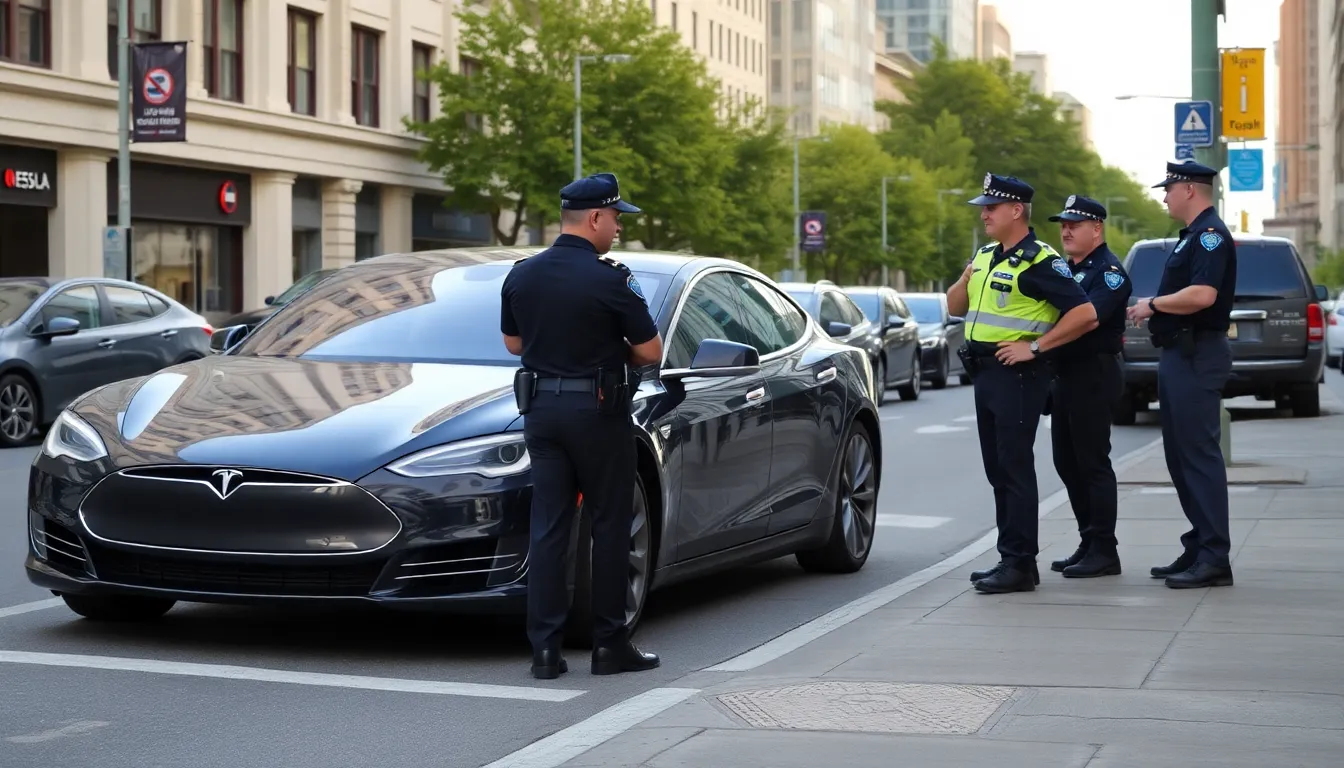
Historically, car manufacturers have collaborated with law enforcement to provide essential data, such as vehicle location and speed, in cases of traffic violations or criminal activity. This cooperation is vital for ensuring public safety and upholding the rule of law. However, Tesla’s unique business model, which relies heavily on software and data collection, complicates this relationship. The company has often cited privacy concerns and data protection regulations as reasons for withholding information from authorities.
The legal landscape and its implications
The legal framework surrounding data access in the UK has evolved significantly over the past few years, particularly with the implementation of the General Data Protection Regulation (GDPR). To understand more about the implications of such regulations, see similar cases discussed in this post.
Key milestones in this ongoing saga include several high-profile cases where Tesla vehicles were involved in serious incidents, yet the company failed to provide the necessary data to assist investigations. These events have not only led to fines but have also sparked debates in Parliament about the responsibilities of tech companies in cooperating with law enforcement. As the situation develops, it remains to be seen how Tesla will navigate these complex legal and ethical waters, and whether further regulatory measures will be introduced to ensure compliance.
Key stakeholders and implications of Tesla’s actions
The recent fine imposed on Tesla by UK authorities highlights a complex interplay of stakeholders involved in the enforcement of driving regulations and the responsibilities of automotive manufacturers. The primary actors in this scenario include Tesla, law enforcement agencies, and the UK government, each with distinct interests and potential conflicts.
Tesla, as a leading electric vehicle manufacturer, aims to maintain its reputation for innovation and customer satisfaction while navigating regulatory landscapes. However, the company’s repeated failures to assist UK police in driving offences raise questions about its commitment to public safety and cooperation with law enforcement. This situation may lead to reputational damage, affecting customer trust and sales.

On the other hand, UK police forces are tasked with ensuring road safety and enforcing laws. Their interest lies in obtaining necessary data from manufacturers like Tesla to effectively investigate driving offences. The lack of cooperation from Tesla not only hampers their ability to perform their duties but also poses a challenge to maintaining public safety on the roads.
- Legal implications: Tesla’s non-compliance may lead to further legal scrutiny and potential changes in regulations governing data sharing between manufacturers and law enforcement.
- Economic consequences: The financial penalties imposed on Tesla could impact its operational budget and influence future investments in the UK market.
- Public perception: Ongoing issues with law enforcement may affect Tesla’s brand image, particularly among consumers who prioritize corporate responsibility and safety.
- Regulatory landscape: This incident may prompt the UK government to reevaluate its policies regarding automotive data access, potentially leading to stricter regulations for manufacturers.
Ultimately, the tensions between Tesla and UK authorities underscore the broader challenges of integrating advanced automotive technologies with existing legal frameworks. As the automotive industry continues to evolve, the need for clear communication and cooperation among all stakeholders will be essential to ensure safety and compliance on the roads.
Consequences for Tesla and the broader automotive industry
The recent fine imposed on Tesla for its failure to assist UK police in addressing driving offences has significant implications for various stakeholders. This incident raises questions about the responsibilities of car manufacturers in ensuring compliance with local laws and enhancing road safety, a concern also reflected in the situation with ScottishPower.
In the short term, Tesla’s reputation may suffer, leading to a potential decrease in consumer trust and sales in the UK market. Additionally, other automotive companies may feel pressure to reassess their policies regarding cooperation with law enforcement to avoid similar penalties. This could lead to a ripple effect across the automotive industry, prompting companies to invest more in compliance and communication strategies.
Mid-term impacts may include changes in policy and regulatory frameworks, as governments could seek to impose stricter requirements on automotive manufacturers regarding data sharing and cooperation with authorities. This could reshape the landscape of the automotive industry, with companies needing to adapt to new compliance standards, which may increase operational costs.
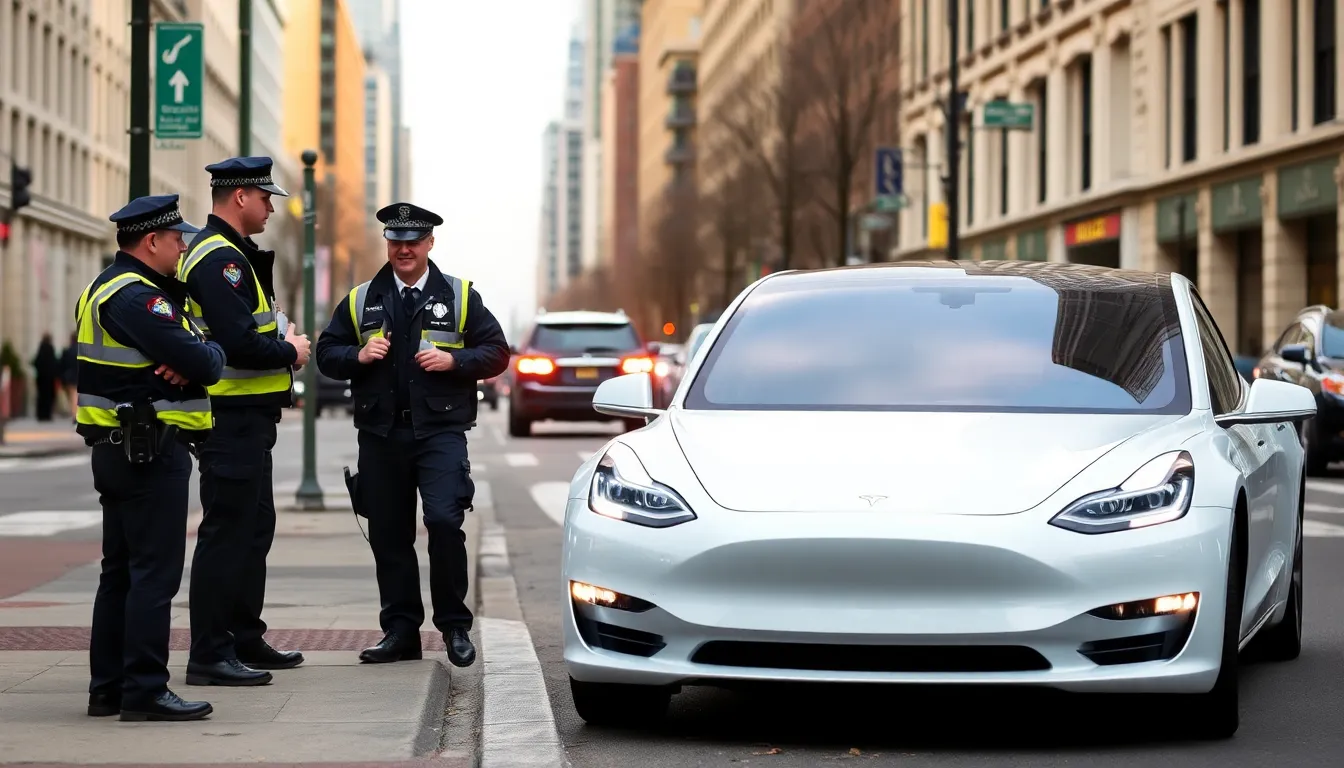
- Law Enforcement: Increased scrutiny on cooperation with automotive companies.
- Automotive Industry: Potential shifts in compliance requirements and operational costs.
- Consumers: Possible decline in trust towards Tesla and other manufacturers.
- Policy Makers: Opportunity to establish clearer regulations regarding manufacturer responsibilities.
Despite these challenges, there are potential opportunities for Tesla and the automotive sector. Companies that proactively enhance their collaboration with authorities may gain a competitive edge, positioning themselves as responsible entities committed to public safety. Furthermore, this incident could catalyze innovation in technology solutions that facilitate better communication between automotive manufacturers and law enforcement agencies.
A: Tesla was fined for failing to respond to multiple requests from UK police for information related to driving offences. This lack of cooperation raised concerns about the company’s accountability. A: The specific amount of the fine has not been publicly disclosed, but it reflects the seriousness of the violations and the need for compliance with law enforcement. A: The fines and negative publicity could harm Tesla’s reputation, potentially affecting customer trust and its relationship with regulatory bodies. A: This incident may lead to increased scrutiny of Tesla’s operations in the UK and could necessitate changes in how the company interacts with local authorities. A: Tesla can enhance its communication protocols with law enforcement and establish a dedicated team to handle such requests promptly and effectively.
Frequently asked questions about Tesla’s fines
Future implications for Tesla and law enforcement collaboration
The recent fine imposed on Tesla for its failure to assist UK police with driving offences raises significant questions about the responsibilities of technology companies in law enforcement. As electric vehicles become more prevalent, the relationship between automotive manufacturers and police departments will need to evolve. This incident highlights the potential legal and reputational risks that companies like Tesla may face if they do not prioritize cooperation with law enforcement agencies.
Looking ahead, it will be crucial for Tesla and similar companies to establish clear protocols for data sharing and collaboration with authorities. This situation serves as a reminder that while innovation in vehicle technology is essential, it must be balanced with accountability and support for public safety initiatives.
- Increased scrutiny of tech companies’ responsibilities in law enforcement cooperation.
- Potential for new regulations mandating data sharing between automakers and police.
- Impact on public perception of Tesla and similar companies regarding safety and accountability.
- Opportunities for improved communication strategies between technology firms and law enforcement.
- Need for proactive measures to avoid future legal ramifications and fines.