
The phenomenon, characterized by symptoms such as headaches, dizziness, and cognitive difficulties, has led to widespread speculation about its origins, including theories involving sonic attacks or other forms of directed energy. Beck’s experiences and subsequent health struggles have drawn attention to the lack of clarity and understanding surrounding this issue, prompting calls for further investigation, similar to the inquiries highlighted in related discussions on national security.
Since the first cases were reported in Cuba, the U.S. government has faced criticism for its handling of the situation, with many victims feeling inadequately supported. Beck’s passing serves as a reminder of the human impact of Havana Syndrome, as well as the urgent need for comprehensive research and accountability from federal agencies.
As investigations continue, Beck’s legacy may inspire renewed efforts to uncover the truth behind Havana Syndrome. His case highlights the ongoing challenges faced by those affected and underscores the importance of addressing their concerns in a timely and effective manner.
Understanding the origins and implications of Havana Syndrome
The term “Havana Syndrome” refers to a series of unexplained health incidents that first came to light in late 2016, when U.S. and Canadian diplomats in Havana, Cuba, reported experiencing a range of troubling symptoms, including headaches, dizziness, and cognitive difficulties. As these reports began to accumulate, the phenomenon sparked widespread concern and speculation regarding potential causes, ranging from sonic attacks to exposure to pesticides. Michael Beck, who recently passed away at the age of 65, was one of the first individuals to report these symptoms, bringing significant attention to the issue.
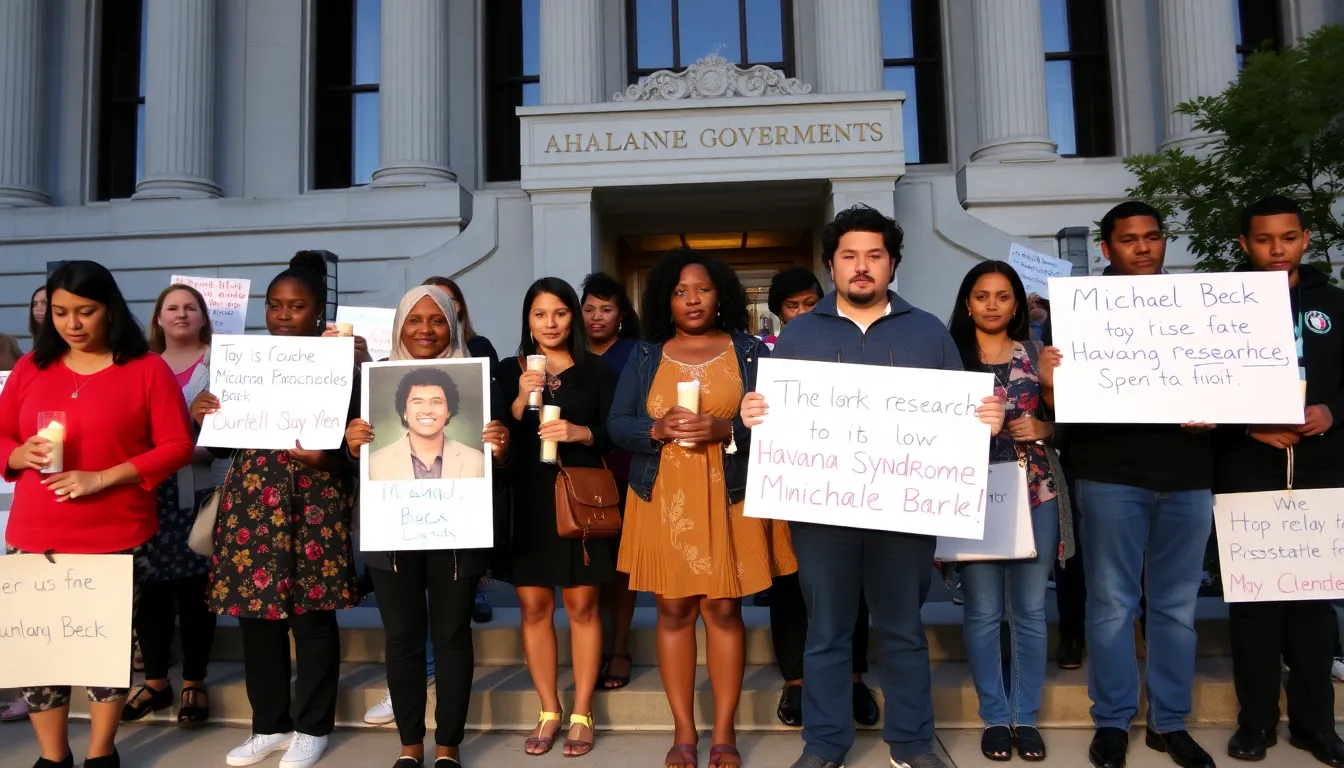
Following the initial reports in Havana, similar incidents were reported by U.S. diplomats and intelligence officers in various locations around the world, including China, Russia, and even Washington, D.C. The mysterious nature of these health incidents led to intense investigations by multiple U.S. government agencies, including the CIA and the State Department. The lack of definitive explanations has fueled conspiracy theories and heightened tensions between the U.S. and foreign governments, particularly in light of the geopolitical climate during the past decade.
The implications of Havana Syndrome extend beyond individual health concerns; they have raised critical questions about national security and the safety of diplomatic personnel. Many affected individuals have struggled with long-term health issues, leading to calls for better support and treatment from the government. Additionally, the syndrome has prompted discussions on the need for enhanced protective measures for diplomats and intelligence officers stationed in potentially hostile environments.
The Ongoing Investigation and Response
As investigations into the origins of Havana Syndrome continue, the U.S. government has faced criticism for its response to the incidents. Some former officials and affected individuals have expressed frustration over the perceived lack of urgency and transparency in addressing the health crises. This ongoing uncertainty has not only impacted the lives of those directly affected but has also influenced public perception of government accountability and the safety of international diplomatic missions.
Key stakeholders and the debate surrounding Havana Syndrome
The passing of Michael Beck, the first individual to report symptoms of what has come to be known as ‘Havana Syndrome,’ has reignited discussions about the phenomenon and its implications. Various stakeholders, including government agencies, healthcare professionals, and advocacy groups, have vested interests in understanding and addressing the syndrome.
Key actors in this debate include the U.S. government, particularly the State Department and intelligence agencies, which have been tasked with investigating the origins and effects of Havana Syndrome. Their primary interest lies in ensuring the safety of diplomats and intelligence personnel stationed abroad, as well as maintaining national security. The scientific community is also heavily involved, as researchers seek to understand the medical and psychological aspects of the reported symptoms.
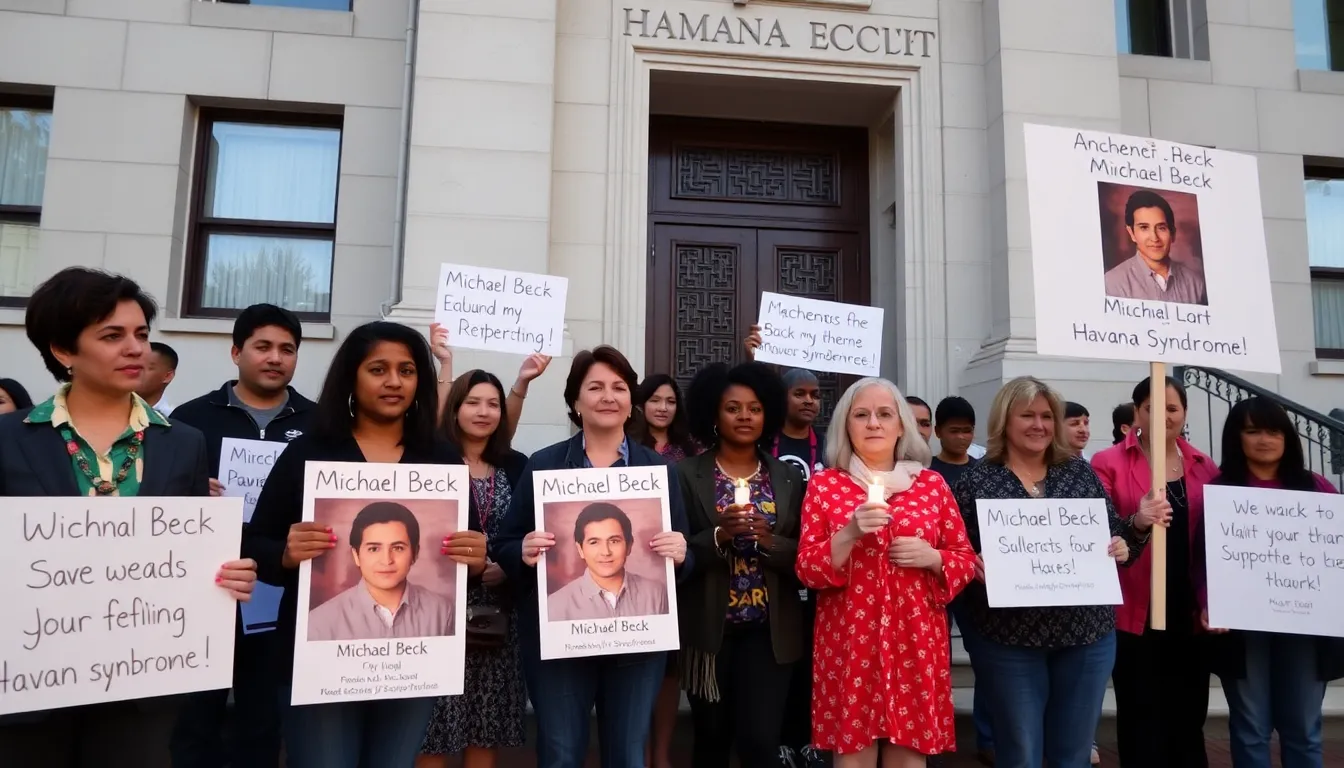
Additionally, advocacy groups representing affected individuals and their families aim to secure recognition and support for those suffering from the syndrome. These groups often highlight the need for comprehensive healthcare solutions and transparency from government entities regarding research findings and health policies.
- Conflicts of Interest: Government agencies may face challenges balancing national security with the need for transparency and accountability in addressing the health concerns of personnel.
- Legal Implications: The lack of a clear understanding of Havana Syndrome raises questions about liability and the responsibility of employers in providing safe working environments for their staff.
- Economic Considerations: The ongoing investigation and potential healthcare costs for affected individuals could lead to significant financial implications for government budgets and healthcare systems.
As discussions continue, the diverse interests of these stakeholders highlight the complexities surrounding Havana Syndrome, underscoring the need for a coordinated response that addresses both health and security concerns.
The impact of Beck’s death on awareness and research of Havana Syndrome
The passing of Michael Beck, the first individual to report symptoms of Havana Syndrome, has significant implications for various groups, including affected diplomats, healthcare professionals, and researchers. His death may reignite discussions around the condition, leading to increased scrutiny and funding for research into its causes and effects, similar to the advocacy for healthcare highlighted in discussions about support systems for affected individuals.
In the short term, Beck’s death is likely to heighten awareness of Havana Syndrome among the general public and policymakers. This heightened awareness can lead to a surge in support for those who have experienced similar symptoms, potentially prompting governments and organizations to take more proactive measures in addressing the health concerns of their employees abroad.
In the mid-term, the impact on healthcare and research industries could be substantial. Increased funding and attention may lead to breakthroughs in understanding the syndrome, benefiting not only those directly affected but also contributing to broader advancements in neurological and psychological health. However, there are risks associated with politicizing the syndrome, which could divert focus from genuine health concerns to speculative theories.
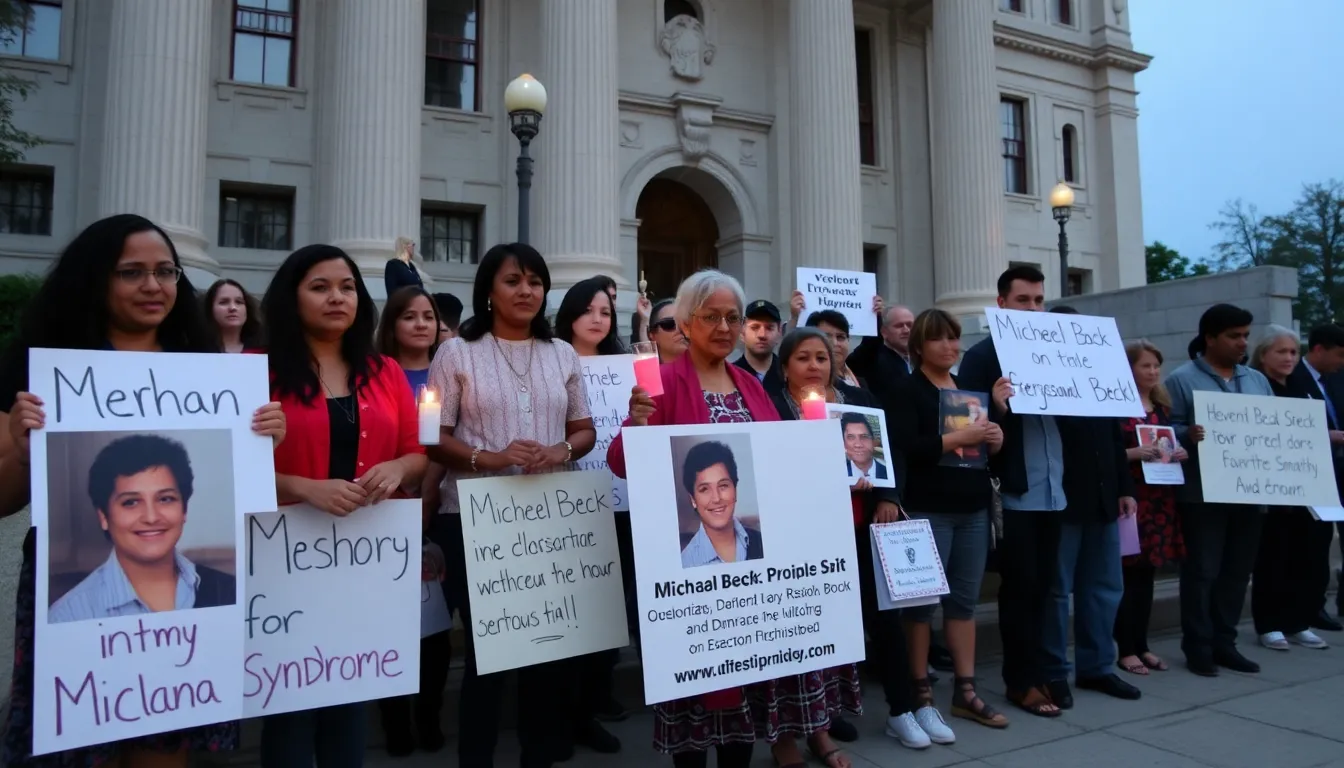
- Increased funding: More resources may be allocated to research and support services for affected individuals.
- Policy changes: Governments might implement new protocols for the safety and health of personnel in high-risk areas.
- Public awareness: Greater visibility of Havana Syndrome could lead to more reports and investigations into similar cases.
While there are risks of misinformation and stigma surrounding those who report symptoms, the potential for collaboration among international health organizations could create opportunities for shared research and findings. This collaborative approach may ultimately lead to improved health policies and support systems for all affected individuals.
A: Havana Syndrome refers to a set of unexplained medical symptoms reported by U.S. and Canadian diplomats in Cuba and other countries, including headaches, dizziness, and cognitive difficulties. A: Michael Beck was the first person to report symptoms of Havana Syndrome, bringing significant attention to the condition and its potential causes. A: The exact causes of Havana Syndrome remain unclear, with theories ranging from sonic attacks to psychological factors, but no definitive explanation has been established. A: Health authorities have conducted investigations and research into Havana Syndrome, but many questions remain unanswered, leading to ongoing debates in the medical community. A: Beck’s death may prompt renewed interest and urgency in researching Havana Syndrome, potentially leading to more funding and studies to understand the condition better.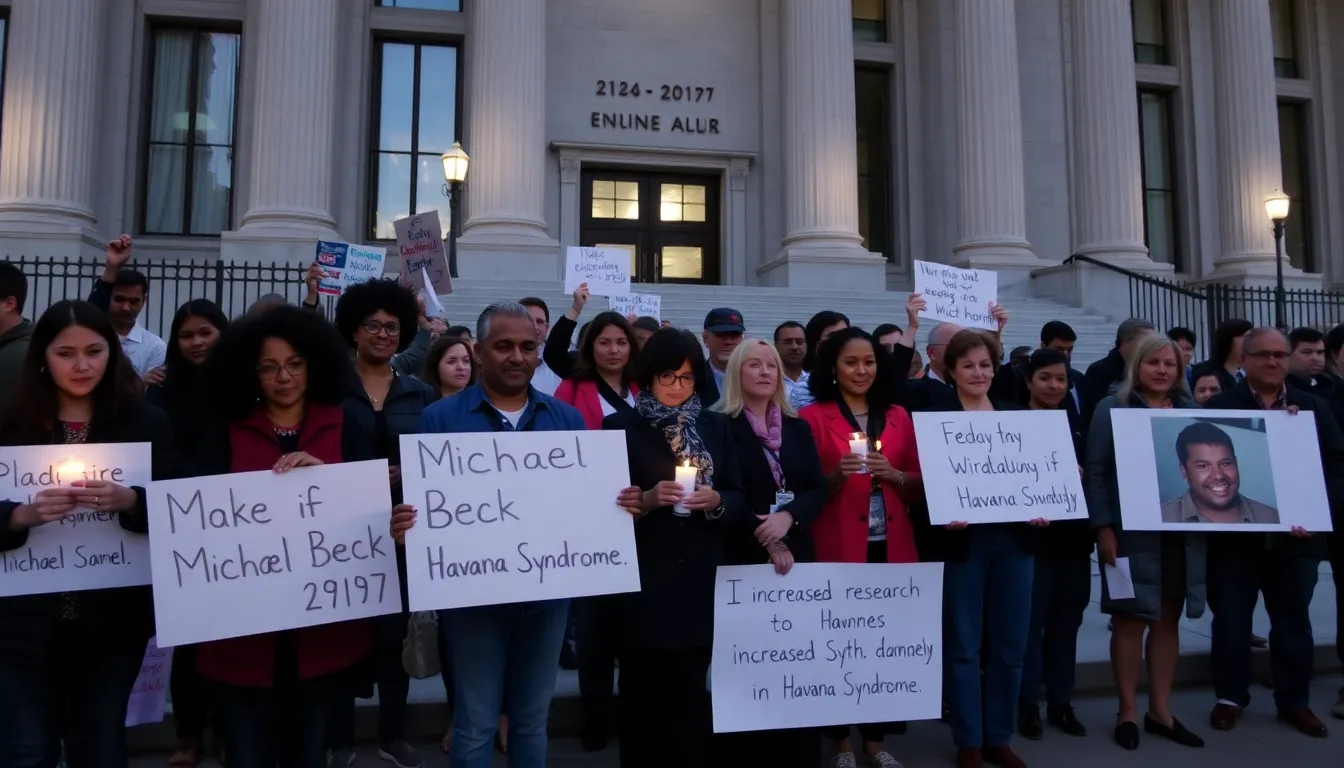
Frequently Asked Questions about Havana Syndrome and Michael Beck
Key takeaways and future outlook on Havana Syndrome research
The passing of Michael Beck marks a significant moment in the ongoing investigation into Havana Syndrome, a mysterious affliction that has affected numerous diplomats and intelligence officials. His experience sheds light on the urgent need for continued research and understanding of the symptoms associated with this condition, which remains largely unexplained. As awareness grows, so does the imperative for the scientific community to explore potential causes and remedies.
Moving forward, it will be crucial to monitor developments in both the medical field and governmental responses to this phenomenon. The implications of Beck’s case extend beyond individual health, potentially influencing diplomatic relations and national security policies as more cases are reported and studied.
- Increased Research Funding: Expect calls for more financial resources dedicated to understanding the causes and effects of Havana Syndrome.
- Diplomatic Protocol Adjustments: Governments may revise safety protocols for personnel stationed in high-risk areas in response to emerging data.
- Public Awareness Campaigns: There may be initiatives aimed at educating the public and officials about the symptoms and potential impacts of Havana Syndrome.
- Collaborative Studies: Anticipate partnerships between international health organizations and governments to investigate the syndrome comprehensively.
- Long-Term Health Monitoring: The establishment of health monitoring programs for affected individuals could become a priority to address ongoing health issues.