
Key figures, including Fed Chair Jerome Powell, have pointed to various indicators suggesting that inflation is not merely transitory. During a press conference on September 20, 2023, Powell noted that inflationary trends are being driven by factors such as supply chain disruptions and increased consumer demand, which have persisted longer than initially anticipated.
Moreover, some Federal Reserve members have expressed dissenting opinions regarding interest rate decisions, arguing that more aggressive measures may be necessary to rein in inflation, as discussed in this article. These dissenters believe that failing to act decisively could lead to a more entrenched inflation environment, complicating future economic recovery efforts.
The implications of these discussions are significant, as the Fed’s approach to managing inflation will directly impact the broader economy. Investors and market analysts are closely monitoring these developments, as any shifts in policy could influence interest rates, borrowing costs, and overall economic growth in the coming months, much like in the ongoing discourse about the Iran war.
Understanding the current economic landscape and its implications
The Federal Reserve’s recent discussions surrounding inflation concerns have reignited debates about monetary policy and its effectiveness in stabilizing the economy. Over the past few years, the U.S. economy has experienced significant fluctuations, driven by various external factors, including the COVID-19 pandemic, supply chain disruptions, and geopolitical tensions. These events have not only affected economic growth but have also led to a surge in inflation, prompting Fed officials to reassess their strategies and, in some cases, dissent from the majority view.
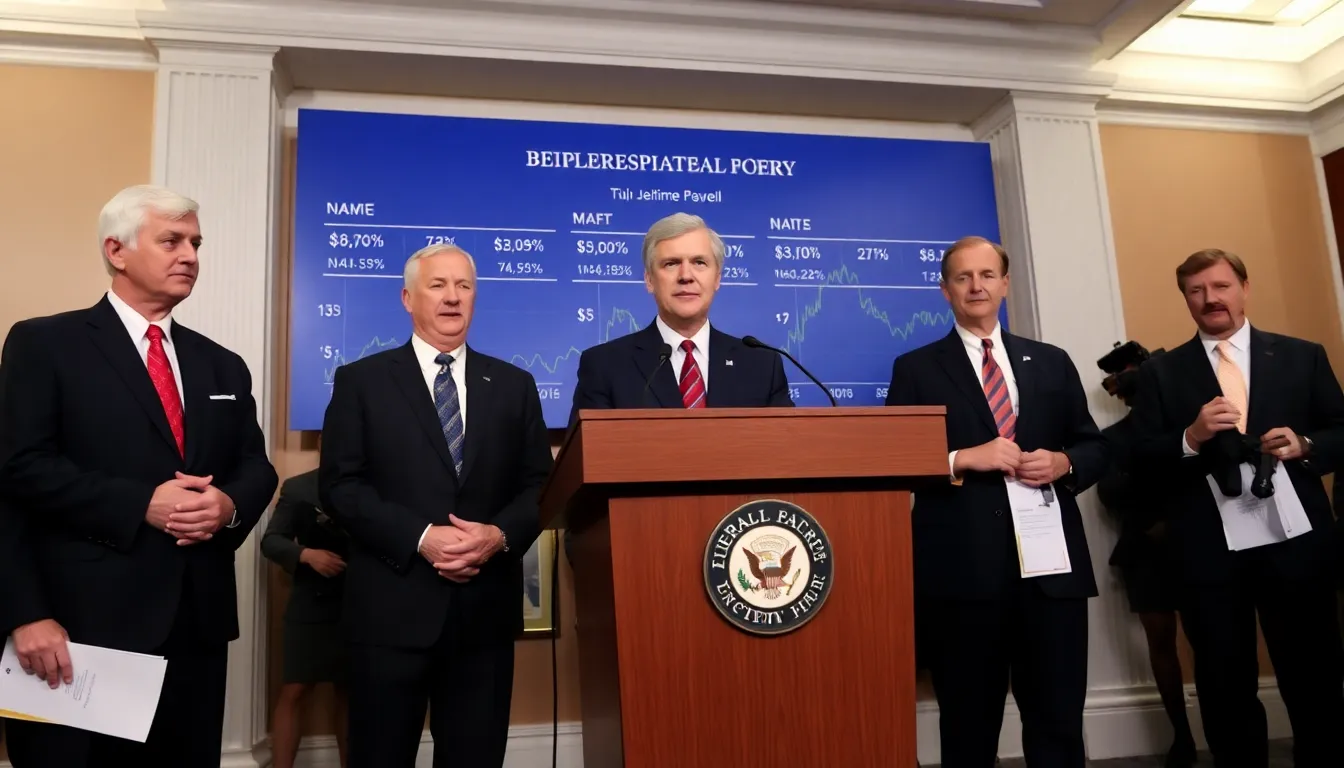
Historically, the Federal Reserve has played a critical role in managing inflation and promoting maximum employment. The dual mandate, established in the 1970s, has guided the Fed’s actions through various economic cycles. However, the current inflationary pressures, reaching levels not seen in decades, have raised questions about the adequacy of traditional monetary policy tools. Fed officials, who have long been focused on maintaining low inflation, are now grappling with the implications of their decisions, leading some to voice dissenting opinions in policy meetings.
Key milestones in this ongoing narrative include the aggressive rate hikes initiated in 2022, aimed at curbing inflation. These measures were a response to rising consumer prices, which surged due to a combination of increased demand and constrained supply. The Fed’s decision to raise interest rates marked a significant shift from the near-zero rates that had been in place for years, reflecting a broader recognition of the need to adapt to changing economic conditions.
The Role of Dissent in Monetary Policy
Dissent among Fed officials is not a new phenomenon; however, it has become more pronounced in the current environment. Historically, dissent has served as a vital mechanism for robust debate within the Federal Reserve, allowing for diverse perspectives on economic conditions and policy responses. The recent dissenting opinions highlight a divide among officials regarding the pace and extent of rate hikes, with some advocating for a more cautious approach to avoid potential economic fallout. This internal conflict underscores the complexities of navigating inflationary pressures while striving to maintain economic stability.
Examining the key stakeholders and their differing perspectives
In the ongoing debate surrounding inflation and monetary policy, several key stakeholders emerge, each with distinct interests and concerns. Among these are Federal Reserve officials, policymakers, economists, and the general public, all of whom play crucial roles in shaping the discourse on economic stability and growth.
Federal Reserve officials, including the Chair and regional bank presidents, are primarily focused on maintaining price stability while fostering maximum employment. Their recent dissents reflect a growing concern about inflationary pressures that could undermine economic recovery, similar to the challenges outlined in this article about China’s drone sales ban. These officials advocate for a cautious approach to interest rate adjustments, emphasizing the need to balance inflation control with support for ongoing economic growth.
On the other hand, policymakers, particularly those in Congress, may have differing views on the pace of interest rate hikes. Some may prioritize immediate economic relief for constituents, advocating for lower rates to stimulate spending and investment. This creates a potential conflict with Fed officials, who might argue that such measures could exacerbate inflation in the long run.
- Inflation Concerns: Fed officials highlight the risk of persistent inflation, which could erode purchasing power and destabilize the economy.
- Interest Rate Trade-offs: The decision to raise or lower interest rates involves trade-offs between curbing inflation and supporting economic growth.
- Public Sentiment: The general public’s perception of inflation impacts consumer behavior, influencing the effectiveness of monetary policy.
- Political Pressures: Policymakers face pressure to respond to constituents’ immediate economic needs, which may conflict with long-term inflation strategies.
Economists also play a vital role in this discourse, providing analysis and forecasts that influence both public opinion and policy decisions. Their assessments of inflation trends and economic indicators can sway the perspectives of both the Federal Reserve and lawmakers, highlighting the interconnectedness of economic analysis and policymaking.
Assessing the potential impact on markets and consumers
The recent statements from Federal Reserve officials regarding inflation concerns have significant implications for various groups, industries, and regions. Households, particularly those with lower incomes, are likely to feel the immediate effects as rising prices eat into their purchasing power. Similarly, industries reliant on consumer spending, such as retail and hospitality, may experience fluctuations in demand as consumers adjust their budgets in response to inflationary pressures.
In the short term, businesses may face increased operational costs due to higher prices for raw materials and labor. This can lead to tighter profit margins, especially for small and medium-sized enterprises that lack the pricing power of larger corporations. Additionally, consumers may alter their spending habits, prioritizing essential goods over discretionary items, which could affect sectors like luxury goods and travel.
In the mid-term, the Fed’s approach to managing inflation could lead to changes in monetary policy, potentially increasing interest rates to curb inflation. This shift could impact the housing market, making mortgages more expensive and slowing down home sales. Conversely, sectors such as financial services may benefit from higher interest rates as banks can charge more for loans.
- Households: Increased cost of living affecting purchasing power.
- Retail and Hospitality: Fluctuations in consumer spending impacting revenues.
- Small Businesses: Rising operational costs affecting profit margins.
- Housing Market: Potential slowdown due to increased mortgage rates.
- Financial Services: Opportunities for higher profits from loans.
While risks are prevalent, there are also potential opportunities for businesses to innovate and adapt. Companies that can effectively manage costs and pass on price increases without losing customers may strengthen their market position. Additionally, sectors focused on technology and efficiency may thrive as businesses seek ways to streamline operations in response to inflationary pressures.
A: The dissents primarily stem from differing views on how to address inflation and its impact on the economy. Some officials believe more aggressive measures are needed to combat rising prices. A: Inflation plays a crucial role in shaping monetary policy, as central banks aim to maintain price stability. High inflation may prompt the Fed to raise interest rates to cool the economy. A: The Fed’s decisions can influence borrowing costs, consumer spending, and overall economic growth. Rapid changes in interest rates may lead to market volatility. A: Dissents highlight the diversity of opinions within the Fed, showcasing the complexity of economic conditions and the challenges in formulating effective policy. A: Investors should monitor inflation trends, Fed communications, and economic indicators, as these factors will influence future monetary policy decisions.
Frequently asked questions about Fed dissents and inflation
Key takeaways and future outlook on inflation concerns
The recent discussions among Federal Reserve officials highlight a growing unease regarding inflation, which could influence future monetary policy decisions. As some members express dissent over the current strategies, it becomes clear that the path forward may not be uniform. The balancing act between fostering economic growth and controlling inflation will likely remain a central theme in upcoming meetings.
Investors and policymakers should remain vigilant as these inflation concerns could lead to adjustments in interest rates or other monetary tools. The potential for varied perspectives within the Fed suggests that market reactions may be more volatile as each meeting approaches, making it essential to stay informed about both economic indicators and Fed communications.
- Monitor inflation metrics: Keep an eye on key indicators such as the Consumer Price Index (CPI) and Producer Price Index (PPI) to gauge inflation trends.
- Watch for policy shifts: Be prepared for potential changes in interest rates as dissenting opinions may lead to more aggressive stances on inflation control.
- Assess market reactions: Observe how financial markets respond to Fed announcements, as volatility may increase with differing viewpoints among officials.
- Consider economic growth forecasts: Analyze how inflation concerns might impact GDP growth projections and overall economic stability.
- Stay informed on global trends: Global economic conditions can also influence inflation, so it’s important to consider international factors that may affect domestic policy.