
In 2022, the U.S. Department of Defense announced a $1.2 billion initiative aimed at integrating autonomous systems into military operations. This initiative includes a focus on humanoid robots, which are being designed to assist in logistics, reconnaissance, and even combat scenarios. Countries such as Russia, China, and Israel are also exploring similar technologies, indicating a global trend toward the militarization of robotics. For more insights on international initiatives, see Rubio advocates for U.S. participation in global vaccine initiative.
Recent demonstrations of humanoid robots, such as Boston Dynamics’ Atlas and the U.S. Army’s Project Convergence, showcase their potential capabilities in navigating complex environments and executing tasks with precision. These advancements raise important ethical and strategic questions about the role of robots in warfare, particularly concerning accountability and the rules of engagement.
The ongoing development of humanoid robots is not without controversy. Critics argue that deploying such technology on the battlefield could lead to unintended consequences, including escalation of conflicts and challenges in adhering to international humanitarian laws. As nations continue to invest in these technologies, the dialogue surrounding their implications becomes increasingly urgent.

Historical Development of Military Robotics
The concept of using machines for military purposes dates back to ancient times, with early examples including automated crossbows and catapults. However, the modern era of military robotics began in the late 20th century, driven by rapid advancements in technology and the increasing complexity of warfare. The introduction of drones in the 1990s marked a significant turning point, allowing for remote surveillance and targeted strikes without putting human pilots in danger.
In the early 2000s, the U.S. military began deploying unmanned aerial vehicles (UAVs), such as the Predator drone, which showcased the potential of robotics in combat scenarios. These UAVs were initially used for reconnaissance but quickly evolved to include armed capabilities. This shift not only changed the dynamics of warfare but also raised ethical questions about the use of autonomous systems in combat, similar to the discussions surrounding Understanding NASA’s Return to the Moon.
The Rise of Ground Robots
While aerial drones gained prominence, ground-based robots also started to make their mark. The introduction of robotic systems like the PackBot and Talon in the early 2000s provided military forces with tools for bomb disposal and reconnaissance in hazardous environments. These robots demonstrated the ability to operate in dangerous situations, reducing the risk to human soldiers and paving the way for more advanced robotic systems.
As military engagement became more complex, the integration of artificial intelligence and machine learning into robotic systems began to emerge. By the 2010s, research and development efforts focused on creating humanoid robots that could perform a variety of tasks on the battlefield, from logistics to direct combat roles. This evolution reflects a broader trend in military strategy, where the emphasis is increasingly placed on technology as a force multiplier.

Today, the conversation around humanoid robots in warfare is not just about technological capability but also involves discussions on international laws and ethical implications. As nations invest in developing these advanced robotic systems, the potential for their deployment in combat raises critical questions about accountability, decision-making, and the future of human soldiers on the battlefield.
Key Stakeholders and Ethical Concerns in Robotic Warfare
The emergence of humanoid robots in military applications has attracted attention from various stakeholders, each with distinct interests and concerns. Key actors include government defense agencies, private technology firms, international organizations, and advocacy groups. These stakeholders play significant roles in shaping the future of robotic warfare and its implications for global security.
Government defense agencies, such as the U.S. Department of Defense, are primarily interested in enhancing military capabilities and maintaining strategic advantages. They see humanoid robots as potential force multipliers that can perform dangerous tasks, reduce human casualties, and increase operational efficiency. However, this interest raises ethical questions about the delegation of lethal decision-making to machines.
Private technology firms, including major players in robotics and artificial intelligence, are motivated by the potential for lucrative contracts and advancements in their technologies. While they contribute to innovation, their focus on profit can lead to conflicts with ethical considerations, particularly concerning the development of autonomous weapons systems that may operate without human oversight. Such developments can impact various sectors, as highlighted in the article Masters of the Universe struggles at the box office and the future of a sequel.
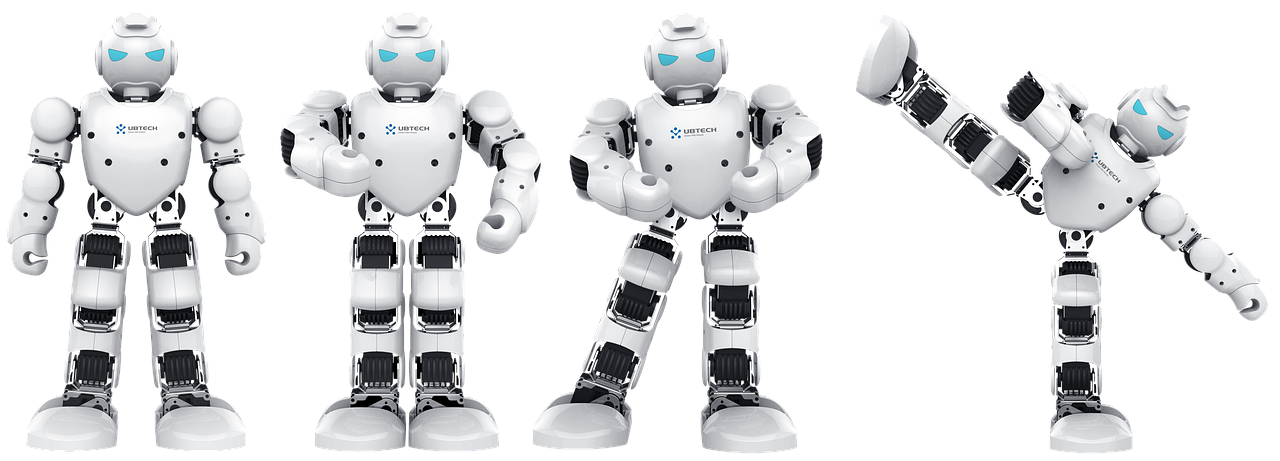
International organizations, such as the United Nations, are concerned with the implications of robotic warfare on global peace and security. They advocate for regulations to prevent an arms race in autonomous weaponry and emphasize the need for accountability in military operations involving robots. The challenge lies in balancing technological advancement with the preservation of human rights and ethical standards.
- Ethical concerns: The moral implications of using robots in combat, including the potential for loss of human oversight.
- Legal issues: The need for clear international laws governing the use of autonomous weapons in warfare.
- Economic factors: The financial interests of defense contractors versus the societal costs of robotic warfare.
- Public perception: How society views the use of robots in military contexts and the impact on civilian safety.
- Geopolitical dynamics: The risk of an arms race as nations compete to develop advanced robotic technologies.
Potential Effects on Soldiers and Military Strategy
The introduction of humanoid robots into military operations could significantly impact various groups, including soldiers, defense contractors, and policymakers. Soldiers may find themselves working alongside these advanced machines, changing the nature of their roles and responsibilities. Defense contractors will need to adapt to new technological demands, while policymakers will face the challenge of regulating the use of such technology on the battlefield.
In the short term, the presence of humanoid robots could enhance operational efficiency and reduce the risk to human soldiers. For instance, robots could be deployed for reconnaissance missions or to handle hazardous materials, allowing human personnel to focus on strategic decision-making. However, this shift may also lead to job displacement within the military and defense sectors, raising concerns about the future of traditional roles.
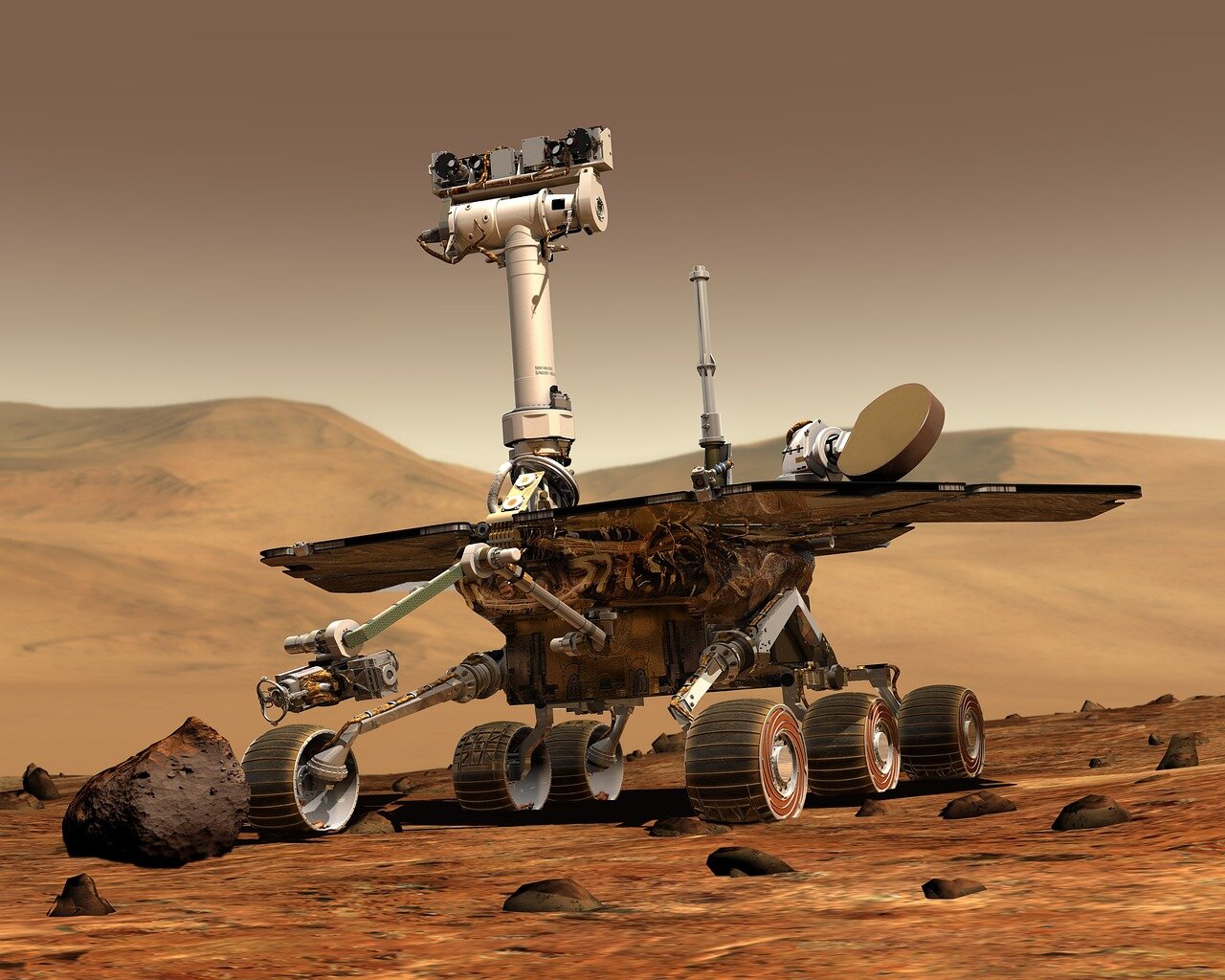
In the mid-term, the integration of humanoid robots may reshape military strategies. As these machines become more capable, they could change the dynamics of warfare, leading to a reliance on automated systems for combat and logistics. This evolution might prompt nations to invest heavily in robotic technology, fostering competition and potentially escalating arms races. Furthermore, the ethical implications of using robots in combat will require careful consideration and could lead to new policies governing their deployment.
- Enhanced operational efficiency: Robots can perform tasks that are dangerous for humans.
- Job displacement: Traditional military roles may become obsolete.
- Strategic shifts: Warfare tactics could evolve with the integration of robots.
- Ethical concerns: The use of robots in combat raises moral questions.
- Policy development: New regulations will be necessary to govern robotic use.
While there are risks associated with the deployment of humanoid robots in military settings, there are also opportunities for innovation and growth in the defense industry. Companies specializing in robotics and artificial intelligence could see increased demand for their products and services. Additionally, successful integration of these technologies may lead to advancements that could be applied in civilian sectors, such as disaster response and search-and-rescue missions.
A: Humanoid robots are machines designed to resemble and mimic human behavior. They can perform tasks that require human-like dexterity and decision-making. A: Currently, humanoid robots are being tested for reconnaissance, logistics, and even combat support roles, enhancing operational efficiency. A: Ethical concerns include the potential for loss of human oversight, accountability for actions taken by robots, and the moral implications of robotic combat. A: While humanoid robots can assist in various roles, they are unlikely to fully replace human soldiers due to the need for human judgment in complex situations. A: Advancements in AI, mobility, and decision-making capabilities are essential for humanoid robots to operate effectively in dynamic battlefield environments.
Frequently Asked Questions about Humanoid Robots in Warfare
Future Prospects for Humanoid Robots on the Battlefield
As military technology continues to evolve, the integration of humanoid robots into combat scenarios presents both opportunities and challenges. These advanced machines could enhance operational efficiency, reduce human casualties, and provide tactical advantages in complex environments. However, ethical considerations, the potential for misuse, and the need for robust regulatory frameworks remain critical areas for discussion as the deployment of such technology approaches.
Looking ahead, the development and implementation of humanoid robots in military settings will require careful monitoring and strategic planning. The balance between leveraging technological advancements and ensuring responsible use will play a pivotal role in shaping future warfare.
- Ethical Frameworks: Establishing clear guidelines for the use of humanoid robots in combat will be essential to prevent misuse and ensure compliance with international laws.
- Operational Efficiency: Humanoid robots could significantly improve logistics and support roles, allowing human soldiers to focus on more complex tasks.
- Public Perception: The acceptance of humanoid robots in military operations will largely depend on public sentiment and the perceived risks associated with their deployment.
- Technological Advancements: Ongoing developments in AI and robotics will continue to shape the capabilities of humanoid robots, influencing their roles on the battlefield.
- International Collaboration: Countries may need to engage in dialogue and cooperation to establish norms and standards for the use of humanoid robots in warfare.