
The selected astronauts include a diverse group of individuals with extensive experience in various fields such as engineering, science, and piloting. Among them are both seasoned space veterans and newcomers, highlighting NASA’s commitment to inclusivity and representation in its missions.
These astronauts will undergo rigorous training in preparation for their roles in upcoming lunar missions, which are expected to pave the way for future manned missions to Mars. For more information on the crew, you can check out Nasa’s announcement of the crew selected for Artemis III mission. The Artemis program is not only a scientific endeavor but also a demonstration of international collaboration, as it involves partnerships with space agencies around the world.
The next key milestone is Artemis II, scheduled for launch in 2025, which will carry astronauts around the Moon before a subsequent landing mission. This program is crucial for advancing human space exploration and aims to inspire future generations of scientists and engineers.
Understanding the Artemis Moon programme and its goals
The Artemis Moon programme, initiated by NASA, aims to return humans to the Moon by the mid-2020s, marking the first time since the Apollo missions of the late 1960s and early 1970s that astronauts will set foot on the lunar surface. This ambitious initiative is not only a quest for exploration but also a strategic step toward establishing a sustainable human presence on the Moon, with the ultimate goal of preparing for future crewed missions to Mars.

The programme is named after Artemis, the twin sister of Apollo in Greek mythology, symbolizing a new era of lunar exploration that emphasizes inclusivity, as it includes the first woman and the next man to walk on the Moon. To learn more about the upcoming astronauts, read NASA’s update on the new Artemis III astronauts. The Artemis missions are designed to demonstrate new technologies and capabilities that will be essential for deep-space exploration, while also fostering international collaboration in space science and exploration.
Key Milestones in Lunar Exploration
The journey to the Artemis programme has been shaped by several key milestones in space exploration. The Apollo programme, which successfully landed humans on the Moon six times between 1969 and 1972, set the foundation for human spaceflight and scientific discovery. Following Apollo, the focus shifted to low Earth orbit missions, such as the Space Shuttle programme and the International Space Station, which have provided invaluable experience in long-duration spaceflight.
In recent years, renewed interest in lunar exploration has emerged, driven by technological advancements and a growing recognition of the Moon’s potential resources. The establishment of the Artemis programme in 2019 was a response to these factors, as well as a strategic move to assert leadership in the new space race, particularly in the context of emerging competitors like China and private space enterprises.
As NASA names the next astronauts for the Artemis missions, it marks another significant step in a broader vision of human exploration that not only seeks to extend our reach into the solar system but also to inspire future generations through the pursuit of knowledge and discovery.
Key stakeholders and considerations in the Artemis missions
The Artemis Moon programme, spearheaded by NASA, involves a diverse array of stakeholders, each with distinct interests and roles. The primary actors include NASA as the lead agency, international space agencies, private aerospace companies, and various governmental bodies. Each of these stakeholders is motivated by factors ranging from scientific advancement to economic opportunity and national prestige.
NASA’s primary interest lies in successfully landing humans on the Moon and establishing a sustainable presence there by the end of the decade. This mission is not only about exploration but also aims to pave the way for future missions to Mars. The agency’s collaboration with international partners, such as the European Space Agency (ESA) and the Japan Aerospace Exploration Agency (JAXA), highlights a shared interest in advancing space exploration while fostering international cooperation.
Private aerospace companies, including SpaceX and Blue Origin, play a crucial role in the Artemis programme by providing launch services and innovative technologies. Their involvement raises economic considerations, as these partnerships can drive down costs and stimulate competition within the commercial space sector. For a deeper understanding of the technology being developed, you can explore the Orion spacecraft and its mission. However, there are concerns regarding the equitable distribution of contracts and the potential for monopolistic practices in the industry.
- National Interests: Governments involved in the Artemis programme are motivated by national pride and the desire to lead in space exploration.
- Funding and Investment: Economic implications arise from the significant investment required for the Artemis missions, prompting discussions on budget allocations and priorities.
- Legal Framework: The Outer Space Treaty and other international agreements present legal considerations regarding the ownership of lunar resources and the management of space traffic.
- Technological Development: Advancements in technology are crucial for mission success, raising questions about intellectual property and technological sharing among stakeholders.
As the Artemis programme progresses, the interplay between these stakeholders will shape the future of lunar exploration. The potential for conflicts, particularly regarding resource allocation and technological competition, underscores the need for clear communication and collaboration among all parties involved.
Implications for space exploration and international collaboration
The announcement of NASA’s next astronauts for the Artemis Moon programme marks a significant milestone not only for the agency but also for various stakeholders involved in space exploration. The selection of astronauts impacts a range of groups, including scientists, engineers, and educational institutions across the globe. Additionally, it has implications for industries such as aerospace, technology, and even tourism, as the excitement surrounding lunar missions can stimulate interest and investment.
In the short term, the announcement is likely to boost public interest in space exploration, leading to increased funding and support for STEM (science, technology, engineering, and mathematics) education initiatives. Schools and universities may see a rise in enrollment in related programs as students become inspired by the prospect of human missions to the Moon. This surge in interest can help cultivate a new generation of scientists and engineers, which is crucial for sustaining future space endeavors.
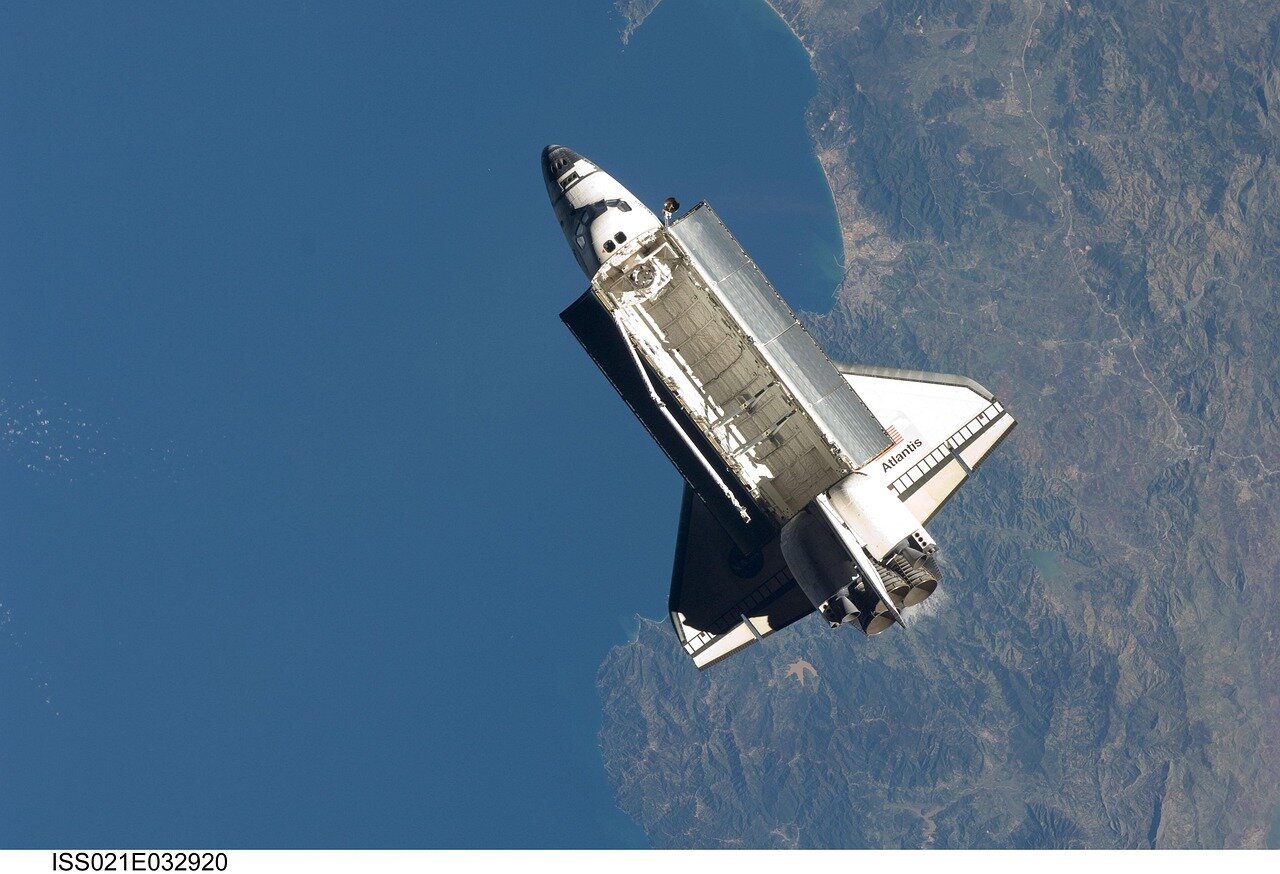
Mid-term impacts include potential partnerships between private and public sectors. Companies involved in aerospace technology may experience growth as they seek to develop new technologies and systems to support lunar missions. This collaboration could lead to innovations that benefit not just space exploration but also have applications in other industries, such as telecommunications and transportation.
- Opportunities: Increased investment in aerospace technology.
- Risks: Potential geopolitical tensions as nations vie for leadership in space exploration.
- Impact on local economies: Growth in jobs related to space missions and STEM education.
However, there are also risks associated with the Artemis programme. As nations and private companies ramp up their space ambitions, geopolitical tensions may rise, particularly concerning resource allocation and territorial claims in space. This could lead to a fragmented international landscape where collaboration becomes more challenging, potentially stalling progress in space exploration.
A: The selected astronauts include a diverse group of individuals with extensive training and experience in various fields, ready to undertake lunar missions. A: The primary goal of the Artemis programme is to land humans on the Moon by 2024, with a focus on sustainable exploration and preparing for future missions to Mars. A: The Artemis missions are expected to pave the way for long-term human presence on the Moon, which will serve as a stepping stone for deeper space exploration. A: The first mission, Artemis I, is scheduled to launch in late 2023, marking a significant milestone in the programme. A: Nasa is developing advanced technologies such as the Space Launch System (SLS) rocket and the Orion spacecraft to support the Artemis missions.
Frequently asked questions about the Artemis Moon programme
Future outlook for Nasa and lunar exploration initiatives
The recent announcement of the next astronauts for NASA’s Artemis Moon program marks a significant step forward in the United States’ efforts to return humans to the lunar surface. This initiative not only aims to establish a sustainable human presence on the Moon but also serves as a crucial stepping stone for future missions to Mars. With a diverse and skilled team of astronauts, NASA is poised to enhance international collaboration and inspire a new generation of scientists and engineers.
As the Artemis program progresses, several key implications emerge for both the agency and the broader landscape of space exploration. The selection of astronauts reflects a commitment to inclusivity and representation, which may influence future recruitment and training practices across the space industry. Moreover, advancements in technology and partnerships with commercial space companies will likely accelerate the pace of lunar exploration and scientific research.
- Increased collaboration: Expect more partnerships with international space agencies and private companies, enhancing innovation and resource sharing.
- Focus on sustainability: The Artemis program’s goal of establishing a long-term lunar presence will drive advancements in sustainable technologies.
- Public engagement: The diverse astronaut team is likely to inspire greater public interest and support for space exploration initiatives.
- Preparations for Mars: Lessons learned from lunar missions will be crucial in preparing for future human missions to Mars.
- Scientific advancements: The program will facilitate new research opportunities, potentially leading to groundbreaking discoveries in lunar science.