
NASA is planning a new lunar mission
NASA is gearing up for its Artemis program, which aims to return humans to the Moon by 2024. Learn more about the crew selected for Artemis III, as the initiative marks a significant step in lunar exploration, with the goal of establishing a sustainable human presence on the Moon by the end of the decade. This mission is not only about exploration but also about laying the groundwork for future missions to Mars.
As part of this effort, the Artemis I mission, an uncrewed test flight, is set to launch in late 2023. This mission will utilize the Space Launch System (SLS) rocket and the Orion spacecraft to demonstrate critical technologies needed for safe human landings on the lunar surface. For an overview of the Orion spacecraft’s mission, visit this link. The Artemis I flight will orbit the Moon and return to Earth, providing valuable data for subsequent crewed missions.
The Artemis program involves international partnerships and collaboration with commercial spaceflight companies. NASA has signed agreements with various nations and private entities to enhance the mission’s capabilities and foster a global approach to lunar exploration. These collaborations are crucial for sharing knowledge and resources as humanity prepares for deeper space exploration.
Returning to the Moon is seen as a stepping stone for future exploration, particularly for Mars. Scientists believe that the Moon can serve as a testing ground for technologies and life-support systems that will be essential for manned missions to the Red Planet. The advancements made through the Artemis missions could have far-reaching implications for space exploration and scientific discovery.

The historical significance of lunar exploration
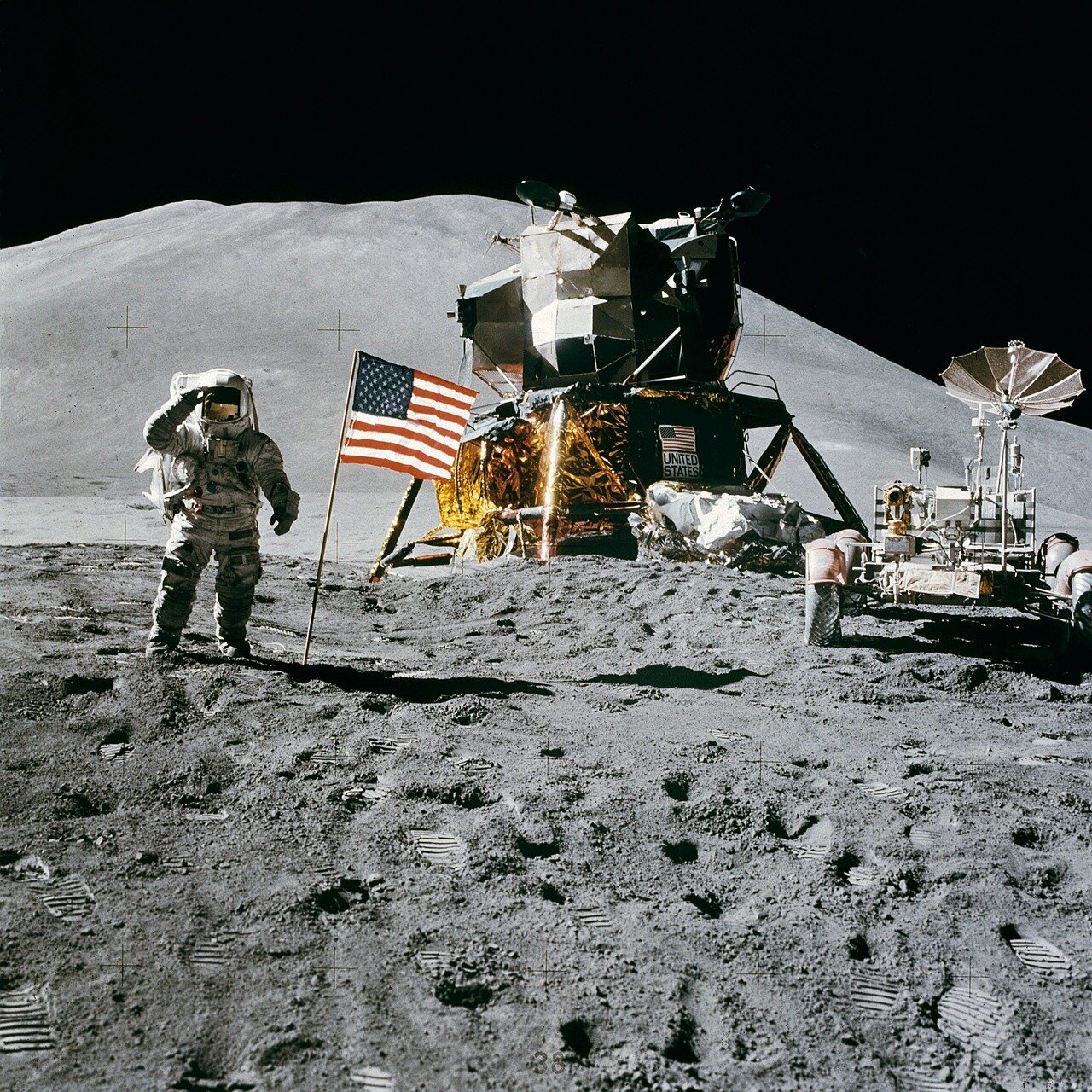
The quest to explore the Moon has been a significant chapter in human history, representing not only a technological triumph but also a symbol of human curiosity and ambition. The Apollo program, which culminated in the first successful manned Moon landing in 1969, marked a pivotal moment in the Space Race between the United States and the Soviet Union. This achievement demonstrated the capabilities of American science and engineering, fostering a sense of national pride and inspiring generations to look toward the stars.
In the decades following the Apollo missions, lunar exploration took a backseat as priorities shifted towards other scientific endeavors and the development of the Space Shuttle program. However, the Moon remained a focal point for scientific inquiry, with various robotic missions continuing to gather data about its surface and geology. The discovery of water ice in permanently shadowed craters has reignited interest in the Moon, highlighting its potential as a resource for future space exploration.
Political and Economic Motivations
The renewed interest in lunar exploration is not solely driven by scientific curiosity; it is also influenced by political and economic factors. As other nations, particularly China and India, ramp up their own lunar programs, the United States sees a strategic imperative to maintain its leadership in space exploration. The Artemis program, which aims to return humans to the Moon by the mid-2020s, is part of a broader vision to establish a sustainable human presence on the lunar surface, paving the way for future missions to Mars and beyond.
Moreover, the potential economic benefits of lunar exploration cannot be overlooked. The Moon is believed to harbor valuable resources, including rare minerals and helium-3, which could play a significant role in future energy production. The involvement of private companies in lunar exploration further underscores the economic stakes, as partnerships between NASA and commercial entities aim to lower costs and accelerate innovation in space travel.

As we stand on the brink of a new era in lunar exploration, it is essential to recognize the historical context that has shaped this moment. The lessons learned from past missions, combined with the advancements in technology and a renewed sense of purpose, set the stage for humanity’s next giant leap into the cosmos, as highlighted in various discussions about the impact of the Artemis program.
Key stakeholders and their motivations
The return of NASA to the Moon involves a diverse array of stakeholders, each with their own interests and motivations. At the forefront is NASA itself, which aims to advance scientific knowledge, develop new technologies, and establish a sustainable human presence on the Moon. This initiative is part of a broader vision to prepare for future crewed missions to Mars and beyond.
Another significant actor is the United States government, which provides funding and policy direction for NASA’s lunar missions. The government is interested in maintaining leadership in space exploration, enhancing national security, and fostering economic growth through technological innovation and job creation in the aerospace sector.
International partners, such as the European Space Agency (ESA), Japan’s JAXA, and others, are also key stakeholders. These organizations seek to collaborate on lunar exploration to share costs, expertise, and scientific findings, while also enhancing their own space programs and international standing in space exploration.
- Economic interests: The potential for commercial opportunities in lunar mining and tourism is attracting private companies, which are eager to invest in and capitalize on lunar resources.
- Scientific collaboration: Global partnerships in lunar research can lead to groundbreaking discoveries and innovations, benefiting multiple nations.
- Regulatory challenges: The Outer Space Treaty and other legal frameworks pose questions about resource ownership and territorial claims on the Moon.
- Environmental concerns: The impact of lunar missions on the Moon’s environment and the need for sustainable practices are increasingly important issues.
Finally, the general public plays an indirect yet influential role as stakeholders. Public interest in space exploration can drive funding and support for NASA’s initiatives, while also raising awareness about the scientific and ethical implications of returning to the Moon. The interplay of these varied interests and concerns creates a complex landscape as NASA embarks on its lunar journey.
The potential benefits of returning to the moon
The renewed focus on lunar exploration by NASA is set to impact a diverse range of groups and industries. Key stakeholders include aerospace companies, educational institutions, and various governmental agencies. Regions with established spaceports or aerospace manufacturing facilities, such as Florida, Texas, and California, are likely to see a surge in economic activity and job creation.
In the short term, businesses in the aerospace sector may experience increased contracts and funding opportunities as NASA ramps up its lunar missions. This could lead to a boost in employment within these industries, particularly for engineers, scientists, and technicians. Additionally, educational institutions may enhance their STEM programs to align with the growing demand for skilled workers in space exploration.
Mid-term impacts could include advancements in technology that spill over into everyday life. Innovations developed for lunar missions, such as improved materials and life-support systems, may find applications in healthcare, environmental monitoring, and telecommunications. Furthermore, the potential for commercial partnerships with private companies could lead to new business models in space tourism and resource extraction.

- Economic Growth: Increased job opportunities in aerospace and related fields.
- Technological Advancements: Innovations benefiting various sectors beyond space exploration.
- International Collaboration: Opportunities for partnerships with other countries in space initiatives.
However, there are risks associated with this renewed lunar focus. Budget constraints and political shifts could affect funding for NASA’s programs, potentially stalling progress. Additionally, the environmental impact of increased rocket launches and lunar missions must be carefully managed to mitigate negative consequences on our planet.
A: NASA aims to establish a sustainable presence on the moon to prepare for future missions to Mars and beyond. The advancements in technology and international collaboration also play a crucial role in this decision. A: The Artemis program seeks to land ‘the first woman and the next man’ on the moon by 2024, aiming to explore the lunar south pole and develop technologies for long-term human exploration. A: The mission will provide opportunities for scientific research in areas such as lunar geology, resource utilization, and the effects of long-duration space travel on human health. A: NASA collaborates with international space agencies and private companies to enhance capabilities, share knowledge, and foster a global approach to lunar exploration. A: The mission is expected to stimulate the space economy, create jobs, and inspire new technologies that can benefit various industries on Earth.
Frequently Asked Questions about NASA’s lunar mission
Future outlook on lunar exploration and its implications
The renewed focus on lunar exploration by NASA signifies a pivotal shift in our approach to space. As the agency embarks on its Artemis program, the implications for science, technology, and international collaboration are profound. The Moon serves not only as a destination but also as a stepping stone for future missions to Mars and beyond, highlighting the importance of sustainable exploration practices.
Furthermore, the potential for commercial partnerships and advancements in space technologies could lead to economic opportunities on Earth and in orbit. As nations and private entities collaborate, the Moon could become a hub for scientific research, resource utilization, and a testing ground for technologies essential for deeper space exploration.
- Increased international cooperation: Watch for new partnerships between countries and private companies as they work together on lunar missions.
- Technological advancements: Expect innovations in robotics, life support systems, and sustainable energy solutions driven by lunar exploration needs.
- Economic opportunities: The burgeoning space economy could see growth in sectors such as mining, tourism, and research, creating jobs and investments.
- Scientific discoveries: Anticipate significant findings related to the Moon’s geology, potential water resources, and the history of our solar system.