
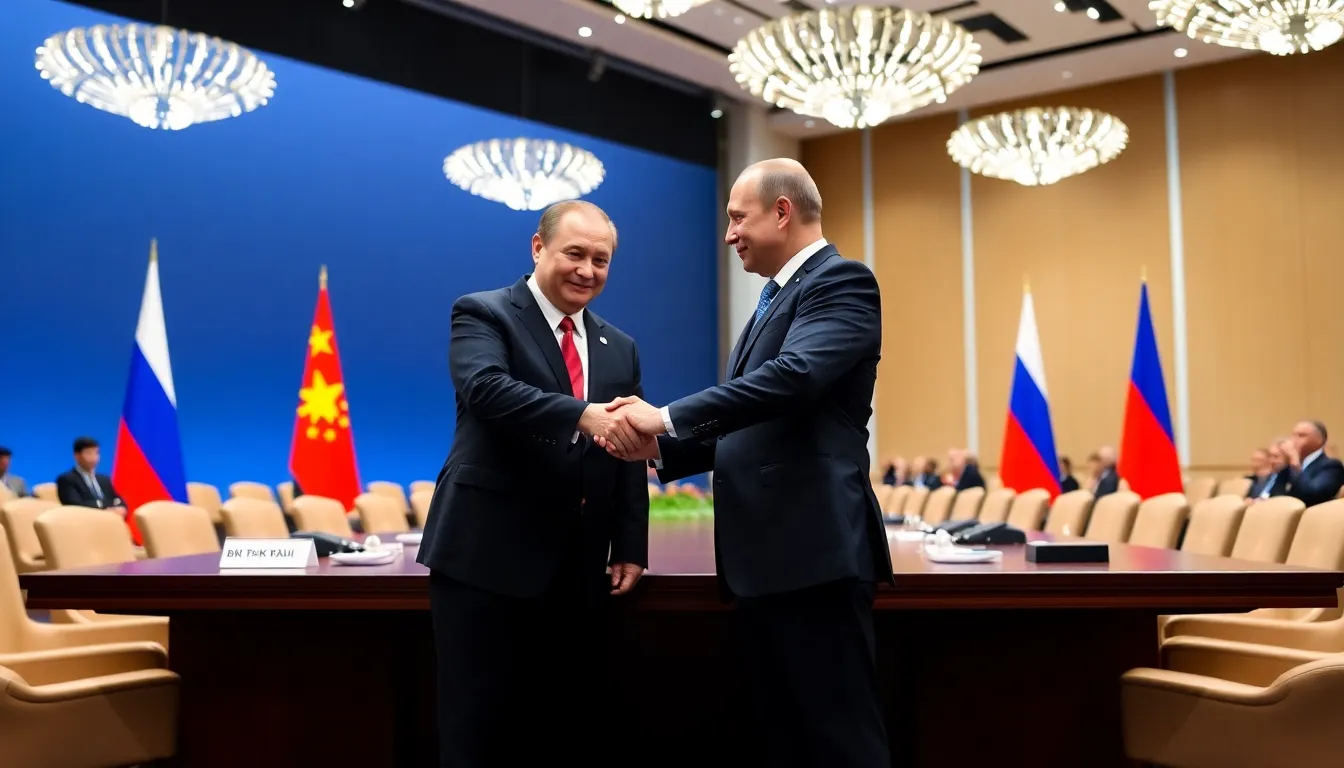
The two countries have engaged in a series of high-profile meetings, with Chinese President Xi Jinping and Russian President Vladimir Putin reaffirming their commitment to a strategic partnership. Notably, during the BRICS summit in August 2023, the leaders discussed enhancing economic ties and military cooperation, signaling a united front against perceived threats from the United States and its allies.
Trade between China and Russia has surged, with figures indicating a significant increase in bilateral trade, reaching approximately $200 billion in 2023. This economic interdependence is further bolstered by energy agreements, as Russia has become a crucial supplier of oil and gas to China, especially in light of Western sanctions following Russia’s actions in Ukraine.
Moreover, the two nations have conducted joint military exercises, showcasing their growing defense collaboration. These maneuvers not only enhance their military capabilities but also serve as a message to the West regarding their willingness to stand together in the face of external pressures.
This evolving relationship has significant implications for global geopolitics, as it challenges the existing balance of power and raises questions about the future of international alliances. As China and Russia continue to strengthen their ties, the potential for increased influence in global affairs becomes more pronounced, prompting a reevaluation of strategies by Western nations, particularly in light of current geopolitical shifts.
Historical Background of Sino-Russian Ties
The relationship between China and Russia has evolved significantly over the centuries, shaped by a complex interplay of historical events, ideological shifts, and geopolitical interests. The roots of their partnership can be traced back to the 17th century when the Qing Dynasty and the Russian Empire began to engage in territorial negotiations. The Treaty of Nerchinsk in 1689 marked a pivotal moment, as it established borders and laid the groundwork for future interactions between the two nations.
Throughout the 19th century, both countries experienced significant turmoil and transformation. The Opium Wars and subsequent treaties weakened China’s sovereignty, while Russia expanded its influence in the region. The late 1940s saw a dramatic shift in their relationship as the Chinese Communist Party established the People’s Republic of China in 1949, leading to a formal alliance based on shared communist ideology. This partnership was solidified with the Sino-Soviet Treaty of Friendship, Alliance, and Mutual Assistance in 1950, which aimed to counter Western imperialism.
However, the Sino-Soviet split in the late 1950s strained their relations, as ideological differences and territorial disputes came to the forefront. The rivalry reached its peak during the 1960s, with both nations engaging in border skirmishes. It wasn’t until the late 1980s and early 1990s, following the collapse of the Soviet Union, that a new chapter began. Both countries sought to redefine their relationship, focusing on economic cooperation and mutual interests in a rapidly changing global landscape.
Modern Cooperation and Challenges
In the 21st century, China and Russia have strengthened their ties through various strategic partnerships, including military cooperation and energy agreements. The establishment of the Shanghai Cooperation Organization (SCO) in 2001 exemplifies their commitment to regional security and economic collaboration. However, challenges remain, such as balancing their respective ambitions and addressing concerns over territorial disputes and influence in Central Asia. Understanding the historical context of their relationship is crucial to grasping the complexities of their current alliance.
Key Stakeholders and Issues in the Partnership
At the forefront are the leaders of both nations: Chinese President Xi Jinping and Russian President Vladimir Putin. Their personal rapport and shared geopolitical interests have significantly influenced the trajectory of bilateral relations, showcasing the importance of understanding the historical context of their relationship, as outlined in previous analyses.
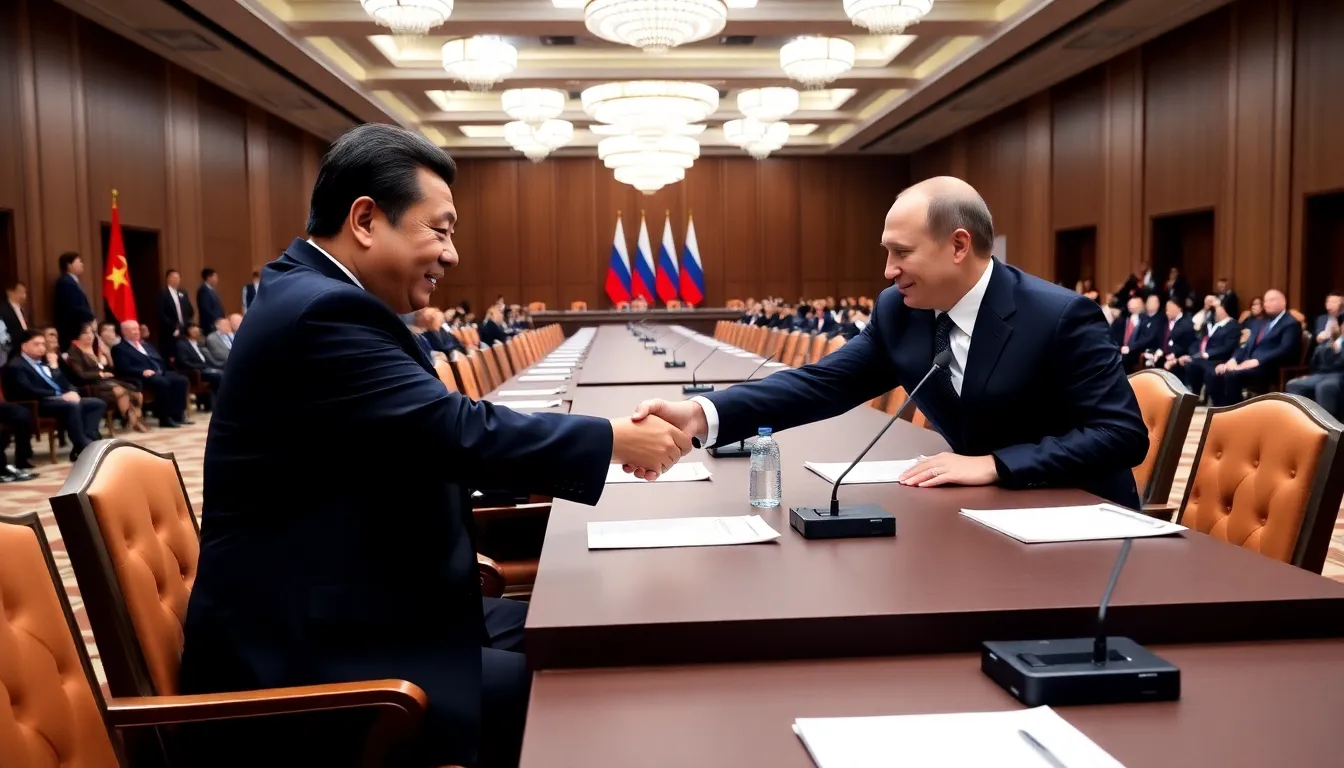
One of the primary interests of China is to secure energy resources to fuel its rapid economic growth. Russia, rich in oil and gas reserves, sees China as a crucial market for its energy exports. This interdependence creates a strong economic bond but also raises concerns about Russia becoming overly reliant on China for its economic stability. Additionally, both countries seek to counterbalance Western influence in global affairs, aligning their foreign policies in international organizations such as the United Nations.
However, the partnership is not without its conflicts and trade-offs. While both nations benefit from economic cooperation, there are underlying tensions regarding territorial disputes and regional dominance. For instance, China’s Belt and Road Initiative has expanded its influence in Central Asia, a region traditionally within Russia’s sphere of influence. This could lead to friction as both countries navigate their ambitions in overlapping territories.
- Energy Dependence: China’s growing energy needs versus Russia’s reliance on Chinese markets.
- Regional Influence: Competition in Central Asia and the implications for both nations’ geopolitical strategies.
- Military Collaboration: Joint military exercises that could lead to increased tensions with Western nations.
- Economic Sanctions: The impact of Western sanctions on both countries and their strategies to mitigate these effects.
- Technological Cooperation: Shared interests in technology sectors that could foster innovation but also raise security concerns.
In summary, the partnership between China and Russia is characterized by a complex interplay of mutual interests and potential conflicts. As both nations navigate their relationship, the balance between cooperation and competition will be crucial in shaping their future interactions on the global stage.
Impact on Global Politics and Economics
The relationship between China and Russia significantly affects various groups, industries, and regions across the globe. Governments, multinational corporations, and local businesses in both countries, as well as their trading partners, are directly influenced by this alliance. The geopolitical landscape shifts, impacting international trade agreements, security policies, and economic partnerships.
In the short term, industries such as energy, technology, and defense are particularly affected. For instance, Chinese demand for Russian oil and gas has surged, leading to increased prices and potential supply chain disruptions for countries dependent on these resources. This dynamic can create immediate challenges for energy-dependent nations in Europe and Asia, altering their economic stability.
Mid-term impacts may include changes in global supply chains, as companies reassess their dependencies on both nations. Businesses engaged in trade with China and Russia may face increased scrutiny and regulatory challenges, leading to potential shifts in market strategies. Additionally, countries aligned with Western policies might experience economic sanctions or trade restrictions, further complicating international relations.
- Energy Sector: Increased reliance on Russian energy resources by China.
- Technology Industry: Potential collaboration on tech innovations and cybersecurity.
- Defense Manufacturing: Joint military exercises and arms deals.
- Global Trade: Shifts in trade routes and partnerships.
Despite the risks, there are also opportunities for growth and collaboration. For instance, countries that can navigate this complex relationship may find new markets and investment opportunities. Businesses that adapt to the changing geopolitical climate can leverage emerging trends in technology and energy, positioning themselves favorably in the global market.
A: The alliance is primarily driven by mutual political interests, economic cooperation, and a shared stance against Western influence. A: Their partnership challenges Western dominance and creates a counterbalance in international relations, influencing global power dynamics. A: Yes, there are underlying tensions related to territorial disputes and competition for influence in Central Asia. A: Trade is a significant aspect, with both countries benefiting from energy exports and infrastructure projects that enhance their economic ties. A: Cultural exchanges foster mutual understanding and strengthen people-to-people connections, contributing to the overall partnership.
Frequently Asked Questions About China and Russia
Key Takeaways and Future Outlook
The relationship between China and Russia is multifaceted, driven by a blend of strategic interests, economic cooperation, and geopolitical considerations. As both nations navigate a complex global landscape marked by shifting alliances and rising tensions with the West, their partnership is likely to evolve. Observers should remain vigilant regarding how this alliance will impact regional stability and global power dynamics.
In the coming years, the synergy between China and Russia may deepen, influenced by their shared interests in countering Western influence and fostering economic resilience. However, underlying tensions, such as competition for influence in Central Asia and differing national ambitions, could also shape their interactions.
- Watch for increased military cooperation: Joint exercises and arms deals may signal a strengthening of defense ties.
- Monitor economic partnerships: Initiatives like the Belt and Road Initiative could expand trade and investment opportunities between the two countries.
- Observe regional developments: The dynamics in Central Asia and the Arctic will be critical in assessing the future of their alliance.
- Analyze responses to Western sanctions: How China and Russia navigate sanctions could reveal the resilience of their partnership.