
Countries like Greece, the Philippines, and the United States have become focal points for these abandoned vessels, with local authorities struggling to deal with the environmental and safety risks posed by these ships. For instance, in October 2023, a major incident occurred in the Gulf of Mexico when an abandoned tanker leaked oil, prompting emergency response teams to contain the spill and assess the damage. This situation emphasizes the need for nations to develop strategies similar to those discussed in European weather challenges.
The International Maritime Organization (IMO) has acknowledged the growing problem, urging member states to implement stricter regulations and develop comprehensive plans for the removal of abandoned ships. Despite these calls for action, progress has been slow, as many countries lack the resources or political will to address the issue effectively.
Environmental groups are raising alarms about the potential ecological impacts of these abandoned tankers, which can leak hazardous materials into marine ecosystems. The situation underscores the urgent need for a coordinated global response to mitigate the risks associated with this shadowy aspect of maritime commerce.
The historical context of oil tanker abandonment
The issue of abandoned oil tankers has deep historical roots, tracing back to the mid-20th century when the global demand for oil surged. As countries industrialized, the need for efficient transportation of crude oil and petroleum products grew exponentially. This boom led to the construction of numerous oil tankers, many of which were later left to languish in ports or at sea as the industry evolved and regulations tightened. Understanding this history can also shed light on other industries, much like the relationship between humans and technological advances explored in AI companions.
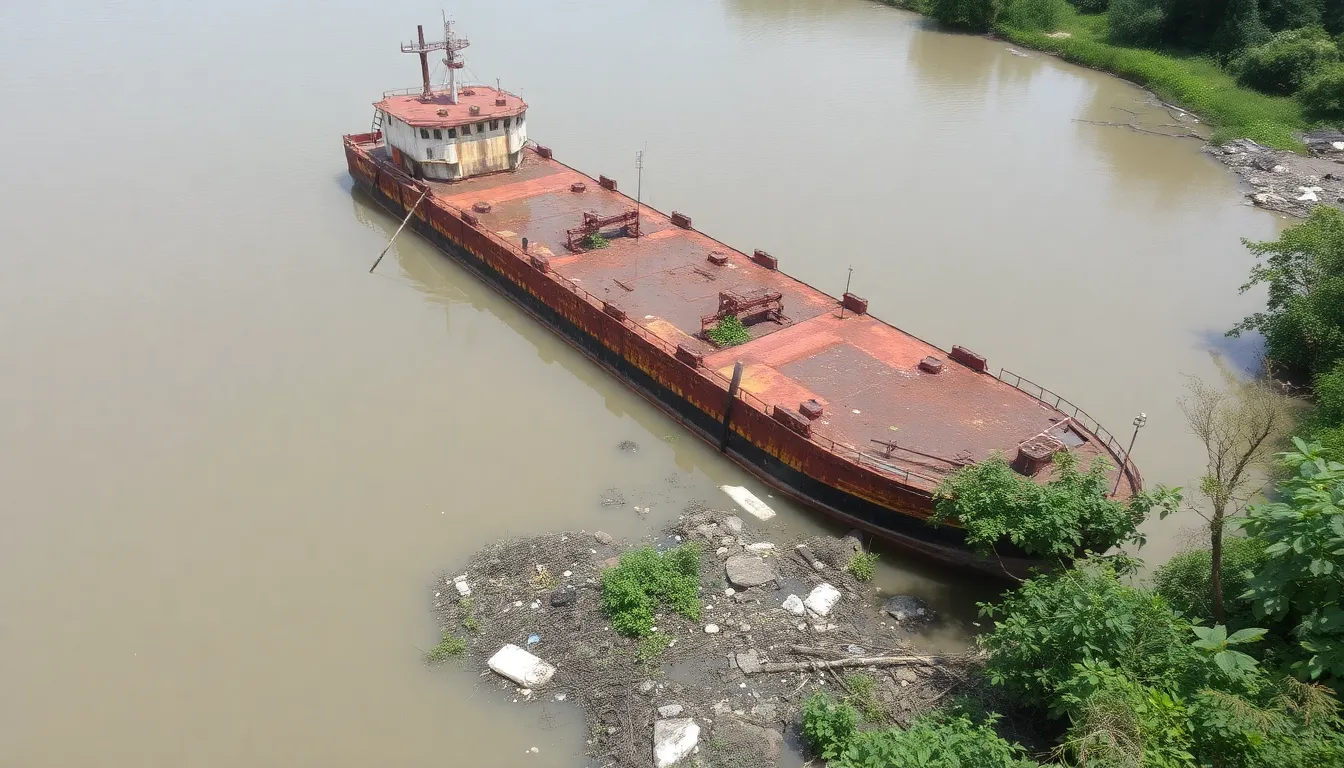
One significant milestone occurred in the 1970s with the oil crisis, which prompted countries to reassess their energy policies and the environmental impacts of fossil fuels. As oil prices soared, many older tankers became economically unviable, leading to a wave of decommissioning. However, instead of proper scrapping, many of these vessels were abandoned, creating a growing problem of derelict ships.
Political and Economic Factors
The political landscape surrounding oil production and transportation has also played a crucial role in the abandonment of tankers. In regions where conflicts or unstable governments exist, vessels may be left unattended due to safety concerns or the inability of owners to reclaim them. Additionally, the economic downturns and fluctuating oil prices have led to increased financial strain on shipping companies, often resulting in the neglect of older tankers that are no longer profitable.
Moreover, the lack of stringent international regulations regarding ship disposal has exacerbated the situation. Many countries lack the infrastructure or the will to manage abandoned vessels effectively, leading to environmental hazards as these ships deteriorate and leak oil or hazardous materials into the ocean. These hazards are reminiscent of ecological threats faced by coastal areas, as seen in discussions about seagrass meadows.
In recent years, the issue has gained attention as environmental organizations and governments recognize the potential dangers posed by these abandoned tankers. The call for international cooperation and robust regulatory frameworks has become more urgent, as the consequences of neglecting this shadowy world of abandoned oil tankers could have far-reaching implications for marine ecosystems and global shipping practices.
Key stakeholders and issues surrounding abandoned tankers
The issue of abandoned oil tankers involves a complex web of stakeholders, including shipping companies, governments, environmental organizations, and local communities. Each of these actors has distinct interests that often conflict with one another, leading to a myriad of legal and economic challenges.
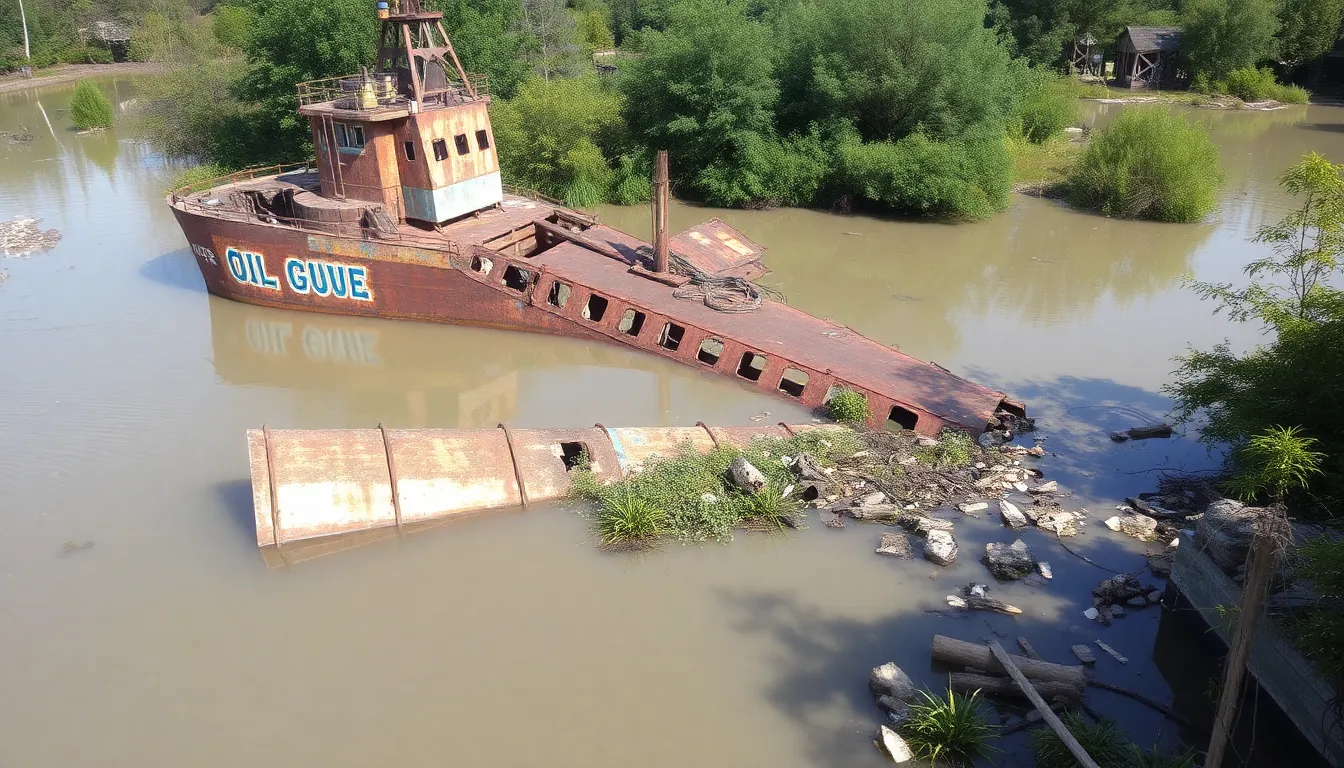
Shipping companies, often under financial pressure, may abandon vessels to cut losses, leaving governments and local authorities to deal with the aftermath. These companies are primarily motivated by profit and may prioritize short-term financial relief over long-term environmental and social responsibilities.
Governments, particularly in coastal regions, face the challenge of regulating abandoned tankers. Their interests lie in protecting environmental resources, ensuring public safety, and managing economic impacts on local industries such as fishing and tourism. However, regulatory frameworks can be inadequate, leading to difficulties in enforcement and accountability.
Environmental organizations advocate for the protection of marine ecosystems, highlighting the risks posed by abandoned tankers, such as oil spills and pollution. They often clash with economic interests, arguing that the long-term costs of environmental degradation outweigh the short-term benefits of neglecting these vessels.
Key issues arising from the abandonment of oil tankers include:
- Environmental Risks: Potential for oil spills and habitat destruction.
- Legal Ambiguities: Challenges in determining liability and enforcing regulations.
- Economic Impacts: Effects on local economies reliant on clean marine environments.
- International Regulations: The need for cohesive global standards to manage abandoned vessels.
- Social Responsibility: Balancing corporate interests with community welfare and environmental stewardship.
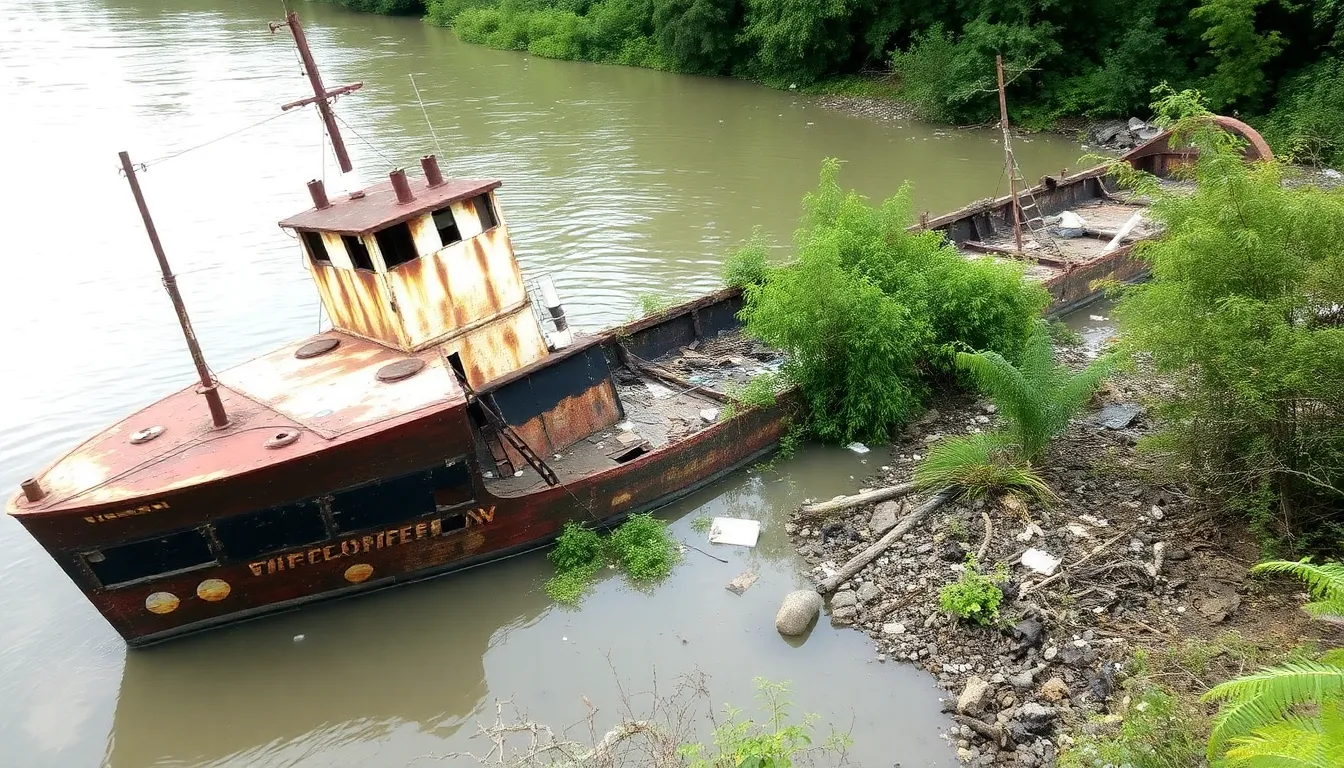
The environmental and economic impacts of abandoned oil tankers
The issue of abandoned oil tankers affects a wide range of stakeholders, including coastal communities, shipping industries, environmental organizations, and local governments. Regions with significant maritime activity, particularly those near busy shipping lanes or oil production areas, are at the forefront of this crisis. The presence of derelict vessels poses threats to marine ecosystems and public health, making it a pressing concern for both local populations and policymakers.
In the short term, the abandonment of oil tankers can lead to immediate environmental hazards, such as oil spills and contamination of coastal waters. This not only disrupts local fishing industries but also impacts tourism, as polluted beaches deter visitors. Communities reliant on clean water and healthy marine life may experience economic downturns, leading to job losses and reduced income for families.
Mid-term effects can be seen in the regulatory landscape, as governments may be forced to implement stricter maritime policies and environmental protections. This could result in increased operational costs for shipping companies, potentially leading to higher prices for goods and services. However, there is also an opportunity for innovation in waste management and recycling industries, as new technologies emerge to address the challenges posed by abandoned tankers.
- Environmental risks: Oil spills and marine pollution.
- Economic impacts: Job losses in fishing and tourism sectors.
- Regulatory changes: Stricter maritime laws and environmental regulations.
- Opportunities: Growth in recycling and waste management technologies.
Ultimately, the shadowy world of abandoned oil tankers highlights the interconnectedness of environmental health and economic stability. As affected groups continue to advocate for solutions, the dialogue surrounding this issue may lead to more sustainable practices in the shipping industry, benefiting both people and the planet in the long run.
A: Oil tankers are often abandoned due to financial difficulties, regulatory changes, or the high costs associated with maintenance and repairs. A: Abandoned oil tankers can leak hazardous materials into the ocean, leading to pollution and harm to marine life. A: The responsibility for cleanup often falls on governments or the last registered owners, but enforcement can be challenging. A: Estimates suggest there are thousands of abandoned oil tankers globally, with many remaining unaccounted for. A: Various international regulations and initiatives are being implemented to manage and mitigate the risks associated with abandoned oil tankers.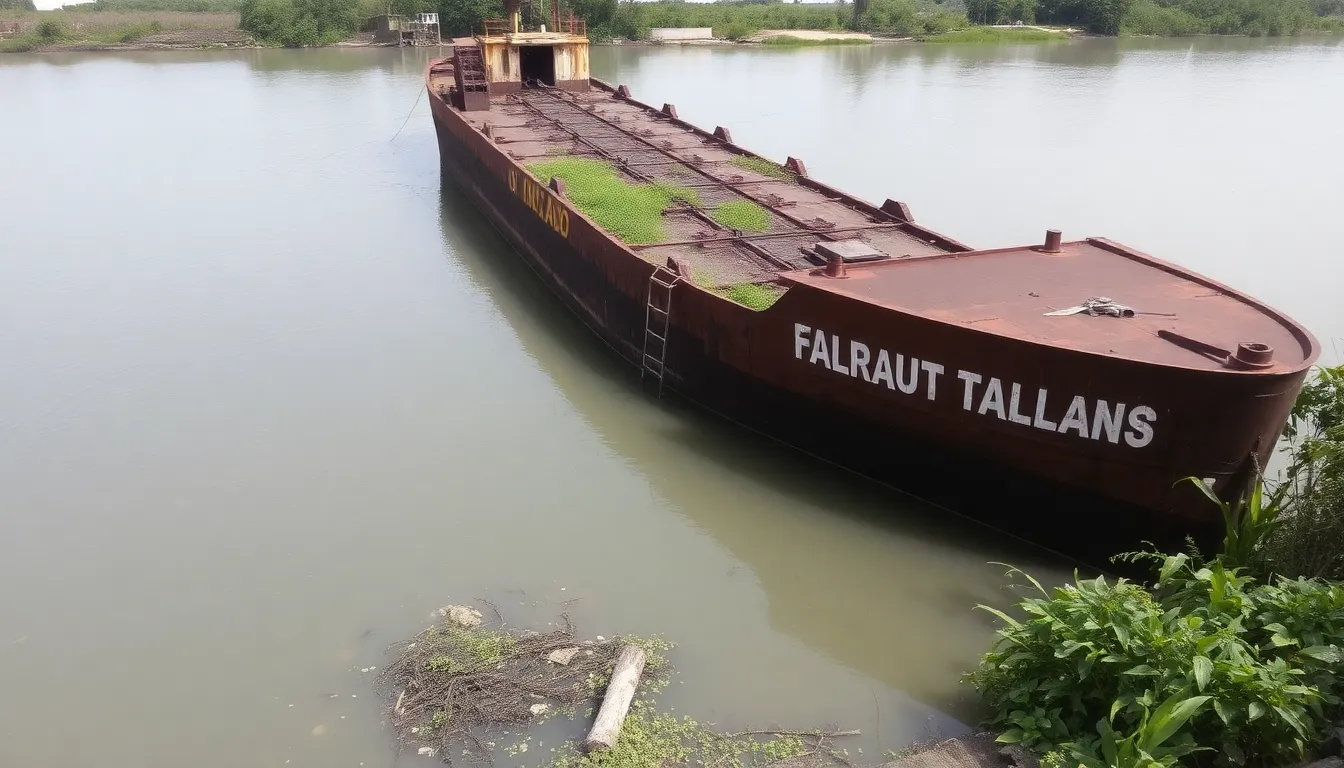
Frequently asked questions about abandoned oil tankers
Insights and future outlook on abandoned oil tankers
The issue of abandoned oil tankers presents a complex challenge that intertwines environmental, economic, and regulatory factors. As the number of these vessels continues to rise, stakeholders must navigate the implications for maritime safety and environmental protection. The growing awareness of the risks associated with these abandoned ships underscores the need for comprehensive policies and innovative solutions to address the situation.
Moving forward, it is crucial to monitor the evolving landscape of regulations and industry practices aimed at mitigating the risks posed by abandoned oil tankers. Collaboration among governments, shipping companies, and environmental organizations will be essential in fostering a proactive approach to this pressing issue.
- Increased regulatory scrutiny is expected, which may lead to stricter guidelines for the management and disposal of aging oil tankers.
- Technological advancements in monitoring and tracking abandoned vessels could enhance early detection and response efforts.
- Collaboration between nations will be vital to address the transboundary nature of maritime pollution caused by abandoned tankers.
- Investment in sustainable recycling and dismantling facilities may reduce the number of abandoned vessels in the long term.
- Public awareness campaigns could play a significant role in advocating for responsible shipping practices and environmental stewardship.