
The blaze, which reportedly began around 8:00 AM, caused substantial damage to the shop and raised concerns about the structural integrity of the nearby station. As a precaution, all train services were suspended, affecting thousands of commuters and travelers who rely on the station for daily transport. For more details on how incidents like this can influence urban infrastructure, see our article on urban safety issues.
Authorities have confirmed that there are no reported injuries at this time, but investigations are underway to determine the cause of the fire. Local residents and businesses have expressed their concerns over the impact on the community, as the station serves as a critical transport link in the region.
The closure is expected to remain in effect for several hours while clean-up and assessment efforts are conducted. Passengers are advised to seek alternative travel arrangements and stay updated through official transportation channels for further information on service resumption.
Understanding the circumstances surrounding the fire incident
The recent fire that engulfed a shop adjacent to Glasgow Train Station has raised significant concerns regarding safety and emergency preparedness in urban areas. Glasgow, a city with a rich industrial history, has seen its infrastructure evolve over the decades, with the train station serving as a vital transport hub since the 19th century. The station has not only facilitated the movement of people but has also been a focal point for economic activity, linking various regions of Scotland and beyond.
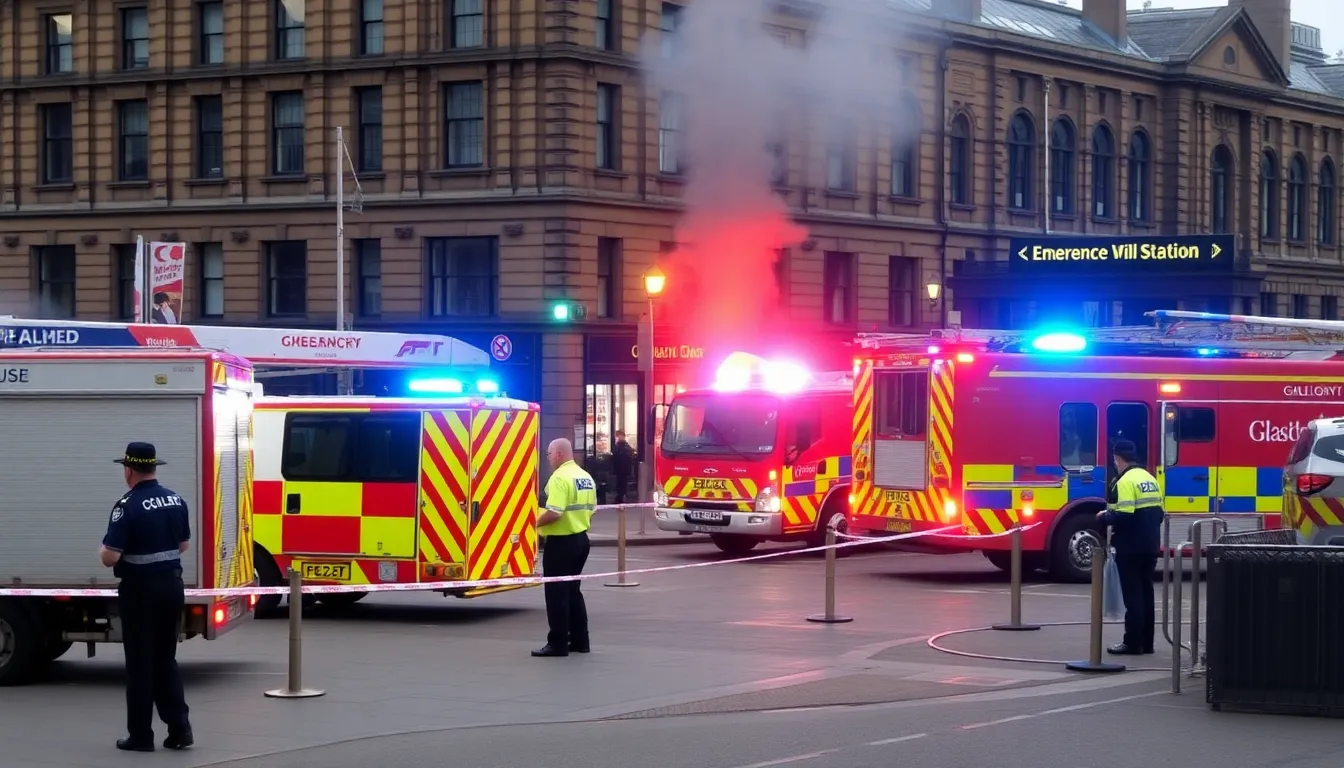
Historically, Glasgow has faced numerous challenges related to urban safety, particularly in densely populated areas where commercial activities are prevalent. The fire incident is reminiscent of past events where similar establishments have faced catastrophic incidents, prompting discussions about fire safety regulations and building codes. In light of this, the community is urging local authorities to implement stronger measures, as discussed in our recent report on emergency preparedness.
Economic Impact and Community Response
Economically, the closure of Glasgow Train Station due to the fire poses a significant disruption not just for commuters but also for local businesses that rely on foot traffic generated by the station. The surrounding area has a vibrant retail scene, and shop owners are concerned about the implications of prolonged closures. Community response to the fire has been swift, with local leaders calling for immediate investigations into the cause and measures to prevent future incidents. This situation underscores the delicate balance between urban development and safety, particularly in areas with historical significance.
Moreover, the incident has prompted a broader conversation about the need for enhanced safety measures in commercial establishments, particularly those located near critical infrastructure like train stations. As Glasgow continues to grow and modernize, the lessons learned from this incident could lead to stronger regulations and a more proactive approach to urban safety, ensuring that the city remains a safe and thriving environment for all its residents and visitors.
Key stakeholders and issues arising from the station’s closure
The closure of Glasgow Train Station due to a fire at a neighboring shop has created a ripple effect involving multiple stakeholders. The main actors include the local government, emergency services, the train operating companies, local businesses, and commuters. Each of these groups has distinct interests and concerns that are impacted by the incident.
Local government officials are primarily focused on ensuring public safety and restoring normal operations as quickly as possible. The fire has not only disrupted train services but also raised concerns about the safety standards of nearby establishments. Additionally, they must address the economic impact on local businesses that rely on foot traffic from the station.
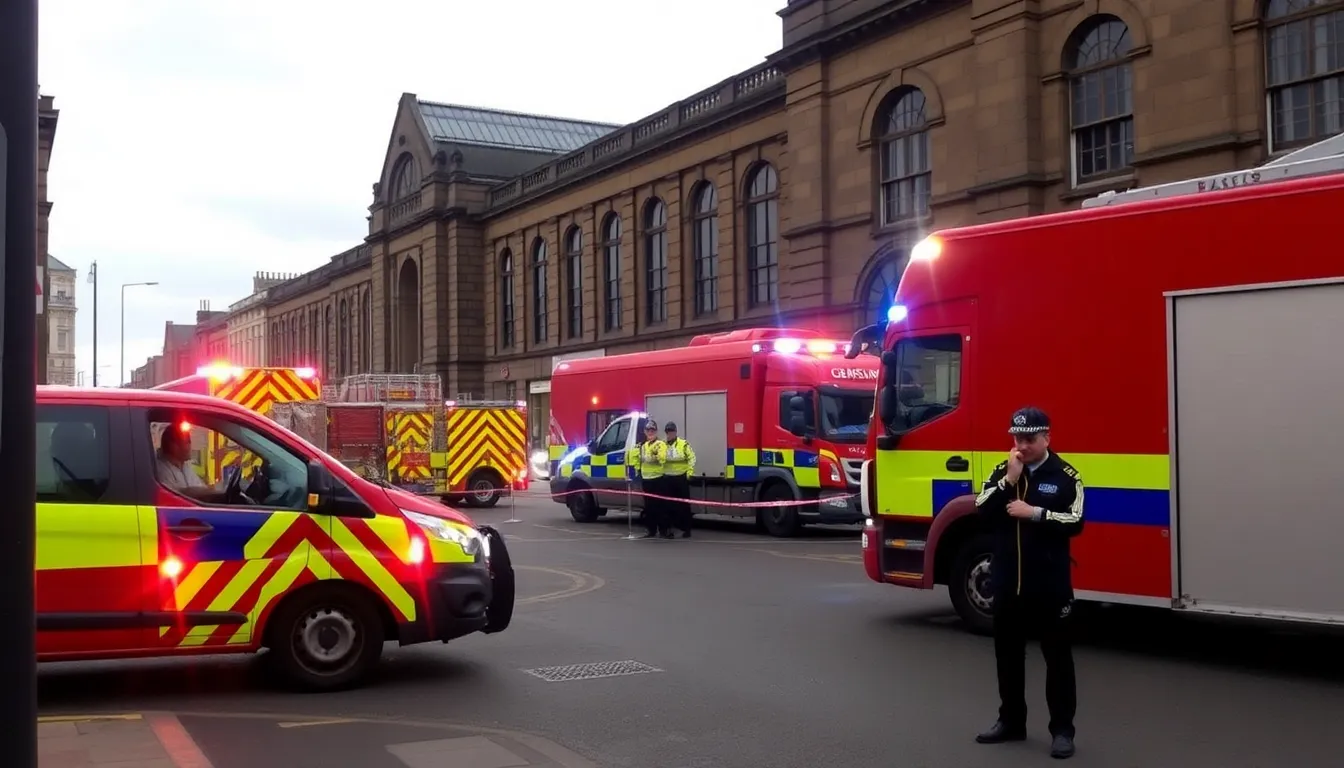
Emergency services, including firefighters and paramedics, play a crucial role in managing the immediate aftermath of the fire. Their interests lie in effectively controlling the situation, ensuring the safety of the public, and conducting investigations to determine the cause of the fire. This may lead to potential legal implications if negligence is found.
- Local businesses face significant losses due to decreased customer access and potential damage to their properties.
- Train operating companies must navigate the logistical challenges of rerouting services and communicating changes to passengers.
- Commuters are affected by delays and the need for alternative transportation options, which may lead to increased frustration and inconvenience.
In the broader context, the incident raises questions about infrastructure resilience and emergency preparedness in urban areas. The economic implications of the station’s closure could extend beyond immediate losses, affecting tourism and local economies in the long term. Stakeholders will need to collaborate to address these challenges and ensure a swift recovery, reflecting broader themes found in discussions about community resilience.
The impact of the station’s closure on commuters and local businesses
The closure of Glasgow Train Station due to the fire at a neighboring shop has significant ramifications for various groups, particularly commuters, local businesses, and the transport industry. With thousands of passengers relying on the station daily, the immediate disruption affects not only their travel plans but also the overall flow of people in the city.
Commuters face challenges such as increased travel times and the need to find alternative routes. This situation is likely to lead to overcrowding on other transport services, including buses and trams, as people seek to navigate around the closure. The ripple effect on daily life can manifest in missed appointments, delays in reaching workplaces, and increased stress levels among travelers.
Local businesses in the vicinity of the station may experience a decline in foot traffic, which could impact sales and revenue in the short term. Shops, cafes, and restaurants that typically benefit from the influx of commuters may see a drop in customers, leading to potential layoffs or reduced hours for employees. The longer the station remains closed, the more pronounced these effects will become.
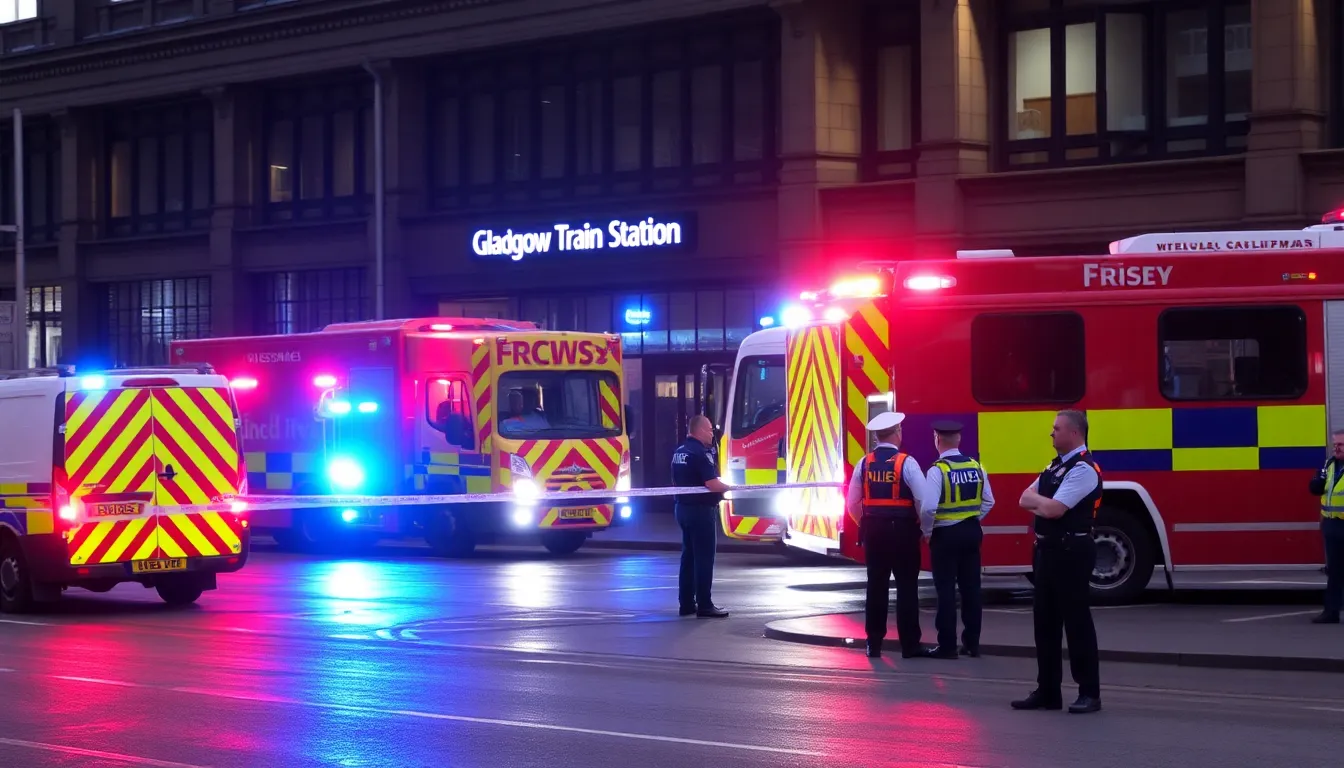
- Commuters facing travel disruptions and increased congestion.
- Local businesses experiencing reduced customer flow and potential revenue loss.
- Transport industry grappling with increased demand on alternative services.
However, there may also be opportunities arising from this situation. Local businesses could pivot their strategies to cater to the changing dynamics, such as offering delivery services or promotions to attract nearby residents. Additionally, the incident may prompt discussions around enhancing fire safety regulations and emergency response protocols, leading to improved infrastructure and safety measures in the long run.
A: The exact cause of the fire is still under investigation by local authorities, but initial reports suggest it may have been related to electrical issues. A: While no official timeline has been provided, authorities are working to assess the damage and ensure safety before reopening. A: Yes, local bus services and nearby train stations are being utilized as alternatives for affected commuters during the closure. A: Yes, local businesses may experience a drop in foot traffic due to the station’s closure, impacting their sales and operations. A: Fortunately, there have been no reported injuries related to the fire, as emergency services responded quickly to the scene.
Frequently asked questions about the fire and station closure
Looking ahead: key points and future implications
The recent fire that led to the shutdown of Glasgow Train Station highlights the interconnectedness of urban infrastructure and local businesses. As investigations continue into the cause of the fire, it raises questions about safety protocols and emergency response strategies in densely populated areas. The impact on daily commuters and local businesses will likely be significant, prompting a reevaluation of how such incidents are managed in the future.
Moreover, this incident serves as a reminder of the importance of maintaining robust fire safety measures, not only in transportation hubs but also in surrounding establishments. As the community begins to recover, attention will need to focus on the restoration of services and support for affected businesses, ensuring that the local economy can bounce back effectively.
- Monitor updates on the investigation to understand potential safety improvements needed in the area.
- Watch for the response from local authorities regarding support for affected businesses and commuters.
- Consider the implications for insurance policies and liability in urban settings following such incidents.
- Observe how this event may influence future regulations on fire safety standards in commercial establishments.
- Stay informed about the timeline for the reopening of Glasgow Train Station and its impact on public transport services.