
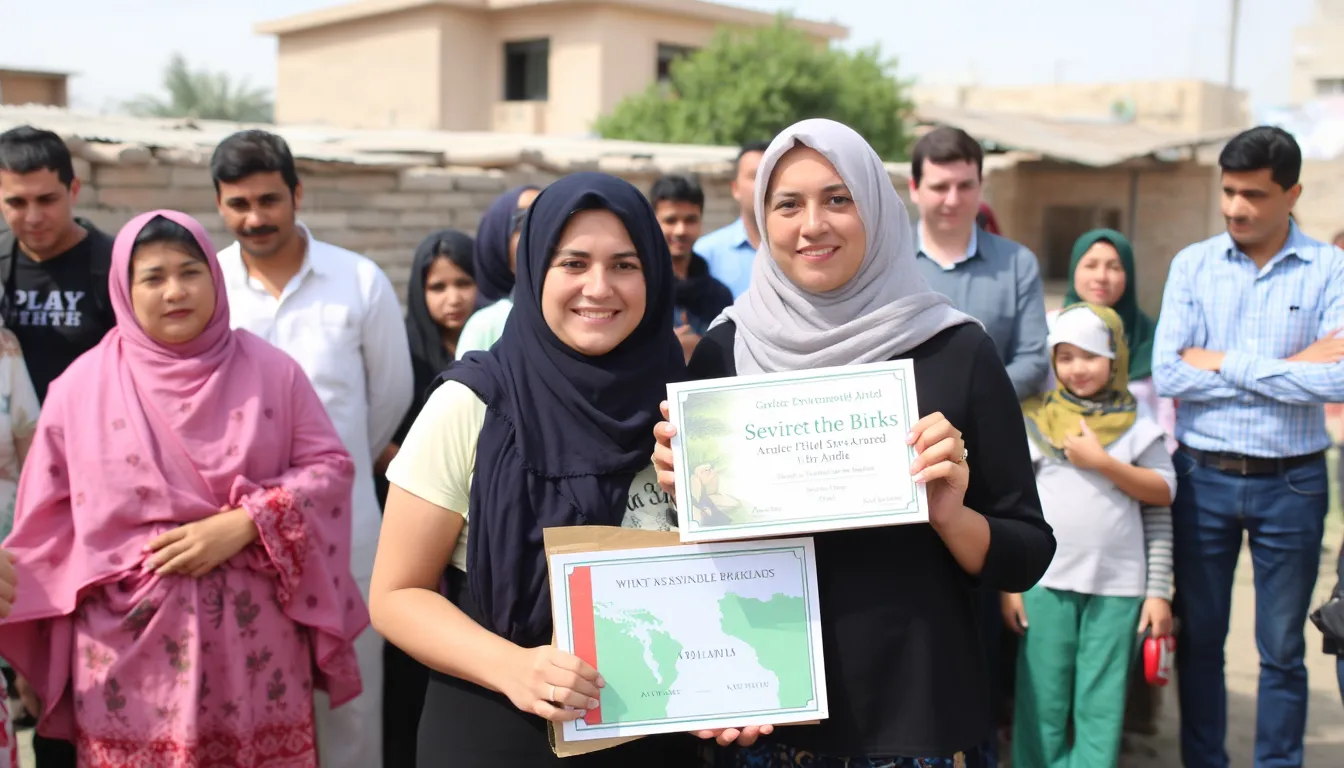
The sisters, who have not been named in reports, launched their initiative in early 2023 amid ongoing challenges in Gaza, where limited resources and frequent destruction have made traditional building methods unsustainable. Their bricks, made from crushed concrete and other materials, provide a cost-effective alternative for reconstruction efforts, enabling local families to rebuild their homes more sustainably. For similar inspiring stories, check out our article on influential women in Nashville entertainment.
This initiative comes at a crucial time, as the region continues to recover from the significant damage inflicted during recent conflicts. With thousands of homes destroyed, the need for innovative solutions in construction has never been more urgent. The sisters’ work has not only garnered attention locally but has also attracted interest from international organizations focused on sustainable development.
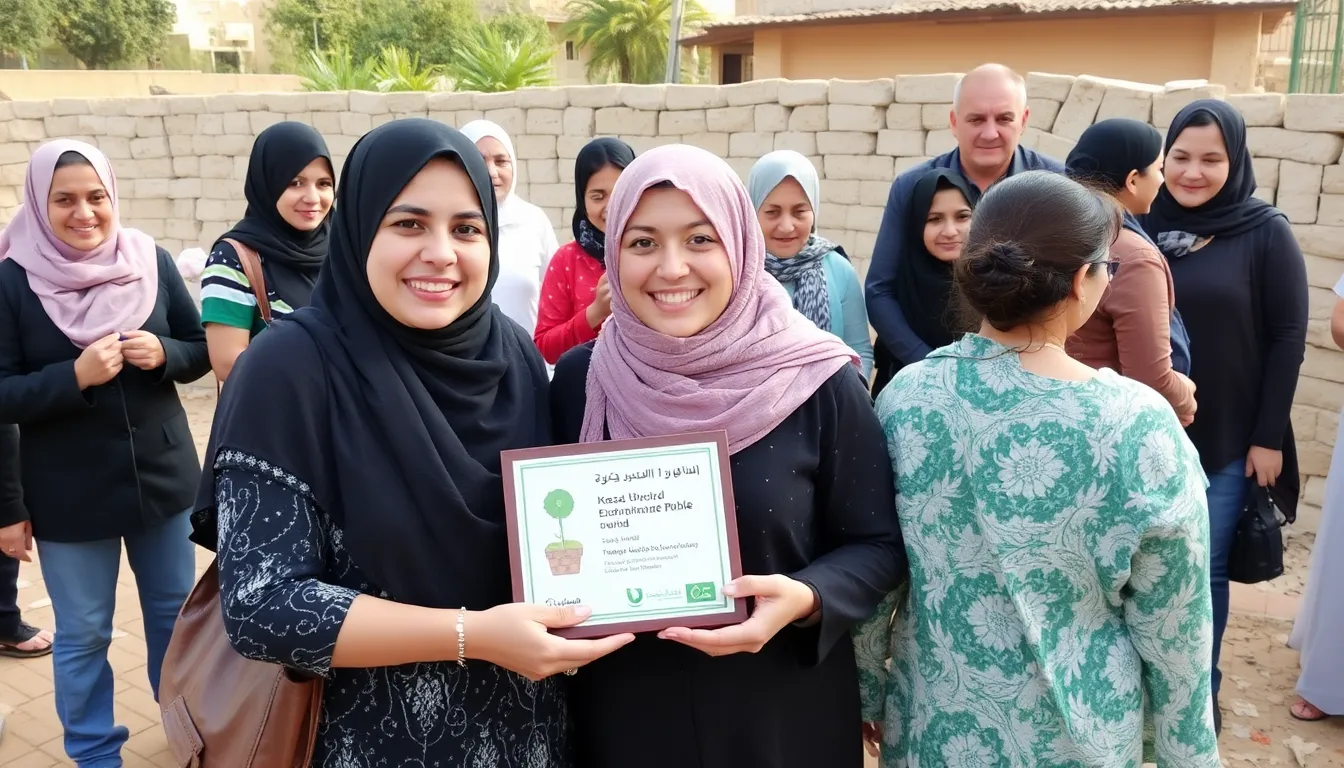
By winning a prestigious environmental award in October 2023, the sisters have highlighted the potential for grassroots initiatives to create meaningful change. Their project serves as a reminder of the importance of sustainability in rebuilding efforts, urging policymakers and communities to consider environmentally friendly practices in future construction projects.
Understanding the background of Gaza’s rebuilding efforts
The Gaza Strip has faced a series of devastating conflicts over the past several decades, leading to significant destruction of infrastructure and housing. The region’s political landscape is characterized by a long-standing struggle between Israel and Palestinian groups, particularly Hamas, which has governed Gaza since 2007. This ongoing conflict has resulted in numerous military operations, blockades, and restrictions that have severely hampered economic development and reconstruction efforts.
The most recent escalation in violence occurred in May 2021, when an 11-day conflict resulted in extensive damage to homes, schools, and hospitals in Gaza. The destruction left thousands of families displaced and in dire need of shelter and basic necessities. International humanitarian organizations have often pointed out that rebuilding efforts are complicated not only by the physical destruction but also by political divisions and the limited access to materials due to the blockade imposed by Israel.
The Rise of Innovative Solutions
In response to these challenges, local initiatives have emerged, showcasing resilience and creativity among Gazans. The sisters who recently won a prize for their innovative approach to turning rubble into reusable bricks symbolize this spirit. Their work reflects a growing trend of using local resources to address immediate needs while promoting sustainable practices. This type of ingenuity is essential in a region where traditional construction materials are scarce, and the need for rebuilding is urgent, much like the focus seen in the opening of a women-only mental health crisis house.
Historically, similar grassroots efforts have emerged in the wake of conflicts in other regions, where communities have had to adapt to their circumstances. The success of these initiatives often hinges on local knowledge, community involvement, and the ability to innovate under pressure. As Gaza continues to navigate the complexities of rebuilding, such initiatives may play a critical role in not only restoring physical structures but also fostering a sense of hope and agency among its residents.
Key stakeholders and the significance of the sisters’ innovation
The innovative work of the sisters from Gaza, who have developed a method for transforming rubble into reusable bricks, highlights a convergence of interests among various stakeholders. These include local communities, environmental organizations, governmental bodies, and international aid agencies. Each of these actors plays a crucial role in the broader context of reconstruction and sustainability in conflict-affected areas.
Local communities are primarily interested in rebuilding their homes and infrastructure in a sustainable manner. The sisters’ innovation offers a practical solution to the challenges posed by the destruction of buildings during conflicts. By utilizing available materials, they not only reduce waste but also create job opportunities and stimulate local economies.
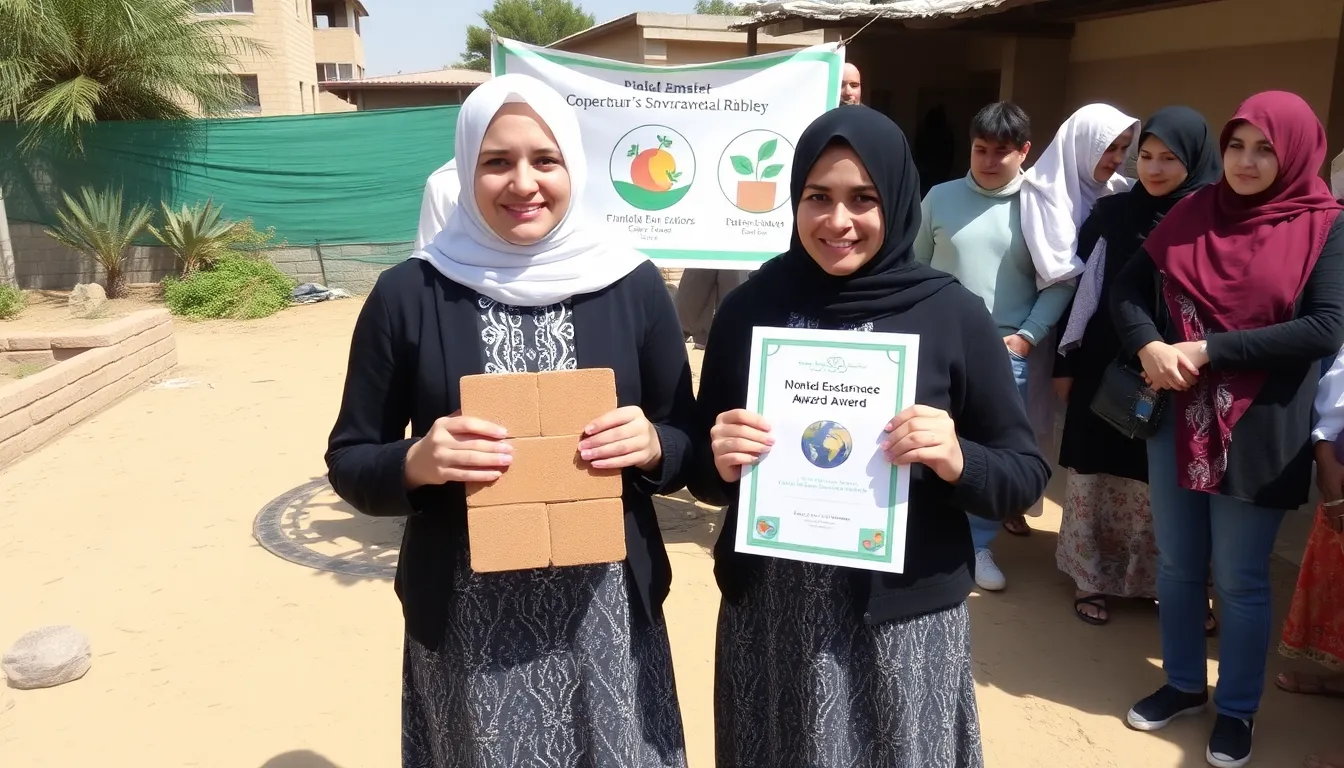
Environmental organizations are another key stakeholder, as the sisters’ project aligns with global sustainability goals. The use of recycled materials in construction helps to minimize the environmental impact associated with traditional brick-making processes. This innovation could serve as a model for similar initiatives in other conflict zones, promoting ecological responsibility in reconstruction efforts, similar to trends observed with economic shifts mentioned in articles about wholesale prices.
On the governmental front, local and national authorities have a vested interest in supporting such initiatives to foster stability and development. However, there may be conflicts regarding regulations, building codes, and the allocation of resources. These bureaucratic challenges can hinder the sisters’ ability to scale their operations and reach a wider audience.
- The potential for economic development through job creation in the local community.
- Environmental benefits associated with reduced waste and sustainable materials.
- Regulatory hurdles that may impede the sisters’ ability to expand their business.
- The need for collaboration between local authorities and innovative projects to ensure success.
- International interest in supporting grassroots initiatives that promote resilience in conflict zones.
The impact of reusable bricks on local communities and the environment
The innovative work of the Gaza sisters in creating reusable bricks from rubble has far-reaching implications for various groups and industries. Local communities, particularly those in conflict-affected areas, stand to benefit significantly from sustainable construction practices. This initiative directly addresses the urgent need for affordable building materials, providing a solution for families looking to rebuild their homes after destruction.
In the short term, the introduction of reusable bricks can lead to a notable improvement in daily life for residents. Access to these materials may facilitate the rapid reconstruction of homes, schools, and community centers, fostering a sense of stability and normalcy. Additionally, local businesses involved in construction and architecture may experience a boost as demand for these eco-friendly materials increases.
However, there are risks associated with this shift. Traditional brick manufacturers may face economic challenges as competition rises from this innovative approach. This could lead to job losses in conventional industries unless they adapt to the changing market dynamics. Furthermore, regulatory policies may need to evolve to ensure that the new construction methods meet safety and quality standards.
In the mid-term, the impact on policy could be significant. Governments and organizations may be prompted to invest more in sustainable building practices, potentially leading to incentives for using recycled materials in construction. This shift could also influence urban planning and development strategies, promoting greener, more resilient communities.
- Improved access to affordable housing for local families.
- Increased economic opportunities for local construction businesses.
- Potential job losses in traditional brick manufacturing.
- Changes in regulatory frameworks to accommodate new building practices.
- Encouragement of sustainable development policies at the governmental level.
Ultimately, while there are challenges to navigate, the potential for positive change in the community and the environment is substantial, marking a significant step forward in sustainable development efforts in Gaza and beyond.
A: The sisters were inspired by the urgent need for sustainable building materials in Gaza, where traditional resources are scarce due to ongoing conflicts. They sought to find a solution that could utilize the rubble left behind. A: Using rubble for brick-making not only reduces waste but also provides a cost-effective alternative to traditional materials. It helps in rebuilding homes while addressing environmental concerns. A: Yes, the sisters’ innovative approach has gained international attention, earning them awards and support from various organizations focused on sustainable development. A: Others can replicate the project by researching local materials, engaging with community members, and seeking partnerships with organizations that support sustainable development initiatives. A: The sisters encounter challenges such as limited funding, access to technology, and the ongoing political situation in Gaza, which affects their ability to scale the project.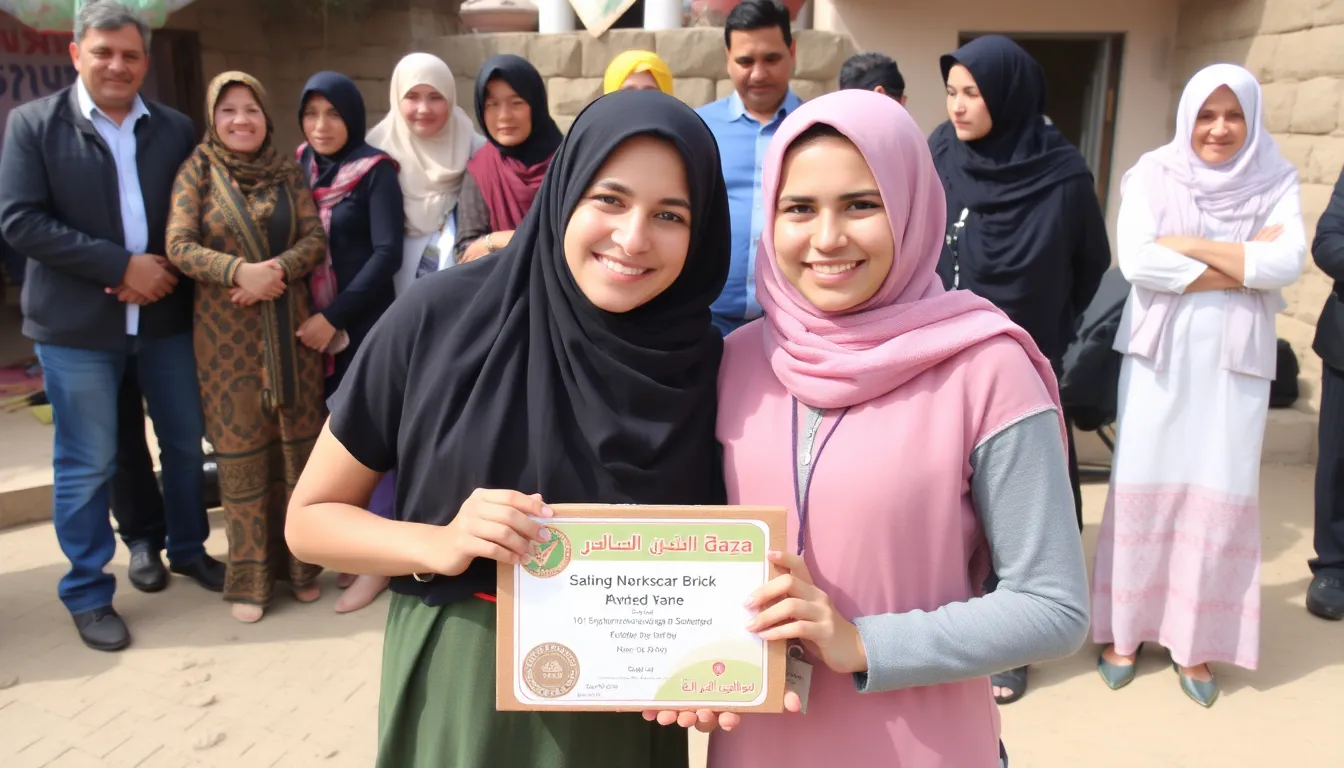
Frequently asked questions about the project and its implications
Looking ahead: the future of sustainable construction in Gaza
The innovative approach taken by the Gaza sisters in transforming rubble into reusable bricks highlights a significant shift towards sustainable construction practices in a region often plagued by conflict and destruction. Their success not only opens doors for eco-friendly building materials but also serves as a beacon of hope for local economies, showcasing how resourcefulness can emerge from adversity.
As this initiative gains attention, it could inspire further investment in sustainable technologies and practices across Gaza and similar regions. The implications for community resilience, environmental sustainability, and economic development are profound, paving the way for a more sustainable future in construction.
- Increased investment: Expect more funding directed towards sustainable construction projects, driven by the visibility of successful local initiatives.
- Community engagement: Local communities may become more involved in sustainable practices, fostering a culture of innovation and collaboration.
- Policy support: Governments and NGOs might implement policies that encourage the use of recycled materials in construction, further legitimizing these efforts.
- Scalability: The model established by the sisters could be replicated in other regions facing similar challenges, amplifying its impact beyond Gaza.
- Awareness and education: Increased awareness of sustainable building practices may lead to educational initiatives aimed at teaching these methods to future generations.