
Notably, on October 1, 2023, Chinese vessels were reported to have crossed into waters claimed by Japan near the Senkaku Islands, an area that has long been a source of contention between the two nations. These incursions have not only heightened military tensions but also disrupted fishing activities, impacting local economies and livelihoods in Japan. The Japanese government has condemned these actions, calling them a violation of its sovereignty.
In response, Japan’s Prime Minister, Sanae Takaichi, is under increasing pressure to take a firmer stance against China. Critics argue that a lack of decisive action could embolden Beijing further, potentially leading to more aggressive maneuvers in the region. Takaichi’s administration faces a delicate balancing act: maintaining diplomatic relations while ensuring national security and public support.
The situation is further complicated by China’s broader geopolitical ambitions, which include strengthening its influence in the Asia-Pacific region. As Japan navigates this challenging landscape, the international community is closely monitoring the developments, aware that the outcomes could have significant implications for regional stability and security.
Understanding the historical tensions between China and Japan
The relationship between China and Japan has been marked by a complex tapestry of historical grievances, territorial disputes, and economic rivalry. The roots of these tensions can be traced back to the late 19th and early 20th centuries, when Japan’s imperial ambitions led to the colonization of parts of China. The First Sino-Japanese War (1894-1895) resulted in Japan’s victory and the Treaty of Shimonoseki, which ceded Taiwan and recognized Japan’s influence over Korea, deepening resentment in China.
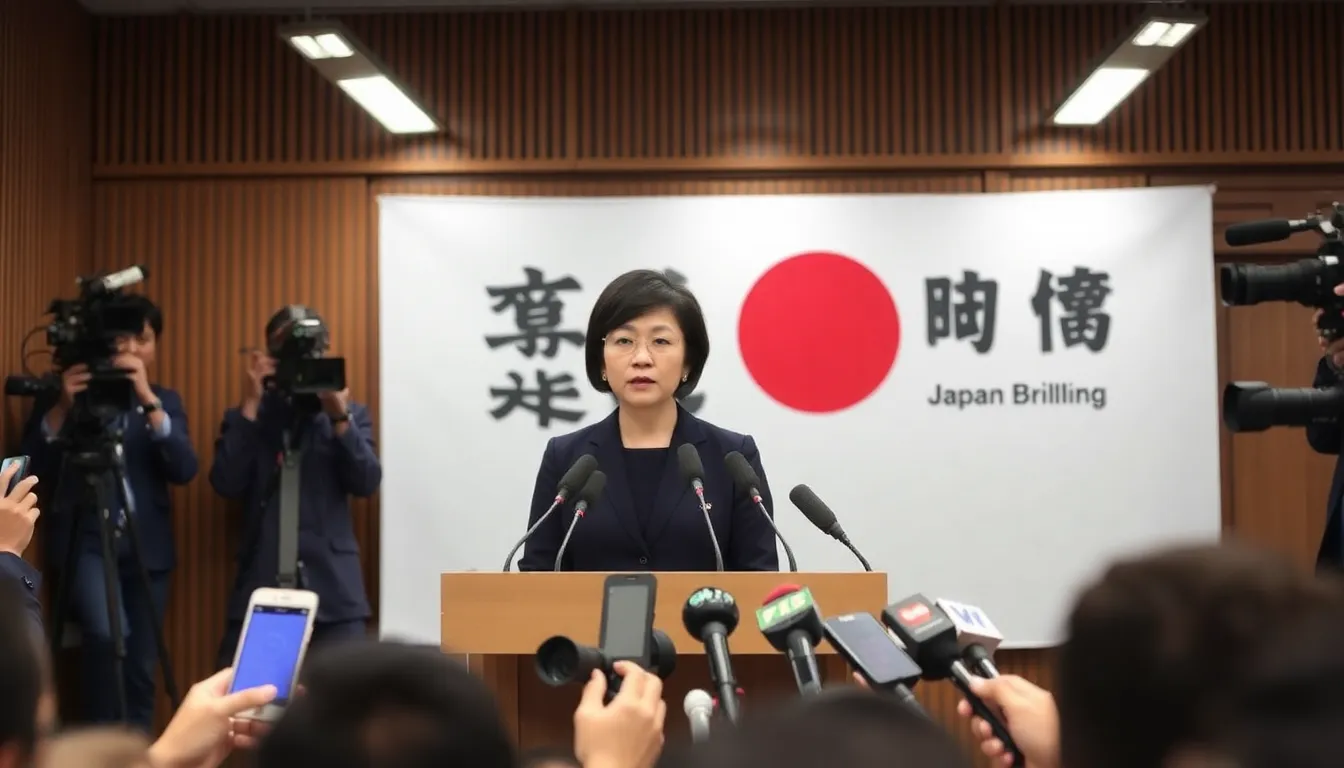
Following World War II, Japan’s militaristic past left a lasting scar on China, particularly due to the atrocities committed during the Second Sino-Japanese War (1937-1945). Events such as the Nanjing Massacre have become symbolic of the suffering endured by the Chinese people. Despite Japan’s post-war pacifism and efforts to reconcile, historical memory remains a contentious issue, with disputes over historical narratives and the portrayal of wartime actions continuing to fuel animosity.
The Economic Dimension
In recent decades, the economic relationship between China and Japan has evolved dramatically, with China becoming Japan’s largest trading partner. However, this economic interdependence has not alleviated political tensions. Issues such as trade imbalances, technology competition, and Japan’s concerns over China’s rising military assertiveness in the region exacerbate the situation. The ongoing trade disputes and tariffs have also led to a precarious balance where economic ties are often overshadowed by political strife.
Furthermore, territorial disputes, particularly over the Senkaku/Diaoyu Islands, have sparked diplomatic confrontations. The islands, administered by Japan but claimed by China, have become a flashpoint for nationalist sentiments in both countries. Incidents involving fishing rights and military maneuvers in the surrounding waters have heightened tensions, making it clear that the historical grievances are intertwined with contemporary geopolitical strategies.
As Prime Minister Takaichi faces these challenges, the question remains whether he will adopt a conciliatory approach or stand firm against perceived aggressions from China. The historical context of these tensions serves as a reminder of the delicate balance that must be maintained in navigating this fraught relationship.
Key stakeholders and their interests in this geopolitical conflict
The ongoing tensions between China and Japan have drawn the attention of various stakeholders, each with their own interests and objectives. At the forefront are the governments of China and Japan, which are navigating a complex landscape of historical grievances, territorial disputes, and economic competition. The actions taken by these governments not only impact bilateral relations but also have broader implications for regional stability in East Asia.
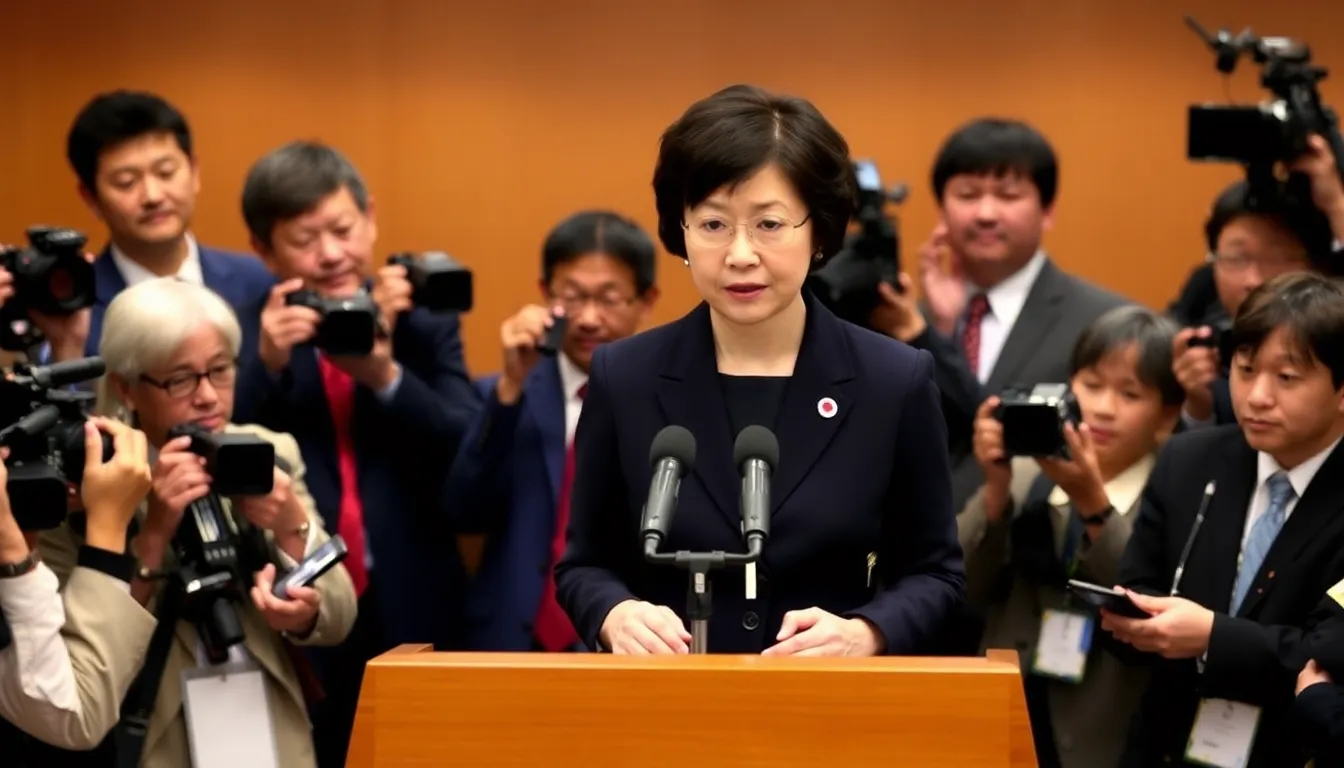
China, under the leadership of President Xi Jinping, aims to assert its influence in the region while challenging Japan’s historical narratives and territorial claims. The Chinese government is particularly interested in securing its maritime interests in the East China Sea, which includes contested areas such as the Senkaku Islands. Additionally, China seeks to strengthen its economic ties with other nations, positioning itself as a leader in regional trade.
On the other hand, Japan, led by Prime Minister Takaichi, is focused on maintaining its sovereignty and economic interests. Japan’s government is concerned about the potential for Chinese expansionism to threaten its national security and economic stability. The recent trade tensions and diplomatic spats have heightened Japan’s need to bolster its defense capabilities and seek alliances with other countries, particularly the United States.
Key issues in this geopolitical conflict include:
- Trade Relations: The economic interdependence between China and Japan complicates their relationship, as both nations rely on each other for trade while also competing in various sectors.
- Security Alliances: Japan’s strengthening of security ties with the U.S. and other regional partners may provoke further responses from China, escalating tensions.
- Historical Grievances: The legacy of World War II continues to influence public sentiment and diplomatic discourse, complicating reconciliation efforts.
- Maritime Disputes: Ongoing territorial disputes in the East China Sea are a flashpoint for conflict, with both nations asserting their claims over strategic waters.
- Domestic Pressures: Both leaders face domestic pressures that may influence their foreign policy decisions, including public opinion and economic conditions.
Understanding these stakeholders and the underlying issues is crucial for grasping the complexities of this geopolitical conflict. The interplay between national interests, historical context, and economic dependencies shapes the actions and reactions of both nations as they navigate this challenging landscape.
The implications for Japan’s economy and regional stability
The ongoing tensions between China and Japan have far-reaching consequences for various sectors within Japan. Industries heavily reliant on trade with China, such as electronics, automotive, and machinery, are particularly vulnerable. As China imposes tariffs and trade restrictions, Japanese manufacturers may face increased costs and diminished market access, impacting their bottom lines.
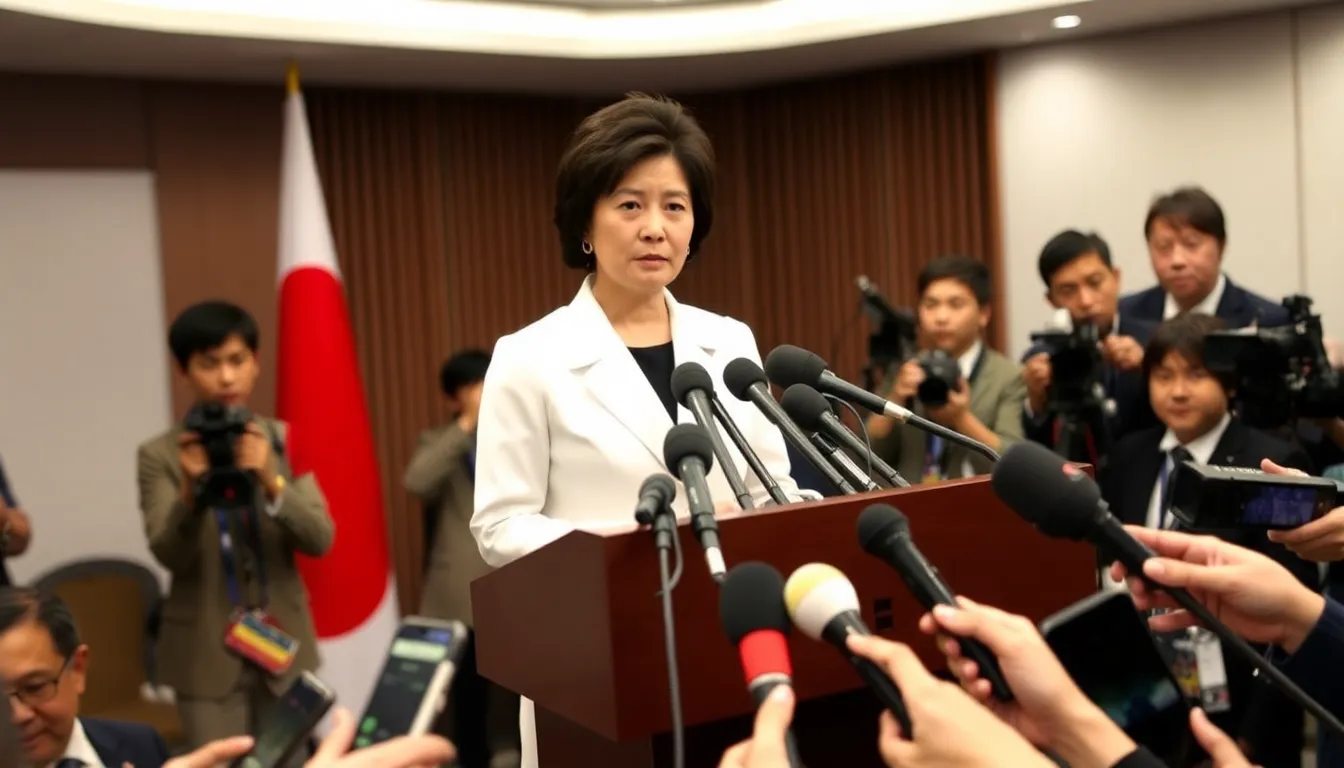
Regions in Japan that depend on exports to China, such as Aichi and Osaka, are likely to experience significant economic strain. The short-term effects may include job losses, reduced consumer spending, and a decline in local businesses that cater to affected industries. In the mid-term, this could lead to a broader economic slowdown, affecting everything from infrastructure projects to public services.
Moreover, the political landscape is also at risk. Prime Minister Takaichi’s response to China’s actions will be closely scrutinized, potentially influencing domestic policies and international relations. Should he choose to escalate tensions, it could result in further economic isolation for Japan, while a conciliatory approach may invite criticism from nationalist factions within the country.
- Short-term risks: Job losses in export-driven sectors, increased costs for consumers.
- Mid-term risks: Economic slowdown, strain on public services and infrastructure.
- Potential opportunities: Diversification of trade partnerships, investment in domestic industries.
On the flip side, the current situation may present opportunities for Japan to diversify its trade relationships. By seeking new markets and investing in local industries, Japan could reduce its dependency on China, fostering a more resilient economy. This shift may also encourage innovation and growth in sectors previously overshadowed by Chinese competition.
A: China has implemented trade restrictions and increased military presence in disputed areas, heightening tensions with Japan. A: PM Takaichi has expressed a commitment to defending Japan’s interests but faces pressure to negotiate with China. A: The trade restrictions could lead to significant economic losses for Japan, particularly in key industries like technology and agriculture. A: Increased military activities by China may destabilize the region, prompting concerns among neighboring countries and allies. A: Historical grievances from World War II and territorial disputes have long fueled animosity between China and Japan.
Frequently Asked Questions about China and Japan relations
Looking ahead: potential outcomes for Japan and PM Takaichi
The ongoing tensions between China and Japan are likely to shape the geopolitical landscape in East Asia for the foreseeable future. As PM Takaichi navigates these challenges, the pressure from China could compel Japan to reassess its diplomatic and economic strategies. The implications of these decisions will not only affect Japan’s relationship with China but also its standing within the broader international community.
Monitoring the responses from both governments will provide critical insights into how this situation may evolve. Key factors to observe include economic sanctions, military posturing, and potential alliances that could emerge as both nations seek to assert their influence in the region.
- Watch for shifts in Japan’s trade policies as a response to Chinese actions.
- Monitor the potential for increased military cooperation between Japan and allied nations.
- Consider the impact of public opinion in Japan on PM Takaichi’s decision-making process.
- Evaluate the role of international organizations in mediating tensions between China and Japan.
- Keep an eye on the economic repercussions for both countries, particularly in key industries.