
The transport of these antelopes, which took place on October 15, 2023, involved meticulous planning and coordination between conservation organizations in both countries. The initiative was spearheaded by the Czech Republic’s Dvůr Králové Zoo, which has been breeding the species in captivity for over three decades, and the Kenyan government, which is committed to restoring biodiversity in its national parks.
The initiative was spearheaded by the Czech Republic’s Dvůr Králové Zoo, which has been breeding the species in captivity for over three decades, and the Kenyan government, which is committed to restoring biodiversity in its national parks.
With only a few hundred Scimitar-horned oryx remaining in captivity worldwide, this event underscores the urgent need for international collaboration in wildlife conservation. The successful reintroduction of these antelopes is expected to enhance genetic diversity and promote ecological balance in the region.
Understanding the background of antelope conservation efforts
This historic homecoming is not only a testament to the collaborative efforts of various organizations but also highlights the ongoing challenges faced by wildlife conservationists globally, such as those detailed in a recent report.
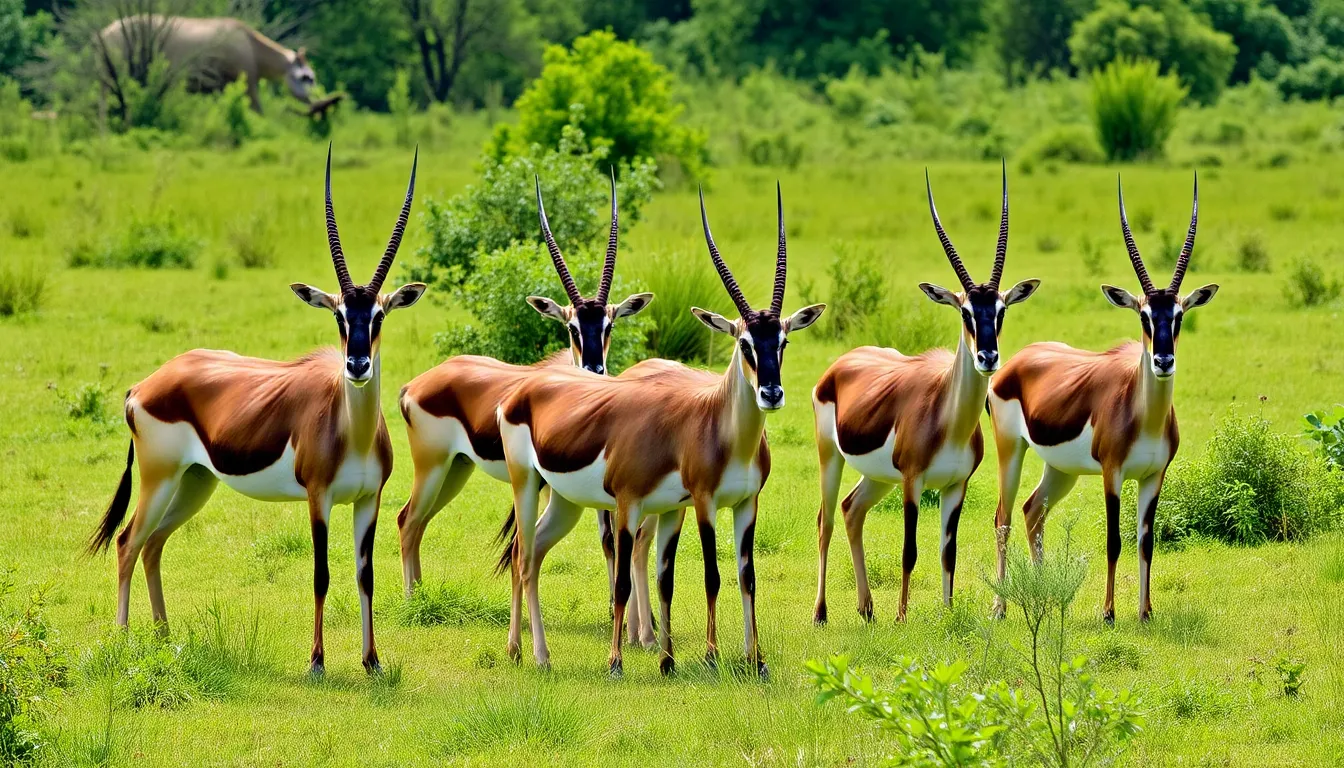
Historically, antelopes have been a vital part of Africa’s ecosystem, contributing to biodiversity and supporting the livelihoods of local communities. However, factors such as habitat loss, poaching, and climate change have led to significant declines in their populations. The decline of species such as the Scimitar-horned oryx and the Addax prompted international conservation efforts, with countries and organizations working together to create breeding programs and reintroduction plans.
The Role of International Collaboration
Previous similar initiatives have seen success, such as the reintroduction of the Arabian oryx in Oman, which was once extinct in the wild but has since seen population recovery through concerted conservation efforts.
Economic factors also play a crucial role in wildlife conservation. The tourism industry in Kenya heavily relies on its rich biodiversity, and protecting endangered species can enhance the country’s appeal as a travel destination. This interdependence between conservation and economic viability underscores the importance of sustainable practices that benefit both wildlife and local communities.
As the world continues to grapple with environmental challenges, the successful return of these antelopes to their native habitat serves as a hopeful reminder of what can be achieved through dedication and cooperation. It is a landmark event that not only aims to restore ecological balance but also fosters a renewed commitment to the protection of endangered species worldwide.
Key stakeholders involved in the antelope relocation
The relocation of endangered antelopes from the Czech Republic to Kenya involves a diverse array of stakeholders, each with distinct interests and motivations. Key actors include governmental organizations, conservation groups, and local communities. Understanding their roles is crucial for comprehending the broader implications of this significant event.
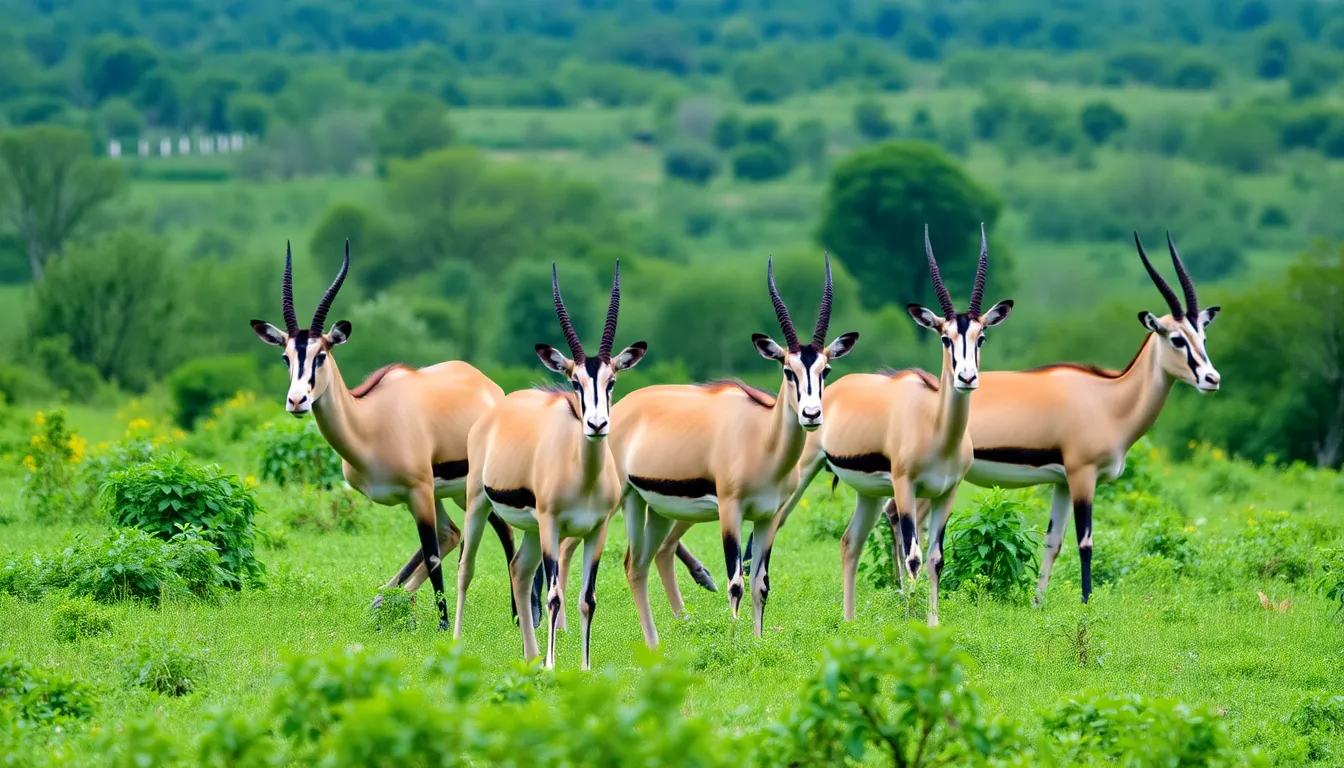
One of the primary stakeholders is the Kenyan government, which aims to bolster its wildlife conservation efforts and enhance biodiversity within its national parks. By reintroducing these endangered species, the government hopes to attract eco-tourism, thereby generating revenue and fostering economic growth. However, this initiative also raises concerns about the potential impact on existing ecosystems and local wildlife.
Another critical player is the Czech Republic’s government and its conservation organizations, which facilitated the relocation. Their interest lies in demonstrating successful international conservation efforts and enhancing their reputation in global wildlife management. This initiative may also serve to strengthen diplomatic ties between the two nations, but it necessitates careful consideration of the logistical challenges and costs involved.
- Conservation Groups: Various NGOs are actively involved in the planning and execution of the relocation, advocating for the protection of endangered species and the preservation of natural habitats.
- Local Communities: The interests of local populations are paramount, as they may benefit from eco-tourism but could also face challenges related to land use and resource competition.
- International Organizations: Entities like the International Union for Conservation of Nature (IUCN) play a role in setting guidelines for species relocation and ensuring compliance with international conservation standards.
Conflicts may arise between conservation goals and the socio-economic needs of local communities. The introduction of new antelope populations can lead to competition for resources, potentially impacting livestock and agriculture. Moreover, there are legal considerations regarding wildlife protection laws and international treaties that govern species relocation, which must be navigated carefully to avoid violations.
In summary, the successful relocation of endangered antelopes involves balancing the interests of various stakeholders while addressing the potential conflicts and trade-offs that may arise. The interplay between conservation efforts, economic development, and community needs will be crucial as this historic homecoming unfolds.
The impact of the relocation on local ecosystems and communities
The relocation of endangered antelopes from the Czech Republic to Kenya marks a significant event for both local ecosystems and communities. This initiative primarily affects wildlife conservation groups, local farmers, and tourism industries. The successful introduction of these antelopes can enhance biodiversity, which is crucial for maintaining ecological balance in the region.
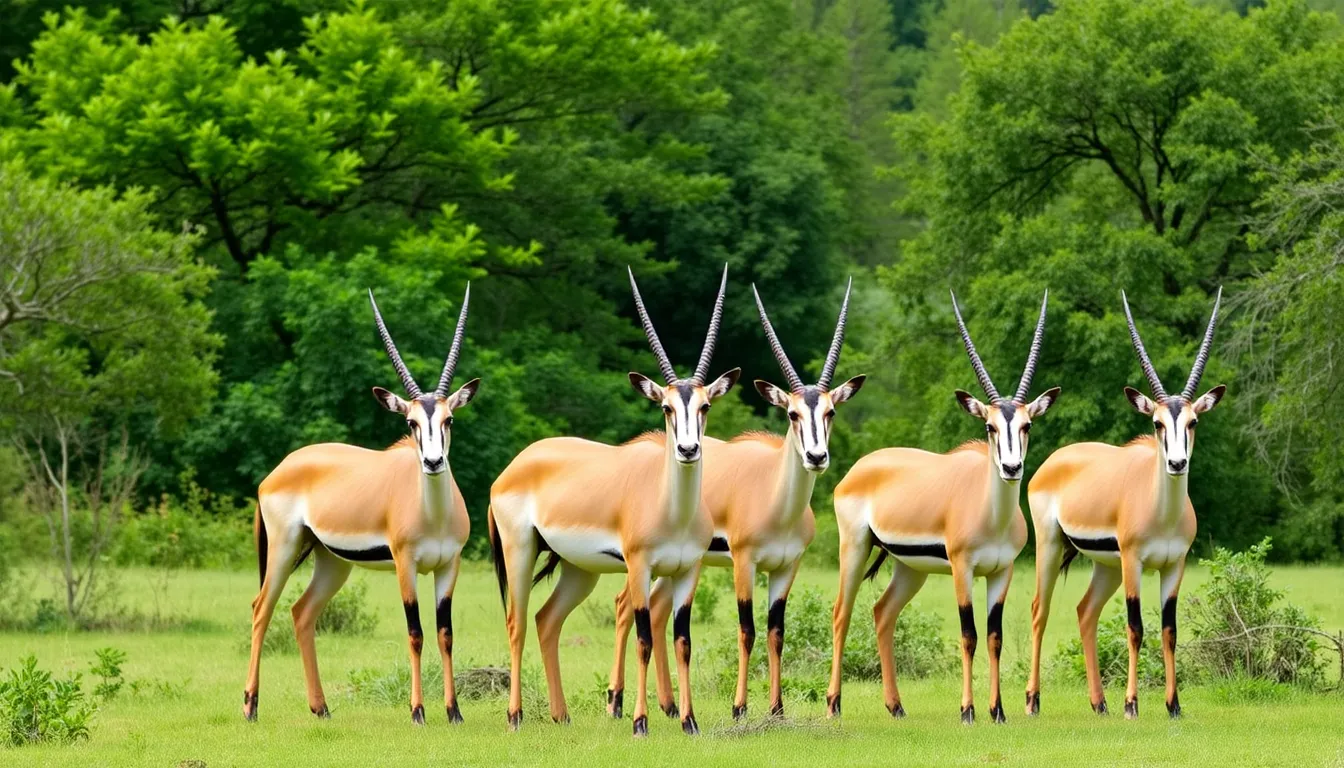
In the short term, local communities may experience a boost in eco-tourism as visitors flock to see the newly introduced species. This influx can lead to increased business for local hotels, restaurants, and guides. However, there may also be concerns among farmers regarding potential competition for grazing land and resources, which could lead to conflicts between wildlife conservation efforts and agricultural activities.
Mid-term effects might include changes in local policy as authorities seek to balance conservation efforts with agricultural needs. Policies may be developed to promote coexistence between wildlife and farming, potentially leading to new funding opportunities for sustainable agricultural practices. This could also encourage local communities to engage more actively in conservation efforts, fostering a sense of ownership and responsibility towards the environment.
- Opportunities: Increased eco-tourism revenue, job creation in conservation and hospitality sectors.
- Risks: Potential land-use conflicts, increased human-wildlife interactions leading to crop damage.
- Policy Changes: New regulations promoting sustainable practices and wildlife protection.
Ultimately, the relocation of these antelopes not only aims to preserve an endangered species but also provides a platform for economic growth and community engagement in conservation efforts. Balancing these interests will be crucial to the long-term success of this initiative.
A: The antelopes were relocated as part of a conservation initiative aimed at increasing their population in their native habitat in Kenya. A: A total of 20 endangered antelopes were successfully transported to Kenya as part of this historic homecoming. A: The relocation involved the critically endangered Scimitar-horned oryx, which has been extinct in the wild for decades. A: Wildlife experts are closely monitoring the antelopes and providing necessary support to help them acclimate to their natural habitat. A: The return of these antelopes is expected to boost ecotourism, providing economic benefits to local communities through wildlife conservation efforts.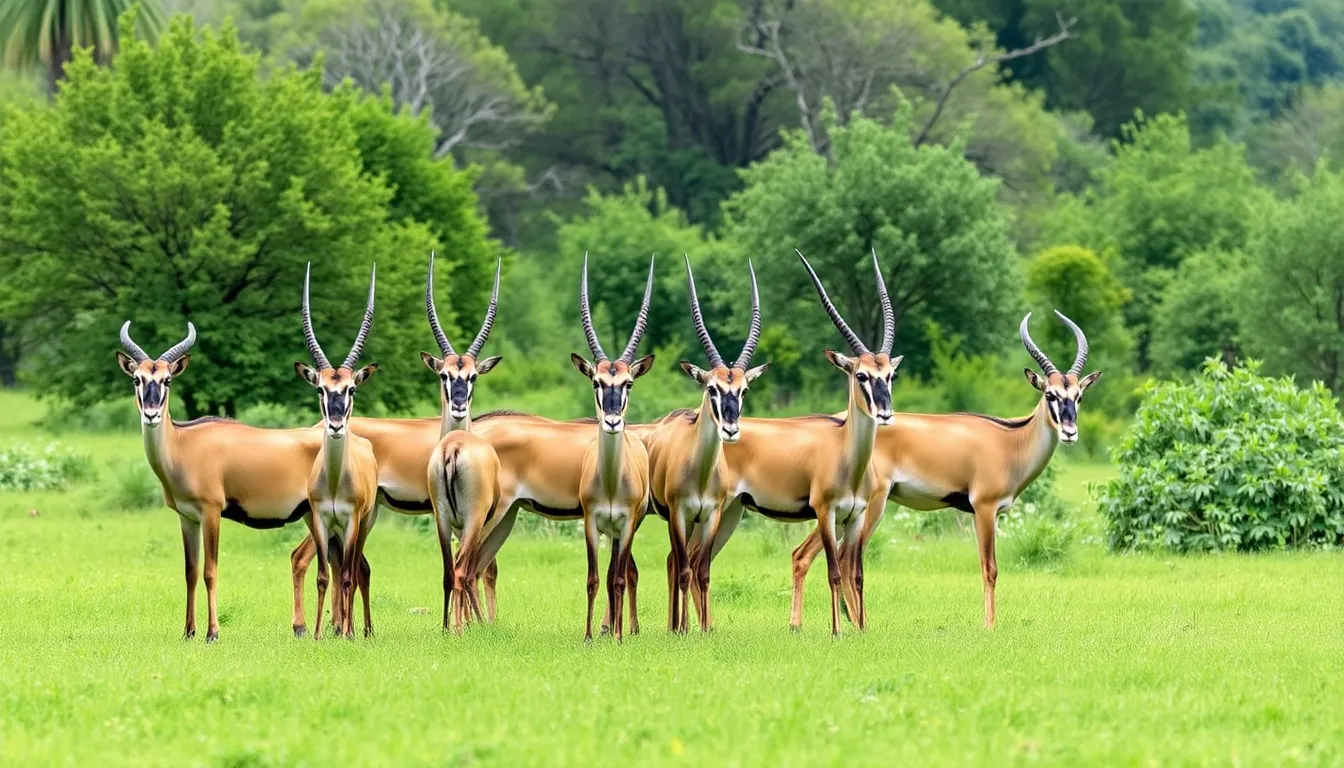
Frequently asked questions about the antelope relocation
Looking ahead: The future of the relocated antelopes
The successful relocation of endangered antelopes from the Czech Republic to Kenya marks a significant step in conservation efforts. This historic homecoming not only provides a new habitat for the species but also highlights the importance of international collaboration in wildlife preservation. As these antelopes adapt to their new environment, their survival will depend on ongoing support and monitoring from conservationists and local communities.
Furthermore, this initiative could serve as a model for future translocations of endangered species, demonstrating the potential for restoring populations in their native habitats. The implications of this project extend beyond the antelopes themselves, as it fosters a greater awareness of biodiversity conservation and the need for sustainable practices in wildlife management.
- Monitor the health and adaptation of relocated antelopes to ensure successful integration into the Kenyan ecosystem.
- Encourage community involvement and education to foster support for conservation efforts in the region.
- Evaluate the potential for similar relocation projects for other endangered species, leveraging lessons learned from this initiative.
- Promote international partnerships to enhance resources and expertise in wildlife conservation.
- Assess the long-term ecological impacts of the reintroduced antelopes on the local environment and biodiversity.