
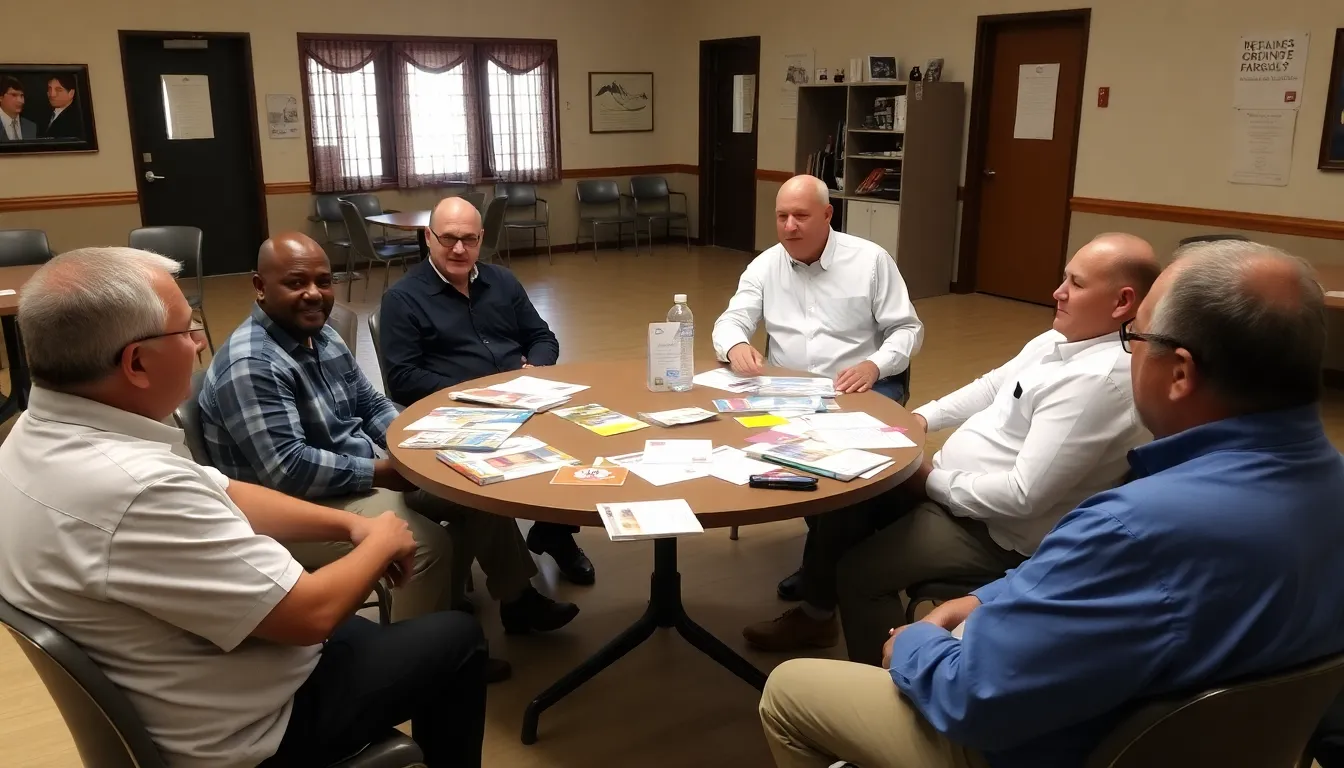
In response to this challenge, a new initiative has emerged, spearheaded by various men’s health advocacy groups. These organizations aim to address the stigma surrounding men’s health by promoting awareness and encouraging men to engage with healthcare services. The initiative includes workshops and outreach programs designed to educate men about the importance of regular health check-ups, similar to the mental health support for diabetes patients.
As of October 2023, the NHS is experiencing unprecedented demand, with waiting times for routine appointments reaching alarming levels. The men’s health initiative seeks to alleviate some of this pressure by fostering a culture of openness regarding health issues among men. By encouraging proactive health management, these groups hope to reduce the number of men presenting with advanced health conditions that require more intensive treatment.
Key stakeholders, including healthcare professionals and community leaders, have expressed support for the initiative. They emphasize that addressing men’s health issues is crucial not only for improving individual well-being but also for enhancing the overall efficiency of NHS services. The hope is that by tackling these issues head-on, the initiative will lead to a healthier male population and a more sustainable healthcare system.
Understanding the background of NHS challenges
The National Health Service (NHS) has long been a cornerstone of healthcare in the United Kingdom, providing accessible medical services to millions. However, over the years, the NHS has faced increasing pressure due to a combination of rising demand, funding constraints, and workforce shortages. These challenges have been exacerbated by demographic changes, with an aging population requiring more complex care, and a growing prevalence of chronic conditions.
Historically, the NHS was established in 1948 with the aim of providing comprehensive health services free at the point of use. While this model has been lauded globally, it has also encountered significant hurdles. The introduction of austerity measures in the early 2010s led to budget cuts that affected service delivery. This period marked a turning point, as many hospitals reported longer waiting times and reduced access to essential services.
Social Impact and Community Initiatives
In response to these mounting pressures, various community-led initiatives have emerged, aimed at alleviating the strain on NHS services. Men’s groups, in particular, have recognized the importance of mental and physical health in their communities. By promoting awareness and providing support networks, these groups aim to address issues such as isolation, mental health struggles, and lifestyle-related illnesses that often lead to increased NHS usage, much like the initiatives outlined in new insights on the beneficiaries of weight-loss jabs.
Key milestones in this journey include campaigns to destigmatize mental health issues among men, which have gained traction over the last decade. Events and workshops organized by these groups have not only fostered a sense of camaraderie but have also empowered individuals to seek help and adopt healthier lifestyles. As a result, the hope is that such initiatives will reduce the burden on NHS resources while simultaneously improving the overall well-being of participants.
As the NHS continues to navigate its challenges, the collaboration between healthcare providers and community organizations will be crucial. By understanding the historical context and the social dynamics at play, it becomes clear that innovative solutions are essential for ensuring the sustainability of healthcare services in the UK.
Key stakeholders in men’s health and NHS services
In the ongoing discourse surrounding men’s health and the pressures faced by NHS services, several key stakeholders play pivotal roles. These include men’s health advocacy groups, healthcare professionals, government bodies, and the patients themselves. Each of these actors has distinct interests and perspectives that influence the overall landscape of men’s health services.
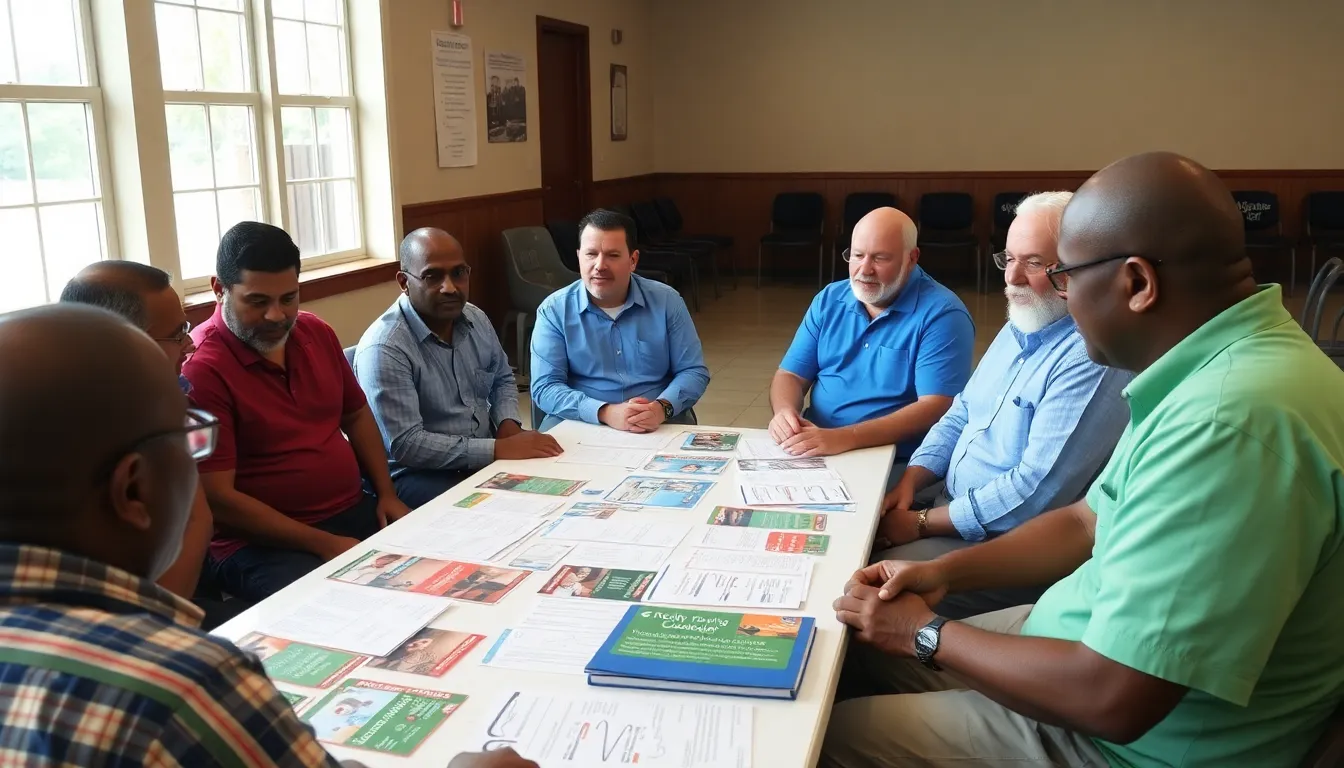
Men’s health advocacy groups, such as the Men’s Health Forum, aim to raise awareness about specific health issues affecting men, such as mental health, prostate cancer, and heart disease. Their primary interest lies in promoting better health outcomes for men through education, prevention strategies, and improved access to healthcare services. They often collaborate with NHS services to develop programs that address these concerns, which are crucial as highlighted by Australia’s initiatives on health collaboration.
Healthcare professionals, including doctors and nurses, are crucial in implementing health initiatives and directly interacting with patients. Their interests typically focus on providing quality care, reducing patient loads, and ensuring that men seek help for health issues. However, they also face challenges such as limited resources and increasing demand for services, which can lead to conflicts between patient needs and available care.
Government bodies, particularly the Department of Health and Social Care, are responsible for funding and policy-making related to NHS services. Their interests include managing budgets, addressing public health concerns, and ensuring equitable access to healthcare. Trade-offs often arise in policy decisions, such as prioritizing funding for men’s health initiatives versus other pressing health issues that affect broader populations.
- Increased demand for services: The growing awareness of men’s health issues may lead to a surge in service utilization, straining NHS resources.
- Funding allocation: Balancing budgets to support men’s health initiatives while addressing other health priorities can create tension within government agencies.
- Public perception: Stigma surrounding men’s health can deter individuals from seeking help, complicating outreach efforts by advocacy groups.
- Collaboration opportunities: Partnerships between advocacy groups and NHS services can enhance program effectiveness but require alignment of goals and resources.
The potential impact on NHS services and men’s health
The initiative by men’s groups to alleviate pressure on NHS services is poised to affect various demographics, particularly middle-aged and older men who often face unique health challenges. By targeting this specific group, the initiative aims to foster a culture of proactive health management, which could lead to significant changes in how healthcare services are utilized.
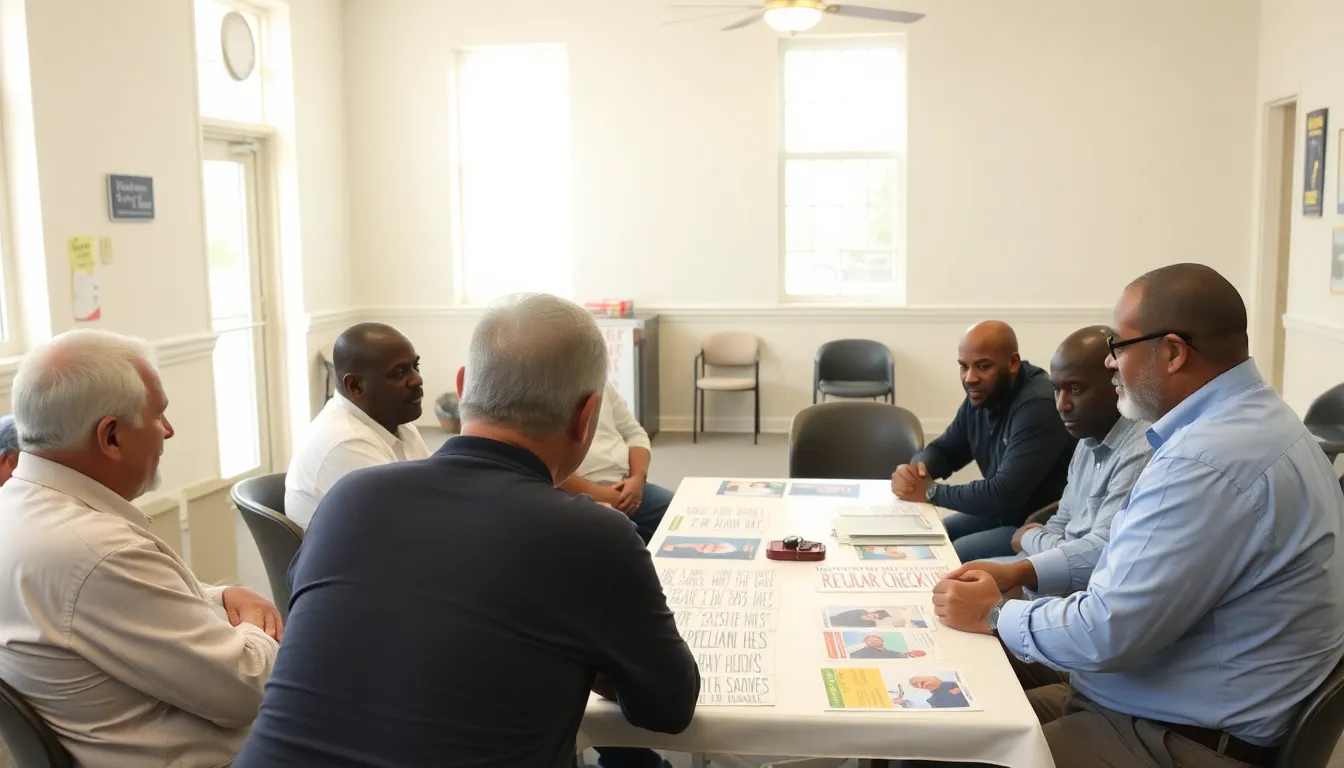
Short-term impacts may include an increase in community engagement and awareness regarding men’s health issues. This could lead to more men seeking preventative care, thereby reducing the strain on NHS services in emergency situations. Increased participation in health programs may also result in immediate improvements in mental health and well-being among participants.
In the mid-term, as more men engage with health resources, there may be a noticeable shift in healthcare policy. Policymakers could be encouraged to allocate more funding towards men’s health initiatives, creating opportunities for new programs and partnerships between health organizations and community groups. This shift could also lead to the development of tailored health services that cater specifically to men’s needs.
- Increased demand for mental health services: As awareness grows, more men may seek help for mental health issues, impacting service availability.
- Potential for reduced emergency care visits: Early intervention may lead to fewer acute health crises requiring emergency services.
- Business opportunities in health sectors: New programs may create demand for professionals in health coaching, therapy, and wellness services.
However, there are risks associated with this initiative. If not managed properly, there could be an overload of services, leading to longer wait times and potential burnout among healthcare providers. Additionally, if the initiative fails to reach its target audience, the anticipated benefits may not materialize, leaving existing disparities in men’s health unaddressed.
A: The main goal is to promote mental health and wellness among men, which can help reduce the strain on NHS services. A: The group plans to organize workshops, support groups, and awareness campaigns focused on men’s health issues. A: The group is open to all men who are interested in improving their health and supporting others in the community. A: Services such as mental health support and general healthcare are experiencing increased demand due to untreated men’s health issues. A: The community can support by participating in events, spreading awareness, and encouraging men to seek help when needed.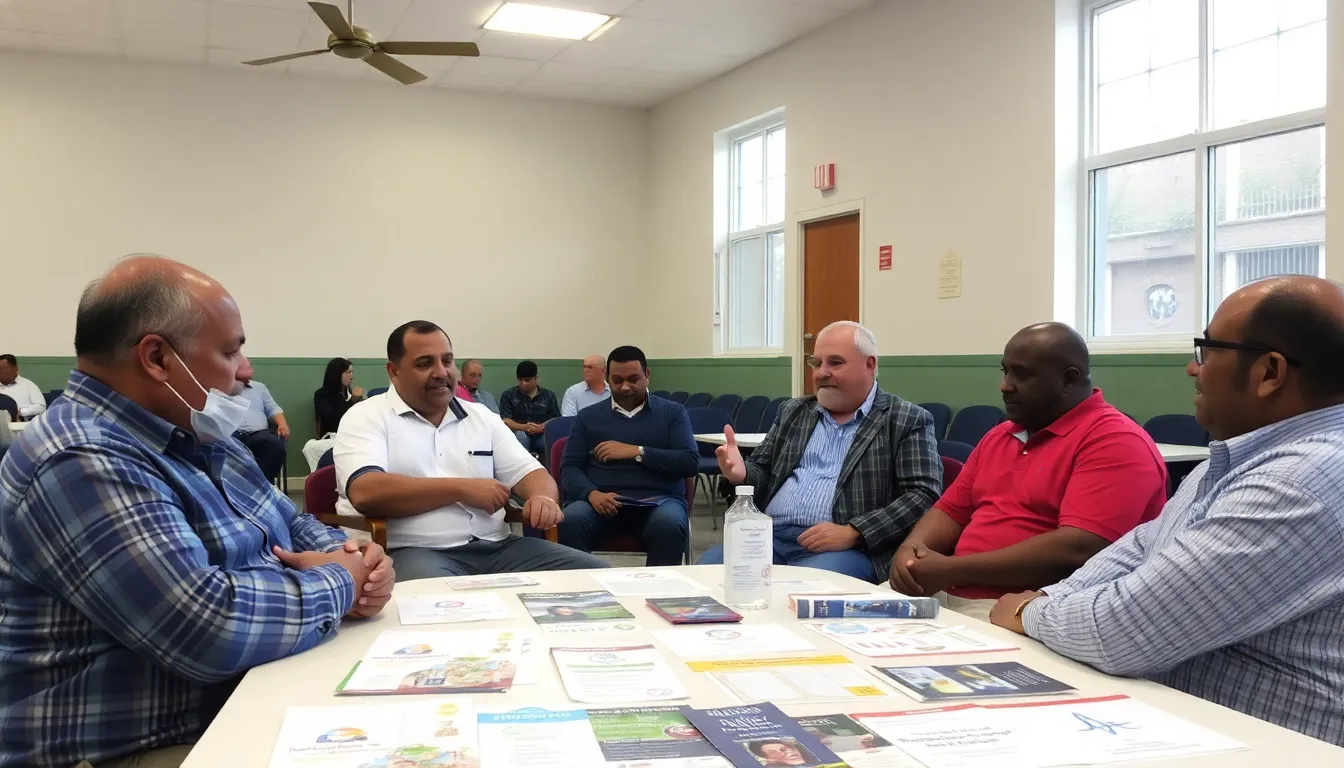
Frequently asked questions about the initiative
Looking ahead: The future of men’s health initiatives
The initiative by men’s groups to alleviate pressure on NHS services represents a significant step forward in addressing men’s health issues. By fostering open dialogue and creating supportive environments, these groups can not only improve individual well-being but also contribute to the overall efficiency of healthcare systems. As awareness of men’s mental and physical health needs grows, the potential for these initiatives to positively impact public health becomes increasingly apparent.
Moving forward, it will be essential to monitor the effectiveness of these programs and their ability to engage men from diverse backgrounds. Collaboration with healthcare professionals and community organizations will be crucial in ensuring that these initiatives are not only accessible but also tailored to meet the specific needs of different populations.
- Increased awareness of men’s health issues may lead to more proactive healthcare seeking behaviors among men.
- Successful men’s groups could serve as a model for similar initiatives targeting other underserved populations.
- Collaboration with healthcare providers will enhance the credibility and reach of these initiatives.
- Tracking the impact of these programs on NHS service utilization will provide valuable data for future health policy decisions.
- Continued engagement and feedback from participants will be vital for the evolution and sustainability of these programs.