
The decision comes in response to growing scrutiny from regulators and advocacy groups who have raised alarms about the risks associated with AI-generated explicit material. By restricting this capability, X seeks to promote a safer online environment while navigating the complex landscape of content moderation and user safety.
Users of Grok will now find that the AI tool has been modified to prevent the creation of sexually explicit images, aligning with broader industry trends aimed at curbing the proliferation of harmful content. This move reflects X’s commitment to responsible AI usage, although it has sparked debate among users about the balance between creative freedom and ethical considerations.
As the digital landscape evolves, the implications of these restrictions extend beyond X itself, influencing discussions on AI ethics and the responsibilities of tech companies in managing user-generated content.
Understanding the background of Grok and its role in content generation
In recent years, the rise of artificial intelligence (AI) has transformed the landscape of content creation, with tools like Grok emerging as significant players in this domain. Grok, developed under Elon Musk’s vision for a more open and innovative digital environment, was designed to facilitate the generation of various types of content, including text and images. This technology has been both praised for its potential and criticized for the ethical implications it raises, particularly regarding explicit content.

The decision by X, formerly known as Twitter, to restrict Grok’s ability to create explicit images stems from a broader societal concern over the proliferation of adult content online. As platforms grapple with the consequences of unregulated content generation, there has been increasing pressure from both users and regulatory bodies to implement stricter guidelines. This move is not just a reaction to public sentiment but also reflects ongoing legal and ethical debates surrounding digital content and its impact on society.
Historically, social media platforms have faced challenges in moderating user-generated content, leading to significant legal battles and policy changes. The Communications Decency Act of 1996 in the United States, which offers certain protections to online platforms, has been a crucial legal framework in these discussions. However, as technology evolves, so too do the interpretations and applications of these laws, prompting companies like X to reassess their content policies in light of new capabilities like those offered by Grok.
The Evolution of Content Moderation
Content moderation has evolved from simple keyword filters to sophisticated AI-driven systems capable of understanding context and intent. This evolution has been marked by key milestones, such as the implementation of community guidelines by major platforms and the introduction of AI tools to assist in moderation efforts. As Grok represents a leap in content generation technology, its limitations reflect the ongoing struggle to balance innovation with responsibility in the digital age.
Analyzing the implications of these restrictions for users and creators
Elon Musk’s recent decision to restrict the creation of explicit images on the platform X, formerly known as Twitter, has stirred significant debate among various stakeholders. Key actors in this scenario include users of the platform, content creators, advertisers, and regulatory bodies. Each group has distinct interests that shape their responses to these changes.
On the other hand, advertisers and businesses may welcome these restrictions, as they seek to maintain brand safety and a family-friendly image. This creates a conflict between the desires of users for creative freedom and the interests of advertisers in a sanitized environment, a topic that has been increasingly discussed in articles such as the implications of content moderation.
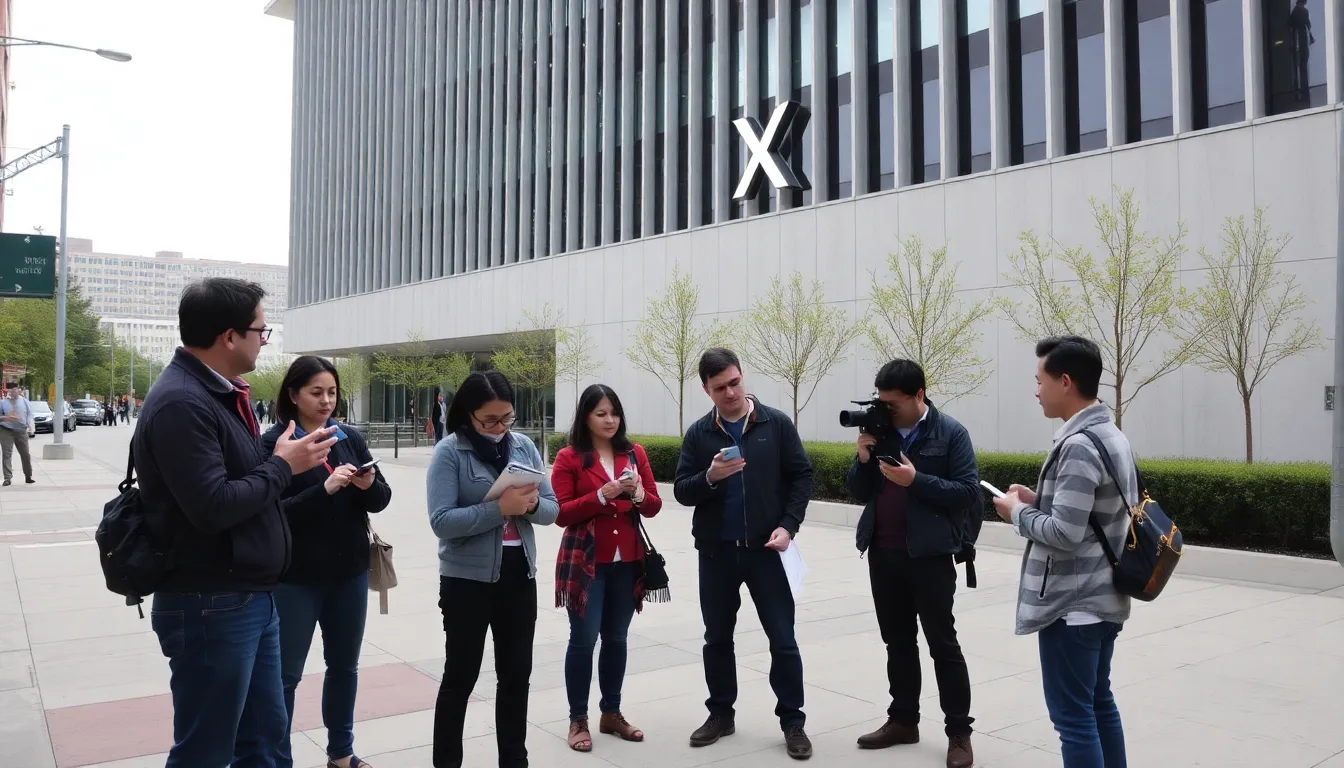
Content creators face a significant trade-off as well. Many rely on explicit content for their income, and restrictions may lead to decreased visibility and engagement. This could push creators to seek alternative platforms that allow more freedom, potentially fragmenting the adult content market. Additionally, creators may need to navigate the legal implications of these restrictions, especially if they operate in regions with varying laws regarding explicit content.
- Legal implications: The restrictions could lead to potential legal challenges, particularly regarding freedom of speech and the rights of content creators.
- Economic impact: The changes may affect the revenue streams for creators and the overall profitability of the platform.
- Market dynamics: Competitors may capitalize on X’s restrictions, attracting users and creators seeking fewer limitations.
- Community response: Users may mobilize to voice their discontent, potentially leading to backlash against the platform.
- Long-term sustainability: The balance between user interests and advertiser demands will be crucial for the platform’s future viability.
In summary, the restrictions imposed by Elon Musk on explicit content creation on X highlight the complex interplay between various stakeholders. The ongoing dialogue surrounding these changes will likely influence the platform’s direction and the broader landscape of online content sharing.
Evaluating the impact on the user community and market dynamics
The recent decision by Elon Musk’s X to restrict the ability to create explicit images with Grok has significant implications for various groups and industries. Content creators, particularly those in the adult entertainment sector, will feel the immediate effects of these restrictions. This change may hinder their ability to monetize explicit content, directly impacting their revenue streams and creative expression.
In addition to content creators, social media users and influencers who often utilize explicit imagery for engagement may find their strategies disrupted. As platforms evolve, users will need to adapt to new guidelines, potentially leading to a shift in content creation practices across the board. This shift could also affect advertising agencies that rely on explicit content to target specific demographics, thereby altering their marketing strategies.
From a broader perspective, the impact on daily life and business could manifest in several ways:

- Short-term disruption: Users may experience frustration and confusion as they navigate the new restrictions, leading to a temporary decline in platform engagement.
- Mid-term adaptation: Businesses and creators will need to innovate and find alternative ways to engage audiences, potentially leading to new content trends.
- Policy implications: This move may prompt discussions about content regulation and freedom of expression, influencing future policy decisions across social media platforms.
While there are risks associated with these restrictions, such as reduced user satisfaction and potential backlash from content creators, there may also be opportunities for growth. Platforms could see an increase in user engagement through the promotion of alternative content forms, fostering a more diverse creative environment. Additionally, this shift could lead to the emergence of new technologies or platforms that cater specifically to adult content in a compliant manner, opening doors for innovation in the industry.
A: The restrictions aim to enhance content moderation and ensure a safer environment for users. This decision reflects ongoing concerns about explicit content on social media platforms. A: Content creators may face limitations in their ability to generate explicit images, potentially impacting their creative freedom and audience engagement. A: Currently, the process for appealing these restrictions has not been clearly outlined by X, leaving many users uncertain about their options. A: Grok is a tool used on X for generating content, including images. The recent changes affect how users can utilize Grok for explicit content creation. A: Yes, many social media platforms have implemented similar content moderation policies to address explicit content, reflecting a broader industry trend.
Frequently asked questions about the new restrictions
Key takeaways and future outlook on content moderation
The recent decision by Elon Musk’s platform X to restrict the creation of explicit images using Grok marks a significant shift in the landscape of content moderation on social media. This move not only reflects growing concerns over the implications of AI-generated content but also highlights the platform’s commitment to fostering a safer online environment. As AI technologies continue to evolve, the balance between creative freedom and responsible usage will be increasingly scrutinized.
Looking ahead, stakeholders in the tech industry, including users, developers, and regulators, will need to closely monitor how these restrictions impact user engagement, the development of AI tools, and the overall discourse surrounding digital content. The implications of this policy could set precedents for other platforms navigating similar challenges.
- The restriction may lead to a decline in explicit content creation, potentially reshaping user interactions on the platform.
- Developers of AI tools will need to adapt to new guidelines, influencing the future of AI-generated content.
- Users might seek alternative platforms for explicit content, prompting a shift in user demographics across social media.
- The effectiveness of these restrictions could spark discussions on the ethics of AI in content creation and moderation.
- Regulatory scrutiny may increase as the implications of AI moderation practices come under the spotlight.