
Recent surveys indicate that over 60% of British workers are interested in taking workations, with many citing improved work-life balance as a key benefit. Major companies, including tech firms and creative agencies, are beginning to adapt their policies to support this flexible working arrangement, encouraging employees to explore new environments. For more insights on the impact of flexible work policies, visit here.
In 2023, various travel agencies and hospitality providers have reported a significant increase in bookings for accommodations that cater specifically to remote workers. Destinations such as coastal towns and countryside retreats are becoming popular choices, offering amenities like high-speed internet and dedicated workspaces.
This trend is not only reshaping the way people view work but also impacting local economies in tourist areas. As more professionals travel for work, businesses in these regions are seeing a boost in demand for services and facilities, highlighting the potential for economic growth through this evolving work model.
Understanding the concept of workations and their origins
The term ‘workation’ emerged in the early 2000s, combining the words ‘work’ and ‘vacation’ to describe a growing trend where individuals blend their professional responsibilities with leisure activities. This concept gained traction as advancements in technology made remote work increasingly feasible, allowing employees to perform their jobs from virtually anywhere in the world. The rise of the internet and mobile devices played a crucial role in enabling this shift, as it provided the necessary tools for communication and collaboration without the constraints of a traditional office environment.

Historically, the idea of working while traveling is not entirely new. In the late 20th century, professionals often took business trips that included leisure time, but these were typically short and focused on specific work-related tasks. The pandemic in 2020 accelerated the acceptance of remote work, as businesses adapted to lockdown measures. This period marked a significant turning point, leading many to reconsider their work-life balance and explore alternative lifestyles that incorporated travel.
The Impact of the Pandemic
The COVID-19 pandemic forced organizations to adopt flexible work arrangements, which opened the door for employees to work from different locations. As remote work became a norm, many began to seek out destinations that offered not only a change of scenery but also a conducive environment for productivity. This shift prompted a surge in interest for workations, as people sought to escape the confines of their homes while maintaining their job responsibilities.
As the world began to recover from the pandemic, countries like Spain, Portugal, and various Caribbean nations introduced initiatives to attract remote workers, offering special visas and incentives for those looking to combine work and leisure. This not only helped stimulate local economies but also positioned these destinations as attractive options for the burgeoning workation market. To learn more about global economic trends, check out this article.
Key stakeholders and their roles in the workation trend
The workation trend in Britain has garnered attention from various stakeholders, each with distinct interests and perspectives. Key actors include employees seeking better work-life balance, employers aiming to enhance productivity and employee satisfaction, local governments looking to boost tourism, and the hospitality industry eager to cater to this new demand.
Employees are at the forefront of the workation movement, as they seek flexible working arrangements that allow them to blend work and leisure. This demographic is primarily motivated by the desire for improved mental health and a more fulfilling lifestyle. As remote work becomes more prevalent, the appeal of working from picturesque locations is increasingly attractive.

Employers, on the other hand, view workations as a potential strategy to retain talent and increase productivity. By supporting employees in their desire for a work-life balance, companies can foster a more engaged workforce. However, they must also consider the implications for team dynamics and communication when employees are dispersed across various locations.
Local governments are keen to promote workations as a means to revitalize their economies, particularly in areas that have been hit hard by the decline in traditional tourism. By encouraging remote workers to spend extended periods in their regions, they hope to stimulate local businesses and create job opportunities. Yet, this raises questions about the sustainability of such initiatives and the potential strain on local resources. For a deeper analysis of economic impacts, consider reading this piece.
Lastly, the hospitality industry is rapidly adapting to this trend by offering tailored packages that cater to remote workers. This includes providing reliable internet access, work-friendly accommodations, and leisure activities. However, the industry must navigate challenges such as fluctuating demand and the need to balance the interests of tourists with those of local residents.
- Employees seek flexibility and improved work-life balance.
- Employers aim to enhance productivity and retain talent.
- Local governments focus on economic revitalization through tourism.
- The hospitality industry adapts offerings to cater to remote workers.
- Conflicts may arise over resource allocation and local impacts.
How workations are affecting employees and businesses
The rise of workations in Britain is impacting a diverse range of groups, including employees across various sectors, businesses looking to adapt to new work models, and regions that are becoming popular workation destinations. Employees in industries such as tech, marketing, and creative services are particularly benefiting from this trend, as their roles often allow for remote work. Additionally, hospitality and tourism sectors are seeing increased demand as more individuals seek to combine work and leisure.

In the short term, workations are reshaping daily life for many employees, offering them the flexibility to work from picturesque locations while enjoying a better work-life balance. This shift can lead to improved mental health and productivity, as employees find themselves in more inspiring environments. However, it also poses challenges for businesses in terms of maintaining communication and collaboration among remote teams.
Mid-term impacts may include changes in business policies, as companies might need to formalize workation protocols to ensure compliance with labor laws and tax regulations. This could lead to the development of new policies that support flexible working arrangements and encourage employees to take advantage of workation opportunities. Furthermore, regions that promote workations could see economic growth, as increased visitation boosts local economies.
- Opportunities: Enhanced employee satisfaction and retention rates.
- Risks: Potential for decreased team cohesion and communication challenges.
- Opportunities: Growth in local economies and tourism sectors.
- Risks: Compliance issues related to remote work regulations.
As workations continue to gain popularity, their effects will likely ripple through various sectors, prompting both opportunities and challenges that businesses and employees will need to navigate carefully. The evolving landscape of work will require adaptability and innovation to fully harness the benefits while mitigating potential drawbacks.
A: A workation is a blend of work and vacation, allowing individuals to work remotely while enjoying a change of scenery. This trend has gained traction as more people seek flexibility in their work arrangements. A: Workations can enhance work-life balance by providing a refreshing environment that boosts productivity and creativity. Employees often report feeling more motivated and less stressed when working from a new location. A: While workations offer many benefits, they can blur the lines between work and leisure, potentially leading to overwork. It’s important for individuals to set boundaries to maintain a healthy balance. A: Many companies are embracing workations by offering remote work policies and encouraging employees to take advantage of flexible locations. This approach can improve employee satisfaction and retention. A: Popular workation destinations in Britain include coastal towns, rural retreats, and vibrant cities that offer both natural beauty and modern amenities. Locations like Cornwall and the Lake District are particularly favored.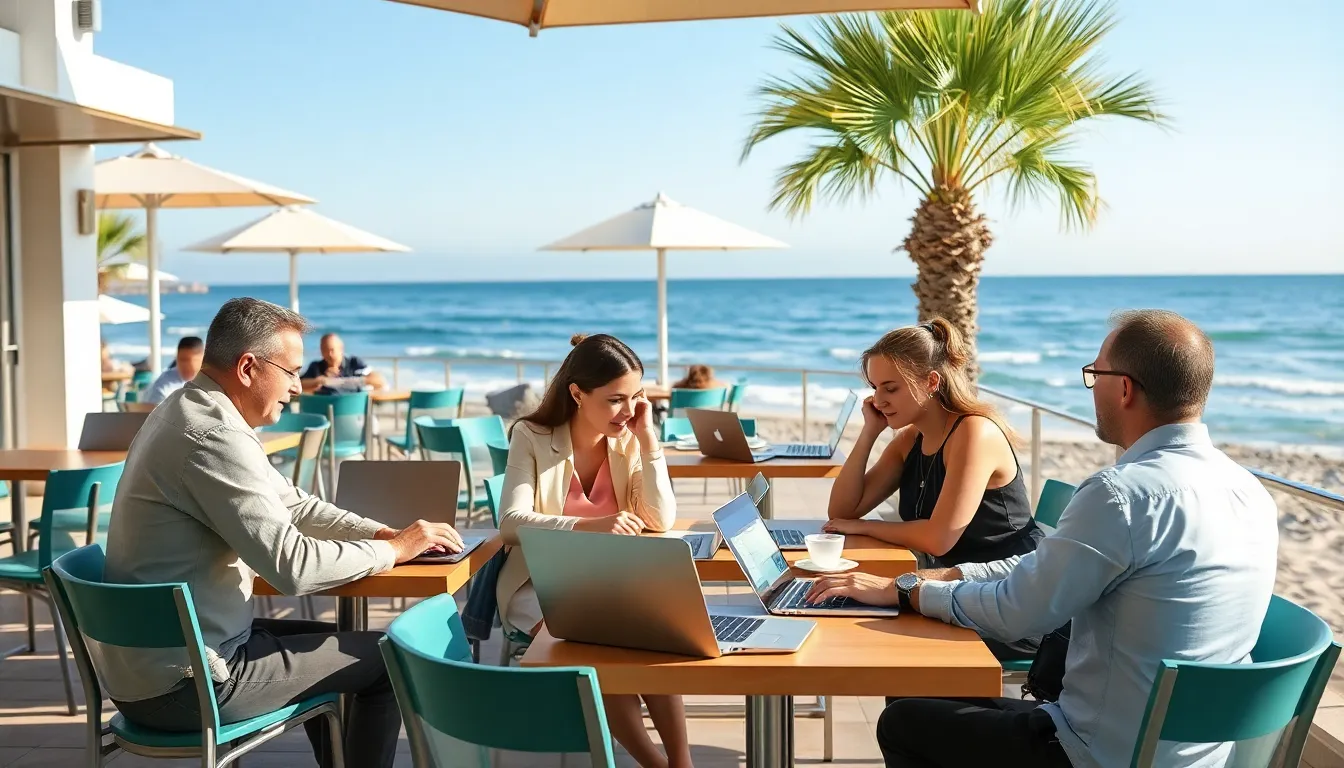
Frequently asked questions about workations
Future outlook on workations and their implications
The concept of workations is rapidly gaining traction in Britain, reflecting a significant shift in how individuals and organizations approach work-life balance. As remote work becomes more entrenched, the flexibility to combine work with leisure is likely to reshape traditional notions of productivity and employee well-being. This trend not only enhances job satisfaction but also fosters creativity and innovation, as individuals find inspiration in new environments.
Looking ahead, businesses may need to adapt their policies and infrastructure to support this evolving landscape. Companies that embrace workations could see improved employee retention and attraction, while also benefiting from a more engaged workforce. However, attention must be paid to maintaining boundaries between work and leisure to ensure that the benefits of workations are fully realized.
- Organizations should consider implementing flexible work policies that support workations, allowing employees to choose their ideal work environment.
- Investing in technology that facilitates remote collaboration will be crucial as more employees opt for workations.
- Employers may need to provide guidance on maintaining work-life boundaries to prevent burnout during workations.
- Monitoring the impact of workations on productivity and employee satisfaction will be essential for refining future strategies.
- As the trend grows, businesses may want to explore partnerships with hospitality providers to create attractive workation packages for their teams.