
Major productions, such as the revival of Chicago, which opened on Broadway in 1996 and continues to run, have played a significant role in reigniting interest in Fosse’s unique style.
Moreover, educational institutions are increasingly incorporating Fosse and Robbins’ techniques into their curriculums. Dance schools are offering specialized workshops that focus on the distinctive movements and rhythms characteristic of these choreographers. This shift aims to equip a new generation of dancers with the skills necessary to perform and appreciate these timeless styles.
The current landscape also reflects a broader cultural movement that values nostalgia and the roots of American musical theater. As audiences seek connections to the past, vintage Broadway dance serves as a bridge, allowing them to engage with the historical context of the art form. This phenomenon underscores the importance of preserving and celebrating the legacies of influential figures like Fosse and Robbins in today’s performing arts scene.
Understanding the Historical Context of Broadway Dance
Broadway dance has evolved significantly since its inception in the early 20th century, reflecting broader social, political, and economic changes in American society. The emergence of musical theater as a popular entertainment form coincided with the Roaring Twenties, a period marked by economic prosperity and cultural experimentation. This era saw the rise of influential choreographers like George Balanchine and later, Bob Fosse and Jerome Robbins, who would redefine dance on Broadway.
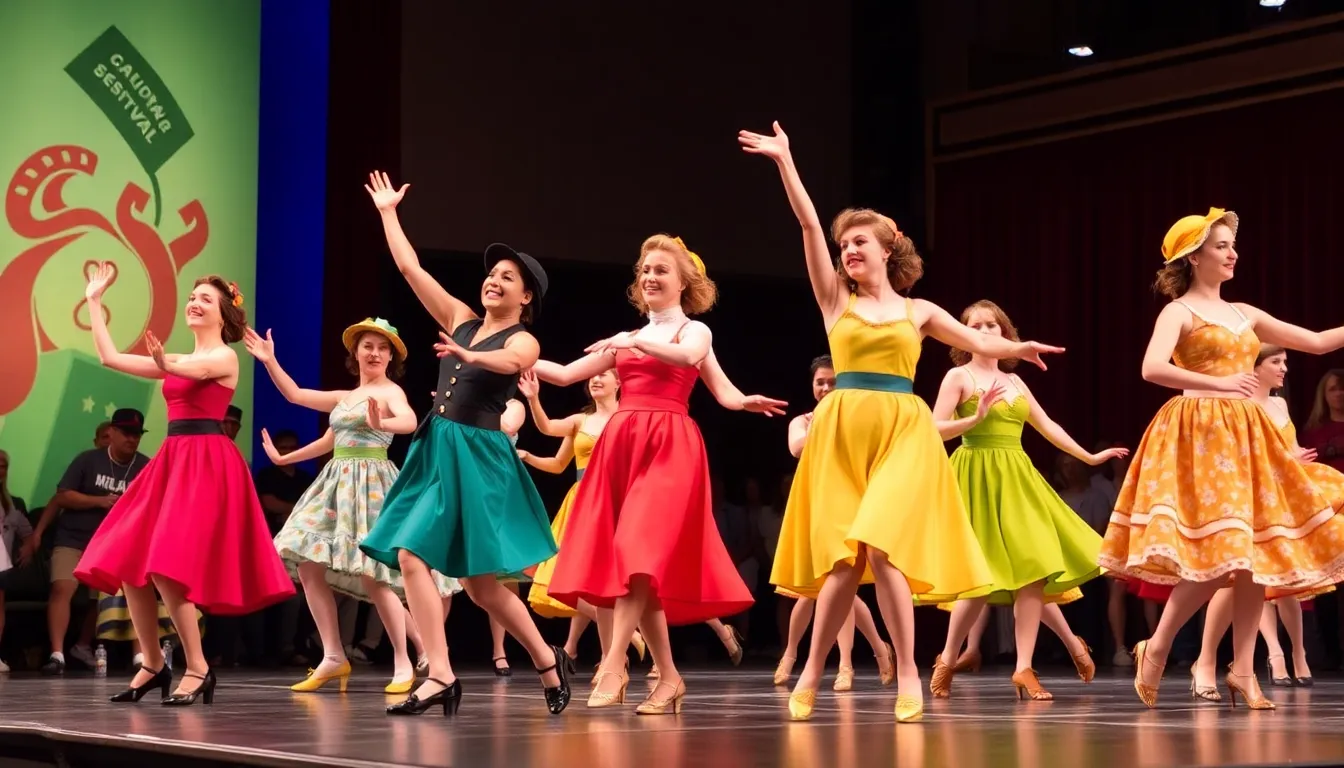
The integration of dance into storytelling became a hallmark of musicals, with choreographers using movement to express character emotions and advance plots, much like in West Side Story and Fosse’s signature style in “Chicago”.
The Impact of Social Change
As the civil rights movement gained momentum in the 1960s, Broadway dance began to reflect the changing social landscape. Choreographers started to incorporate elements from various dance styles, including jazz, ballet, and modern dance, to address themes of diversity and inclusion. This shift not only broadened the scope of dance on Broadway but also paved the way for future generations of artists, who would draw inspiration from the rich tapestry of American culture.
In recent years, there has been a resurgence of interest in the works of Fosse and Robbins, as contemporary productions seek to honor their legacies while also pushing the boundaries of Broadway dance. This renewed focus highlights the importance of preserving vintage styles while adapting them to resonate with today’s audiences. The interplay between nostalgia and innovation continues to shape the evolution of Broadway dance, making it a dynamic and ever-relevant art form.
Key Stakeholders and Issues in Vintage Dance Revival
The revival of vintage Broadway dance, particularly through the works of iconic choreographers like Bob Fosse and Jerome Robbins, involves a diverse array of stakeholders. These include theater companies, choreographers, dancers, audiences, and cultural institutions. Each of these groups has distinct interests that shape the landscape of vintage dance and its presentation in contemporary settings.
Theater companies are primarily interested in reviving classic productions to attract audiences and generate revenue. This economic motivation often leads to conflicts over the authenticity of the choreography versus the need for modern interpretations that appeal to today’s viewers. For instance, while some companies may push for a faithful recreation of Fosse’s or Robbins’ styles, others may advocate for a more contemporary twist that resonates with current cultural trends.
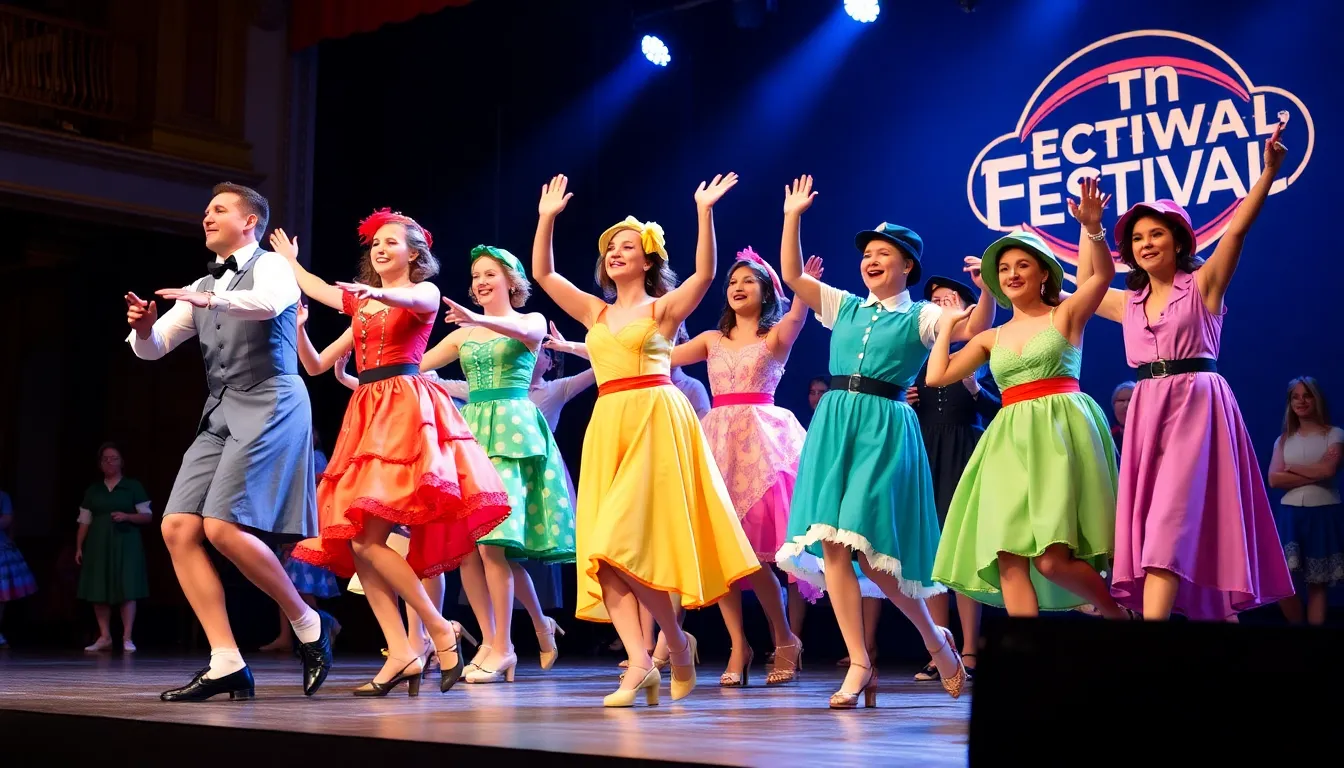
Choreographers and dancers involved in these revivals face a unique set of challenges. They must balance the preservation of original dance styles with the incorporation of their own artistic expressions. This can lead to trade-offs where the integrity of the original choreography might be compromised for the sake of innovation or audience engagement. Furthermore, the legal issues surrounding copyright and intellectual property rights of the original works can complicate this creative process.
- Economic Interests: Theater companies seek profitability through vintage revivals.
- Artistic Integrity: Choreographers aim to honor the original works while infusing modern perspectives.
- Audience Engagement: The need to attract diverse audiences can lead to adaptations that alter the original choreography.
- Legal Complexities: Copyright issues may hinder the ability to fully replicate or adapt original pieces.
- Cultural Significance: Preservation of vintage dance as a vital part of Broadway’s history is paramount for cultural institutions.
Moreover, cultural institutions and educational organizations play a crucial role in the preservation and promotion of vintage dance, often engaging in archival work and educational programs that highlight the historical significance of choreographers like Fosse and Robbins.
The Impact of Vintage Dance on Today’s Performers
The revival of vintage Broadway dance styles, particularly those popularized by legends like Bob Fosse and Jerome Robbins, is influencing a wide range of groups, including performers, choreographers, and theater companies. This resurgence is not limited to any specific region; it is a nationwide trend that resonates particularly in metropolitan areas with rich theatrical histories, such as New York City and Chicago.
In the short term, performers are experiencing a renewed interest in classic choreography, leading to increased audition opportunities and the potential for more diverse roles. The demand for training in these vintage styles is also rising, causing dance schools and studios to adapt their curricula accordingly. This shift not only benefits dancers but also provides instructors with opportunities to specialize in these sought-after techniques.
Mid-term impacts may include a shift in the types of productions being staged, with an emphasis on revivals of classic musicals that feature vintage dance. This could lead to increased ticket sales and a revitalized audience interest in theater, benefiting local economies through increased tourism and spending. However, there is a risk that the focus on vintage styles may overshadow contemporary works, potentially limiting opportunities for new choreographers and innovative dance forms.
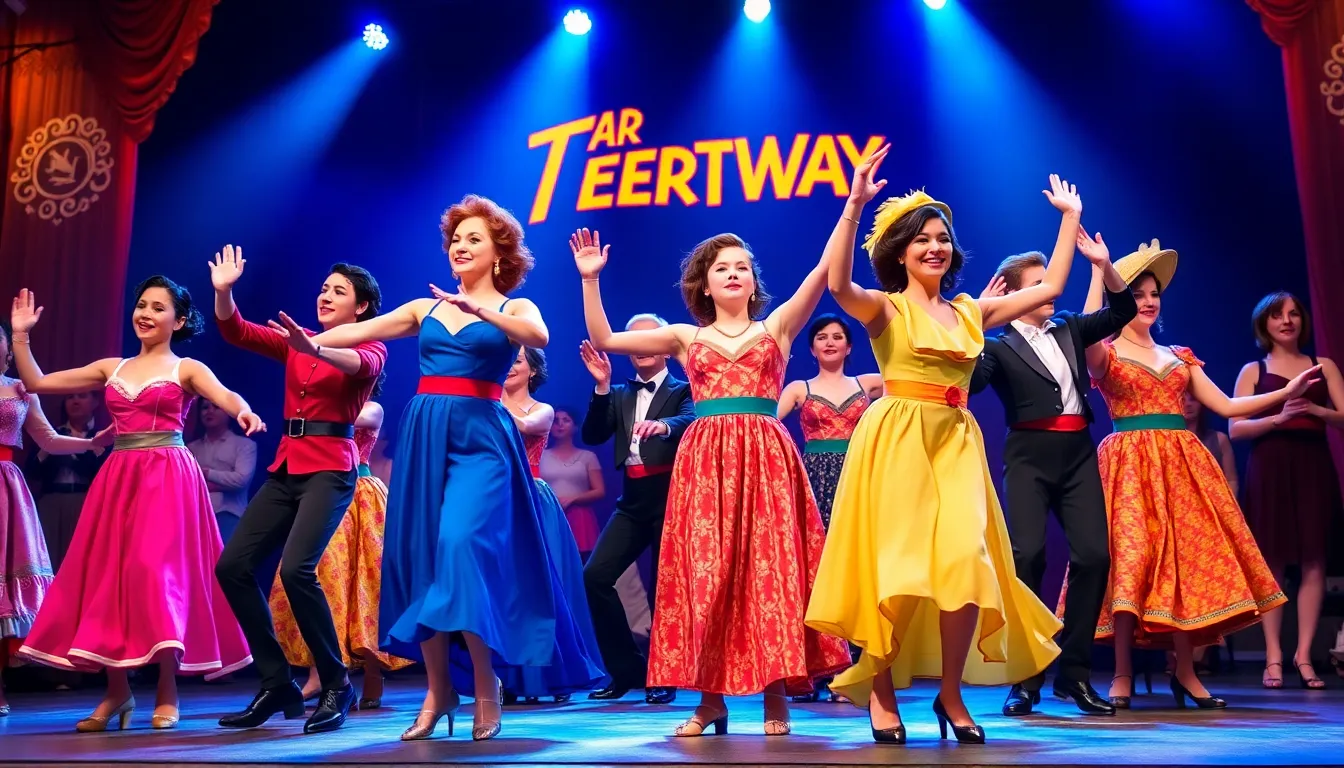
- Performers: Increased opportunities and training in vintage styles.
- Theater Companies: Potential for higher ticket sales through classic revivals.
- Dance Schools: Need to adapt curricula to include vintage dance techniques.
- Local Economies: Boost from increased tourism and theater attendance.
- Choreographers: Risk of marginalization for contemporary works.
While there are risks associated with this trend, such as the potential overshadowing of new artistic voices, there are also significant opportunities for collaboration between vintage and contemporary styles. This blending could lead to innovative productions that honor the past while pushing the boundaries of modern dance, ultimately enriching the cultural landscape of theater and performance arts.
A: Fosse and Robbins are pivotal figures in Broadway history, known for their innovative choreography that transformed the genre. Their unique styles continue to influence dancers and choreographers today. A: Vintage Broadway dance offers timeless techniques and storytelling methods that resonate with contemporary audiences. Integrating these elements can enrich modern productions. A: Yes, several current productions pay homage to vintage Broadway dance, incorporating classic choreography and styles inspired by Fosse and Robbins. A: Vintage Broadway dance is characterized by its theatricality, strong storytelling, and distinctive styles, often blending jazz, ballet, and tap influences. A: Aspiring dancers can take classes focusing on the styles of Fosse and Robbins, attend workshops, or study their choreography through video resources.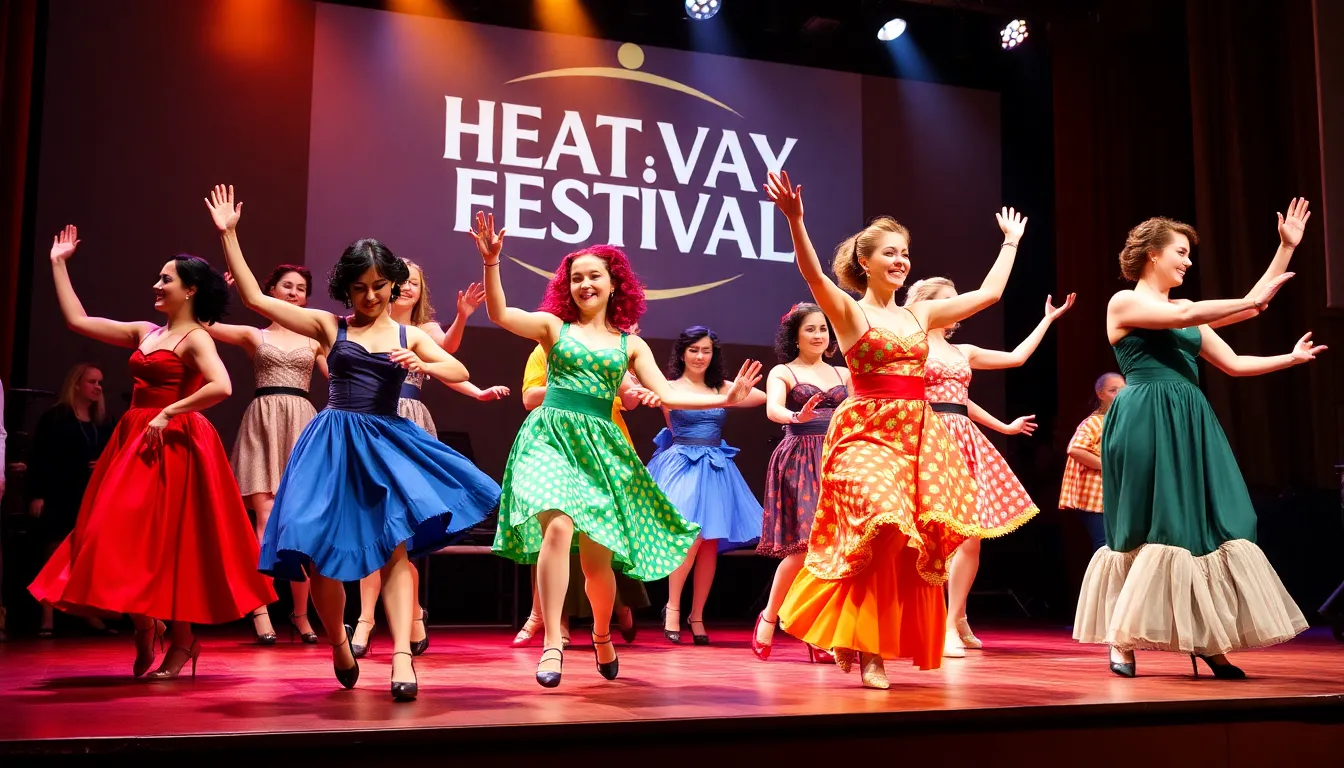
Frequently Asked Questions about Vintage Broadway Dance
Insights into the Future of Vintage Broadway Dance
The resurgence of interest in vintage Broadway dance, particularly through the works of legends like Fosse and Robbins, signals a significant shift in the cultural landscape. As audiences increasingly seek authenticity and nostalgia, the implications for both new productions and revivals are profound. This trend not only highlights the enduring appeal of classic choreography but also emphasizes the need for contemporary artists to engage with and reinterpret these foundational styles in innovative ways.
Looking ahead, the intersection of vintage dance with modern storytelling techniques may yield exciting new productions that honor the past while appealing to today’s diverse audiences. As the industry evolves, understanding the nuances of this revival will be crucial for choreographers, producers, and performers alike.
- Expect a rise in productions that blend vintage dance styles with contemporary themes, creating a dialogue between past and present.
- Choreographers may increasingly draw inspiration from classic works, leading to a revival of interest in training and education focused on traditional techniques.
- Audiences will likely demand more immersive experiences that incorporate vintage dance elements, pushing producers to innovate in staging and presentation.
- Collaborations between seasoned artists and emerging talents could foster a richer understanding and appreciation of vintage styles, benefiting the entire Broadway community.