
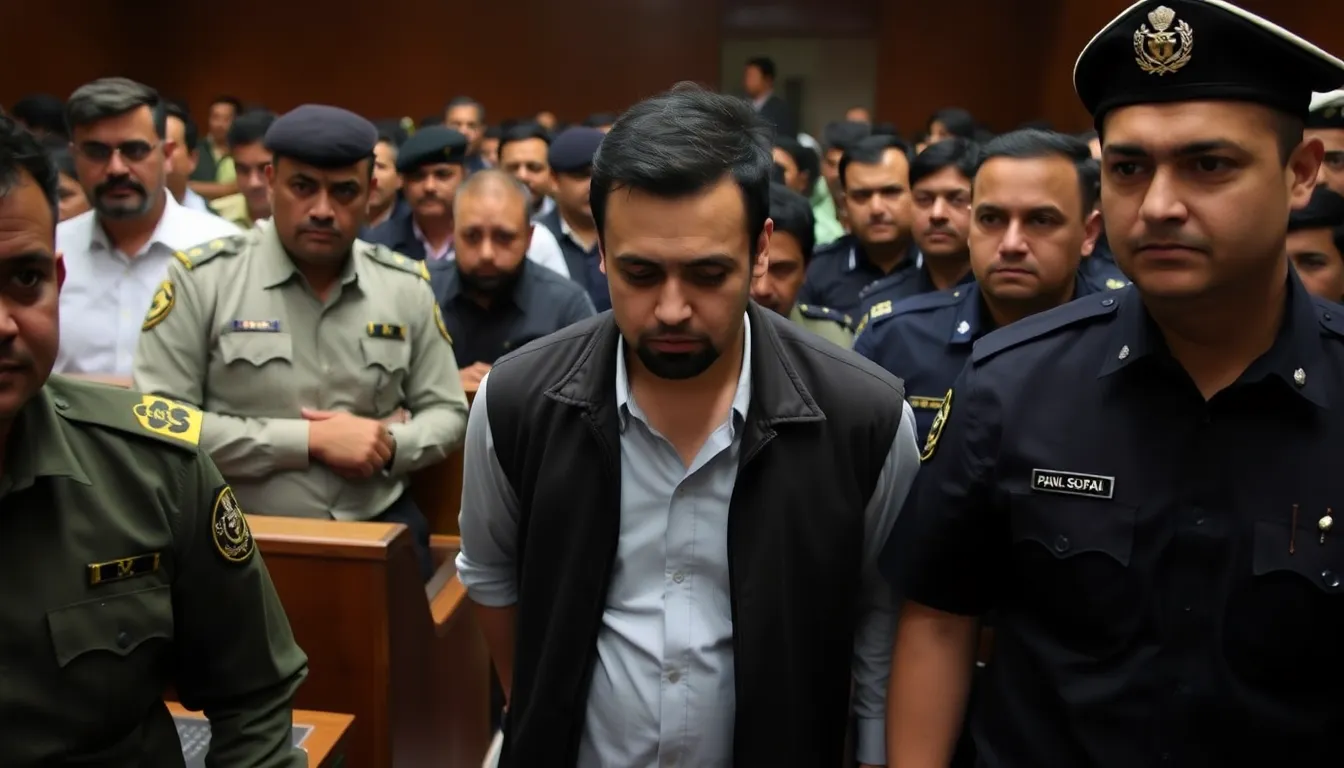
The convicted individual, identified as 24-year-old Muhammad Ali, was found guilty by a court in Punjab province. The legal proceedings highlighted the ongoing issues of gender-based violence and the societal pressures faced by young women in the country, particularly those in the public eye, such as the rising focus on social media influencers.
This case has sparked widespread outrage, prompting discussions on the safety of women and the effectiveness of the legal system in addressing such crimes. Activists argue that the ruling represents a critical step toward justice, yet many remain skeptical about the implementation of laws designed to protect vulnerable individuals.
The sentencing took place on October 15, 2023, with the court emphasizing the need for strict penalties to deter similar offenses in the future. As the case progresses through the appeals process, it remains a focal point in the broader conversation about women’s rights and public safety in Pakistan.
Background on the victim and the social media landscape in Pakistan
The tragic case of the murder of a teenage TikTok star in Pakistan highlights the complex interplay between social media, youth culture, and societal norms in the country. As social media platforms gain popularity, particularly among the younger generation, they have become a double-edged sword, providing opportunities for expression while also exposing individuals to risks and societal backlash, similar to the recent debates surrounding freedom of expression.
The victim, a rising star on TikTok, represented a new wave of digital influencers in Pakistan, where traditional values often clash with modern lifestyles. Her content, which resonated with many young viewers, brought her both fame and attention, but also attracted criticism from conservative factions that view social media engagement as inappropriate. This tension reflects a broader societal struggle between progressive and conservative ideologies in Pakistan.
The rise of social media in Pakistan can be traced back to the early 2010s, when platforms like Facebook and Twitter began to gain traction. TikTok, launched globally in 2016, quickly became popular among Pakistani youth, offering a creative outlet for self-expression. However, the platform has also been criticized for promoting content that some deem morally questionable, leading to periodic bans and regulatory scrutiny from the government.
Milestones in the social media regulation in Pakistan
The Pakistani government has taken various steps to regulate social media in response to concerns over content that could incite violence or undermine cultural values. In 2020, the Pakistan Telecommunication Authority (PTA) implemented a set of regulations aimed at controlling harmful content online. These regulations have often sparked debates about censorship and freedom of expression, as they may disproportionately affect young creators and influencers trying to navigate the evolving digital landscape.
This backdrop of regulation, societal expectations, and the consequences of fame creates a precarious environment for young individuals like the victim. Her murder not only underscores the dangers faced by social media personalities in Pakistan but also raises critical questions about the protection of youth and the responsibilities of both the state and society in fostering a safe digital space.
Key stakeholders and implications of the ruling
The recent death sentence handed down to the man who murdered a teenage TikTok star in Pakistan has drawn attention from various stakeholders, each with distinct interests and implications. The primary actors include the Pakistani government, law enforcement agencies, the victim’s family, and social media platforms, all of whom are affected by the societal and legal ramifications of this case.
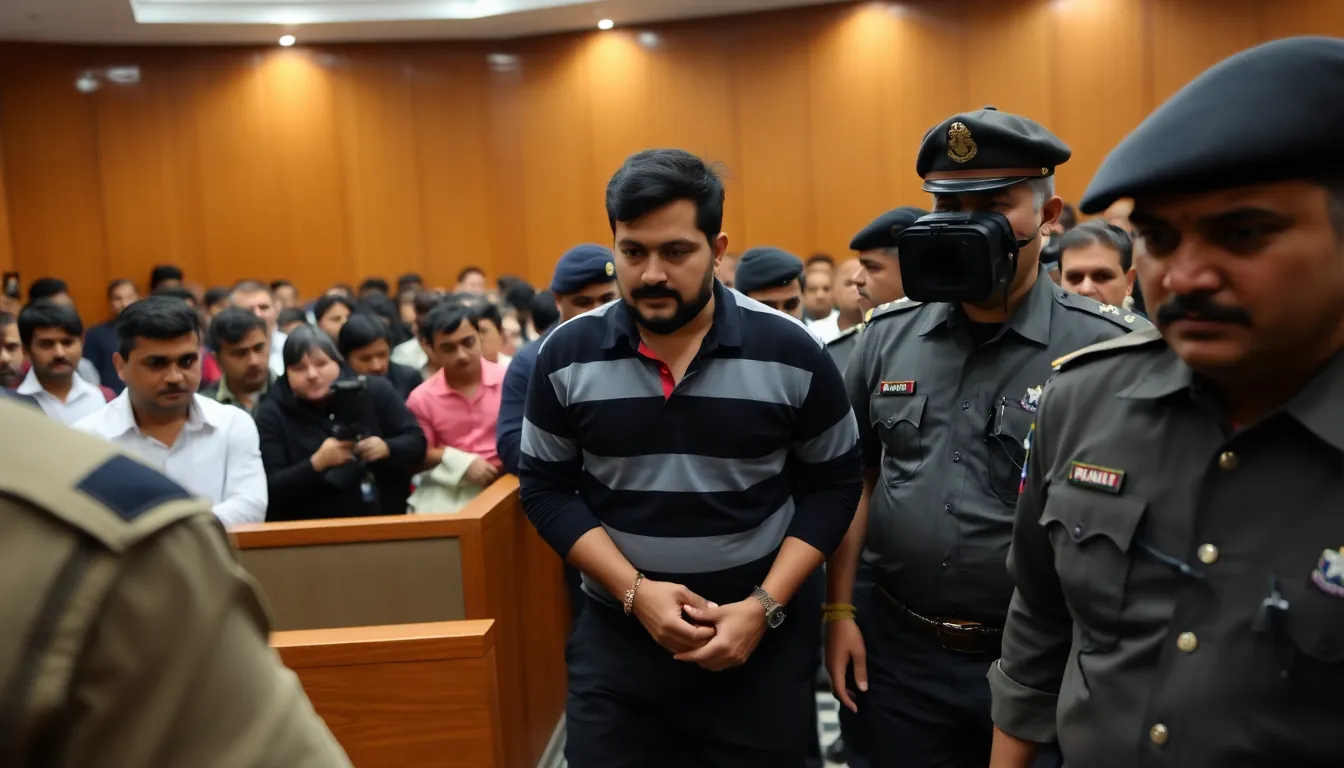
The Pakistani government has a vested interest in demonstrating its commitment to justice and the rule of law, especially in cases involving high-profile victims. This ruling may be seen as an effort to address public outcry over violence against women and minors, thereby reinforcing the government’s stance against such crimes, much like the ongoing discussions regarding legal protections in various contexts.
Law enforcement agencies are also central to this narrative, as their ability to investigate and prosecute such cases effectively is under scrutiny. The case highlights the ongoing issues of crime and safety in Pakistan, particularly regarding the protection of vulnerable individuals. The implications of this ruling may lead to calls for improved training and resources for police and judicial officials to handle similar cases in the future.
- Victim’s Family: The family of the TikTok star seeks justice and closure, but they also face the emotional and social repercussions of the crime.
- Social Media Platforms: The case raises concerns about the safety of young content creators and the responsibility of platforms in protecting their users.
- Public Sentiment: There is a growing demand for accountability and reform in how gender-based violence is addressed in society.
Moreover, the ruling may have broader economic implications, particularly regarding tourism and foreign investment in Pakistan. A perception of safety and justice can influence international perceptions, potentially impacting the country’s economic stability. Thus, the stakeholders involved must navigate the complex interplay between legal outcomes and societal expectations to foster a safer environment for all citizens.
Impact of the case on social media influencers and safety concerns
The murder of the teen TikTok star in Pakistan has sent shockwaves through the community of social media influencers, particularly in regions where digital platforms are rapidly gaining popularity. Influencers, especially young women, are now more acutely aware of the potential dangers associated with their online presence. This incident has highlighted the urgent need for enhanced safety measures and support systems for content creators.
In the short term, there is likely to be a significant impact on the daily lives of influencers who may choose to limit their public engagements or alter their content strategies. Many may feel compelled to increase their privacy settings or even withdraw from public platforms altogether. This shift could lead to a decline in engagement rates and a potential decrease in revenue for those who rely on brand partnerships.
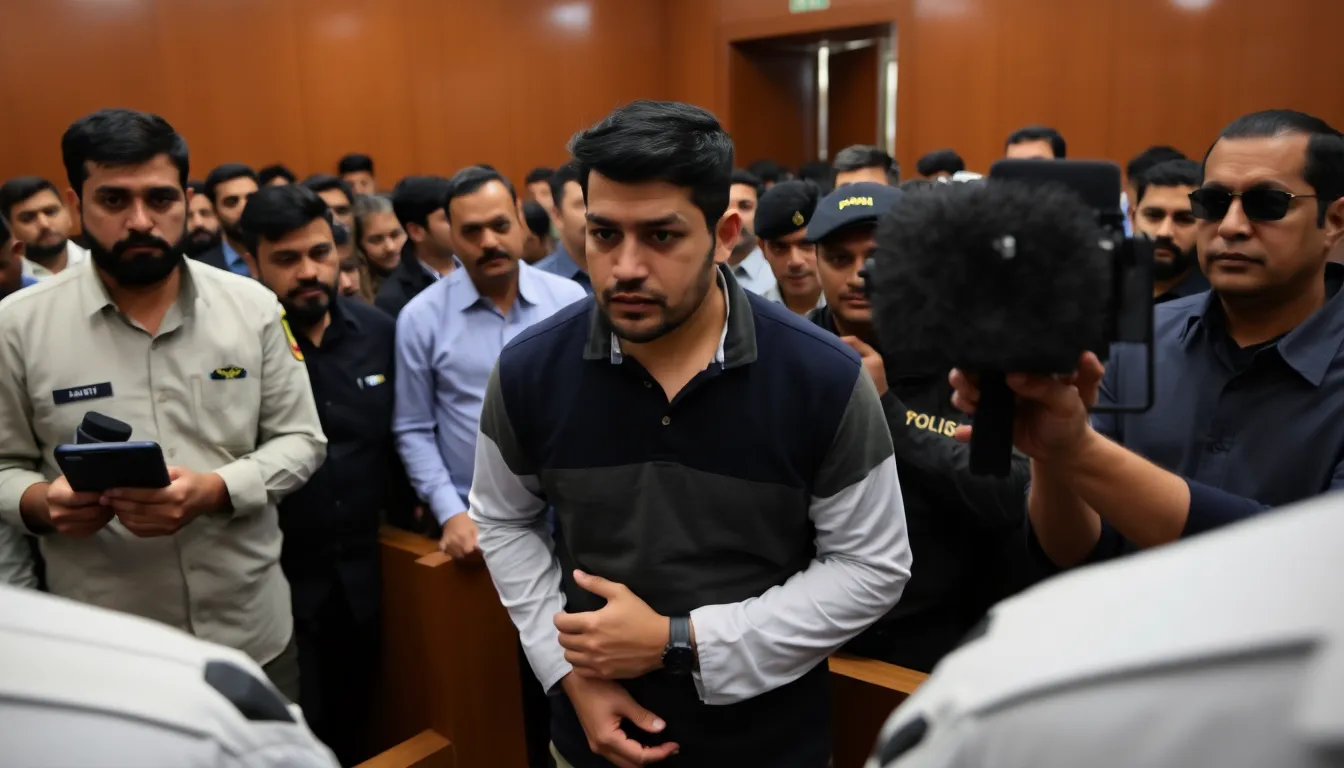
In the mid-term, the case is expected to influence policy discussions regarding online safety and the protection of social media users in Pakistan. Government bodies and social media platforms may face pressure to implement stricter regulations and support mechanisms to safeguard content creators. This could lead to the establishment of new policies aimed at fostering a safer online environment.
- Increased awareness: The incident has raised awareness about safety issues among influencers and their audiences.
- Policy changes: Potential for new regulations to protect social media users.
- Business adaptations: Influencers may adapt their content strategies, impacting brand partnerships.
- Community support: Opportunities for community-building initiatives focused on safety and support for creators.
While the risks are evident, there may also be opportunities for businesses that provide safety tools and resources for influencers. Companies specializing in online security, mental health support, and community engagement could see a rise in demand as influencers seek to protect themselves and their brands in an increasingly volatile environment.
A: The murder involved a dispute that escalated, leading to the tragic death of the TikTok star. The details revealed a concerning pattern of violence against women in the region. A: The sentencing has sparked widespread discussions on social media about women’s safety and justice in Pakistan, with many expressing relief at the verdict. A: Influencers may face increased scrutiny and pressure regarding their safety, prompting discussions about protective measures and legal reforms. A: Yes, this case highlights a troubling trend of violence against women in Pakistan, raising awareness and calls for change in societal attitudes. A: The convicted individual has the right to appeal the death sentence in higher courts, which is a standard legal process in such cases.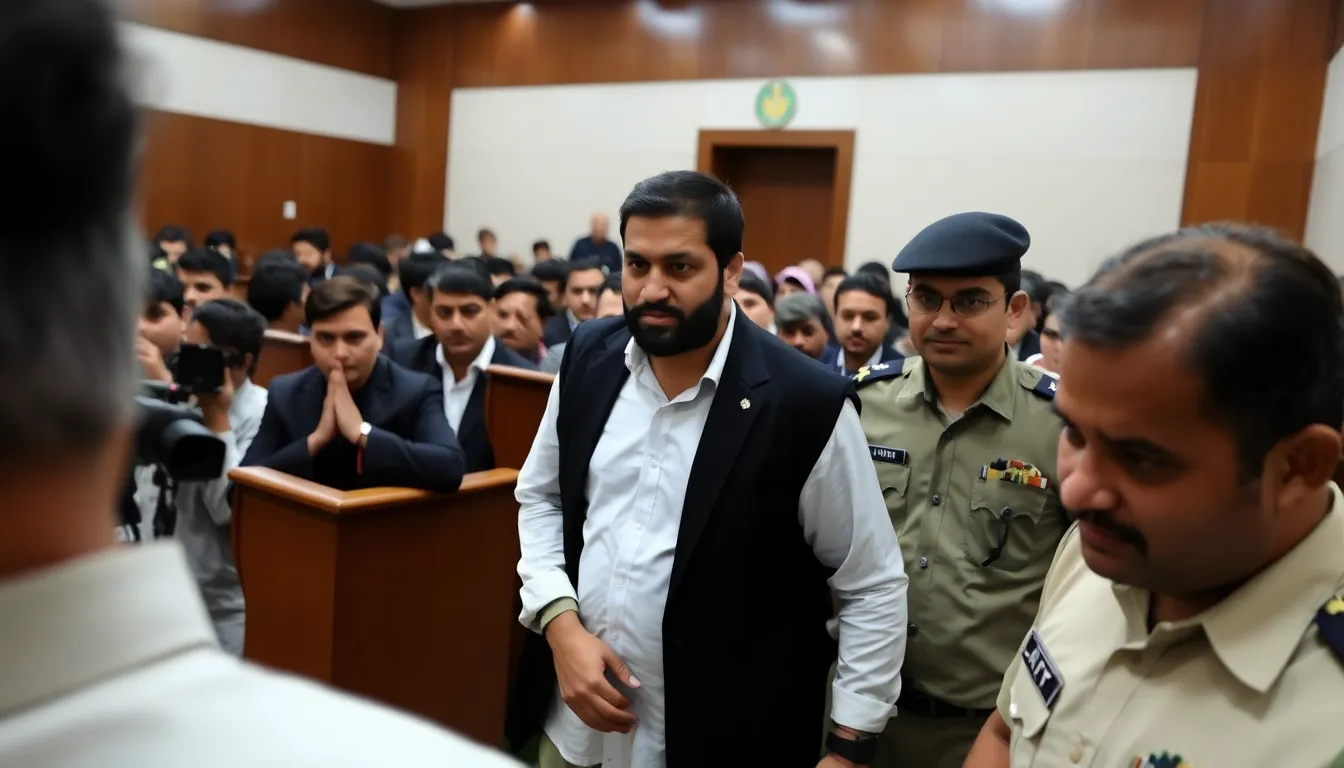
Frequently asked questions about the case
Key takeaways and future implications of the ruling
The sentencing of the man who murdered the teenage TikTok star in Pakistan marks a pivotal moment in the ongoing discussions around violence against women and the protection of young individuals in the digital age. This case has brought to light the urgent need for stronger legal frameworks and societal change to address the root causes of such violence. As the legal proceedings unfold, the implications of this ruling could resonate beyond the courtroom, influencing public opinion and policy reform.
Moreover, the case underscores the importance of social media in shaping narratives around crime and justice. The visibility of the victim’s story on platforms like TikTok has the potential to mobilize support for victims’ rights and raise awareness about the dangers faced by young influencers. Observers will be keen to see how this case impacts future legal actions and societal attitudes towards gender-based violence in Pakistan.
- The ruling may inspire more victims to come forward and seek justice, potentially leading to a rise in reported cases of violence against women.
- Increased public scrutiny could prompt lawmakers to consider more robust protections for young individuals, particularly those in the public eye.
- The case may catalyze discussions around digital safety and the responsibilities of social media platforms in protecting their users.
- There is potential for a shift in cultural attitudes towards gender-based violence as public awareness grows through media coverage.
- Future legal outcomes could set precedents for how similar cases are handled in Pakistan and influence judicial approaches to such crimes.