
The ruling effectively pauses lower court decisions that sought to limit the distribution of the pill, which is commonly used in medication abortions. This topic is an extension of the ongoing discussions around reproductive health policies.
This situation is critical as it affects millions of individuals who rely on medication for abortion services. The implications of this ruling extend beyond immediate access, as it highlights the contentious nature of reproductive health policies in the United States and the ongoing debates surrounding women’s rights and healthcare access.
As the legal proceedings continue, stakeholders from various sides are closely monitoring the developments. This includes advocacy groups, healthcare professionals, and lawmakers engaged in discussions about the future of abortion medication, similar to those surrounding women’s rights and access issues.
Understanding the legal backdrop of abortion pill regulations
The ongoing debate surrounding access to abortion pills, particularly mifepristone, has deep historical roots in the broader context of reproductive rights in the United States. Since the landmark Roe v. Wade decision in 1973, which recognized a woman’s constitutional right to choose an abortion, the landscape of reproductive health has been fraught with political and legal challenges. The introduction of medication abortion in the early 2000s provided an alternative to surgical procedures, allowing women to terminate pregnancies safely and privately at home.
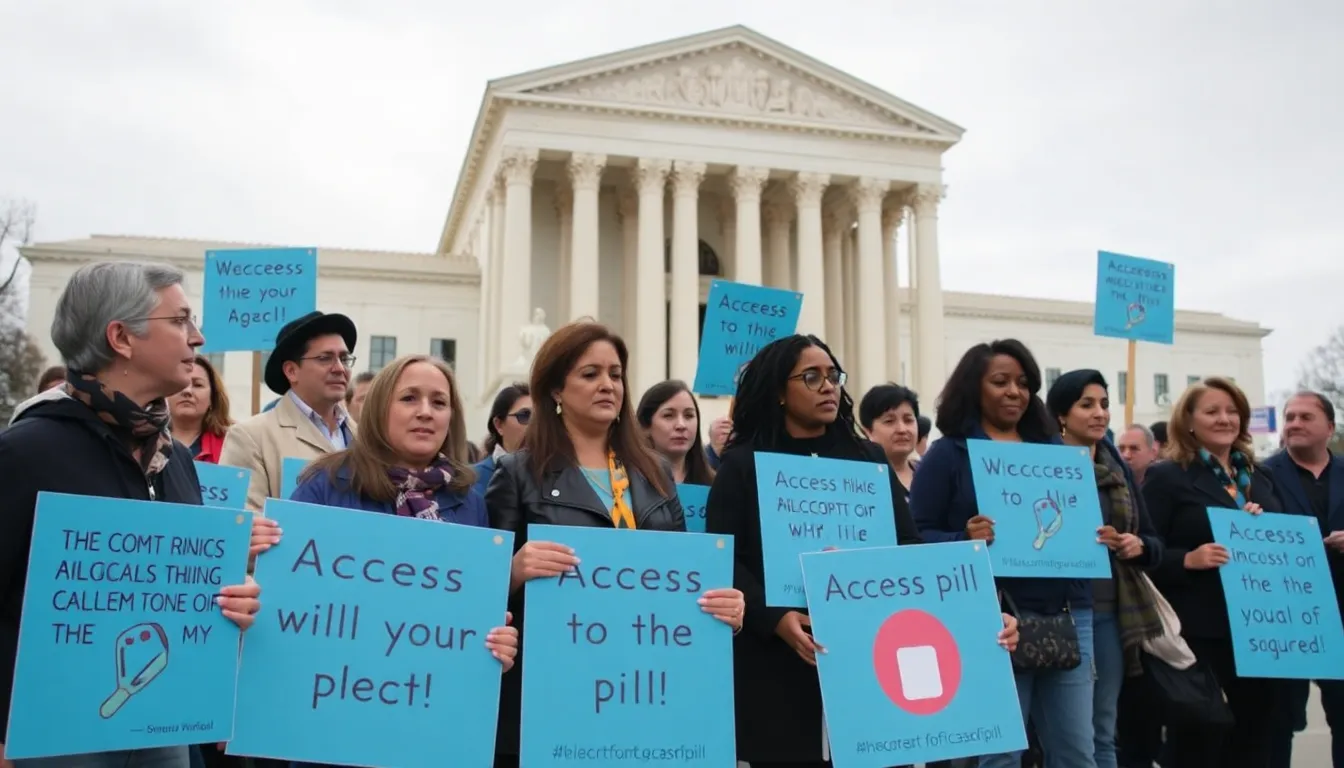
In recent years, the political climate has shifted dramatically, particularly following the Supreme Court’s decision to overturn Roe v. Wade in 2022. This change ignited a wave of state-level restrictions on abortion access, with some states moving to ban medication abortions altogether. Legal battles have ensued as advocacy groups and healthcare providers challenge these restrictions, arguing that they infringe on women’s rights and access to necessary healthcare.
Key Legal Milestones
Several key legal milestones have shaped the current landscape of abortion pill regulations. In 2000, the FDA approved mifepristone for use in the United States, marking a significant advancement in reproductive health options. However, subsequent years saw increasing scrutiny and regulation of its use. In 2016, the FDA eased restrictions on the pill, allowing for earlier use in pregnancy and reducing the number of required in-person visits, which was seen as a progressive step towards improving access.
The recent Supreme Court decision to temporarily maintain access to mifepristone by mail underscores the ongoing legal complexities surrounding abortion medication. These complexities remind us of broader societal challenges, much like those highlighted in the conversations about global catastrophes.
Key stakeholders and their positions on the abortion pill
The ongoing debate surrounding the abortion pill, particularly in the context of its access by mail, involves a variety of stakeholders, each with their own interests and concerns. These stakeholders include healthcare providers, advocacy groups, legal entities, and government agencies.
Healthcare providers, including doctors and clinics that offer reproductive health services, generally support access to the abortion pill by mail. They argue that it provides a safe and private option for patients, especially in areas with limited access to healthcare facilities. However, some medical professionals express concerns about the potential for misuse and the need for proper medical oversight.
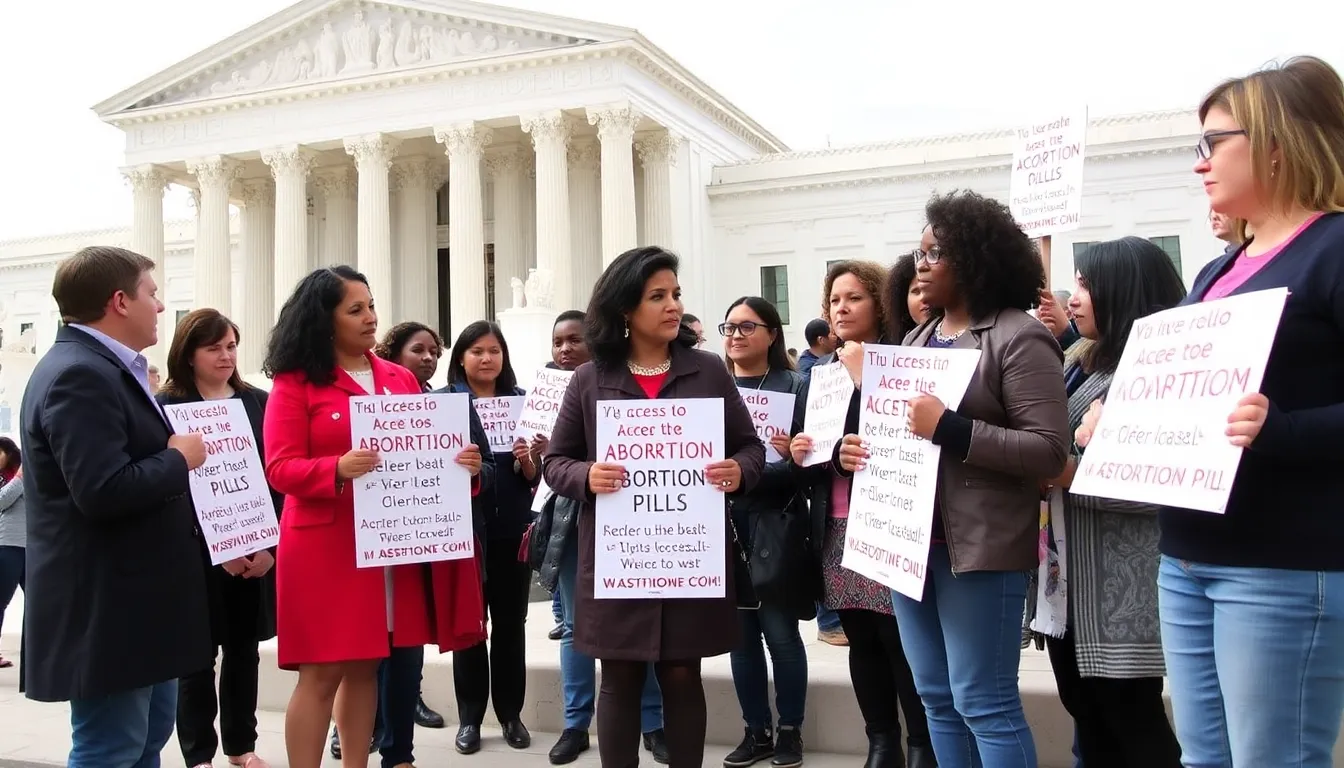
Advocacy groups, such as Planned Parenthood and the National Abortion Federation, are key proponents of maintaining access to the abortion pill. They argue that restricting access disproportionately affects marginalized communities and undermines women’s rights to make decisions about their own bodies. These organizations are actively engaged in legal battles to ensure that access remains uninterrupted.
On the other hand, anti-abortion organizations and some political entities advocate for stricter regulations or outright bans on the abortion pill. They argue from a moral and ethical standpoint, claiming that such medications pose health risks and that they contribute to the termination of fetal life. This group often seeks to influence public opinion and legislation to limit access.
- The legal landscape surrounding the abortion pill is complex, with ongoing court cases that could alter access significantly.
- Economic implications include the potential costs associated with increased healthcare needs for women who may seek unsafe alternatives.
- Conflicts arise between state and federal regulations, leading to a patchwork of laws that vary by region.
- The role of telemedicine in prescribing the abortion pill has introduced new dynamics in patient care and regulatory oversight.
- Public opinion remains divided, influencing political action and legislative efforts on both sides of the issue.
Who will be affected by the court’s decision on abortion access
The recent Supreme Court ruling to maintain access to the abortion pill by mail has far-reaching implications for various groups, industries, and regions across the United States. Primarily, women seeking reproductive healthcare, particularly in states with restrictive abortion laws, will experience immediate relief and access to necessary medical services. This decision also impacts healthcare providers, pharmacies, and telehealth services that facilitate the distribution of medication.
In the short term, individuals in states with limited access to abortion services may find it easier to obtain the medication they need without traveling long distances. This accessibility can significantly reduce the logistical and financial burdens associated with in-person visits to clinics. Additionally, the ruling may bolster the operations of telehealth companies that specialize in reproductive health, leading to increased demand for their services.
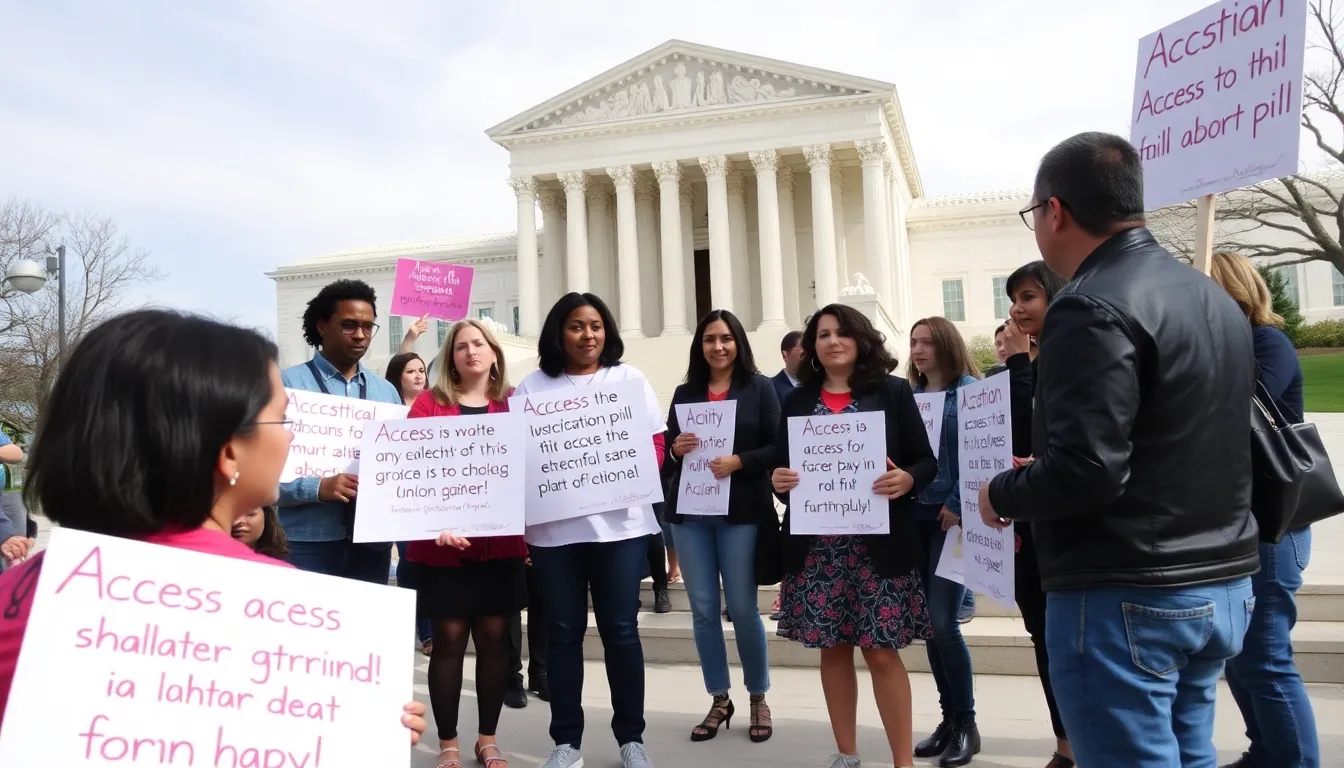
However, the ruling is not without risks. Some states may respond with increased legal challenges or further restrictions on abortion access, creating a patchwork of regulations that could confuse and deter patients. Additionally, pharmacies may face pressure from local authorities or community groups to limit access to abortion medication, impacting their willingness to participate in the distribution process.
- Women and families: Increased access to reproductive healthcare options.
- Healthcare providers: Potential growth in telehealth services and patient consultations.
- Pharmaceutical industry: Opportunities for pharmacies to expand services but also face regulatory challenges.
- Legal landscape: Ongoing litigation and possible changes in state laws affecting access.
In the mid-term, the decision could lead to a shift in public opinion regarding abortion rights, potentially influencing upcoming elections and legislative actions. Advocacy groups on both sides of the issue may ramp up efforts to mobilize support, which could further polarize the political landscape. Overall, while the ruling offers immediate benefits to many, the evolving situation underscores the complexity and contentious nature of abortion access in America.
A: The Supreme Court’s decision allows continued access to the abortion pill by mail for a limited time, impacting those seeking medical abortions. A: The current ruling provides temporary access, but the exact duration will depend on future court decisions. A: Key stakeholders include reproductive rights advocates, healthcare providers, and various state governments with differing laws on abortion. A: The ruling could set a precedent for future cases regarding abortion access and may influence ongoing legislative discussions. A: Yes, there are specific regulations and requirements that must be met to obtain the abortion pill by mail legally.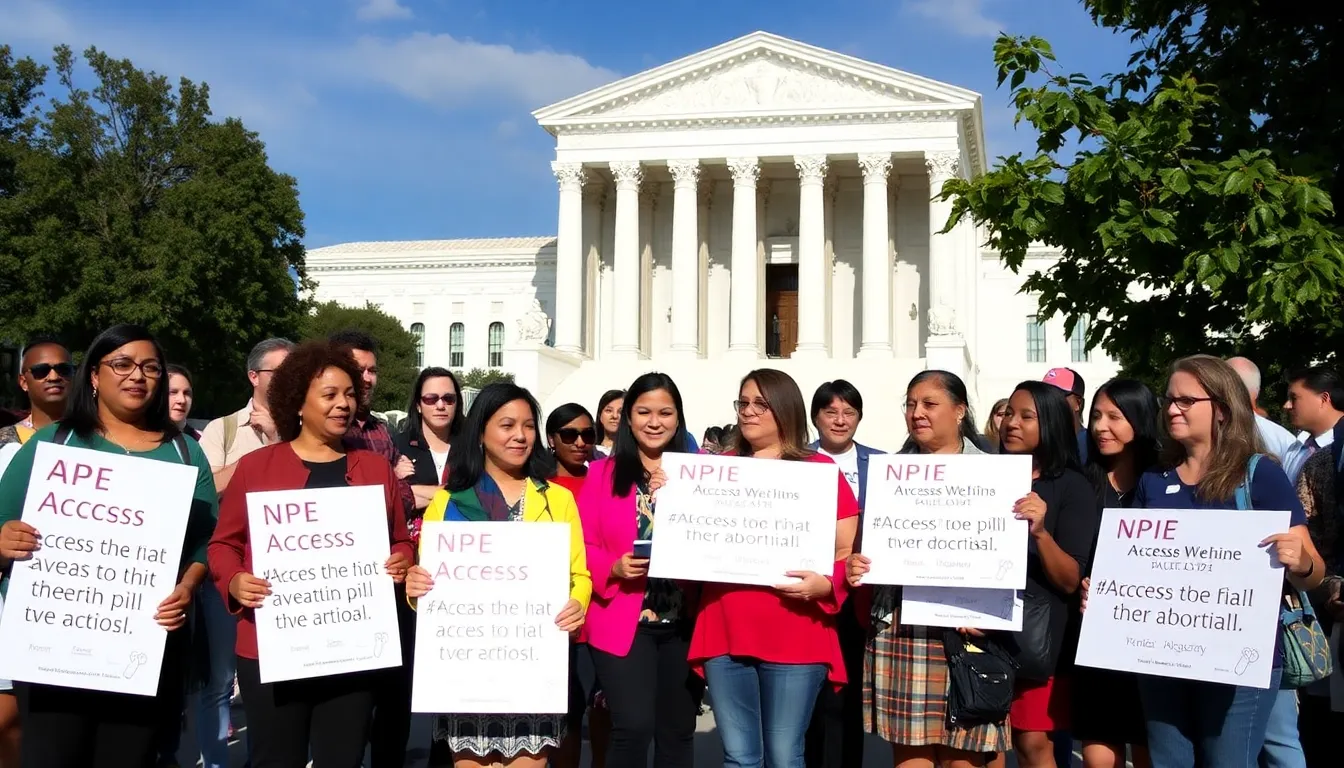
Frequently asked questions about the abortion pill ruling
Looking ahead: implications of the Supreme Court’s ruling
The Supreme Court’s recent decision to maintain access to the abortion pill by mail, albeit temporarily, has significant ramifications for reproductive health rights across the United States. This ruling not only reflects the ongoing legal battles surrounding abortion access but also highlights the complexities of healthcare delivery in a polarized political landscape. As the situation evolves, stakeholders must be prepared for potential shifts in both legal interpretations and public sentiment.
In the coming days, the implications of this ruling will become clearer, particularly as states and healthcare providers navigate the changing legal framework. The decision underscores the importance of monitoring legislative responses and judicial actions that may arise in the aftermath of this ruling, which could shape the future of abortion access in the country.
- Watch for state-level responses that may seek to further restrict or protect access to abortion medications.
- Healthcare providers may need to adapt their practices in light of ongoing legal uncertainties surrounding telehealth and mail-order prescriptions.
- The ruling could influence public opinion on reproductive rights, potentially mobilizing advocacy groups on both sides of the issue.
- Legal experts will likely analyze the implications of this decision for future Supreme Court cases related to healthcare and reproductive rights.
- Monitor the potential for increased demand for abortion services and related healthcare resources as individuals seek clarity in their options.